How to make money on TikTok: A comprehensive guide to monetization strategies and platform dynamics

The digital creator economy has undergone a seismic shift, transforming TikTok from a platform defined by short-form dance trends into a robust commercial ecosystem. With over 1.37 billion global users projected for 2025, the platform has institutionalized multiple monetization pathways, moving away from simple view-based incentives toward complex, multi-layered revenue streams. For creators, influencers, and small business owners, the ability to capitalize on TikTok now requires a nuanced understanding of platform-native tools, affiliate commerce, and direct brand partnerships.

The Evolution of the TikTok Monetization Landscape
Historically, TikTok relied on the Creator Fund—a static pool of capital that often led to diminishing returns for creators as the number of participants increased. In response to industry criticism regarding the lack of transparency and low payouts, TikTok introduced the Creator Rewards Program. This pivot prioritized longer-form, high-quality, and original content, shifting the incentive structure to reward engagement depth rather than surface-level viral reach.
This evolution represents a strategic transition by ByteDance, the parent company of TikTok, to retain top-tier talent by offering sustainable income models. By integrating e-commerce through TikTok Shop and fostering professional creator tools, the platform has positioned itself as a critical competitor to established social commerce giants like Amazon and Instagram.

Navigating Native Monetization Programs
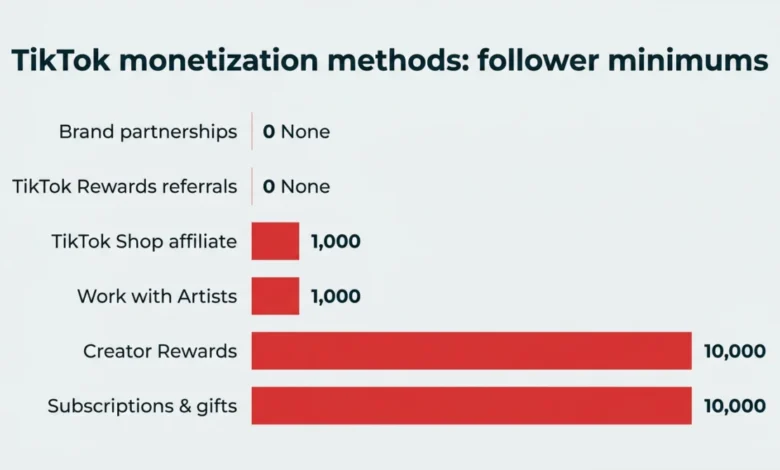
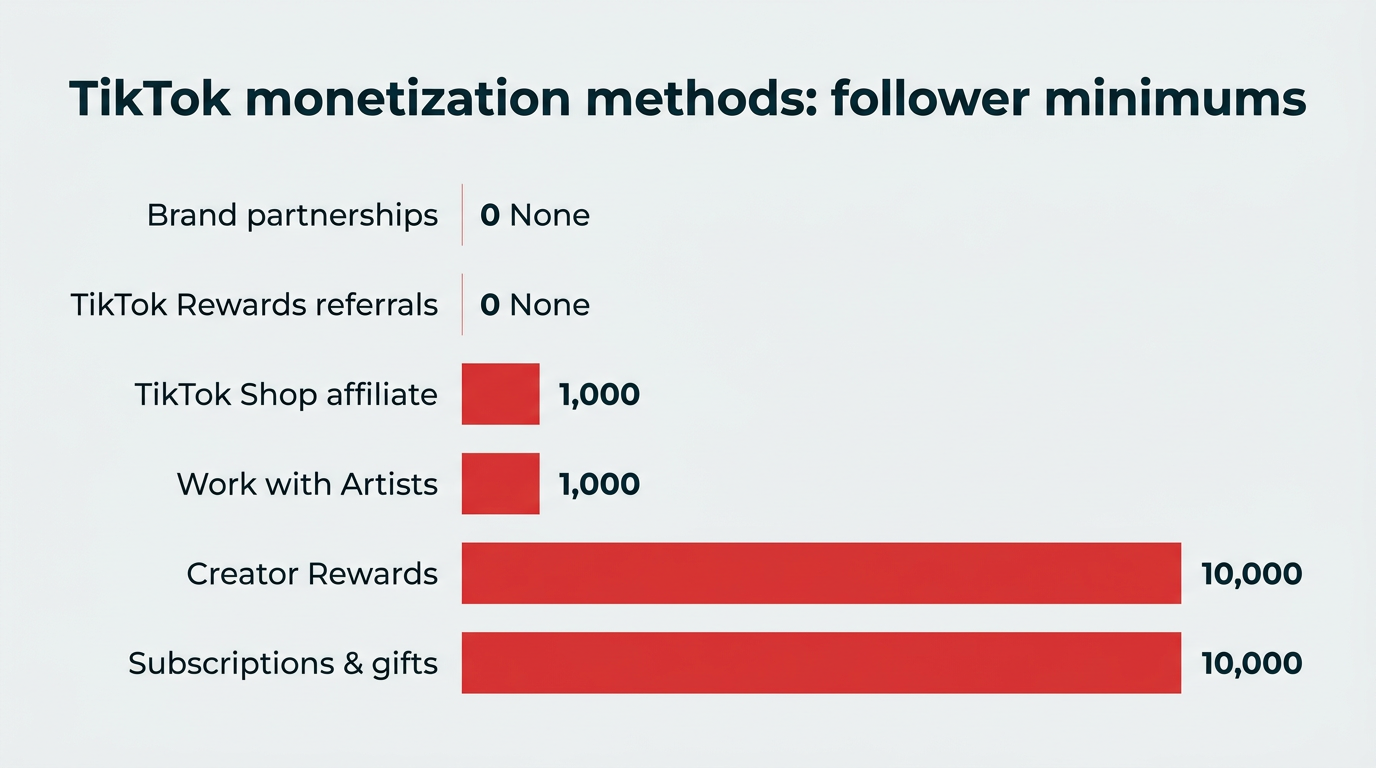
To participate in the platform’s direct payout systems, creators must navigate a tiered eligibility structure. While thresholds vary, the most lucrative programs—such as the Creator Rewards Program—generally require a minimum of 10,000 followers and at least 100,000 video views within a rolling 30-day window.
The Creator Rewards Program focuses on four key pillars: originality, play duration, search value, and audience engagement. Unlike the previous fund, this system rewards videos longer than one minute, emphasizing the platform’s push toward sustained watch time. Data suggests that creators who align their content strategy with these metrics—specifically by producing educational or narrative-driven content—see higher payout tiers compared to those focused solely on short-form entertainment.
The Rise of Social Commerce: TikTok Shop and Affiliate Marketing
The most significant driver of revenue on the platform today is the integration of TikTok Shop. With U.S. social commerce sales via the platform projected to exceed $20 billion by 2026, the shop function has become a cornerstone of business operations on the app.
For businesses, TikTok Shop provides an end-to-end purchasing experience. Consumers can discover a product, view detailed catalogs, and complete transactions without navigating away from the application. This reduction in "friction"—the steps required to make a purchase—has statistically led to higher conversion rates for brands that utilize live shopping events.
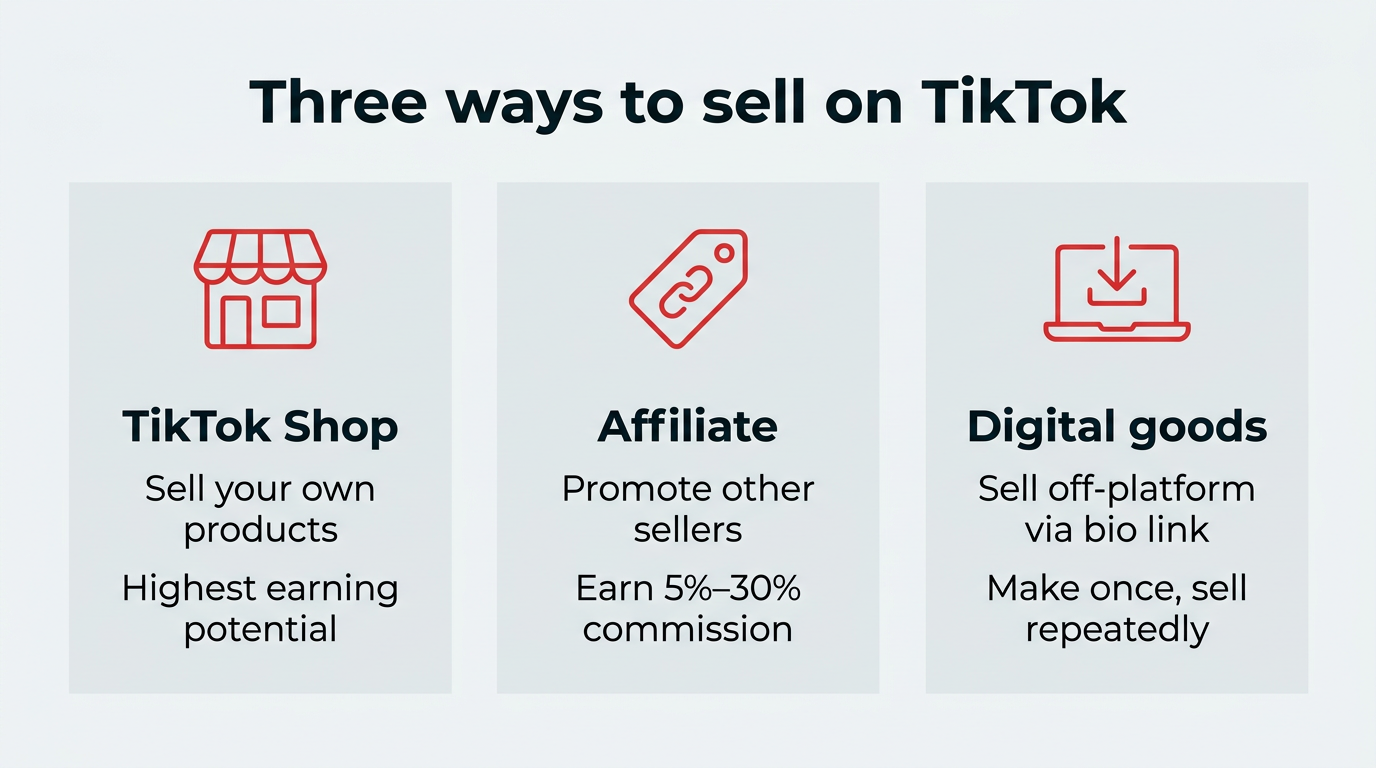
Affiliate marketing serves as the creator-centric counterpart to TikTok Shop. Creators who lack physical inventory can leverage the affiliate marketplace to promote third-party products. By embedding product links into their videos, creators earn commissions typically ranging from 5% to 30%. This model has democratized earnings, allowing creators with smaller, highly engaged, and niche audiences to generate consistent income without the overhead of product development or logistics management.
Strategic Diversification: Beyond Platform Payouts
Expertise in the creator economy suggests that relying solely on platform-native monetization is a high-risk strategy. The most successful accounts treat TikTok as a top-of-funnel marketing tool, directing traffic toward high-margin revenue streams.

- Digital Products and Services: Creators are increasingly using their TikTok presence to drive users to external platforms like Stan Store, Shopify, or Gumroad. By selling e-books, presets, or specialized templates, creators retain a larger percentage of revenue and build their own customer databases, insulating them from potential fluctuations in TikTok’s algorithm.
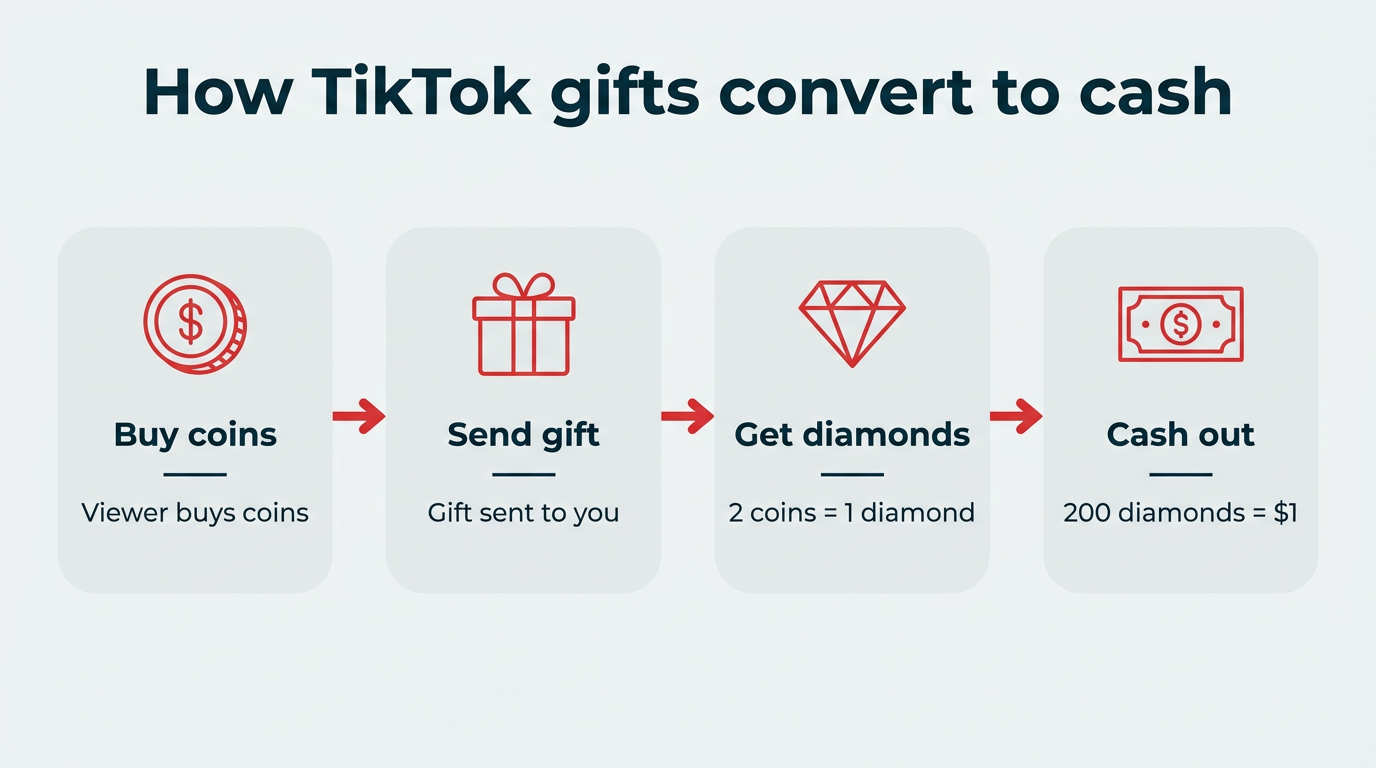
- Subscription Models: Features like TikTok Series and LIVE subscriptions allow creators to gate premium content. By offering exclusive behind-the-scenes access or advanced tutorials to a dedicated subscriber base, creators can stabilize their monthly income, reducing the pressure to go viral constantly.
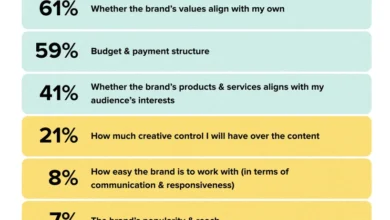
- Brand Partnerships and UGC: Influencer marketing remains the most profitable avenue for many creators. However, the nature of these deals is changing. Brands are increasingly seeking "User-Generated Content" (UGC) creators—individuals who are paid to produce high-quality, authentic-looking videos for the brand’s own social channels. This role requires minimal follower counts but high creative capability, allowing newcomers to enter the professional space rapidly.
Professional Consultancies and Coaching
As the barrier to entry for TikTok grows, a secondary market has emerged: the "Creator Economy for Creators." Experienced users are successfully monetizing their knowledge by acting as consultants for small-to-medium enterprises (SMEs) that struggle to adapt to the platform’s rapid trends. This involves managing content strategies, optimizing for SEO, and facilitating brand-influencer matchmaking. By positioning themselves as experts, these creators shift their income source from ad-revenue splits to high-ticket consulting fees.
Analytical Implications and Future Outlook
The data is clear: monetization on TikTok is no longer a "get-rich-quick" scheme but a multifaceted business operation. The platform’s algorithms currently favor "searchable" and "valuable" content. For example, content that answers specific user queries or provides deep-dive analysis into a niche topic is more likely to be prioritized by the search engine, which in turn fuels long-term ad revenue and affiliate sales.

Furthermore, the platform’s focus on geographic availability suggests that international expansion will remain a primary growth factor. However, creators must remain cognizant of the regulatory environment surrounding TikTok. Changes in local legislation or privacy policies can abruptly shift the availability of certain monetization features, making diversification of one’s digital presence an essential risk management strategy.
Best Practices for Sustained Revenue
To build a long-term income stream on TikTok, creators should focus on three foundational principles:
- Niche Authority: Broad appeal is difficult to monetize effectively. Creators who establish themselves as the definitive authority in a specific niche—whether that is DIY home repair, specialized software tutorials, or luxury real estate—attract higher-paying brand partnerships and more loyal subscribers.
- Engagement Over Reach: A smaller, highly active community is more valuable than a massive, passive audience. Engagement rates—defined by comments, shares, and saves—are the primary indicators that signal to the algorithm that content is worthy of promotion.
- Asset Ownership: The most resilient creators do not just "post to TikTok"; they use TikTok to build an email list or a community on an owned platform. By moving followers from a social platform to an owned digital space, creators ensure they maintain a direct line of communication with their audience, regardless of changes to the TikTok interface or policy.
In conclusion, the path to earning on TikTok is increasingly defined by professionalization. While the viral nature of the app remains its defining characteristic, the financial reality of the platform favors those who treat their content as a scalable business asset rather than a fleeting digital trend. By stacking multiple revenue streams—including affiliate commissions, brand sponsorships, and paid digital products—creators can navigate the evolving landscape to build a sustainable and lucrative professional career.