Bed Bath & Beyond Makes Nostalgic Return With Stand-Alone Store Opening Amid Broader Retail Strategy Shift

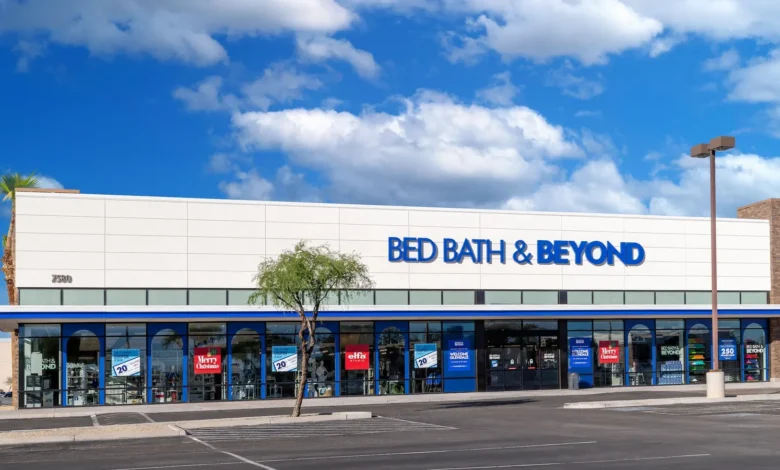
Bed Bath & Beyond is officially stepping back into its physical retail roots, signaling a strategic evolution for its parent company, Neighborhood Intelligence. Nearly four years after the iconic home goods retailer filed for Chapter 11 bankruptcy and shuttered its sprawling brick-and-mortar footprint, a new 19,000-square-foot stand-alone Bed Bath & Beyond store is set to open its doors in Glendale, Arizona.
The upcoming grand opening represents a calculated throwback to the brand’s heyday, deliberately incorporating customer-favorite fixtures such as the signature towel wall, extensive bedding displays, and the ubiquitous 20%-off coupons that defined a generation of home shopping. For consumers who mourned the sudden disappearance of the beloved retail giant in 2023, the Arizona location serves as a physical bridge between past brand equity and the company’s modern corporate restructuring.
This brick-and-mortar revival, however, is merely one component of a broader, highly ambitious turnaround effort being orchestrated by Neighborhood Intelligence. The parent company has spent the better part of the last two years actively recalibrating its retail portfolio, absorbing struggling legacy brands, trimming unprofitable physical locations, and pivoting toward an integrated e-commerce and omnichannel model designed to weather current macroeconomic headwinds.
A Walk Down Memory Lane: The Glendale Opening
The new Glendale store, launching on a Saturday, is designed to evoke deep nostalgia while integrating modern retail efficiencies. According to Neighborhood Intelligence President Amy Sullivan, the location encapsulates everything consumers historically cherished about the brand while injecting fresh merchandising strategies aimed at maximizing space efficiency in contemporary homes.
“We’re bringing back the things customers have always loved, from the iconic shopping experience to the brands, products, and value they remember, while introducing new ways to help customers make the most of every room in their home,” Sullivan said in a public statement.
Crucially, the physical space occupying the Arizona debut is not a greenfield project. The storefront previously operated as a Container Store location that suffered from negative four-wall profitability. By converting an underperforming asset from one of its recent corporate acquisitions into a revitalized Bed Bath & Beyond banner, Neighborhood Intelligence is demonstrating a pragmatic approach to real estate optimization.
Chronology of a Corporate Turnaround
The path to the Glendale opening has been marked by aggressive corporate maneuvering, high-stakes acquisitions, and swift restructuring. Following Bed Bath & Beyond’s historic 2023 bankruptcy—which industry analysts largely attribute to a disastrous corporate pivot away from major national brand partners like Shark, Cuisinart, and Laura Ashley—the brand’s intellectual property was acquired, eventually paving the way for the formation of Neighborhood Intelligence.
In the quarters following the acquisition, Neighborhood Intelligence embarked on a rapid expansion spree, absorbing complementary home-retail brands including Overstock.com, Kirkland’s, and The Container Store.
- Spring: Bed Bath & Beyond debuted an innovative co-branded store concept alongside The Container Store, blending organizational products, professional design services, and traditional home goods into a unified shopping experience.
- Recent Months: Neighborhood Intelligence evaluated expansion boundaries, formally calling off proposed deals with Fathom Holdings and F9 Brands, signaling a decisive shift away from external acquisitions.
- Current Operations: Chief Executive Officer Marcus Lemonis announced that the company is permanently halting further acquisition pursuits to focus entirely on organic growth, operational synergy, and profitability among its existing brands.
- Late-Year Adjustments: The company initiated widespread footprint rationalization, setting plans in motion to close 11 underperforming Container Store locations and 39 Kirkland’s stores by the end of the year due to expiring January leases and negative four-wall margins.
Financial Performance and Third-Quarter Metrics
The strategic restructuring is unfolding against a complex financial backdrop. Neighborhood Intelligence released its third-quarter earnings report, revealing total revenue surging by 98% year-over-year to reach $509 million. The vast majority of this top-line expansion—approximately $229 million—was directly attributable to contributions from newly acquired brands. Excluding these acquisitions, organic revenue growth stood at a steady 9%.
Despite top-line gains, the company’s bottom line reflected the heavy costs associated with massive operational overhauls and brick-and-mortar rationalization. Operating losses widened significantly to $62 million, up from $12.5 million during the same period in the previous year, while net losses exceeded $26 million, compared to $4.5 million previously.
Nevertheless, digital channels provided a powerful bright spot. E-commerce revenue increased by 9%, marking the strongest digital growth the company has recorded in 19 quarters. This online momentum was spearheaded by Overstock.com, which delivered a staggering 75% growth rate. Simultaneously, the core Bed Bath & Beyond banner expanded its revenue by $23 million relative to the prior-year period, supported by a 1.5% increase in order volume and a 7.4% lift in average order value.
CEO Marcus Lemonis expressed strong confidence in the company’s resilience, emphasizing that management is not banking on a miraculous recovery in the broader housing market to achieve profitability.
“Consumers are dealing with affordability challenges and historically low housing turnover, but they continue to spend on maintaining, organizing, and improving their homes,” Lemonis noted during an earnings call with analysts. “Our brands are positioned to serve those needs today, with additional opportunity as housing activity improves.”
Supply Chain Realignment and Vendor Departures
A cornerstone of Neighborhood Intelligence’s long-term margin expansion strategy relies on leveraging the global sourcing and product development infrastructure acquired through the Kirkland’s purchase. By establishing direct factory relationships and eliminating unprofitable stock-keeping units (SKUs) and vendors, the executive team aims to systematically drive up consolidated gross margins.
Consolidated gross margins for the third quarter settled at approximately 34%. Looking ahead, management has projected full-year 2027 consolidated revenue between $2 billion and $2.1 billion, with gross margins stabilizing between 33% and 34% before eventually climbing closer to 37% as sourcing programs mature in the latter half of 2027.
However, supply chain and vendor realignments are not without friction. High-profile organizational lifestyle brand The Home Edit publicly announced that its product assortment will be phased out of The Container Store. Having maintained an exclusive partnership since 2019, co-founders Clea Shearer and Joanna Teplin expressed surprise in a video shared on social media, asserting that the retailer’s ongoing identity shifts ultimately left no room for their brand.
“You might have noticed that The Container Store, slash Bed Bath & Beyond, is going through some changes, and it appears to us that they’re working out what their identity is. And it doesn’t include us,” Shearer and Teplin stated.
Neighborhood Intelligence representatives quickly disputed the characterization. Amy Sullivan clarified via email that The Home Edit was operating under a one-year vendor agreement established prior to the acquisition, which is slated to expire in December 2026.
“We are not signing a new agreement because the rate of sale of the product doesn’t support a reorder, but we do still have the product in our stores today and will continue to sell through the remaining assortment and honor the relationship with The Home Edit,” Sullivan explained, adding that the official statement from the lifestyle brand was “not fully accurate.”
Concurrently, The Container Store is introducing fresh inventory across bedroom, bathroom, and kitchen categories while executing a comprehensive revitalization of its legacy storage and organization departments.
Broader Market Implications and Forward Outlook
As Neighborhood Intelligence prepares to navigate the remainder of the fiscal year, its leadership remains steadfast in steering clear of further M&A activity. Instead, the primary corporate directive centers on making existing assets function cohesively. Projected fourth-quarter sequential revenue growth is anticipated to rise by approximately 5% over third-quarter figures, even when accounting for the scheduled closures of unprofitable retail storefronts.
Industry analysts are closely monitoring the revival of the standalone Bed Bath & Beyond concept. Should the Glendale pilot location successfully capture consumer nostalgia while operating under a leaner, margin-focused real estate model, it could provide a blueprint for selective brick-and-mortar expansion in key markets.
By marrying the brand recognition of a retail icon with the disciplined supply chain architecture of its parent company, Neighborhood Intelligence is betting that consumers are ready to welcome back the coupons, the towel walls, and a revitalized shopping experience tailored for the modern home.
Related posts: