Target Acceleration Strategy Includes Over 300 New Stores by 2035 and High-Profile Locations Like the Hamptons

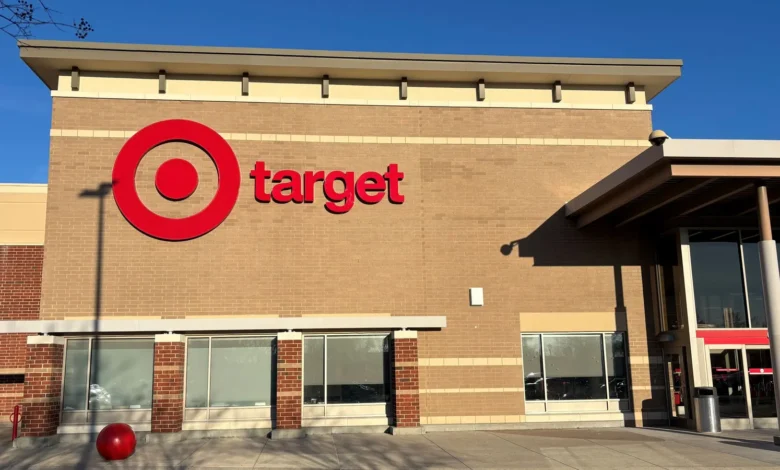
Retail giant Target is aggressively expanding its physical footprint across the United States, anchored by an ambitious, long-term strategic blueprint to launch more than 300 new stores by 2035. This massive expansion initiative reflects the company’s renewed confidence in the brick-and-mortar retail model, even as digital commerce continues to evolve. By combining large-format flagship stores in high-demand markets—such as a newly slated location in the Hamptons—with cutting-edge technology and enhanced omnichannel capabilities, Target is positioning itself for sustained market share growth over the next decade.
The strategic push into new territories and affluent, high-traffic communities highlights a broader shift in how major big-box retailers approach physical expansion. Rather than relying solely on suburban sprawl, modern retail expansion demands targeted investments in diverse geographic profiles, ranging from dense suburban corridors to high-profile seasonal and resort destinations.
Capital Investments and Financial Commitments
The decision to scale up store openings follows a period of robust financial performance and deliberate capital allocation. Last fall, Target announced a substantial capital expenditure plan, injecting an additional $1 billion into its business operations for the year. This sum sat on top of a foundational $5 billion investment dedicated to launching new retail locations, executing extensive store remodels, upgrading technological infrastructure, and funding various other capital projects.
This financial muscle has allowed Target to modernize its supply chain, integrate artificial intelligence and advanced analytics into inventory management, and refine the in-store customer experience. Adrienne Costanzo, Chief Stores Officer at Target, emphasized the transformative nature of these investments in a corporate release.
“These new stores give our teams the tools and environments to bring our merchandising strengths to life, create easier and more inspiring shopping experiences, and use technology to move smarter and faster every day,” Costanzo stated.
The physical upgrades are not limited to newly constructed buildings. Target is simultaneously executing a comprehensive modernization program, scheduling 130 store remodels alongside logistical expansions designed to bring next-day delivery capabilities to an additional 20 metropolitan areas.
Chronology of Recent Expansion Milestones
Target’s recent retail rollout is the culmination of a multi-year effort to optimize its portfolio mix and reach underserved or high-growth demographics. The timeline of recent openings illustrates a steady, calculated acceleration in the retailer’s growth trajectory:
- Early 2026: Target celebrated a major corporate milestone by opening its 2,000th store in Fuquay-Varina, North Carolina. This landmark location showcased the company’s latest store design principles, featuring an expansive open layout and a specialized food and beverage department that is roughly 30% larger than the chain’s historical average.
- May 2026: Building momentum from its milestone opening, Target announced a wave of six new store debuts spanning Arizona, Missouri, New Jersey, and North Carolina. These locations served as testing grounds for localized product curation and streamlined fulfillment operations.
- Late 2026: The announcement of upcoming locations—including a highly anticipated site in the Hamptons—signals the brand’s push into premium, high-visibility markets where space is scarce and consumer density is high during peak seasons. Seven of the eight stores launching in this seasonal wave exceed 125,000 square feet, proving that large-format shopping remains a core pillar of the company’s retail philosophy.
Strong Financial Performance Fuels Growth
The physical expansion strategy is firmly backed by stellar financial health. Target’s growth initiatives are being funded from a position of commercial strength, as evidenced by the company’s second-quarter earnings report.
During Q2, Target reported that net sales increased by 5.3% compared to the same period the previous year, reaching $26.5 billion. Concurrently, comparable sales—a vital retail metric measuring performance across established digital channels and stores open for at least 13 months—rose by 3.8%. Most impressively, Target’s net earnings surged by more than 100%, climbing to nearly $1.9 billion.
Industry analysts attribute this profitability surge to disciplined inventory management, successful merchandising strategies in high-margin categories such as beauty and hardlines, and a stabilization of supply chain costs. By channeling these earnings back into physical infrastructure and digital integration, Target is creating a self-reinforcing cycle of growth.
Operational Innovations and Store Design Evolution
Target’s newly constructed and remodeled stores diverge significantly from the traditional big-box layouts of the past two decades. Modern Target locations are engineered to serve dual purposes: they function as inviting retail showrooms for browsing shoppers and act as hyper-local fulfillment hubs for curbside pickup, same-day delivery via Shipt, and ship-from-store orders.

The modern prototype emphasizes wider aisles, better-defined departmental zones, enhanced visual merchandising displays, and integrated digital price-checking and inventory tools for store associates. Furthermore, the expansion of fresh grocery and beverage footprints in stores like the Fuquay-Varina location demonstrates Target’s intent to capture a larger share of consumers’ routine weekly shopping trips, moving beyond discretionary home goods and apparel into essential daily consumables.
Broader Industry Implications and Future Outlook
Target’s aggressive blueprint through 2035 offers a fascinating case study in modern omnichannel retail strategy. While many retail competitors continue to downsize their footprints or pivot entirely to digital-first models, Target’s leadership believes that physical stores remain indispensable assets for brand loyalty, customer acquisition, and efficient last-mile logistics.
The inclusion of premier markets like the Hamptons also indicates a willingness to experiment with localized branding and experiential retail. By establishing a physical presence in high-profile cultural hubs, Target can capture affluent consumers who might otherwise rely exclusively on boutique shopping or e-commerce delivery.
As the company works toward its goal of opening more than 300 new stores over the next decade, the primary challenge will lie in maintaining operational efficiency, managing real estate acquisition costs in competitive markets, and ensuring that each new location seamlessly integrates into the broader digital ecosystem. However, with robust earnings, strong consumer demand, and a clear executive vision, Target’s multi-billion-dollar bet on the future of physical retail appears well-positioned to reshape the American shopping landscape.