Top 12 Sprout Social Alternatives for Enterprise and Mid-Market Marketing Teams in 2026


The global social media management software market has expanded into a $33.46 billion industry, driven by the increasing necessity for brands to maintain a cohesive digital presence across fragmented platforms. As corporations and agencies scale their operations, many are re-evaluating their reliance on Sprout Social. While the platform remains a staple for many, common friction points—specifically its per-seat pricing model, the placement of social listening tools behind premium paywalls, and gaps in enterprise-level governance—have prompted a surge in market migration. With social media advertising spend projected to reach $338.75 billion globally by the end of 2026, marketing leaders are under intense pressure to optimize their tech stacks for both performance and fiscal efficiency.

The Shift Toward Scalable Social Infrastructure
The current market landscape is characterized by a move away from "one-size-fits-all" solutions. Organizations are now prioritizing platforms that offer granular control over multi-brand governance, AI-driven orchestration, and deep integration with existing CRM ecosystems. For enterprise teams, the primary concern is no longer just scheduling; it is the ability to maintain compliance, secure brand assets, and derive actionable intelligence from massive data streams.

The evaluation of a social management platform in 2026 requires a rigorous assessment of three core pillars: administrative governance, analytical depth, and integration interoperability. When a team’s monthly expenditure on seat licenses begins to outpace the measurable return on investment (ROI) provided by the platform’s core features, the threshold for switching providers is typically crossed.
Strategic Categorization of Market Alternatives
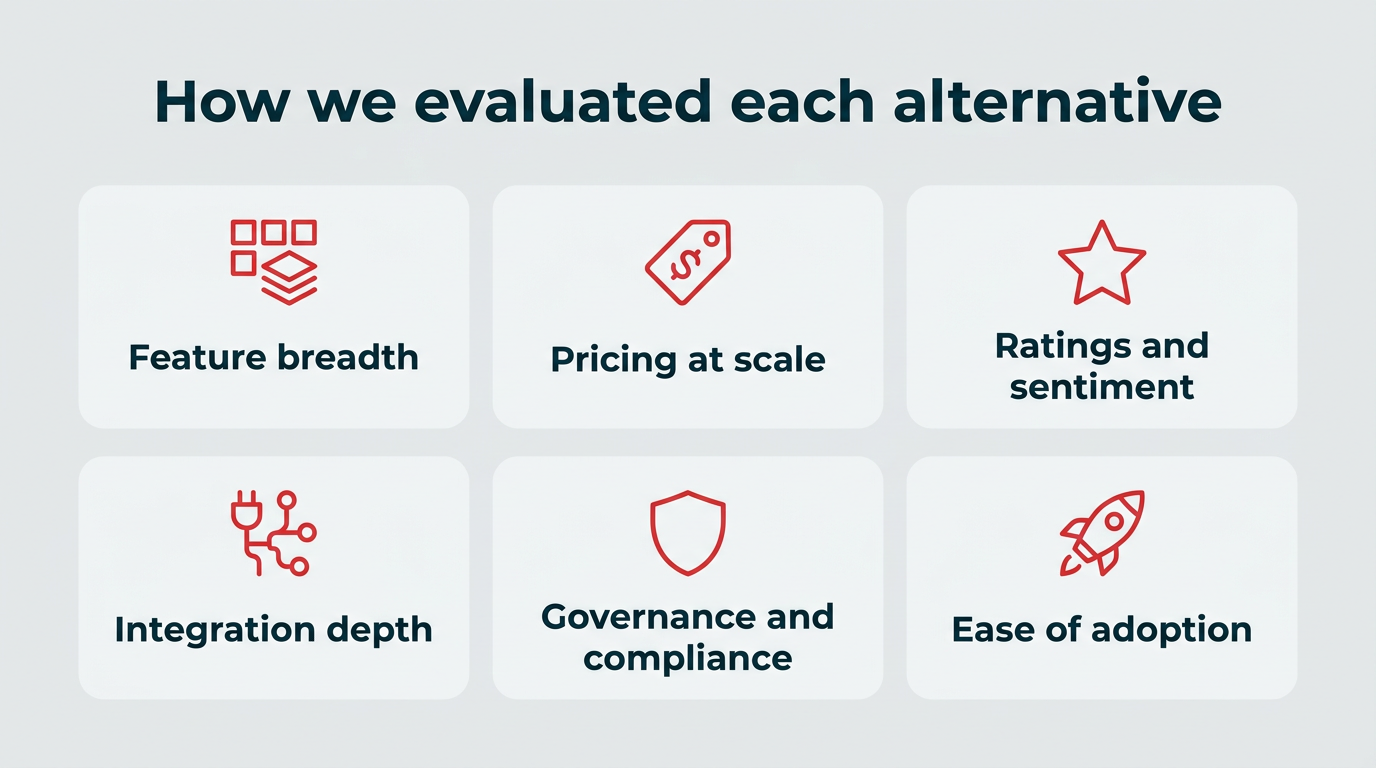
For the purpose of this analysis, we have categorized the leading alternatives into three distinct tiers: Enterprise-Grade Platforms, Mid-Market Solutions, and Specialist Tools for small teams or niche requirements.
Enterprise-Grade Platforms: Scaling with Governance
At the enterprise level, the conversation centers on security, workflow automation, and the ability to manage complex, global brand portfolios.
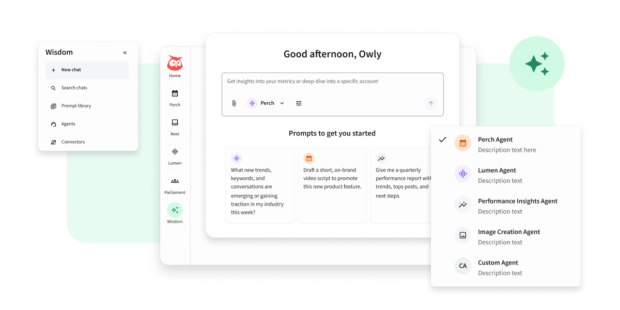
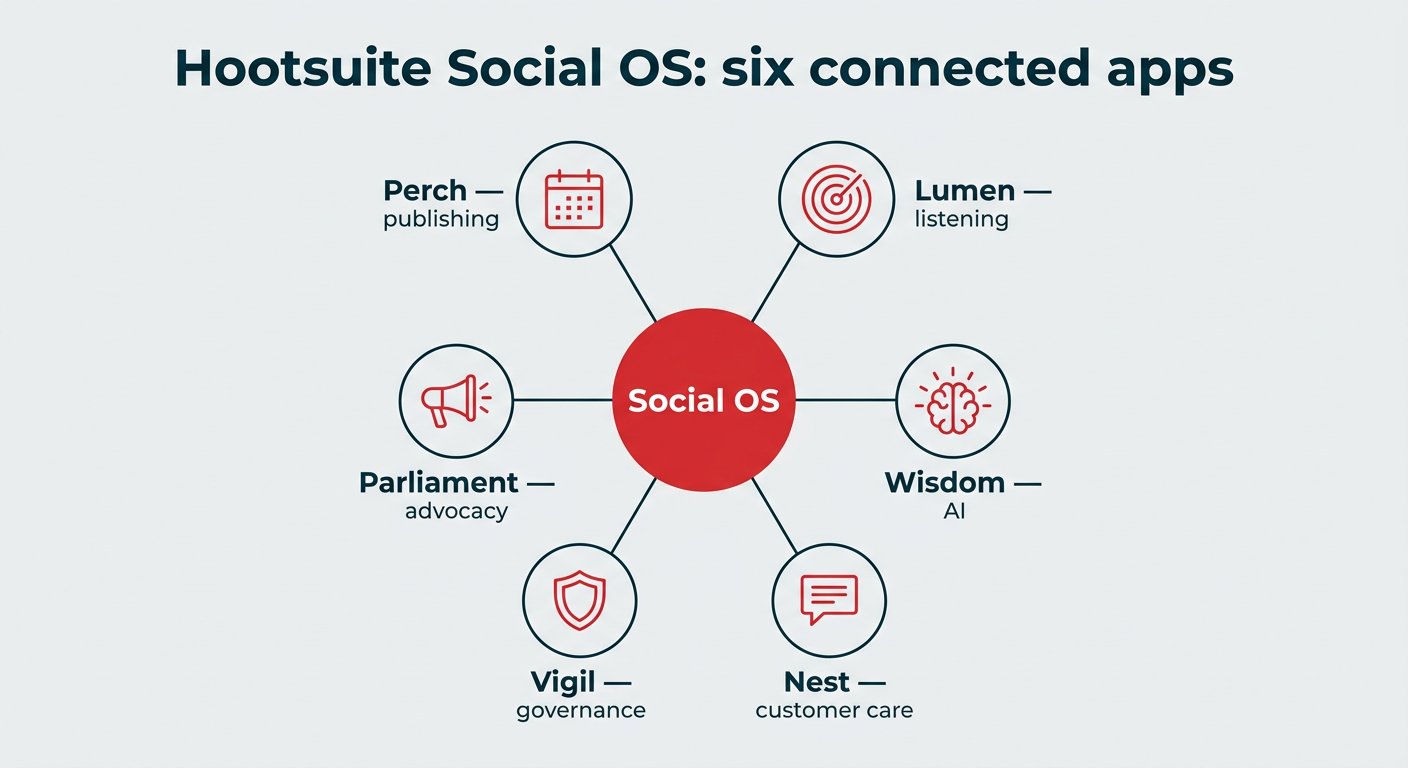
Hootsuite has emerged as a leader in this segment by repositioning its offering as a "Social OS." By integrating disparate functions—publishing (Perch), social listening (Lumen), customer care (Nest), AI orchestration (Wisdom), and governance (Vigil)—into a single ecosystem, Hootsuite addresses the data silos that plague larger organizations. Its competitive advantage lies in its ability to offer enterprise-grade compliance tools, which are critical for sectors like financial services and healthcare, at a price point often lower than the per-seat model employed by competitors.
Sprinklr continues to hold its ground for massive, multinational organizations. Its unified Customer Experience Management (CXM) platform is built for complexity, covering over 30 channels. While the implementation cycle is longer and more resource-intensive, the platform’s capacity to consolidate customer care, marketing, and sales data is unmatched for brands operating at a global scale.
For organizations where research and insights are the primary drivers of social strategy, Brandwatch remains the industry standard. Its consumer intelligence engine provides deep, qualitative data that informs long-term brand health. While it may lack the rapid-response publishing capabilities of a dedicated management tool, it is the preferred choice for research teams that prioritize listening depth over execution speed.

Mid-Market and Agility-Focused Solutions
Mid-market organizations often require a balance between simplicity and power. Agorapulse has gained significant market share by focusing on a "clean" user experience. Its unified social inbox and built-in ROI tracking cater specifically to teams that need to demonstrate value to stakeholders without navigating the complex dashboards of enterprise suites.

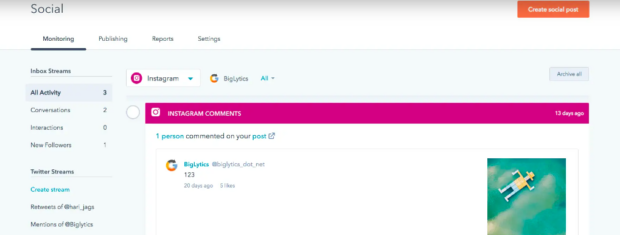
HubSpot, conversely, represents the best option for teams already deeply entrenched in the HubSpot ecosystem. By treating social media as a component of the broader CRM rather than a standalone silo, HubSpot allows for direct attribution between social engagement and lead conversion. However, for those not using the broader Marketing Hub, the cost-to-feature ratio may be difficult to justify.
Khoros and Emplifi fill the gap for specialized needs. Khoros is particularly adept at community management and compliance-heavy environments, while Emplifi has carved out a niche in the e-commerce sector by bridging the gap between social engagement and retail revenue.

Specialized Tools for Creators and Small Teams
For smaller teams, agencies, and individual creators, the market is defined by affordability and specific feature-sets. SocialBee excels in content recycling and category-based scheduling, making it highly efficient for brands that maintain a high volume of evergreen content. Sendible remains the premier choice for agencies, offering white-label reporting and multi-client management at a price point that makes scaling a portfolio of clients financially viable. Later, with its focus on visual planning, continues to dominate the Instagram-first creator economy.
Comparative Cost Analysis and Market Implications
The economic divergence between these platforms is significant. A standard enterprise-grade seat on Sprout Social, priced at $199 per month when billed annually, can quickly escalate into a multi-thousand-dollar monthly overhead for a team of ten. In contrast, alternatives like Hootsuite offer starting points at $99 per user, and platforms like Buffer provide entry-level access at $6 per channel.
This price disparity is not merely a reflection of features; it is a reflection of business model strategy. The move toward "per-user" or "per-channel" pricing is forcing companies to be more intentional about their tool selection. The trend suggests that as we move through 2026, the "best" tool will be defined less by its total feature count and more by its ability to integrate into existing workflows without creating redundant costs.
Technological Evolution and Future-Proofing

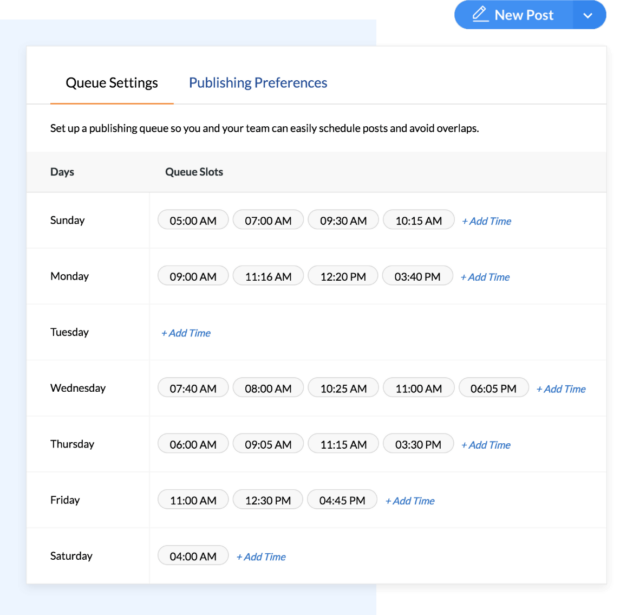
Looking ahead, the integration of generative AI into these platforms is no longer a "nice-to-have" but a baseline expectation. The leading platforms are moving beyond simple post-generation; they are now utilizing AI to predict the best times to post, synthesize customer sentiment from millions of data points, and automate the approval process to ensure brand safety.
For decision-makers, the advice remains consistent: define your "must-have" features—whether that is compliance-grade auditing, multi-client agency reporting, or deep CRM integration—and audit your actual usage data before signing a long-term contract.

The industry-wide move away from legacy enterprise platforms indicates that companies are no longer willing to pay for unused complexity. The next phase of social media management will be defined by "connected systems"—platforms that share data, context, and intelligence across the entire customer journey, rather than acting as isolated hubs for content distribution. As the market reaches this level of maturity, the winners will be those who provide the most seamless bridge between social conversation and tangible business outcomes.
Related posts: