A Comprehensive Guide to Mastering Google Ads Video Ad Sequence Campaigns and Maximizing YouTube Engagement


In the rapidly evolving landscape of digital marketing, capturing and holding consumer attention remains one of the most significant challenges for brand strategists. While standard YouTube advertising formats excel at driving broad impressions or immediate conversions, they often lack the narrative depth required to guide a consumer through a structured psychological journey. To bridge this gap, Google Ads offers video ad sequence campaigns—a powerful yet frequently underutilized tool designed to serve multiple video clips in a precise, predetermined chronological order to individual viewers.
As digital advertisers continuously seek innovative ways to improve ad recall and campaign efficiency, understanding the mechanics, setup protocols, and strategic implications of video sequencing has become increasingly vital. This comprehensive guide explores the structural framework of Google’s ad sequences, technical setup requirements, practical application examples, and performance metrics necessary for modern media buyers.
Understanding the Mechanics of Video Ad Sequences
Unlike standard YouTube campaign types that distribute multiple videos dynamically or independently, sequence campaigns enforce a strict narrative path. While other formats may utilize various assets within a single ad group, only sequence campaigns guarantee that Viewer A sees Video 1 before Video 2, and subsequently Video 3, according to a customized blueprint.
Google provides six distinct sequence-campaign templates, each engineered to serve a unique marketing objective—ranging from building initial brand awareness to driving deep consideration and closing conversions. By controlling the order of exposure, advertisers can effectively tell a serialized story, gradually educating the consumer about a product’s value proposition, overcoming hesitations, and ultimately presenting a timely call-to-action (CTA).
Step-by-Step Technical Campaign Setup

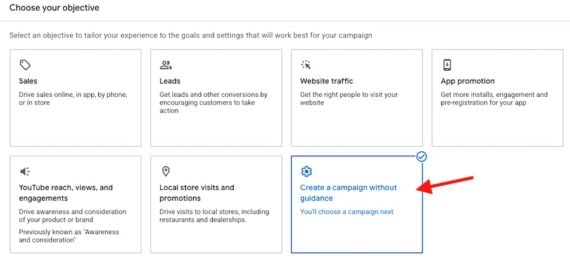
Building a video ad sequence campaign requires navigating specific navigational paths within the Google Ads administrative interface. Standard automated setup paths or objectives aimed strictly at generalized reach, views, and engagements will often bypass the necessary sequence configurations.
To initiate a sequence campaign correctly, media buyers must begin by selecting the "Create a campaign without guidance" option. Following this selection, the advertiser must choose the "Video" campaign type rather than Display, Search, or Performance Max. Once the video campaign environment is established, the specific "Ad sequence" campaign subtype becomes available.
Campaign settings within this mode enforce strict structural parameters. Advertisers utilizing video sequences are restricted to "Target CPM" (Cost Per Mille) bidding, aligning the pricing model with the objective of maximizing controlled impressions. Furthermore, frequency capping is a mandatory requirement to regulate how often an individual user is exposed to the entire sequence. Advertisers can configure these limits to restrict exposure to once every 7 days or once every 30 days, preventing ad fatigue and ensuring efficient budget allocation.
Structuring Ad Groups and Step Transitions
Within a Google Ads video sequence campaign, each individual step corresponds to a dedicated ad group. For instance, a four-step sequence will comprise four distinct ad groups, with each group housing its own targeting parameters, bids, and video creative assets.
For videos positioned at step two and beyond, advertisers must establish precise step transitions based on user interactions with the preceding video. Google provides three distinct transition triggers: "impression," "view," and "skip."
- Impression: The subsequent video triggers simply because the viewer was served the previous video, regardless of whether they watched or skipped it.
- View: The subsequent video triggers only if the user watched a qualifying portion of the preceding video (typically 30 seconds or to the end, whichever comes first).
- Skip: The subsequent video triggers specifically because the user chose to skip the previous video, allowing advertisers to pivot their messaging and try a different angle for disinterested viewers.
By customizing these step transitions, media buyers can construct sophisticated narrative branches. For example, if a viewer watches the entire introductory video, they may be served a deeper technical demonstration. Conversely, if a viewer skips the introduction, the system can route them to a shorter, high-impact brand reinforcement clip.
Asset Optimization and the Role of AI Tools
Maintaining high production value across multiple sequential videos can strain marketing budgets and production timelines. To mitigate this, digital marketers frequently leverage Google’s Asset Studio, particularly its "Trim videos" functionality.
This tool allows creators to take a master promotional asset—such as a comprehensive product demonstration—and slice it into shorter, digestible segments tailored for different stages of the sequence. Asset Studio supports a wide variety of video formats and durations, streamlining the editing process directly within the advertising platform. While Asset Studio also offers artificial intelligence (AI) video generation capabilities, experienced media buyers often advise caution, recommending that AI-generated clips be used sparingly rather than consecutively to maintain brand authenticity and emotional resonance.
Practical Application: A Case Study in Robotic Lawn Care
To understand how a video ad sequence operates in a real-world scenario, consider the strategy for Yarbo, a hypothetical or representative manufacturer of advanced robotic lawn mowers. The marketing team aims to deploy an "Introduce and reinforce" sequence using a single comprehensive product demonstration video.
The team begins by utilizing video editing tools to divide the master demo into two distinct parts:
- Step One (Introduction): The first video focuses on time-saving benefits, featuring a headline such as "Save Time." The accompanying CTA is set to "Learn more," directing traffic to the company’s main website. At this stage, the primary objective is broad awareness and initial product education.
- Step Two (Reinforcement): For viewers who progress past the first step, the second video introduces a promotional angle with a headline reading "Labor Day Sale." The CTA changes dynamically to "Buy now," linking directly to the primary product purchase page.
To maximize performance, the Yarbo team can continuously test alternative headlines, thumbnail images, and landing page destinations across the ad groups. Alternatively, the same master demo could be repurposed into four distinct 15-second "Engage and differentiate" clips, each highlighting a unique feature—such as modular attachments, winter snow-blowing capabilities, smartphone app integration, and safety sensors—delivered in a strict sequential order to build a comprehensive case for the product.

Interpreting Performance Metrics and Optimizing Results
Because the primary objective of a video ad sequence campaign is demand generation, brand awareness, and consumer engagement rather than immediate last-click conversions, traditional performance metrics must be interpreted through a specialized lens.
Google Ads provides key performance indicators specifically tailored for sequential storytelling:
- Sequence Completion Rate: Measures the percentage of users who started the sequence and successfully viewed the final video asset.
- Drop-off Rates Between Steps: Identifies precisely where in the narrative consumers lose interest, allowing media buyers to optimize or shorten underperforming clips.
- View-Through Rates (VTR) and Cost-Per-View (CPV): Evaluate the efficiency and engagement level of individual ad groups within the sequence.
While downstream metrics such as click-through rates (CTR) and overall website conversions remain important secondary indicators, the health of a sequence campaign is fundamentally determined by audience retention. For instance, if analytics reveal that only 10% of viewers watch a specific video to 100% completion, media buyers recognize an immediate need to re-evaluate the creative pacing, messaging clarity, or placement of that specific step.
Broader Industry Implications and Future Outlook
The continued refinement of video ad sequence campaigns reflects a broader industry shift toward narrative-driven digital advertising. As consumers become increasingly adept at tuning out generic, single-impression advertisements, brands are forced to adopt more sophisticated, television-like storytelling techniques within digital ecosystems.
By combining the precision of programmatic audience targeting with the structural discipline of serialized storytelling, Google Ads video sequences offer brands a robust mechanism to shepherd consumers from casual observers into highly engaged prospects. As privacy regulations continue to alter traditional tracking methodologies, first-party engagement metrics derived from controlled ad environments like YouTube will likely play an even more critical role in the strategic planning of enterprise marketing departments worldwide.
Related posts: