Google Ads Unveils Video Campaign Groups to Streamline YouTube Reach and Frequency Optimization

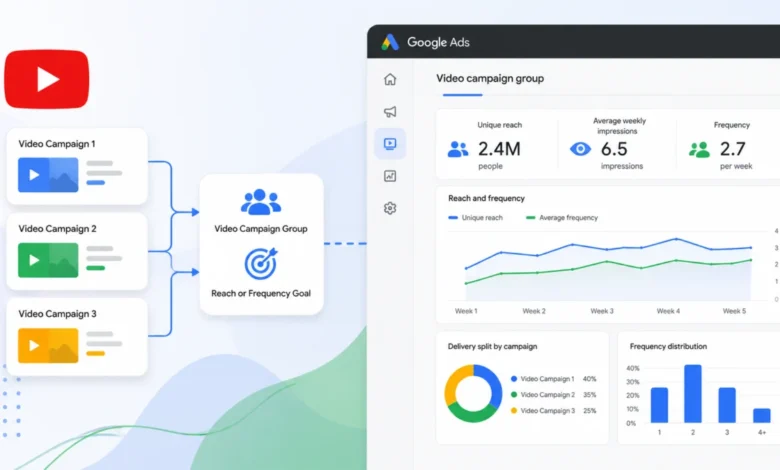
Google Ads has officially rolled out a significant enhancement for video advertising campaigns: Video Campaign Groups. This new feature is designed to empower advertisers with a more unified and efficient approach to managing YouTube reach and frequency campaigns, allowing for better coordination of ad delivery across multiple campaigns while aiming for a shared audience engagement goal. The introduction of this functionality signifies Google’s ongoing commitment to providing advertisers with sophisticated tools to navigate the complexities of modern digital advertising, particularly within the expansive landscape of YouTube.
The primary objective behind Video Campaign Groups is to simplify the intricate process of campaign management. Traditionally, advertisers have had to meticulously monitor and adjust individual campaigns to achieve desired reach and frequency targets. This often led to a fragmented approach, increasing the potential for inefficient ad spend and suboptimal audience exposure. By enabling advertisers to group multiple video campaigns under a single, overarching reach or frequency objective, Google Ads aims to streamline this process, ultimately helping advertisers maximize their audience reach and, crucially, avoid the pitfalls of overexposure, which can lead to ad fatigue and diminished campaign effectiveness.
Key Features and Functionality
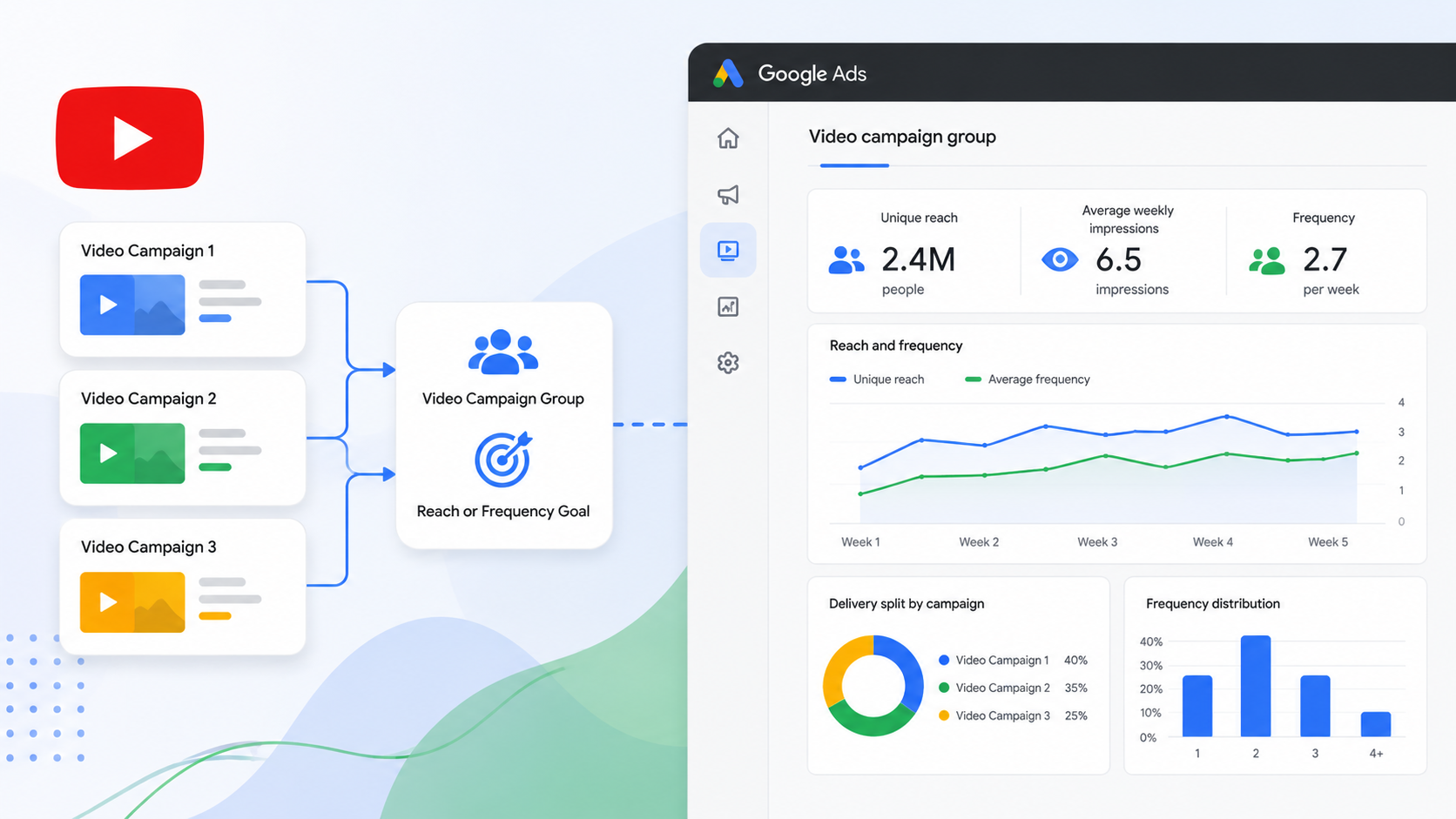
Video Campaign Groups are now available globally within the Google Ads platform, marking a significant step forward for advertisers utilizing YouTube for their video marketing efforts. The core innovation lies in the ability to consolidate several video campaigns under a singular reach or frequency target. This doesn’t mean a loss of granular control; advertisers can still maintain campaign-level settings, including individual budgets, creative assets, and other specific configurations. This flexibility ensures that while the overarching goal is unified, the tactical execution can remain tailored to the unique objectives of each constituent campaign.
A notable benefit of this new feature is the introduction of unified reporting. This consolidated view provides advertisers with a comprehensive overview of their performance across all grouped campaigns, offering greater visibility into key metrics. While the original announcement did not explicitly list the metrics included in this unified reporting, it is logical to infer that it would encompass crucial data points such as:
- Total Unique Reach: The number of distinct individuals who have seen an ad from at least one of the campaigns within the group.
- Total Impressions: The aggregate number of times ads from the grouped campaigns have been displayed.
- Average Frequency: The average number of times an individual within the target audience has been exposed to an ad from the grouped campaigns.
- Cost Per Unique Reach (CPUR): The cost incurred to reach one unique individual.
- Return on Investment (ROI) across grouped campaigns: A measure of the profitability of the combined advertising efforts.
This unified reporting capability is a critical component of the feature, transforming how advertisers analyze and interpret their campaign performance. Instead of sifting through data from numerous individual campaigns, advertisers can now access a holistic picture, enabling more informed strategic decisions.
The Strategic Imperative: Optimizing Reach and Frequency
The concept of reach and frequency has long been a cornerstone of advertising strategy, particularly in building brand awareness and driving consideration. Reach refers to the breadth of the audience exposed to an advertisement, while frequency denotes how many times an average person in that audience sees the ad. Striking the right balance is paramount. Too little frequency, and the message may not resonate or be remembered. Too much frequency, and the audience can become desensitized or even annoyed, leading to negative brand perception and wasted ad spend.
Google’s own research underscores the importance of finding this optimal balance. A Meridian marketing mix modeling (MMM) study, referenced in the announcement, revealed that an optimal frequency of 2.7 impressions per week resulted in a significant 19% increase in ROI. This data point highlights the tangible financial benefits of a well-managed frequency strategy and provides a quantitative basis for the development of Video Campaign Groups. By allowing advertisers to set and manage a shared frequency target, Google Ads is providing a tool that can directly contribute to improved campaign efficiency and profitability.
Simplifying Complexity for Advertisers
For years, the management of reach and frequency across multiple YouTube video campaigns has been a labor-intensive endeavor. Advertisers and their agencies have had to dedicate considerable time and resources to manually monitoring performance, cross-referencing data, and making adjustments on a campaign-by-campaign basis. This process was not only inefficient but also prone to human error, making it challenging to achieve precise control over audience exposure.
Video Campaign Groups aim to fundamentally alter this paradigm. By centralizing optimization and reporting, the feature empowers advertisers to exert more effective control over audience exposure. This is achieved without sacrificing the ability to maintain distinct campaign-level strategies, including tailored budgets for specific creative executions or audience segments, and the flexibility to deploy a variety of creative assets. This dual benefit – centralized optimization with decentralized control – is a key differentiator of the new feature.
For brands that invest heavily in large-scale awareness campaigns on YouTube, this enhancement is particularly valuable. It promises to improve media efficiency by minimizing unnecessary overlap in ad delivery across different campaigns targeting similar audiences. By ensuring that the same user isn’t bombarded with the same ad multiple times from different campaigns within the group, advertisers can maximize their unique reach and ensure their message is seen by a broader, more diverse audience segment, thereby amplifying the overall impact of their advertising investment.
Google’s Evolving Approach to Campaign Management
This launch is indicative of Google’s broader strategy to develop and deploy sophisticated cross-campaign optimization tools. The company is increasingly focusing on automating aspects of media planning and execution, aiming to leverage data and machine learning to drive better outcomes for advertisers. However, this automation is being introduced in a way that respects and preserves campaign-level flexibility. This approach allows advertisers to delegate some of the more tactical, repetitive optimization tasks to the platform while retaining strategic oversight and the ability to implement nuanced campaign-specific adjustments.
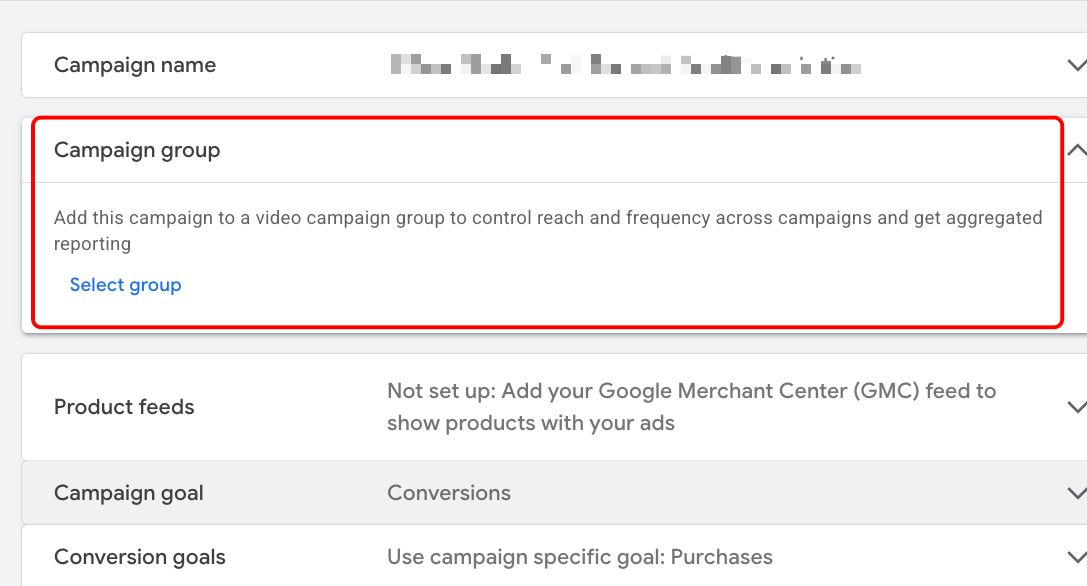
The ability to coordinate delivery across multiple campaigns means that advertisers can shift their focus from the granular mechanics of frequency balancing for each individual campaign to a higher-level strategic vision centered on overall audience engagement and campaign objectives. This not only frees up valuable time and resources but also encourages a more holistic and integrated approach to campaign planning and execution.
Furthermore, Google has confirmed that the capabilities of Video Campaign Groups will extend beyond the Google Ads platform. In the near future, the feature is slated to be integrated into Display & Video 360 (DV360). This expansion will enable advertisers to coordinate reach and frequency across multiple YouTube line items within DV360, offering a consistent and powerful optimization framework for those utilizing Google’s premium programmatic buying platform. This move signals Google’s intent to offer a unified experience for advertisers across its various advertising products.
Broader Implications for Video Advertising on YouTube
The introduction of Video Campaign Groups represents a significant step forward in the evolution of video advertising management on YouTube. It addresses a long-standing challenge for advertisers seeking to precisely control audience exposure and optimize their media spend for maximum impact. By providing a centralized platform for managing reach and frequency objectives across multiple campaigns, Google Ads is not only simplifying campaign management but also offering the potential for substantial improvements in media efficiency.
This feature is expected to be particularly beneficial for advertisers who run multiple, often overlapping, video campaigns on YouTube, such as those aiming for broad brand awareness, product launches, or event promotions. The ability to define a shared reach or frequency goal can lead to a more cohesive and effective advertising strategy, ensuring that the brand’s message is delivered to the right audience, with the right level of exposure, without unnecessary duplication or wastage.
The implications extend beyond just efficiency. Improved audience engagement and a reduction in ad fatigue can also contribute to a more positive brand perception. When audiences are exposed to ads at an optimal frequency, the message is more likely to be absorbed and remembered, leading to increased brand recall and consideration. Conversely, overexposure can lead to irritation and a negative association with the brand, undermining the very goals of the advertising campaign.
The initial spotting of this update by Paid Search Expert Arpan Banerjee, who shared a screenshot of the new feature, highlights the community-driven aspect of platform development. Such early observations by industry professionals often pave the way for broader awareness and adoption, underscoring the dynamic nature of the digital advertising ecosystem.
In conclusion, Video Campaign Groups for YouTube reach and frequency campaigns are a welcome and strategic addition to the Google Ads platform. They empower advertisers with enhanced control, simplified management, and improved reporting capabilities, all geared towards optimizing audience engagement and maximizing the return on investment for video advertising efforts on one of the world’s largest video platforms. This development is a clear indicator of Google’s ongoing commitment to refining its advertising tools to meet the evolving needs of marketers in an increasingly competitive digital landscape.