Google Unveils Streamlined Conversion Tracking Setup for Enhanced Campaign Management


Google may be streamlining one of the most error-prone parts of campaign setup – conversion tracking – by reducing the need for manual tag implementation.
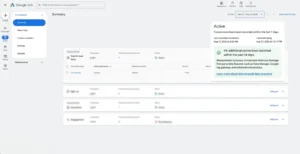
The latest development from Google Ads introduces a new "Set up in Google Tag Manager" option within its conversion setup flow, a significant move aimed at simplifying a critical but often complex aspect of digital advertising. This feature, first spotted by Google Ads Specialist Natasha Kaurra and subsequently reported by PPC News Feed, promises to reduce manual effort and minimize the potential for errors, a common pain point for advertisers of all levels.
A Shift Towards Integrated Campaign Management
Historically, setting up conversion tracking in Google Ads has involved a multi-step process. Advertisers would typically generate a conversion ID and conversion label within Google Ads and then manually implement these details into their website’s code or within a tag management system like Google Tag Manager (GTM). This manual intervention, while functional, has been a frequent source of mistakes, leading to inaccurate data, flawed campaign performance reports, and suboptimal advertising spend.
The newly tested feature directly addresses this challenge. Instead of requiring advertisers to meticulously copy and paste specific IDs and labels, the "Set up in Google Tag Manager" option allows for a more integrated approach. Upon selecting this option, advertisers will be guided to a pre-filled tag setup within their GTM container. This essentially automates the transfer of essential tracking information, creating a more seamless and less error-prone workflow.
The Technical Nuances of the New Integration
Based on the screenshots shared by Kaurra, the process appears to be intuitively designed. Users are prompted to select the relevant GTM container associated with their website. Once selected, Google Ads presents a suggested tag configuration, pre-populated with the necessary parameters for conversion tracking. This configuration is then ready to be published within GTM, effectively activating the conversion tracking mechanism for the selected GTM container.
This streamlined process offers several immediate benefits. Firstly, it significantly reduces the cognitive load on advertisers who may not be deeply technical. The need to navigate between Google Ads and GTM interfaces, locate specific fields, and ensure accurate data entry is largely eliminated. Secondly, by automating the population of tag details, the likelihood of typos or incorrect ID/label assignments is drastically reduced, thereby improving data accuracy from the outset.
Contextualizing the Importance of Conversion Tracking
Conversion tracking is the bedrock of effective digital advertising. It is the mechanism by which advertisers measure the success of their campaigns by attributing desired actions – such as purchases, sign-ups, or lead generations – back to the advertising efforts that drove them. Without accurate conversion tracking, advertisers are essentially flying blind, unable to discern which campaigns, ad groups, keywords, or creative elements are delivering the best return on investment (ROI).

The accuracy of conversion data directly influences critical decision-making processes, including:
- Budget Allocation: Understanding which channels and campaigns are driving the most valuable conversions allows for more strategic allocation of advertising budgets.
- Bid Optimization: Automated bidding strategies in platforms like Google Ads rely heavily on conversion data to adjust bids in real-time, aiming to maximize conversions within a given budget or target CPA (Cost Per Acquisition).
- Campaign Performance Analysis: Reliable conversion data provides a clear picture of campaign effectiveness, enabling advertisers to identify underperforming areas and opportunities for improvement.
- Audience Targeting: Insights from conversion data can inform the creation of more effective audience segments for retargeting and lookalike audiences.
Given its pivotal role, any enhancement that makes conversion tracking more accessible, accurate, and efficient is a significant development for the digital advertising ecosystem.
Implications for Various User Groups
This new feature is poised to benefit a wide range of advertisers, but its impact will be particularly pronounced for certain groups:
- Agencies Managing Multiple Clients: Agencies often manage numerous Google Ads accounts and GTM containers for various clients. The manual process of setting up conversion tracking for each client can be time-consuming and prone to cross-contamination of data if not handled meticulously. The direct GTM integration promises to expedite this process and reduce the risk of errors across multiple client setups.
- Teams Working Across Multiple Containers: Larger organizations may have complex website structures or use multiple GTM containers for different purposes or regions. This feature can simplify the coordination and implementation of conversion tracking across these diverse setups.
- Advertisers with Complex Tagging Strategies: For advertisers who employ sophisticated tagging strategies involving custom variables, event tracking, and advanced GTM configurations, the standardized integration with Google Ads can serve as a more robust foundation for their tracking architecture.
- Small and Medium-Sized Businesses (SMBs): For SMBs with limited technical resources, the simplified setup can remove a significant barrier to entry for accurate conversion tracking, allowing them to leverage the full power of data-driven optimization without extensive technical expertise.
A Chronology of Development and Discovery
While this feature is currently in testing, its emergence follows a broader trend of Google aiming to simplify campaign management and enhance data accuracy within its advertising platforms. The evolution of Google Tag Manager itself has been a testament to Google’s commitment to providing advertisers with more control and flexibility over their tracking implementations.
The discovery by Natasha Kaurra, a seasoned Google Ads Specialist, highlights the importance of industry professionals actively monitoring and reporting on platform updates. Her sharing of screenshots on social media and through industry channels has been instrumental in bringing this nascent feature to the wider attention of the digital marketing community. The subsequent reporting by PPC News Feed underscores the industry’s keen interest in any development that can improve campaign setup efficiency and data integrity.
The timeline of this feature’s rollout is yet to be fully defined, as it is currently in a testing phase. However, Google’s historical approach to introducing new functionalities often involves phased rollouts, starting with a subset of users before making it generally available. This allows for iterative feedback and refinement.
Supporting Data and Industry Trends
While specific data on the error rates of manual conversion tracking implementation is not publicly available from Google, anecdotal evidence and industry surveys consistently point to it being a significant challenge. A 2023 report by a leading analytics firm indicated that a substantial percentage of businesses struggle with the accuracy of their digital marketing data, with tracking implementation being a frequently cited cause.

Furthermore, the increasing complexity of digital advertising landscapes, with the proliferation of devices, channels, and data privacy regulations, makes accurate and robust conversion tracking more critical than ever. The shift towards server-side tagging and enhanced privacy controls necessitates more sophisticated, yet user-friendly, tracking solutions. Google’s move to integrate GTM more directly within its Ads platform can be seen as a response to these evolving demands, aiming to provide a more streamlined and privacy-compliant approach to data collection.
Potential Official Responses and Future Outlook
While Google has not yet issued a formal press release detailing this specific feature, its introduction aligns with Google’s ongoing efforts to empower advertisers. Such integrations are typically designed to improve user experience, drive better campaign outcomes, and encourage greater adoption of advanced tracking methodologies.
It is reasonable to infer that Google’s objective with this feature is to:
- Reduce setup friction: Making it easier for advertisers to get started with accurate tracking.
- Improve data quality: Minimizing errors that can lead to misinformed decisions.
- Promote best practices: Encouraging the use of GTM as a centralized management tool for tags.
- Drive platform adoption: Streamlining the workflow within the Google Ads ecosystem.
Looking ahead, this integration could pave the way for even more sophisticated automated setup options within Google Ads. We might see further enhancements in how Google Ads communicates with GTM, potentially enabling more dynamic and context-aware tag configurations based on campaign objectives and website architecture. The ability to push not just conversion tracking but also other relevant tags and settings directly from Google Ads into GTM could be a logical next step.
The Broader Impact on Digital Marketing
The implications of this streamlined conversion tracking setup extend beyond individual advertisers. For the digital marketing industry as a whole, it signifies a continued push towards greater automation and simplification of complex technical processes. By reducing the manual burden of conversion tracking, advertisers can redirect their time and resources towards more strategic activities, such as creative development, audience research, and campaign analysis.
This move also reinforces the importance of Google Tag Manager as a central hub for managing website tags. As more advertisers embrace GTM, its capabilities and integrations are likely to expand, further solidifying its role in the digital marketing stack.
In conclusion, Google’s testing of a direct "Set up in Google Tag Manager" option within its conversion setup flow represents a significant step forward in simplifying a crucial but often challenging aspect of campaign management. This feature promises to enhance accuracy, reduce errors, and free up valuable advertiser time, ultimately contributing to more effective and data-driven digital advertising strategies. It’s a subtle yet impactful UI change that underscores Google’s commitment to empowering advertisers with more efficient and reliable tools.
Related posts: