The Ultimate Guide to Mastering Instagram Captions for Business Growth and Brand Engagement


While Instagram remains fundamentally a visual-first platform where photos, videos, and Reels drive the initial user experience, the text accompanying these visuals plays a critical, non-negotiable role in modern digital marketing. Unlike platforms such as Facebook, LinkedIn, or X (formerly Twitter), which permit text-only status updates, Instagram demands media attachments for every standard feed post. However, industry analysts and social media strategists consistently emphasize that captions are the actual engine of conversion, relationship-building, and audience retention.
In an era where consumer attention spans are increasingly fragmented, brands face the challenge of breaking through the noise of crowded feeds. High-performing Instagram captions do far more than merely describe a photo; they provide necessary context, humanize corporate entities through storytelling, expand organic reach, and ultimately guide prospective buyers down the conversion funnel. As businesses allocate larger portions of their marketing budgets to visual social networks, understanding the mechanics of professional copywriting on Instagram has shifted from an optional creative exercise to an essential business competency.
Anatomy of an Instagram Caption: Limits and Parameters

To deploy an effective caption strategy, marketers must first master the structural boundaries imposed by the platform. On Instagram, a caption is defined as the textual accompaniment to photographs, video posts, and Reels. The platform permits captions of up to 2,200 characters, providing ample space for narrative depth, bulleted details, and keyword optimization.
These text blocks can seamlessly integrate emojis, descriptive paragraphs, and targeted hashtags. However, marketers must navigate a persistent platform limitation: clickable hyperlinks cannot be embedded directly within the body of an Instagram caption. Because URLs rendered in captions remain inert text, brands must rely on alternative routing methods, such as directing users to the designated link in their profile bio, leveraging interactive sticker links within Instagram Stories, or deploying paid advertising campaigns with designated action buttons.
Strategic Frameworks for Crafting High-Performing Captions
Writing captions that consistently generate high engagement and drive tangible business outcomes requires adherence to proven copywriting principles. Digital marketing studies indicate that simply posting imagery with generic phrases is no longer sufficient to satisfy algorithmic sorting mechanisms or consumer expectations.
Starting Strong with Thumb-Stopping Hooks
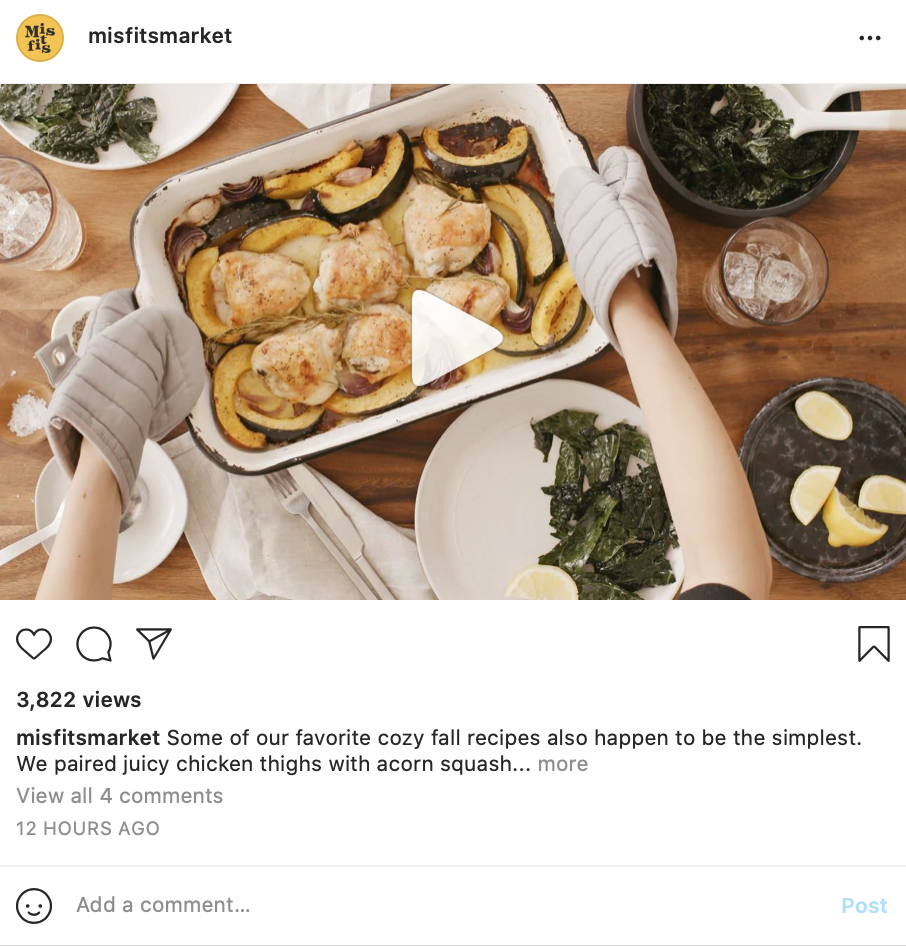
Because users consume social media feeds at a rapid pace, the opening sentence of a caption must serve as an immediate hook. Digital marketing experts refer to this as achieving a "thumb-stopping" effect. To secure this reaction, brands are advised to front-load their value proposition within the very first line of text.
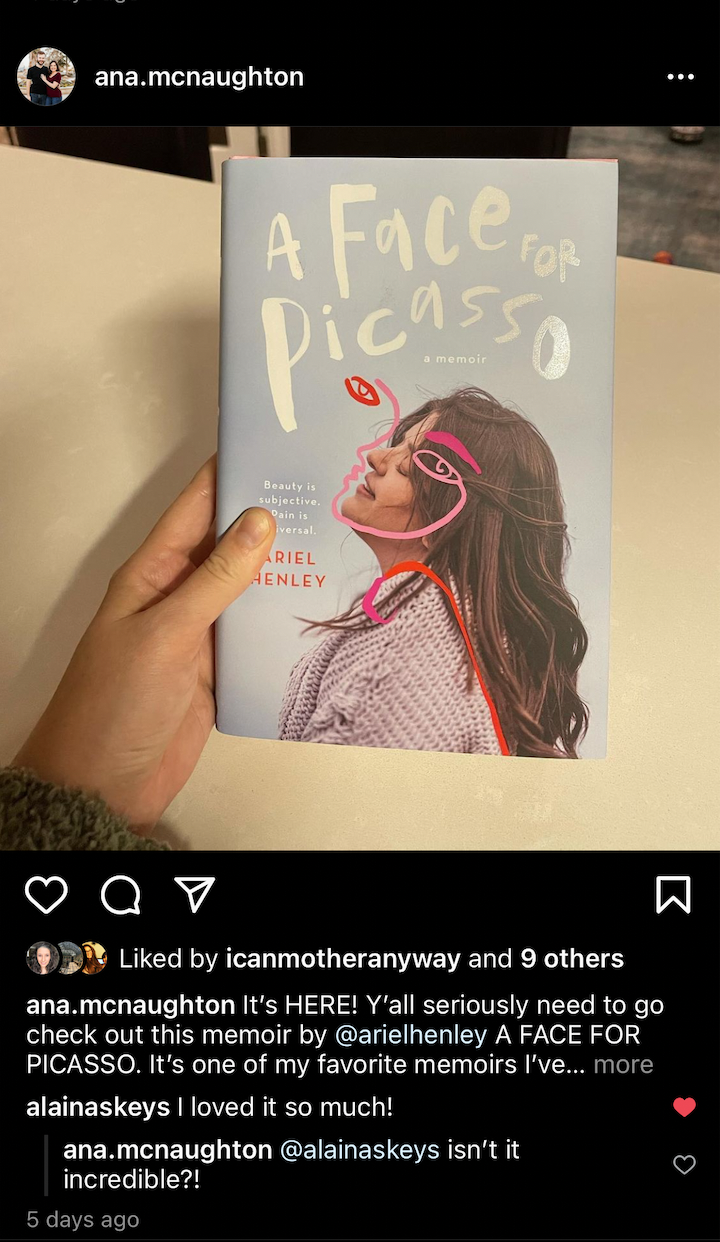
When a brand places its core offering or most compelling hook at the beginning, users are significantly more likely to click the "more" expansion link and subsequently engage with the attached call to action (CTA). For instance, consumer goods brands frequently lead seasonal product announcements with immediate lifestyle benefits rather than corporate identifiers. By addressing a timely seasonal pain point right away—such as highlighting a simple, time-saving recipe during the resource-heavy holiday cooking season—brands align their messaging with the immediate psychological state of their target audience.
Optimizing Length for Algorithmic Success
A persistent debate among social media managers centers on whether captions should be concise or expansive. While short, punchy text paired with a single emoji has long been a staple of minimalist branding, empirical data reveals a more nuanced reality.
Industry platform experiments conducted by major social media management firms, including Hootsuite, have demonstrated that medium-to-long-form captions frequently outperform extremely brief ones in overall engagement metrics. Specifically, research evaluating thousands of commercial posts indicated that captions ranging between 400 and 705 characters—roughly equivalent to a short paragraph providing genuine context or storytelling—generated significantly higher interaction rates than posts with captions under 65 characters. While brief captions maintain utility for purely aesthetic or humorous content, depth and context consistently foster stronger audience connections.
Leveraging Pop Culture and Cultural Resonance
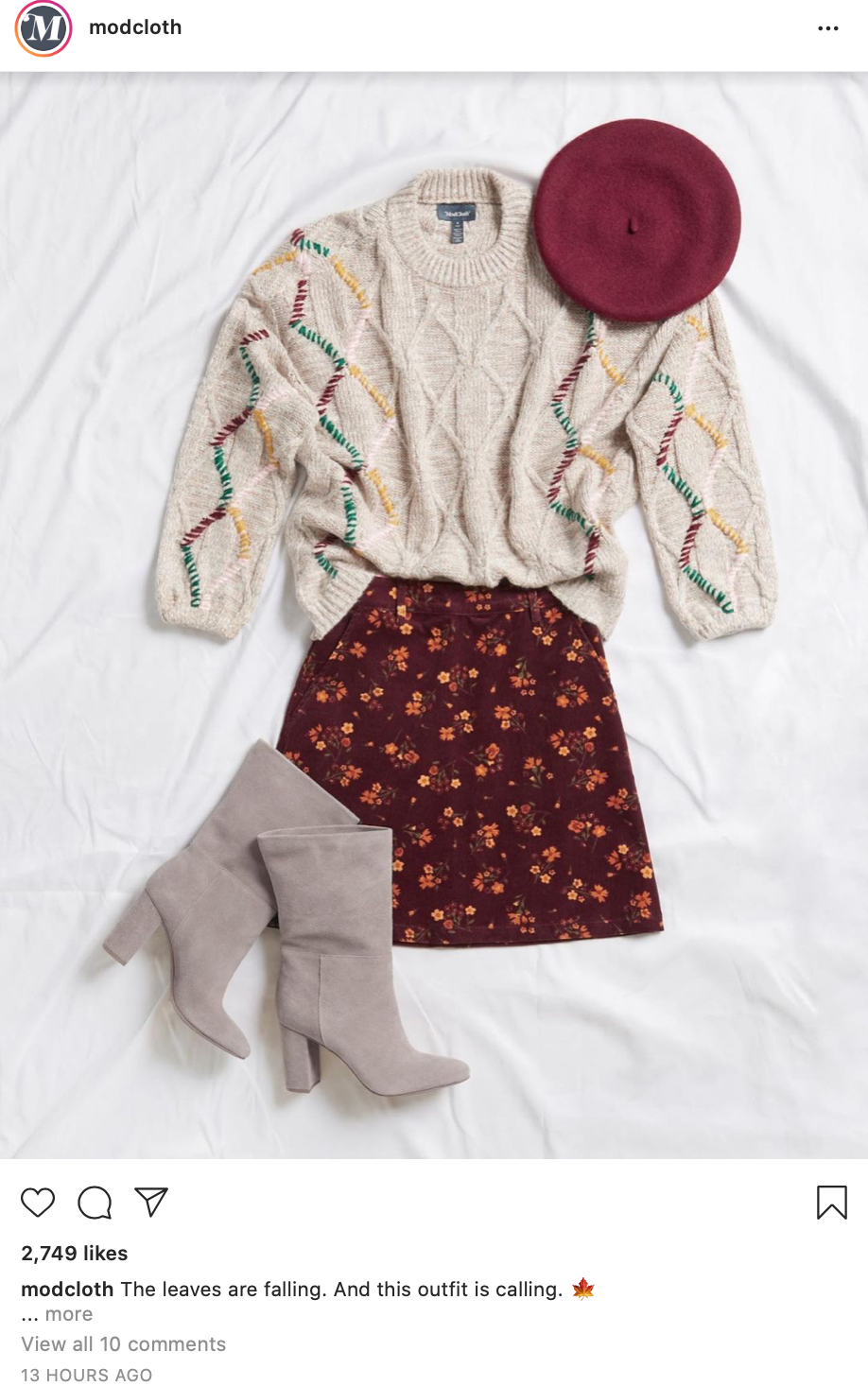
Integrating timely cultural references, widely recognized idioms, and subtle pop culture allusions represents another sophisticated tactic for driving engagement. When brands incorporate familiar phrases or seasonal touchstones into their copy, the content immediately feels more relatable, authentic, and accessible.
For example, fashion and lifestyle retailers frequently synchronize their copywriting with seasonal transitions, utilizing clever plays on words regarding falling leaves, weather shifts, or upcoming holidays. This approach transforms a standard product showcase into a participatory cultural moment, inviting followers to discuss their personal habits and preferences within the comment section.
The Strategic Deployment of Hashtags
Hashtags remain one of the most powerful organic discovery tools available within the Instagram ecosystem. While the platform permits up to 30 hashtags per post, digital marketing best practices advise against stuffing captions with excessive, irrelevant tags, as this can degrade user experience and trigger algorithmic penalties for spam-like behavior.
Instead, brands should curate a balanced, diversified mix of hashtags tailored to each specific post. A comprehensive hashtag strategy typically incorporates four distinct categories:
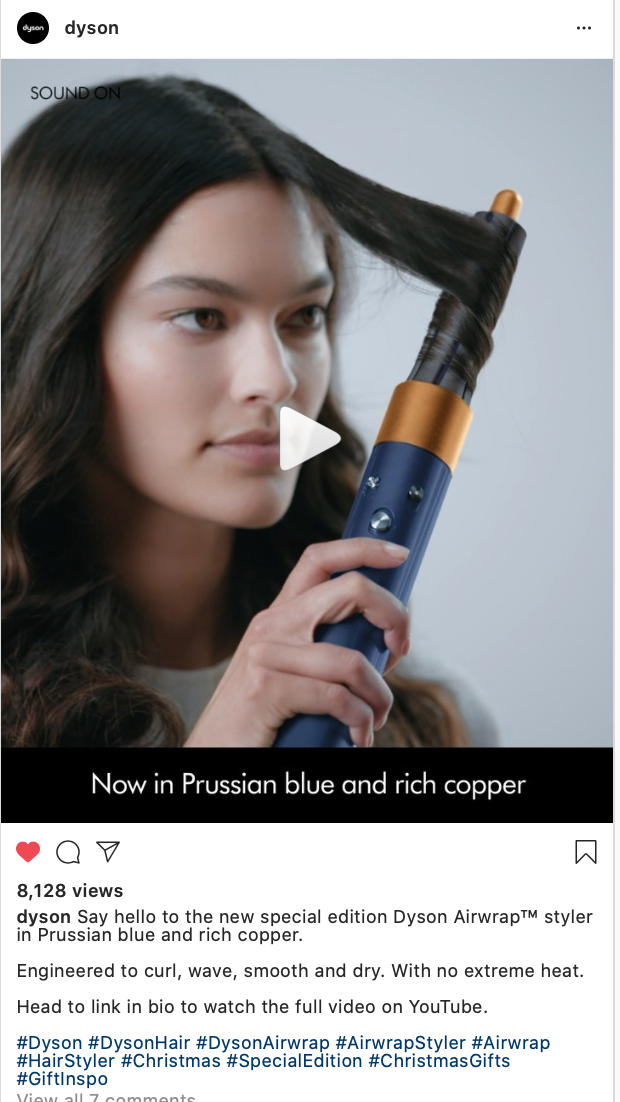
- Branded hashtags unique to the company or specific product line (e.g., #DysonHair).
- Seasonal or holiday-specific hashtags capitalizing on timely trends (e.g., #GiftInspo, #Christmas).
- Interest-based or niche hashtags targeting broader communities related to the industry.
- Location-based hashtags designed to capture local or regional foot traffic and interest.
By rotating these categories across different posts, brands maximize their surface area within various algorithmic discovery feeds without fatiguing their core followers.
Maximizing Engagement and Implementing Clear CTAs
Because direct-response hyperlinks cannot be placed within standard post captions, brands must treat audience engagement as a vital intermediary step toward ultimate conversion. Engagement metrics—such as likes, saves, shares, and comments—signal to the Instagram algorithm that a piece of content is valuable, prompting the platform to distribute the post to a wider audience through the Explore tab and home feeds.
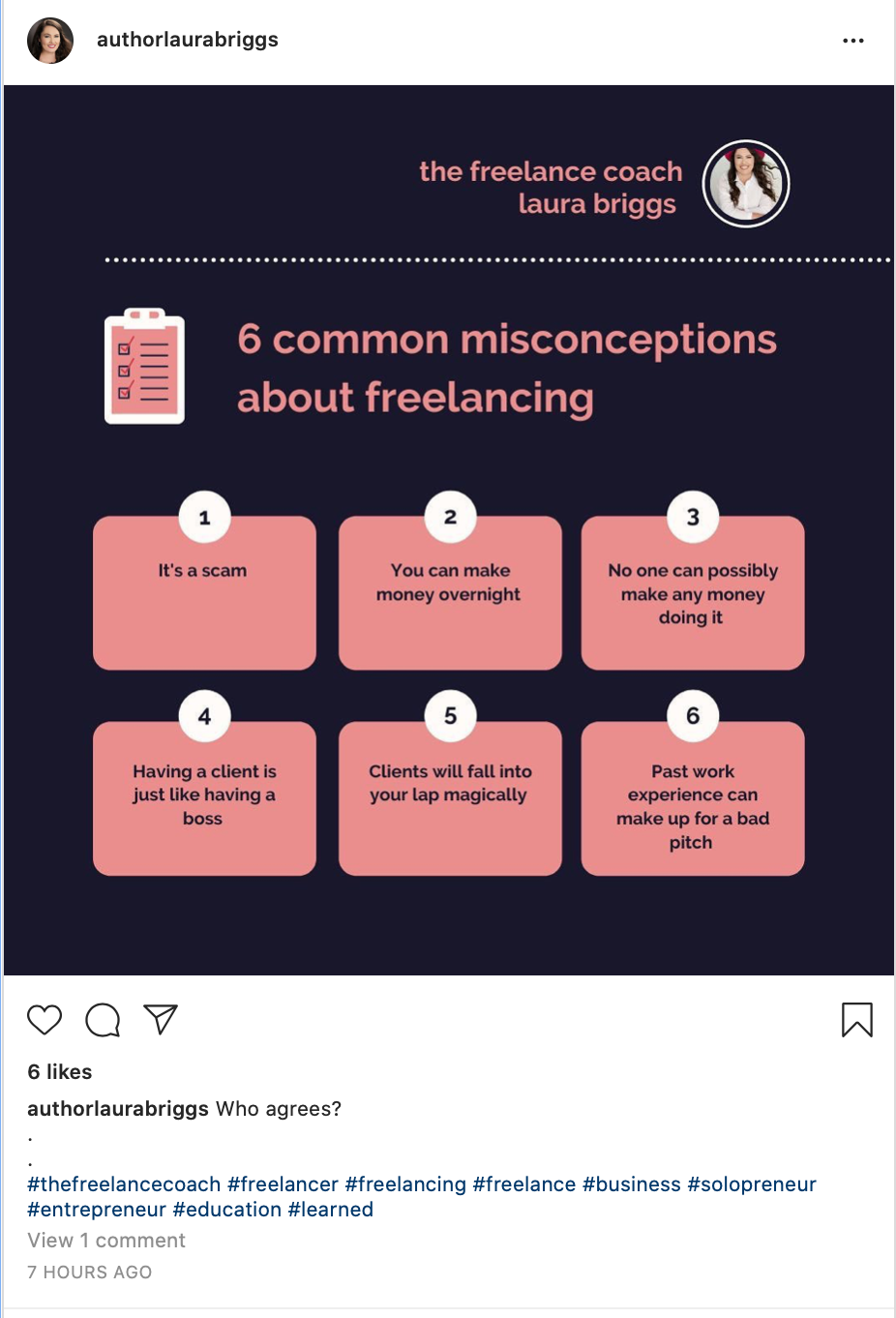
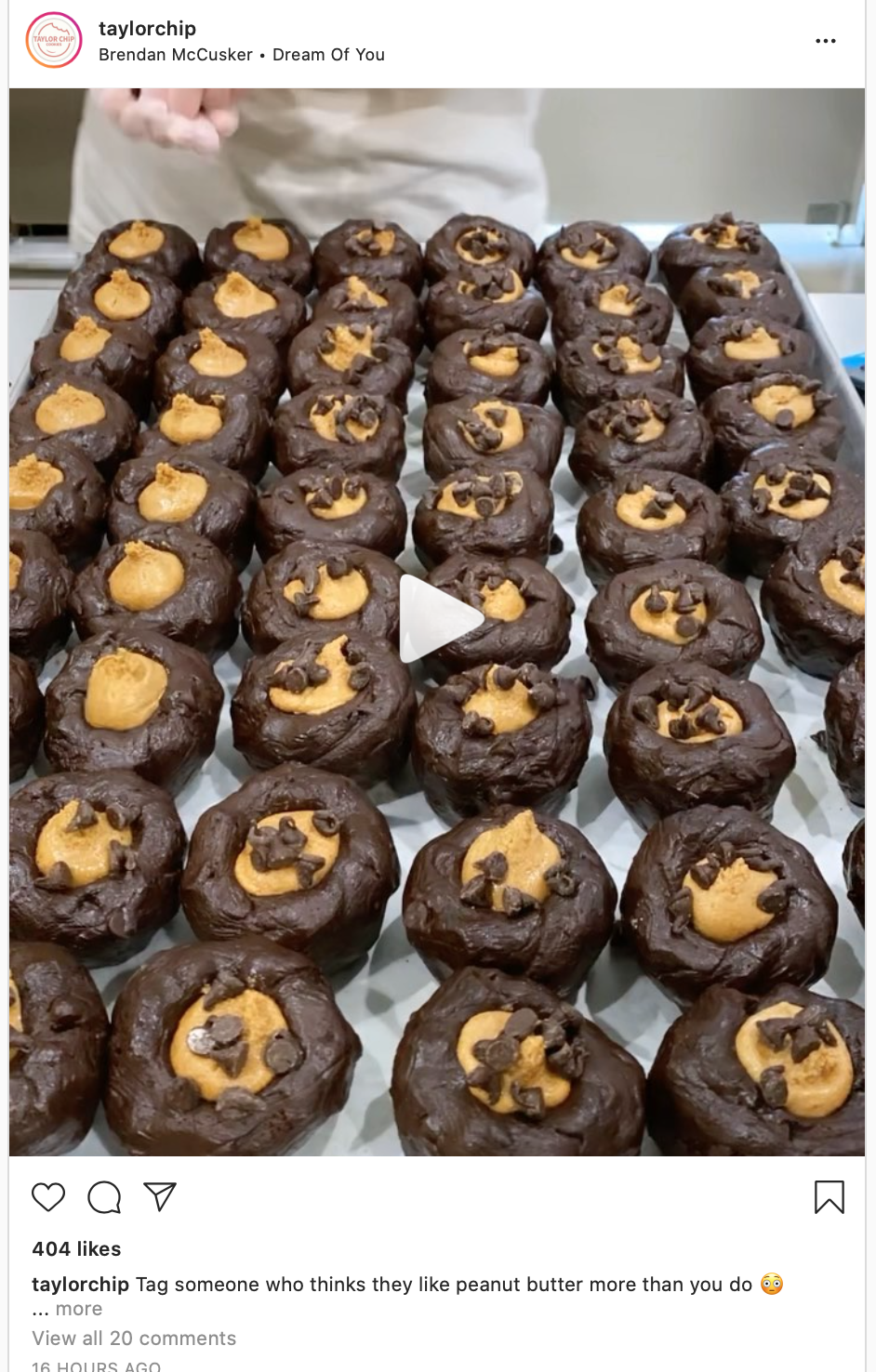
To stimulate this interaction, copywriters frequently deploy specific interactive tactics. Asking direct questions ("Who agrees?") or prompting users to tag friends in the comments section can generate rapid community discussion. For example, food and beverage brands frequently invite followers to tag individuals who possess specific flavor preferences, sparking good-natured debates in the comment threads that simultaneously amplify organic reach and drive direct product sales.
However, accumulating likes and comments is merely a stepping stone toward broader business objectives. To monetize Instagram marketing efforts, every caption should ideally feature a well-structured Call to Action (CTA). Effective CTAs move users beyond platform-bound engagement and encourage off-platform monetization actions, such as signing up for an event, booking an appointment, or purchasing a product. A successful CTA must be unambiguous, communicate a clear value proposition, establish urgency, and outline precise next steps.
Technical Tips and Formatting Best Practices
Beyond copywriting theory, the visual presentation of text on Instagram dictates readability and user retention. Because mobile screens present distinct formatting challenges, mastering technical publishing tricks is essential for professional social media management.
Paragraph Spacing and Visual Hierarchy

Large blocks of unformatted text are notoriously difficult to read on mobile devices. To combat this, professional social media managers utilize strategic white space, breaking longer captions into digestible paragraphs or separating sections using minimal punctuation symbols.
A reliable formatting template involves introducing a strong hook in the first line, inserting a blank line before elaborating on the core body text, and placing a final space before appending the designated hashtag block. To achieve clean paragraph breaks directly within the native Instagram mobile application, users simply need to utilize the return or enter key on their device’s keyboard, ensuring their drafts do not collapse into unreadable text walls upon publication.
Editing and Updating Published Content
Even the most meticulous marketing teams occasionally encounter typos, broken links, or suboptimal phrasing after a post goes live. Fortunately, Instagram provides a straightforward mechanism for post-publication corrections.

To edit an existing caption, users navigate to the specific post within the application interface, tap the three-dot icon located in the upper-right corner of the media frame, and select the "Edit" option from the resulting pop-up menu. This action unlocks the text field, permitting immediate revisions. Once the changes are saved and republished, the updated caption updates instantly across all user feeds, preserving the original engagement metrics and comments while correcting textual errors.
Typography Customization for Visual Differentiation
To stand out within extremely busy feeds, advanced marketers frequently utilize custom typography within their captions. While Instagram’s native interface supports standard text fonts, brands can implement bolding, italics, and stylized unicode alphabets to emphasize key terms or establish a distinct brand voice.
This customization is typically achieved using third-party web-based converters, such as specialized font generators, where copywriters input standard text, select a preferred aesthetic style from a drop-down menu, and copy-paste the resulting unicode characters directly into their Instagram post drafts. When used sparingly to highlight primary headings or vital calls to action, custom typography serves as an effective visual anchor for mobile scrollers.
Implications for Modern Digital Marketing Strategy
As social commerce continues to mature, the delineation between brand awareness and direct-response advertising on platforms like Instagram is increasingly blurred. While eye-catching visual media remains the primary entry point for capturing consumer attention, the strategic weight of the accompanying caption cannot be overstated.
Brands that invest in deliberate, well-structured, and algorithmically optimized copywriting position themselves to cultivate deeper audience trust, navigate platform constraints effectively, and drive measurable return on investment from their social media operations. By combining strong narrative hooks, precise character optimization, strategic hashtag diversification, and unambiguous calls to action, businesses transform their Instagram presence from a static digital gallery into a dynamic, conversion-oriented marketing channel.