Website Marketing in 2026: Navigating the New Era of AI-Driven Discovery and Trust

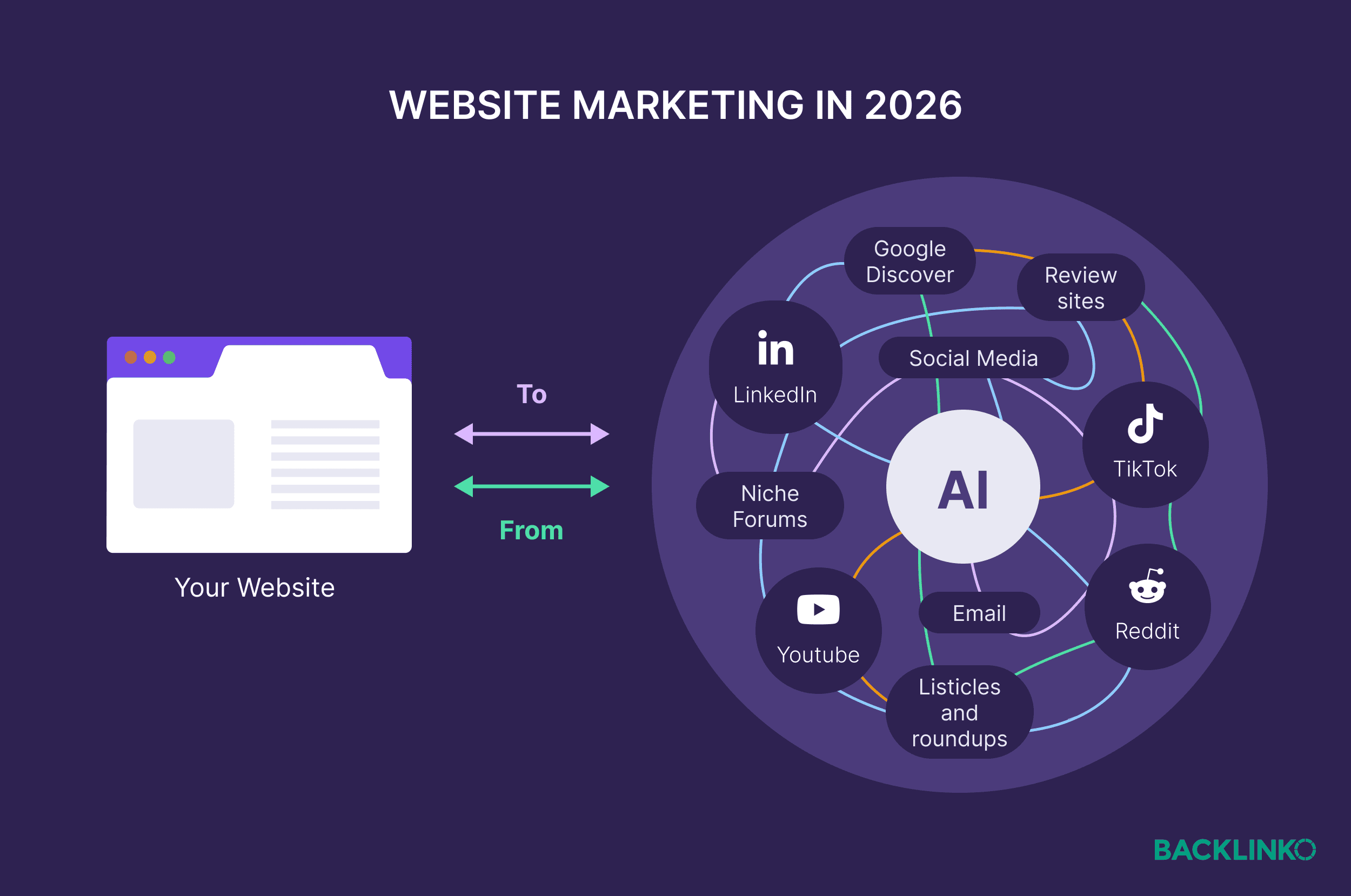
The landscape of digital marketing has undergone a fundamental transformation by 2026, rendering traditional, site-centric strategies increasingly ineffective. For over a decade, marketing was defined by a linear funnel: promote a website, attract traffic, and convert visitors into customers. Today, that model is obsolete. The modern customer journey is fragmented, beginning long before a user ever lands on a brand’s homepage. Prospective buyers are now conducting their due diligence through AI-powered search engines, decentralized social media platforms, and community-driven forums like Reddit. Consequently, a company’s website is no longer the starting point of the journey; it is merely the destination, and whether a visitor arrives there with trust or skepticism is determined entirely by their experiences elsewhere.
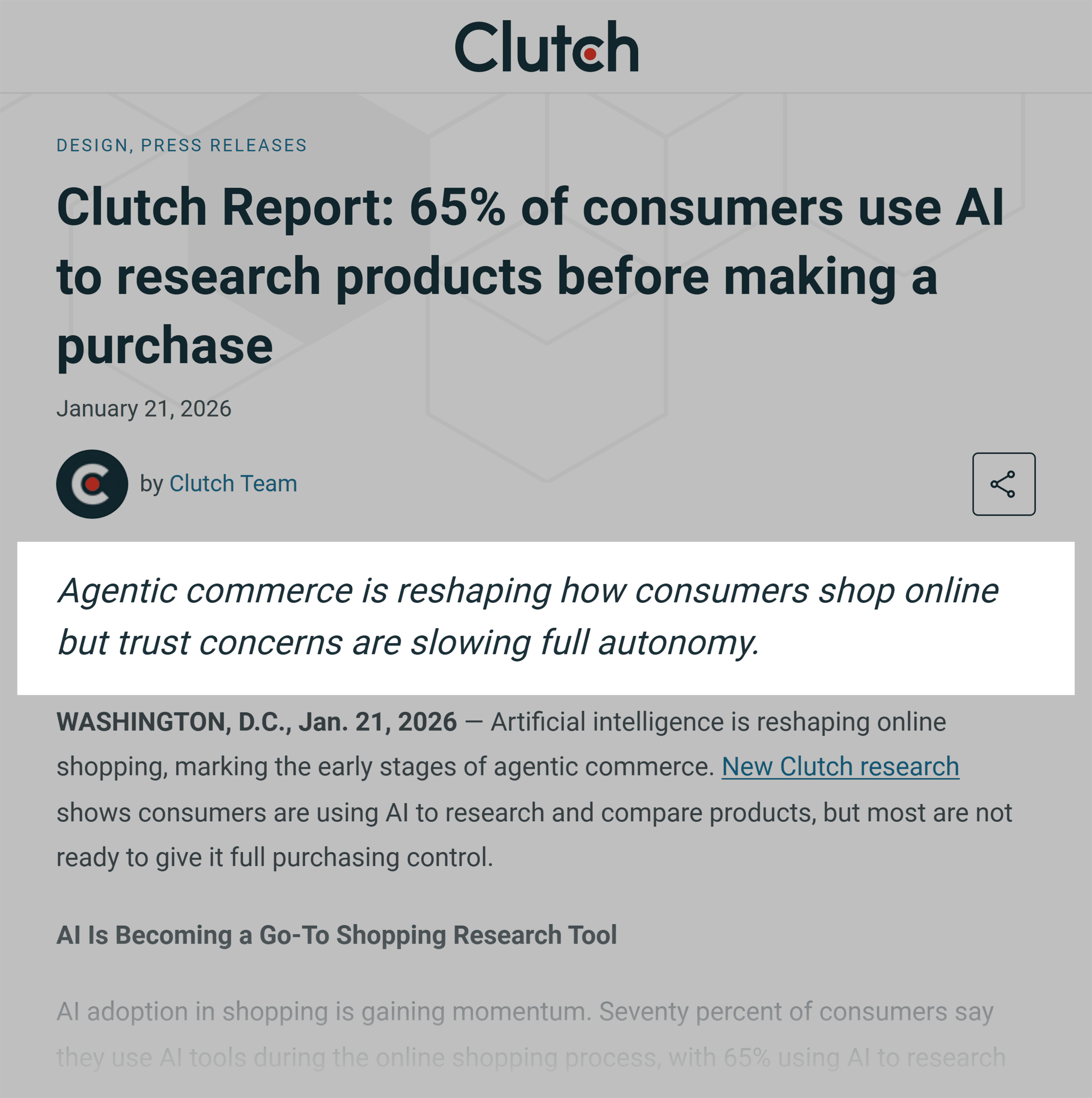
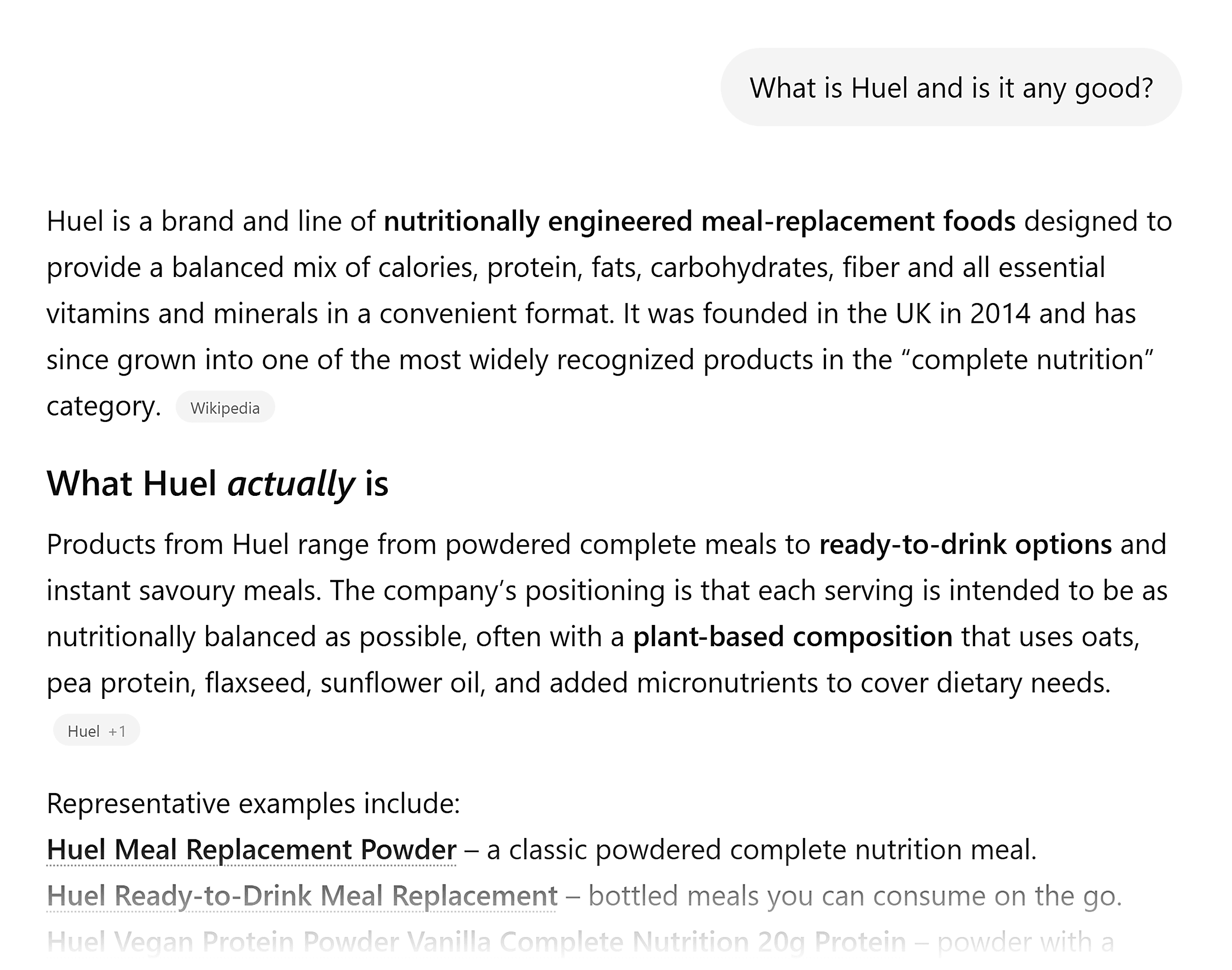
According to recent data from Clutch Research, over 65% of consumers now utilize artificial intelligence tools to research products before making a purchase. This shift implies that by the time a user clicks through to a brand’s official site, they have already been influenced by AI-generated summaries and peer-reviewed social sentiment. If a business lacks visibility and credibility in these pre-funnel environments, the website itself becomes irrelevant, as the customer has already formed an opinion—or worse, a bias—against the brand.
The Shift Toward AI and Human-Centric Credibility
The primary challenge for marketers in 2026 is ensuring that the "AI narrative" surrounding their brand is both accurate and aligned with their core messaging. This requires a shift from passive branding to active reputation engineering. Brands must move beyond generic SEO and focus on controlling how their business is described by Large Language Models (LLMs) and human communities alike.

The foundation of this strategy is a rigorous, documented brand messaging framework. This document must define a company’s positioning, core values, and the specific problems its products solve. It is not enough for this strategy to live in a siloed marketing department; it must be the "shared language" for everyone from sales and executive leadership to external partners. When brand messaging is consistent across reviews, industry roundups, and social media mentions, it creates a feedback loop that reinforces the brand’s category association in the minds of both human researchers and machine learning algorithms.
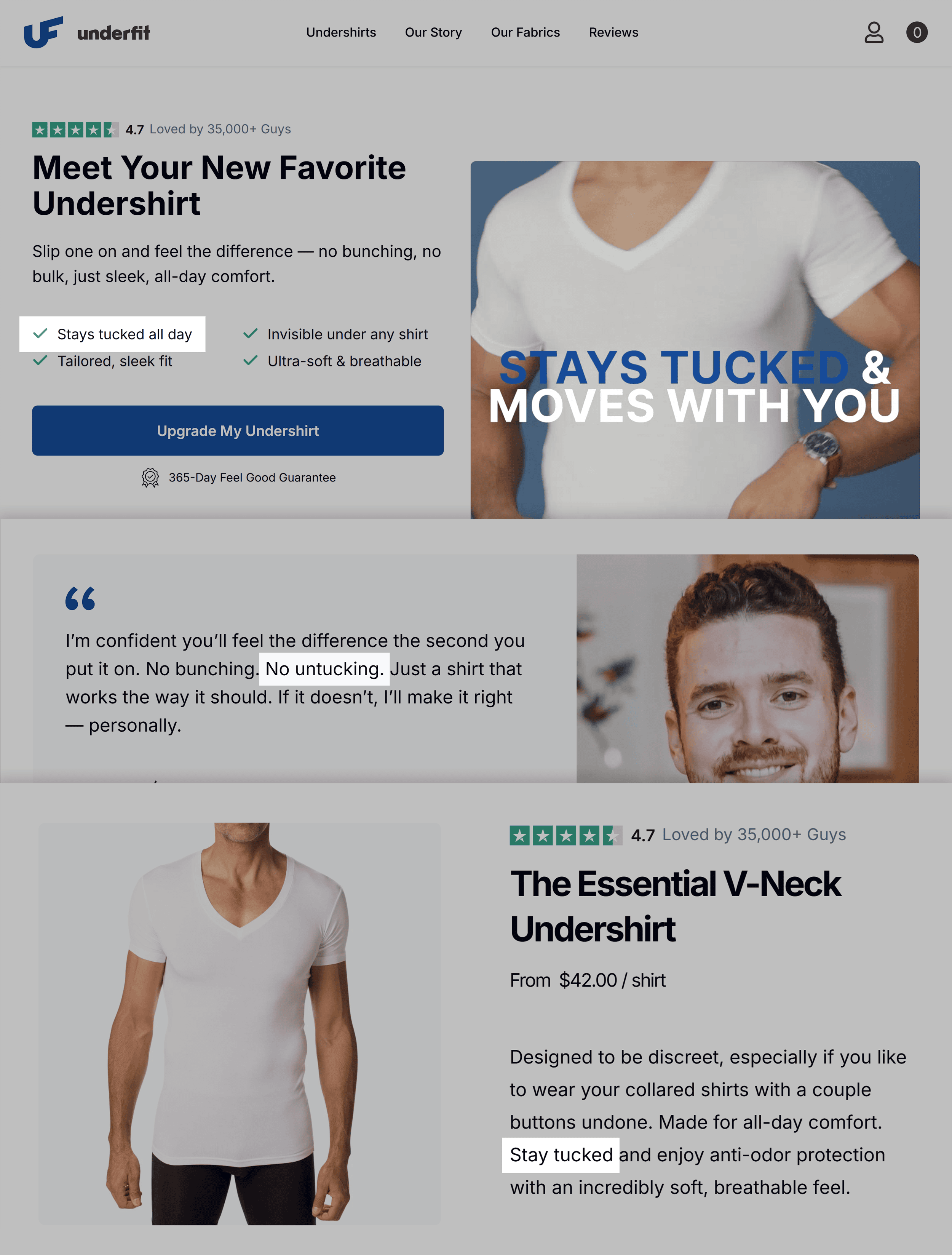
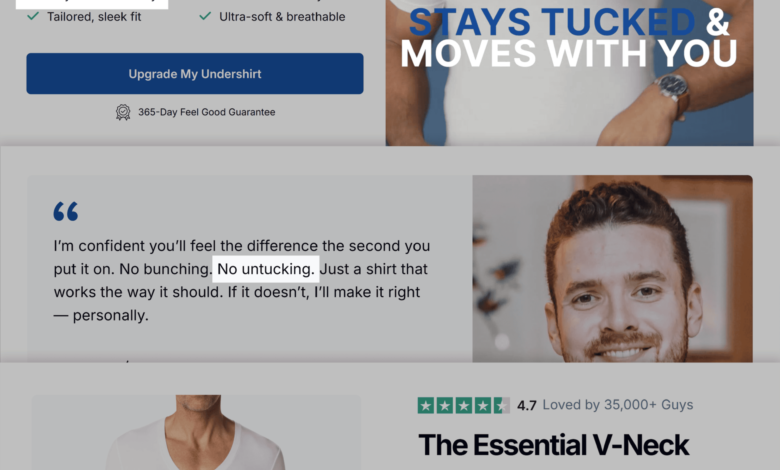
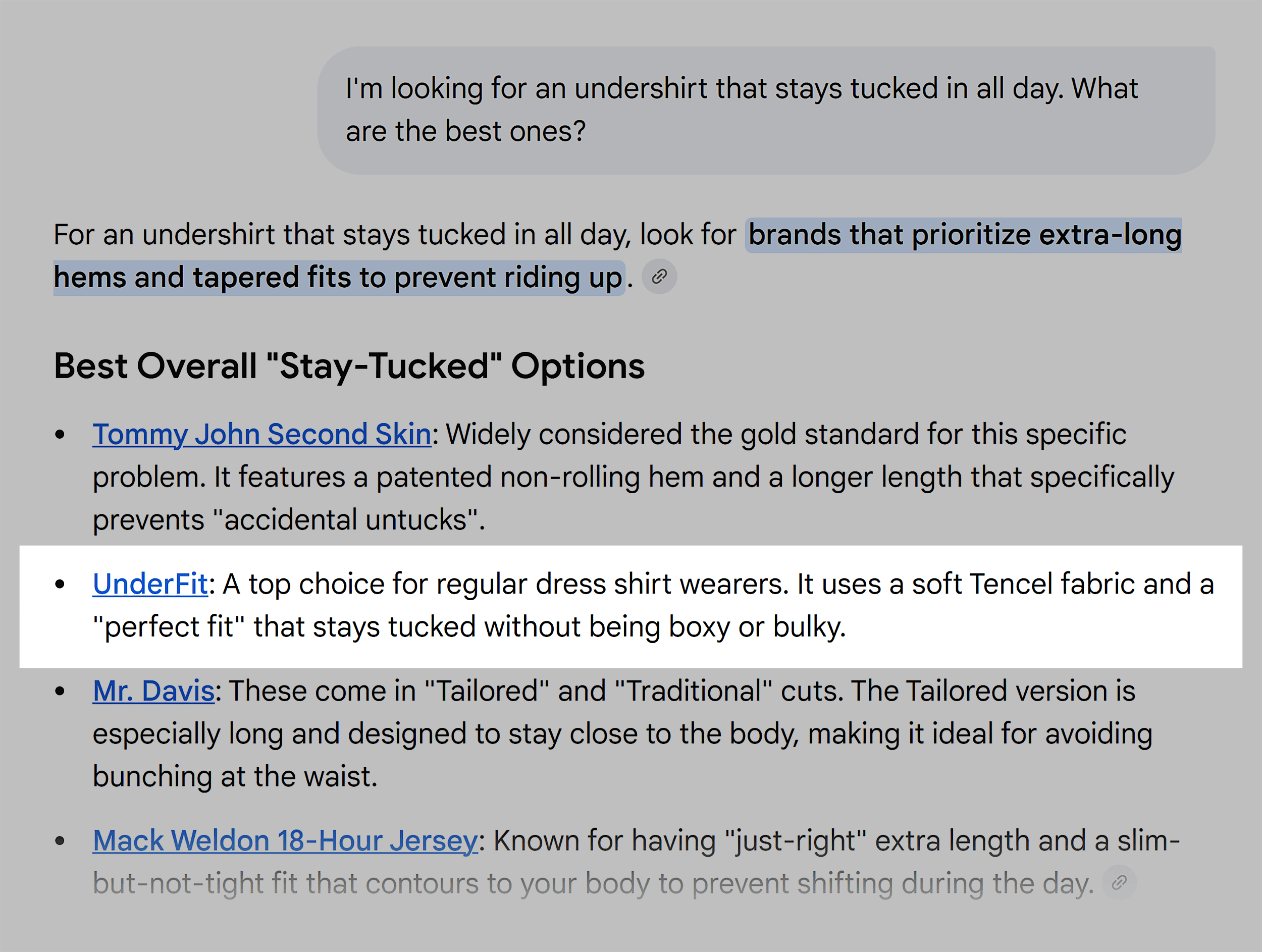
For instance, the ecommerce brand UnderFit has mastered this by maintaining a consistent value proposition—that their undershirts remain tucked throughout the day—across every touchpoint. Because this specific benefit is repeated in third-party forums and review sites, when a user asks an AI assistant about "shirts that stay tucked all day," the AI is trained to associate that specific benefit with UnderFit. This is the new SEO: feeding the models the data they need to recommend your brand naturally.
Structuring for Clarity: The Intersection of Humans and LLMs
While external visibility is critical, the website must remain the anchor of the conversion process. However, the internal architecture of websites in 2026 must be optimized for two distinct audiences: human readers and algorithmic parsers.
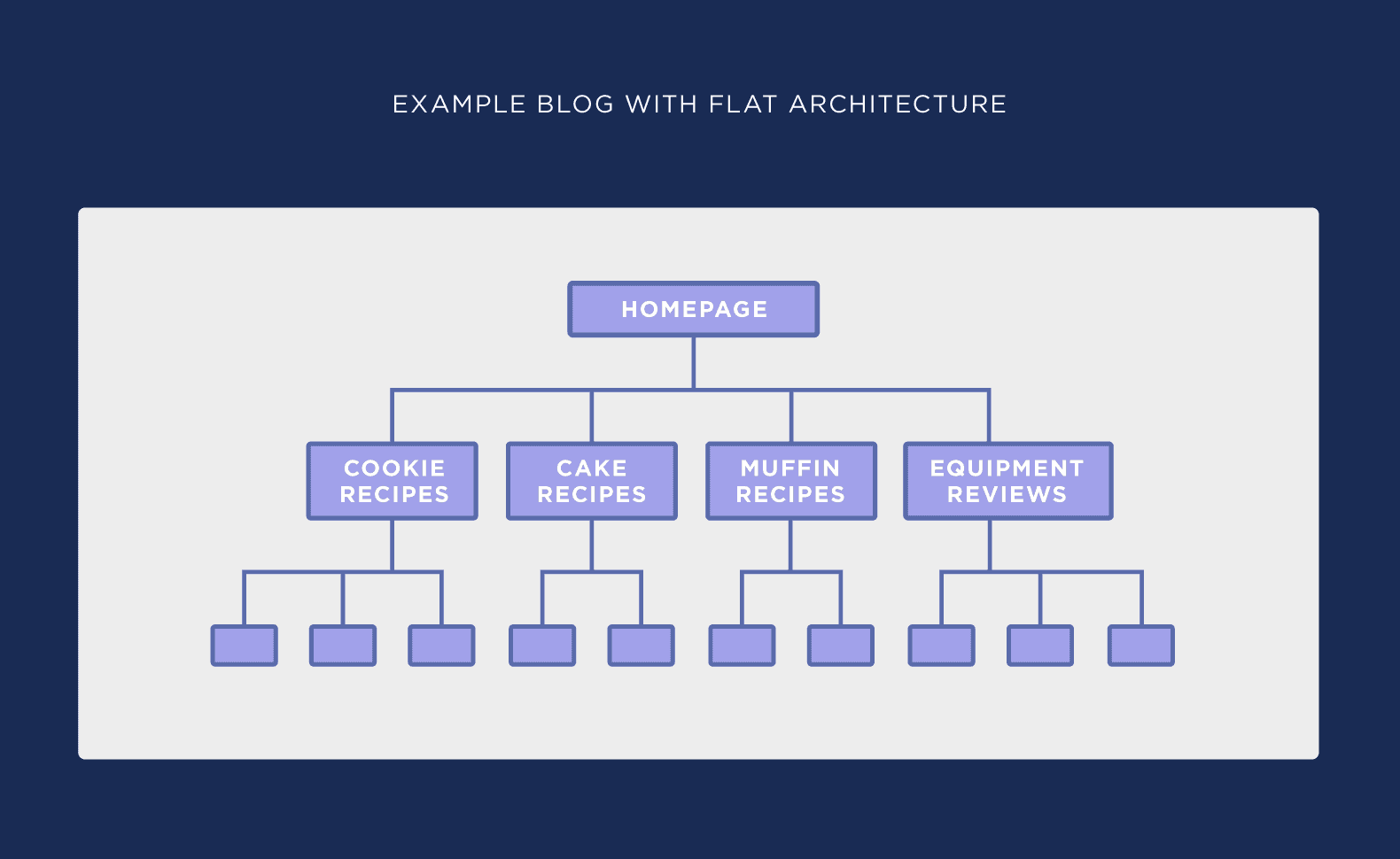
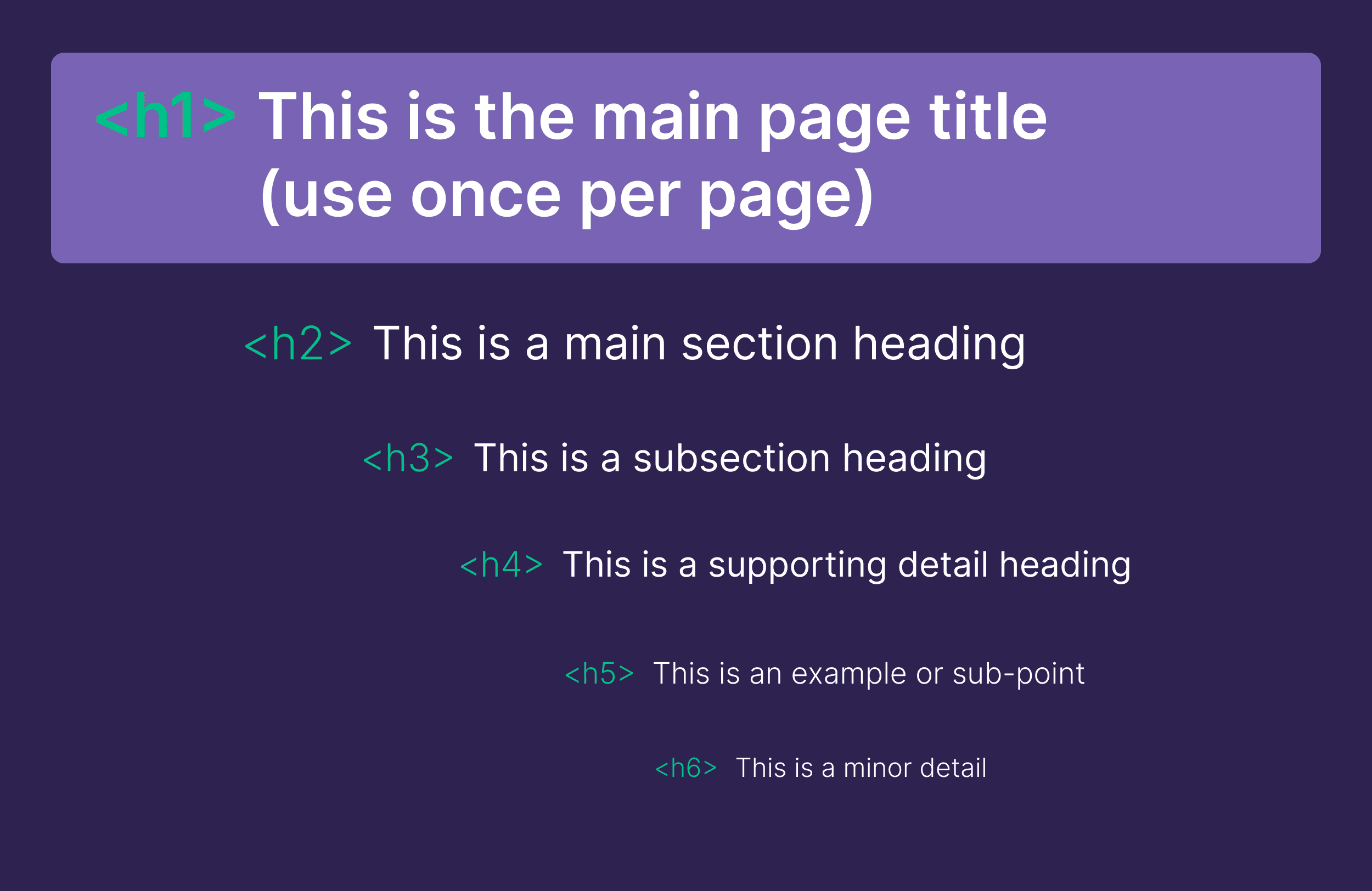
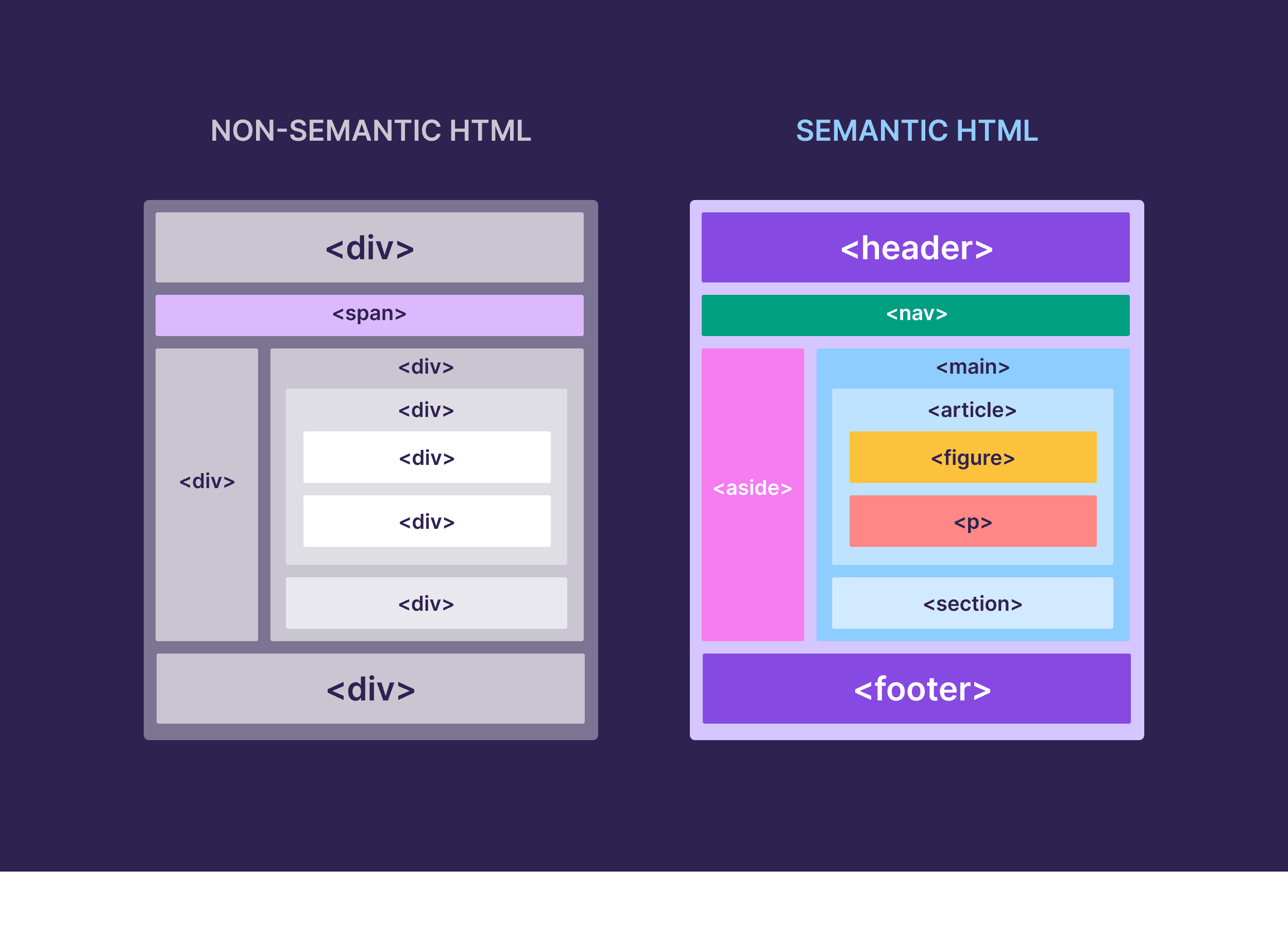
Solid website architecture is the prerequisite. A flat, logical hierarchy ensures that search engines and AI crawlers can index content without confusion. Beyond architecture, the design of individual pages must be optimized for "glanceability." As attention spans continue to contract, pages must utilize skimmable sections, clear headings, and logical tables. At the technical level, the use of semantic HTML—properly utilizing H1, H2, and list tags—is no longer just a technical best practice; it is a necessity for providing the context that modern search engines require to understand the relationship between different topics on a page.
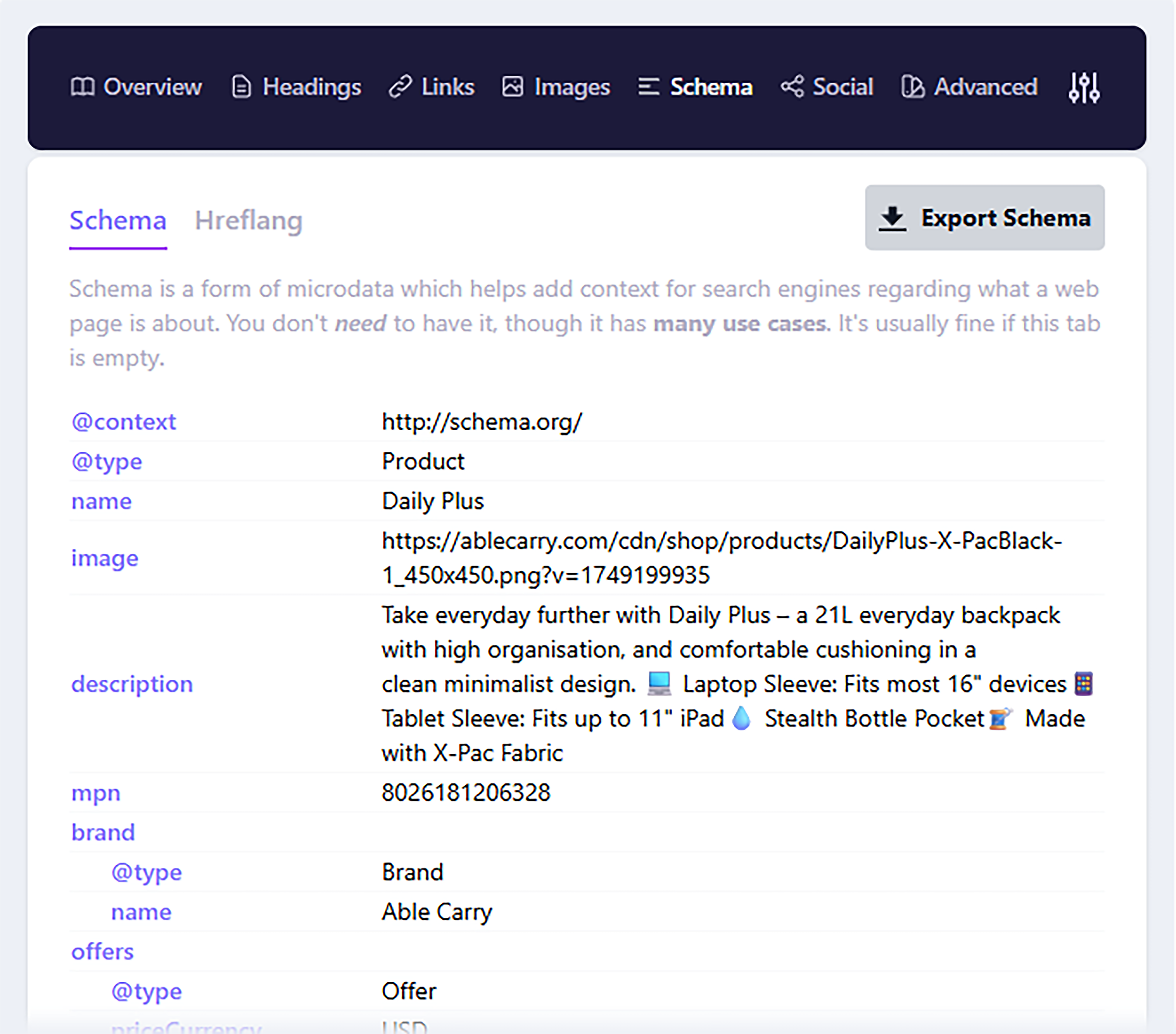
Furthermore, structured data remains the gold standard for communicating the specific details of a product or service to AI systems. By providing explicit signals through Schema markup, businesses can ensure that their core information is accurately parsed and presented in search results and AI-generated answers.
The Role of Proof Assets in Building Authority
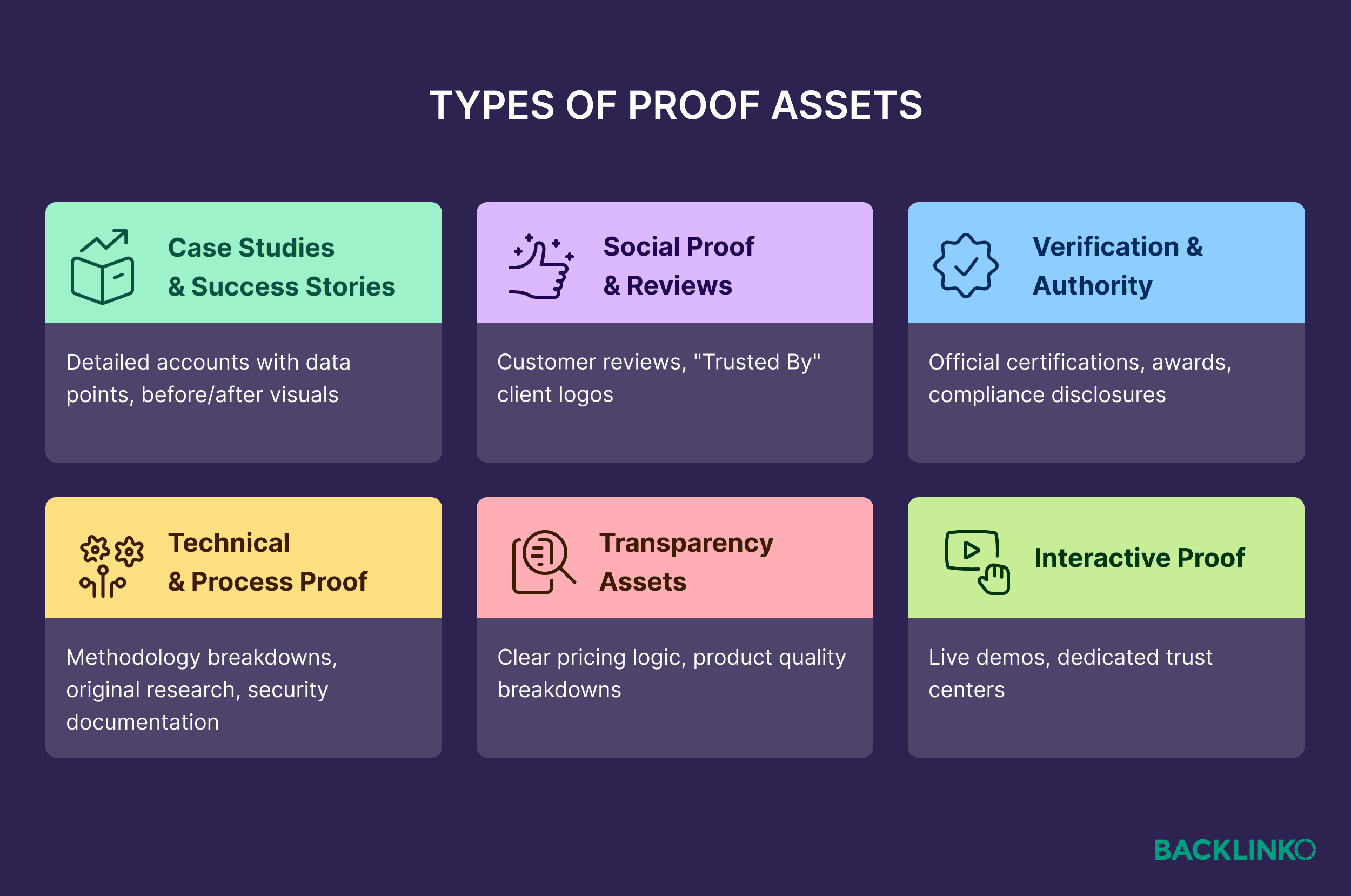
In an era of skepticism, "proof assets" serve as the evidence required to validate brand claims. These assets include verified case studies, uptime data for SaaS providers, independent security documentation, and transparent return policies for ecommerce brands. The key to effective implementation is relevance; a SaaS buyer requires technical white papers, whereas an ecommerce shopper is looking for high-resolution product imagery and authentic user reviews.
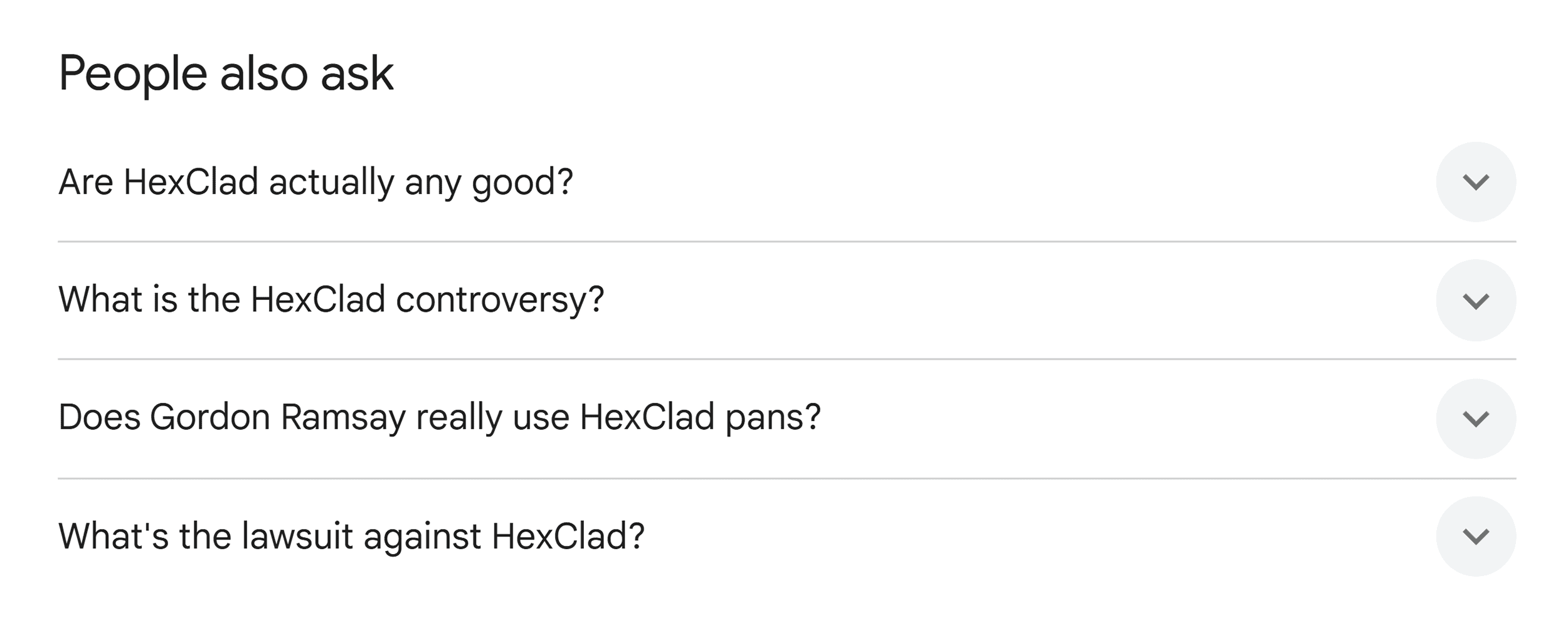
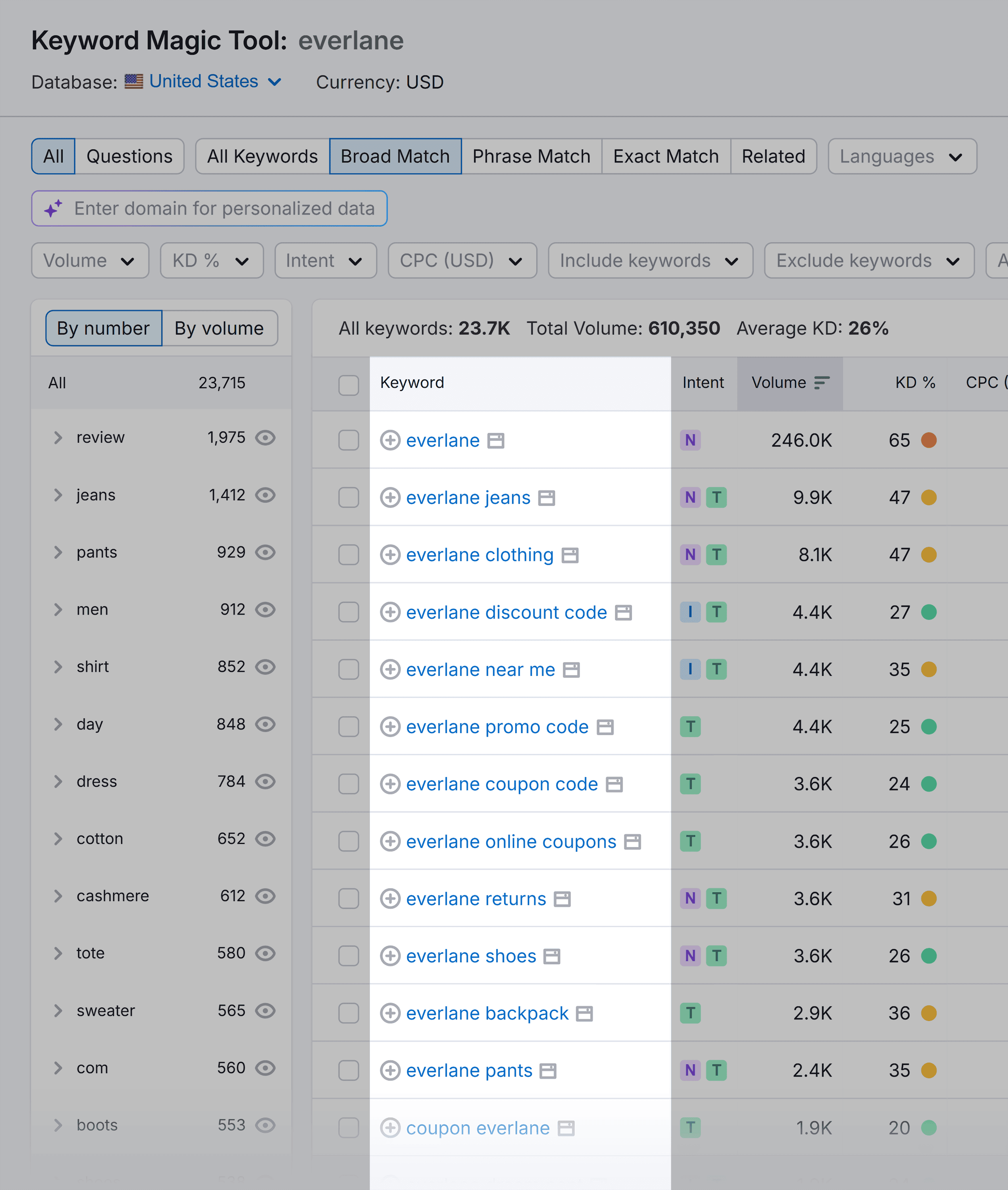
To identify which proof assets to prioritize, marketers should leverage search intent data, specifically "People Also Ask" (PAA) boxes and keyword research tools like Semrush. By analyzing the recurring questions users ask about a brand, companies can build a content library that proactively addresses consumer anxieties. If a recurring question appears in search results, it is a clear mandate to create an asset that provides the definitive answer.
Video as the Foundation of Digital Trust
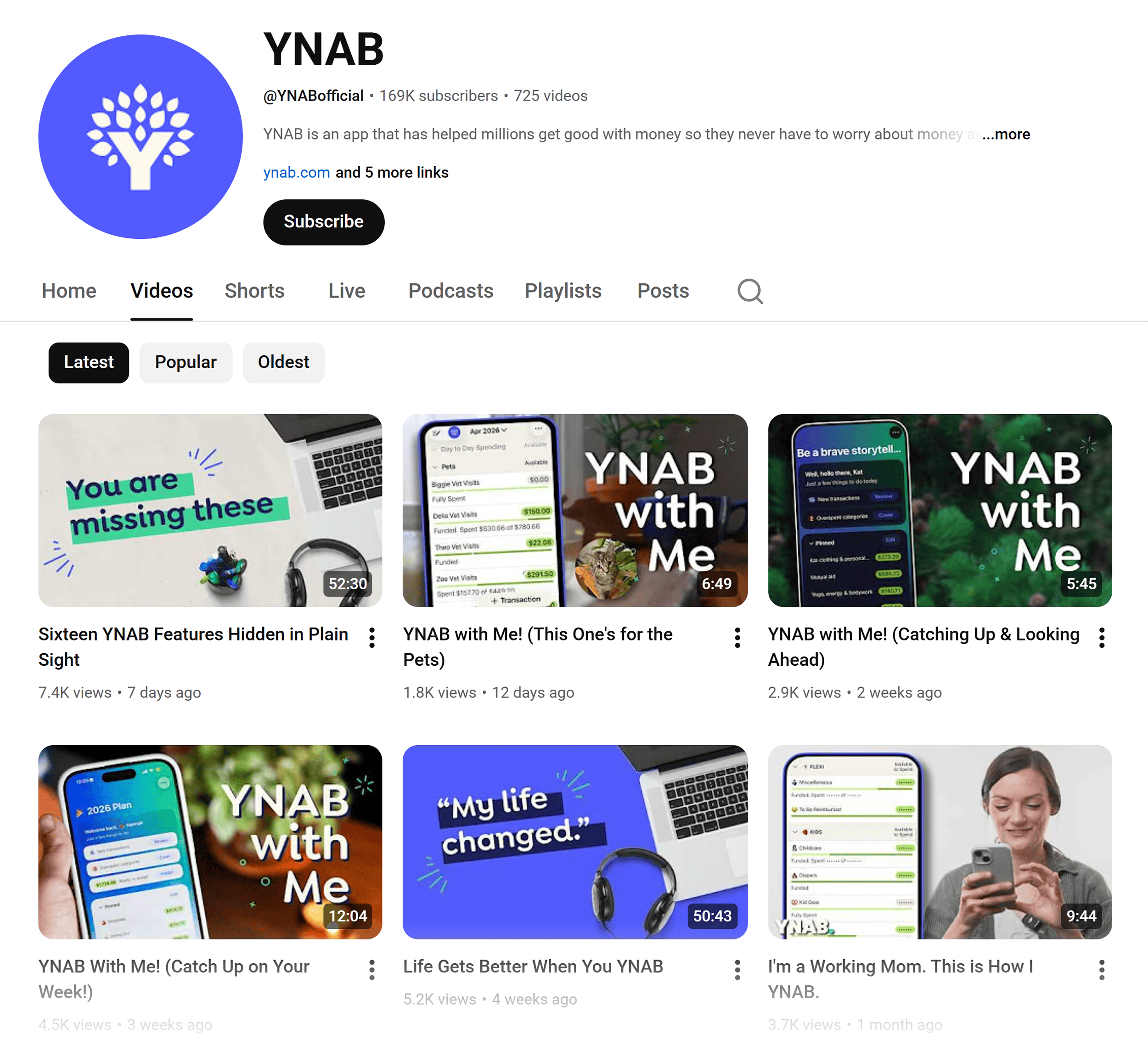
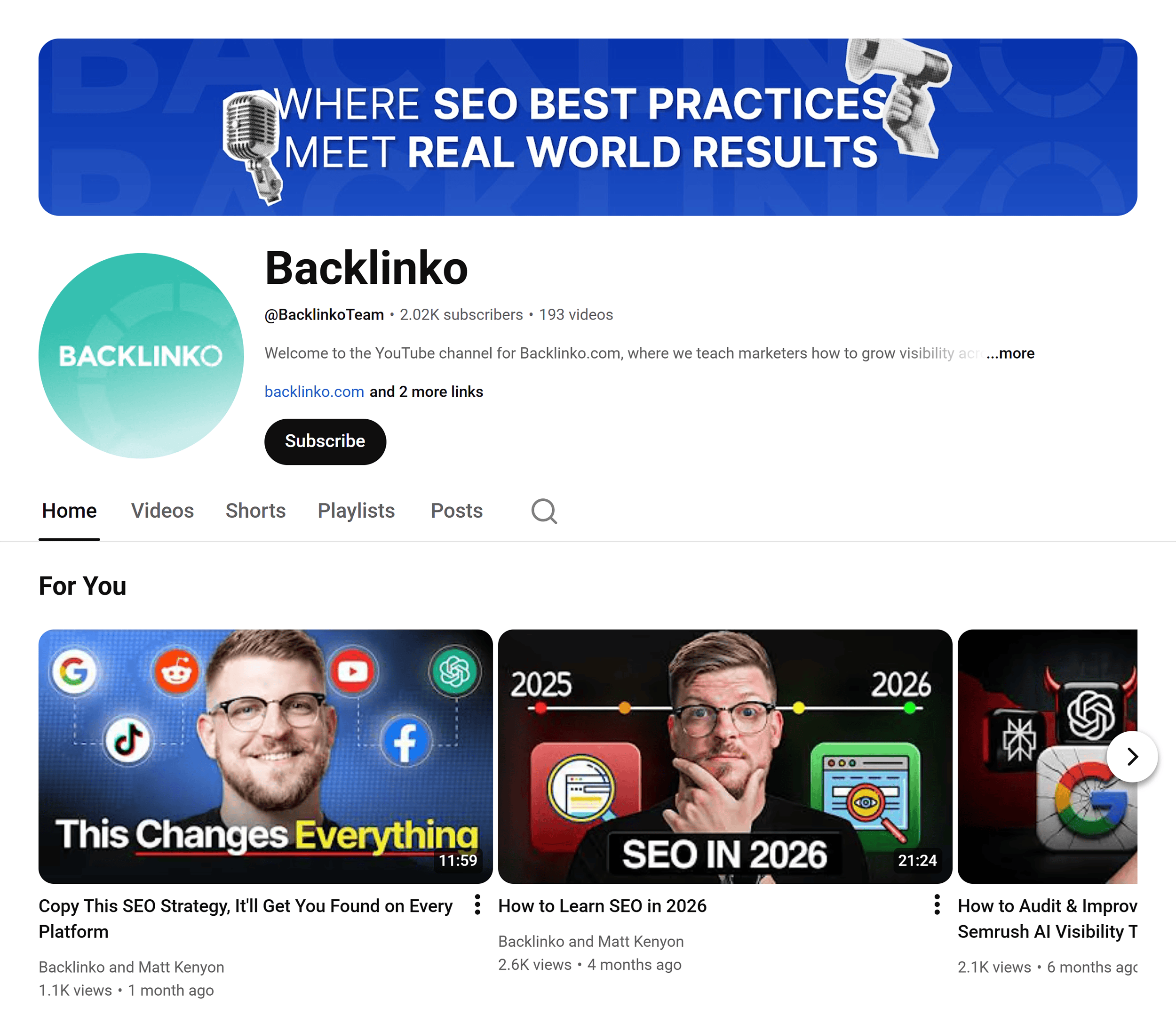
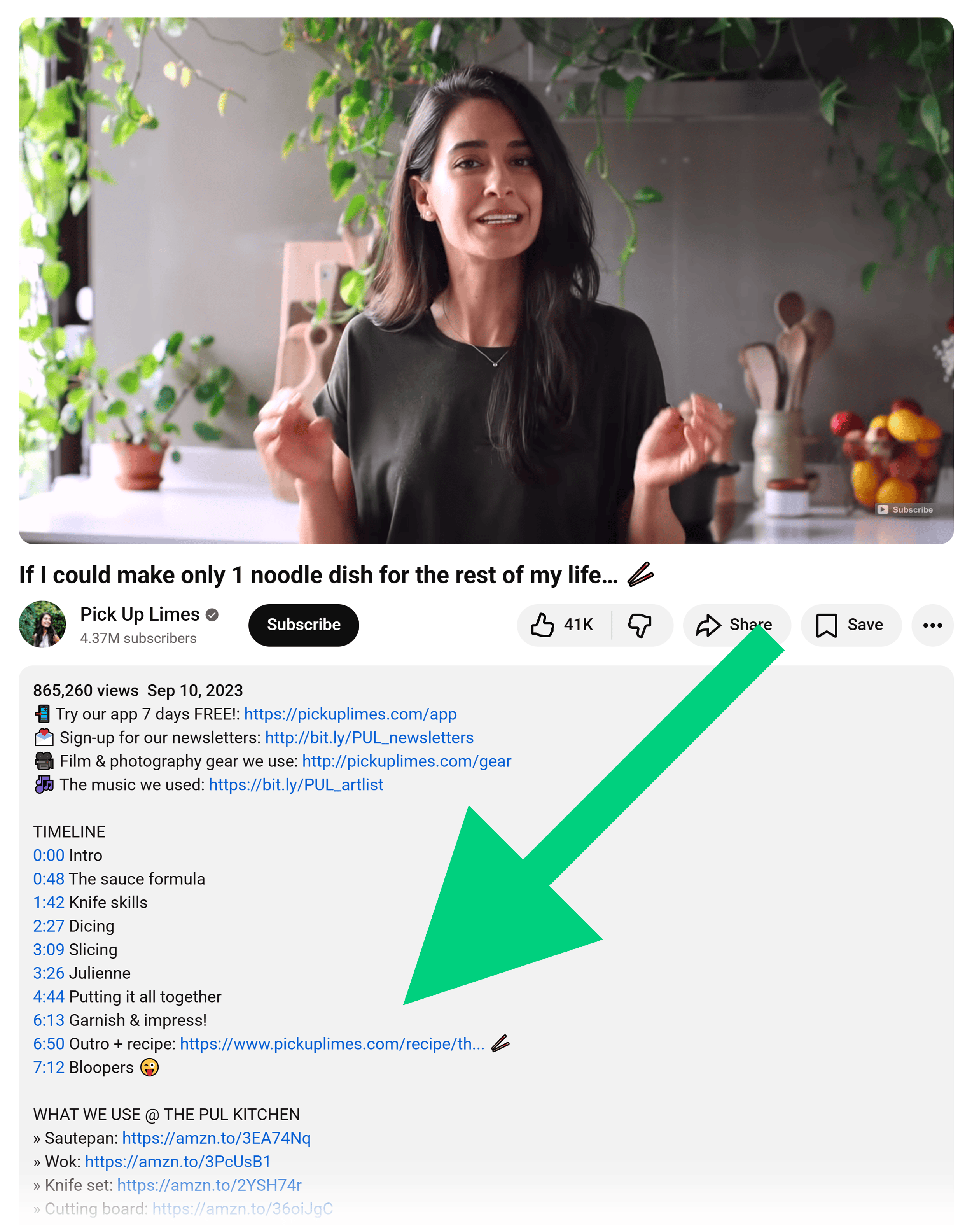
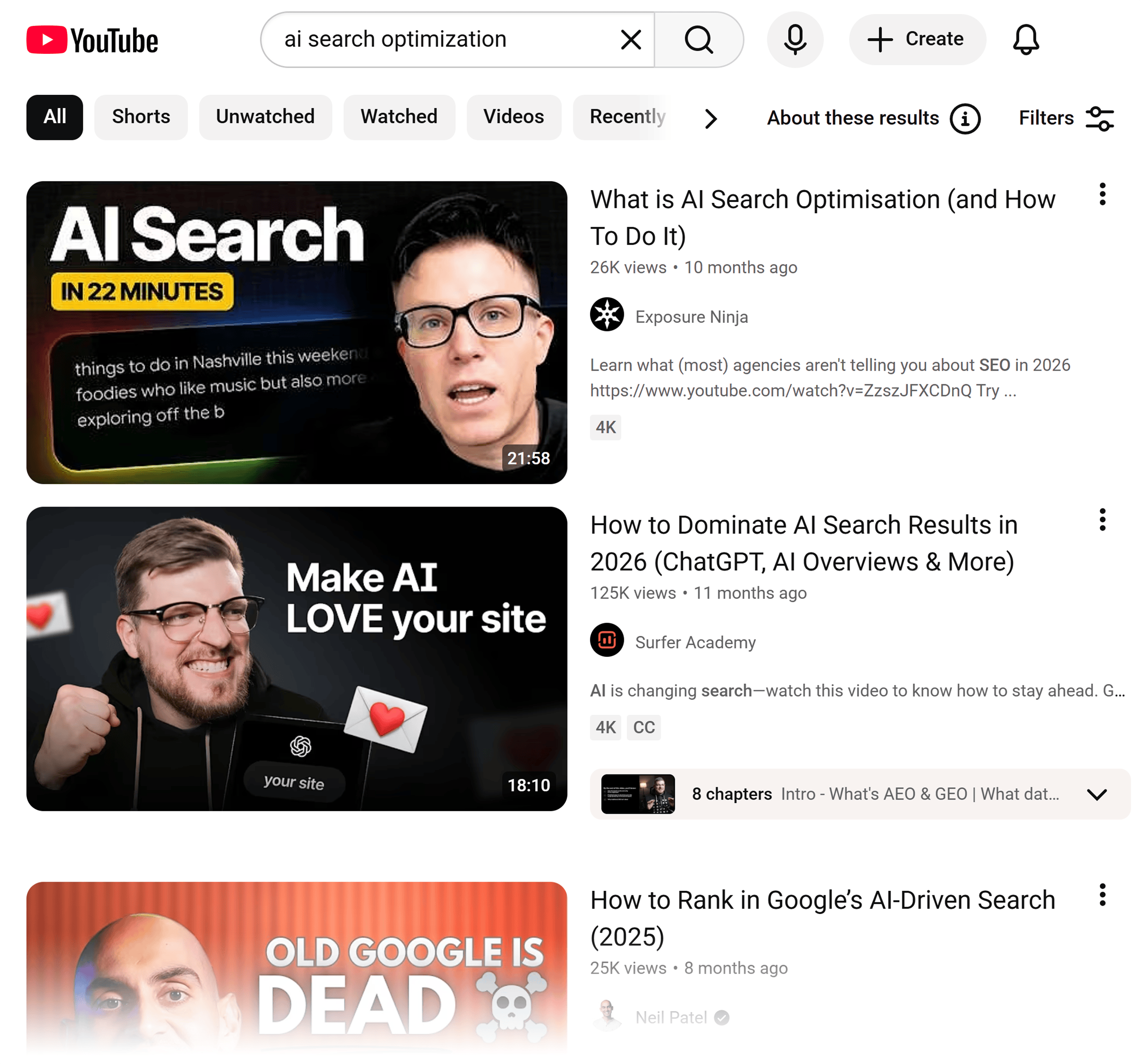
Video marketing has moved beyond the "nice to have" category and into the essential. It is the most effective medium for building the parasocial familiarity that leads to trust. Long-form video, typically hosted on YouTube, serves as a high-value tool for buyers during the evaluation phase. By creating tutorials, deep-dive educational content, and product comparisons, brands can demonstrate authority before the prospect even reaches the checkout page.
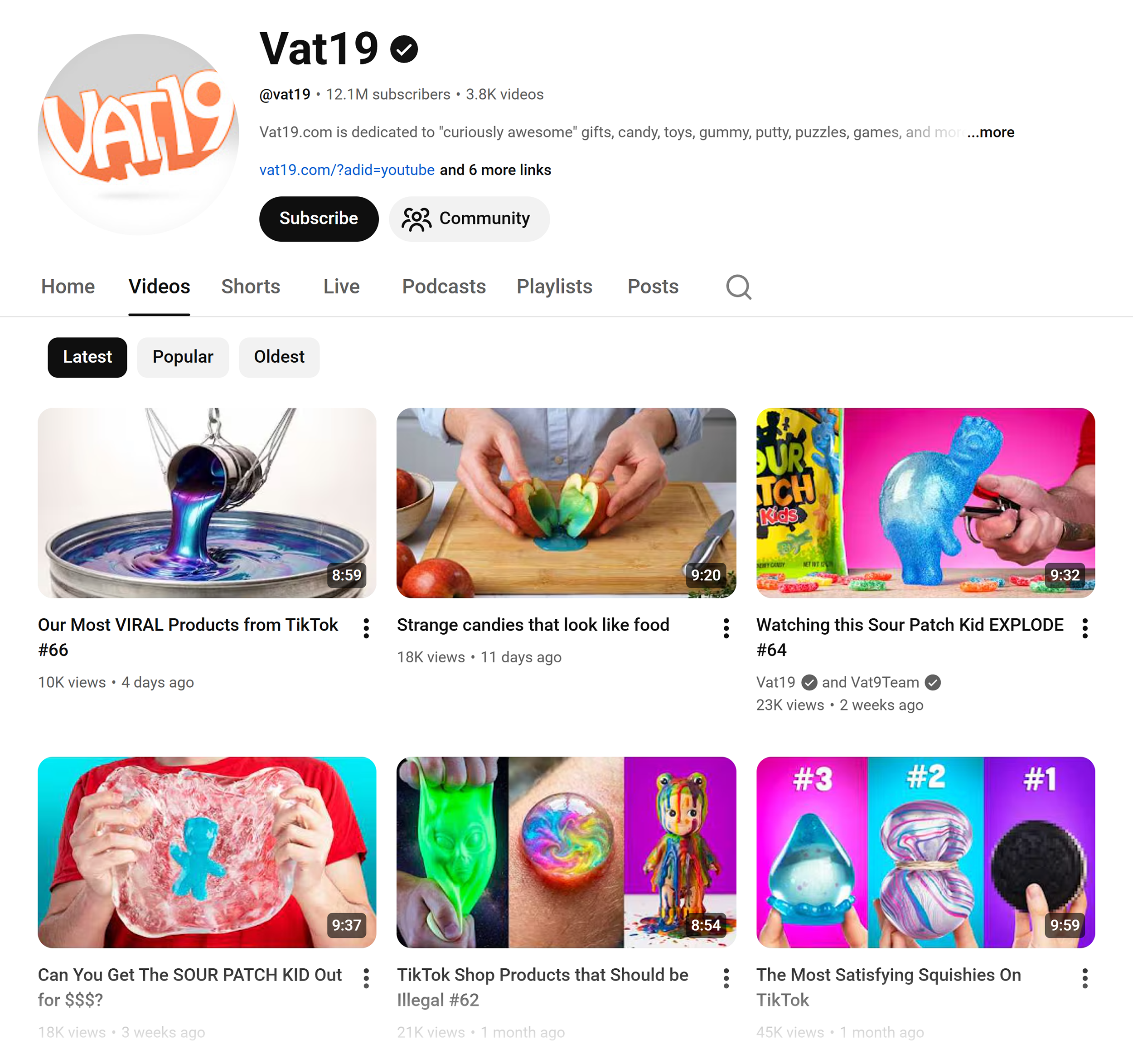
The strategy here must be purpose-driven. An educational brand like YNAB (You Need A Budget) uses its channel to teach budgeting skills, while a product-focused brand like Vat19 creates highly visual, entertaining content that showcases the utility of their goods. In both cases, the video content serves as a bridge, linking the viewer to the brand’s website through explicit calls to action and descriptive links.
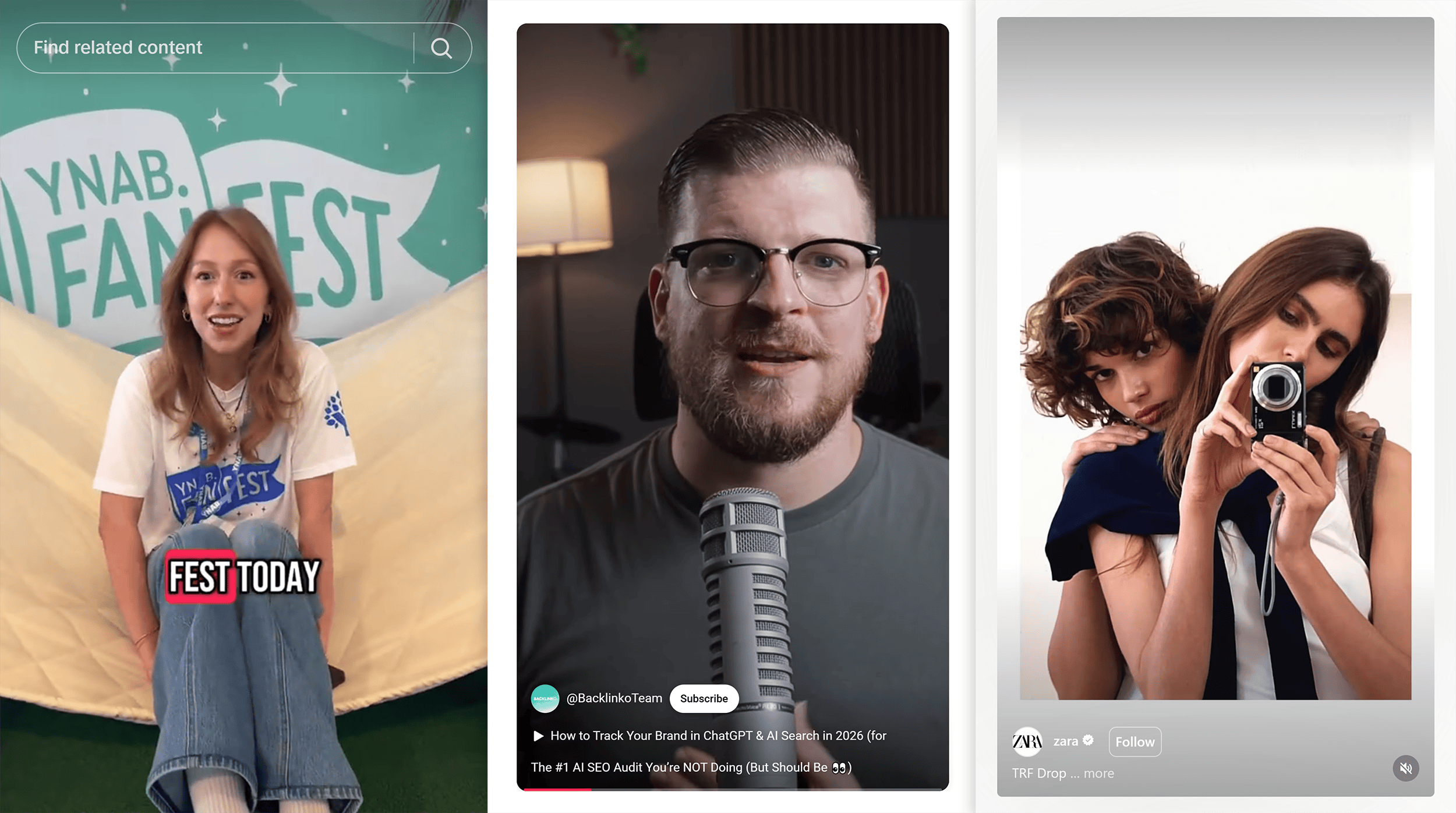
Short-form video—reels, TikToks, and YouTube Shorts—serves a different but equally vital purpose: repetition. Short-form video builds the "frequency" required for brand recall. By answering one specific customer question per video, brands can create a massive library of bite-sized content that addresses every potential objection a customer might have, effectively automating the top-of-funnel education process.
Capturing Google Discover Traffic
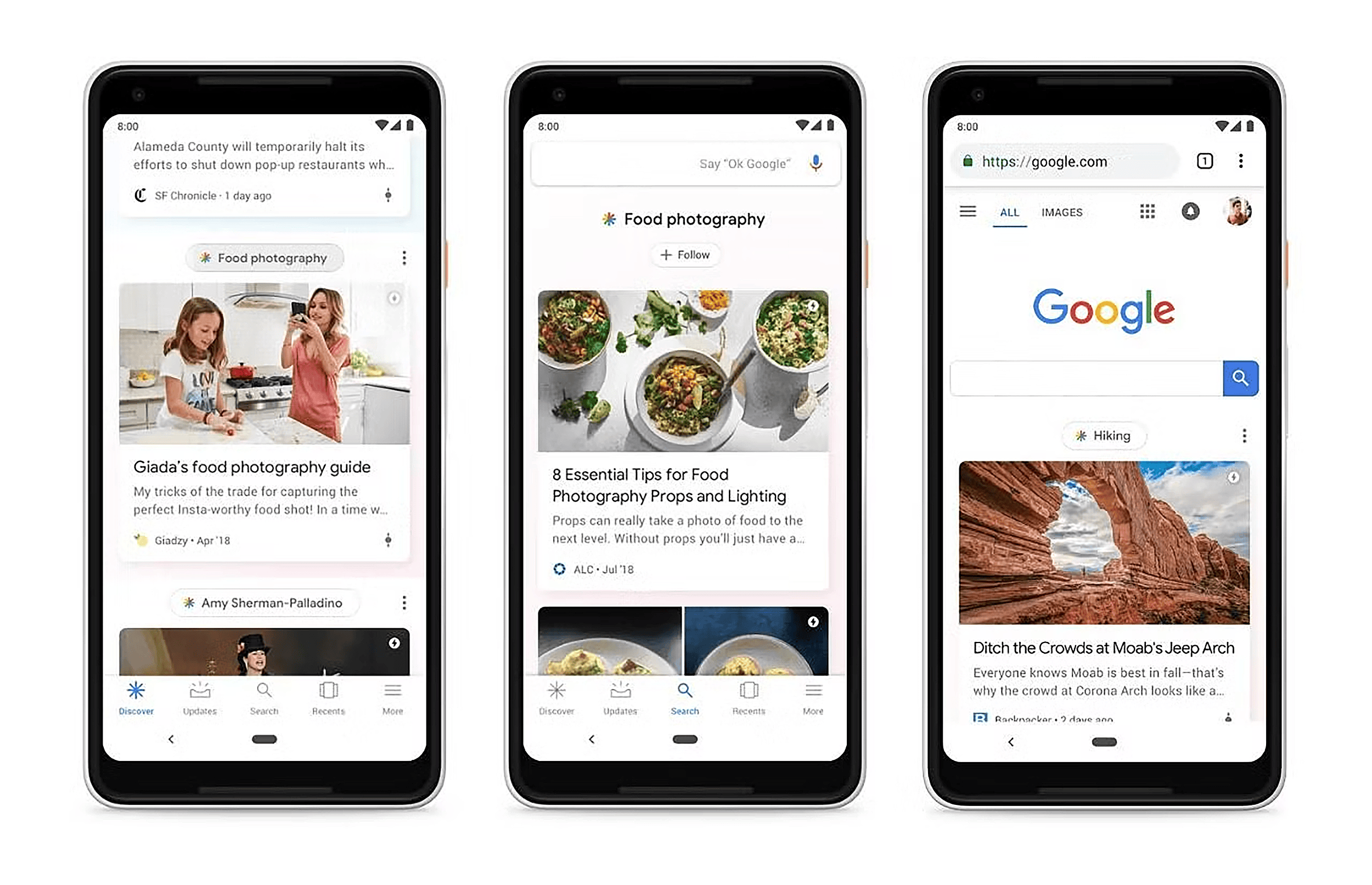
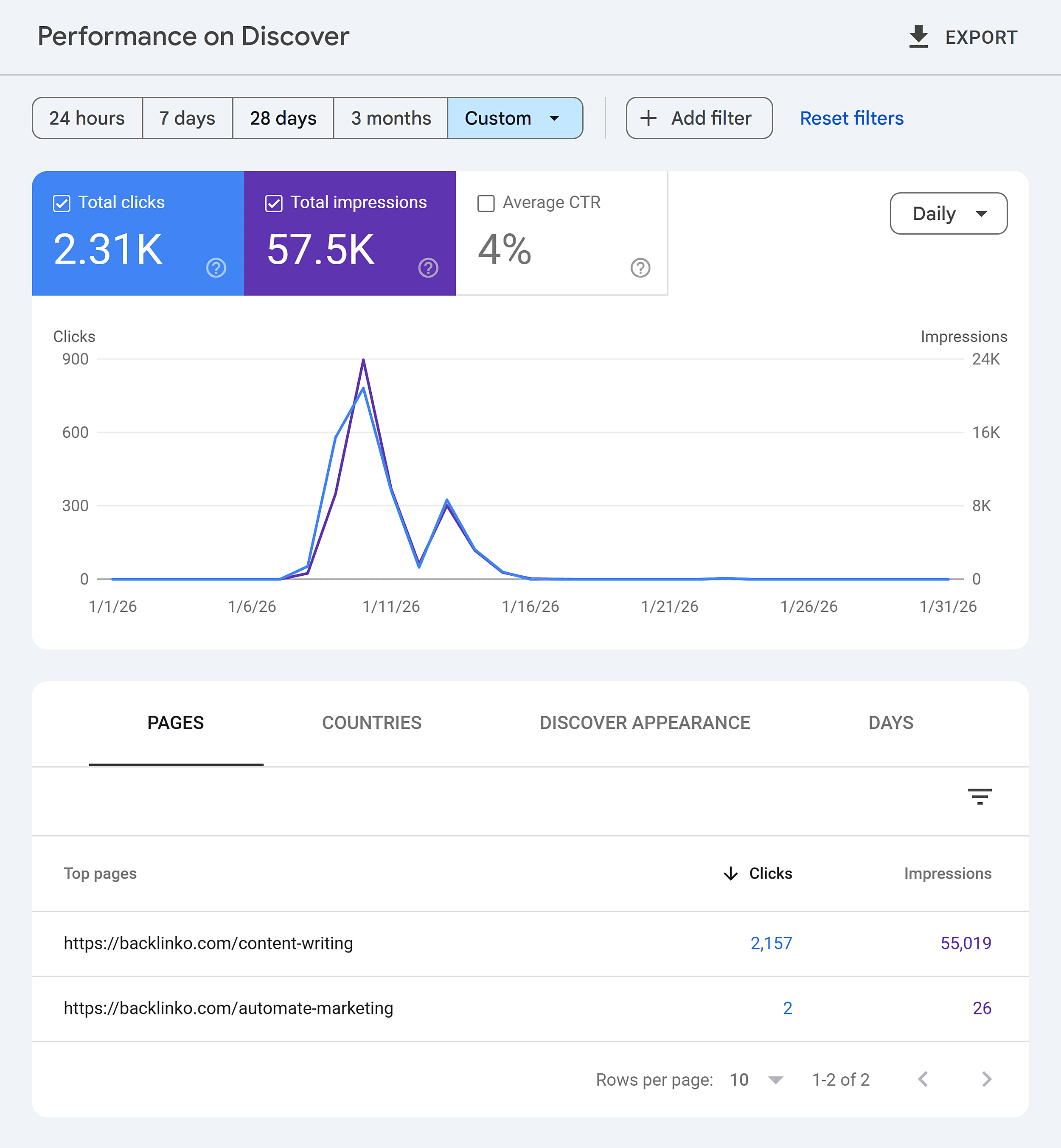
Google Discover has become a major traffic driver, operating differently than traditional search. It functions as a personalized content feed, and appearing there requires a focus on "interest-based" discovery. Unlike traditional search, which is driven by intent, Discover is driven by relevance and timeliness.
To succeed in this space, brands should dedicate a portion of their content calendar to "Discover-ready" topics. These are pieces of content that tap into current trends, industry controversies, or breaking developments. A standard article on "Email Marketing" is unlikely to trigger a Discover notification, but an article titled "How New Privacy Regulations are Transforming Ecommerce Email Marketing" carries the "why now" urgency that the algorithm favors.
Packaging is everything in the Discover feed. Because users are scrolling through a mix of news, sports, and entertainment, a brand’s featured image and headline are competing against the world’s top publishers. Headlines must evoke tension or stakes, and images must be high-resolution with a clear focal point. If the packaging does not stop the scroll, the content inside remains unseen.
Converting in a Zero-Click World
The rise of the "zero-click" experience, where users receive answers directly on the search engine results page (SERP) or via an AI chat interface, has forced a pivot in conversion strategy. Because visitors arrive on a website more educated than in previous years, they have less tolerance for friction.
Audit your site with a focus on "Revenue per Visitor." If the prospect has already read a comparative review on an external site, they do not need to read an exhaustive "About Us" page; they need to reach the demo or checkout page immediately. Reducing friction—by increasing site speed and simplifying navigation—and lowering anxiety—by adding security badges and clear pricing—are the most direct ways to increase conversion rates in 2026.
Finally, behavioral email marketing acts as the glue for this fragmented journey. By triggering emails based on specific actions taken on the site—such as abandoning a cart or visiting a pricing page—brands can maintain the momentum of the customer journey. This personalization is a form of digital reciprocity; when a brand provides a specific, helpful, or value-added follow-up based on a user’s behavior, the likelihood of a conversion increases significantly.
The Human Premium: Leadership and Community
As AI-generated content continues to flood the internet, the "human premium" has never been higher. Consumers are gravitating toward brands that have a face, a voice, and a consistent point of view. Thought leadership—content that expresses a unique stance on how an industry should operate—is the best way to claim this premium.
This leadership should be channeled through individuals. Whether it is the founder, the CEO, or a subject matter expert within the company, visible leaders who contribute to industry discussions create a layer of trust that corporate branding cannot replicate. When these individuals participate in third-party communities—such as Reddit or private Slack groups—without explicitly pitching their product, they earn the "right to be heard." This is the most authentic form of modern marketing: showing up as a contributor first and a vendor second.
In conclusion, the website marketing strategy for 2026 is one of decentralization. By controlling the narrative on third-party platforms, optimizing the website for both AI and human discovery, and maintaining a constant, helpful presence in industry communities, brands can ensure that they remain relevant in an increasingly automated world. The technology of marketing changes, but the core principle remains: trust is the currency, and it is earned through consistent, valuable, and human-led interaction.