Boot Barn Accelerates National Expansion Strategy and Revamps Product Assortments Despite Second-Quarter Weather Headwinds and Lowered Guidance

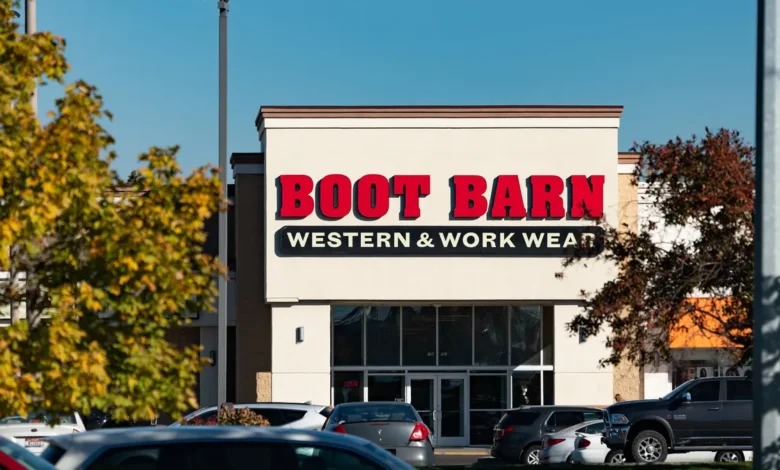
The retail landscape for specialty apparel and footwear continues to experience shifting consumer behaviors, unpredictable seasonal weather patterns, and macroeconomic pressures. Boot Barn Holdings, Inc., a premier specialty retailer of western and work-related footwear, apparel, and accessories, finds itself navigating these exact industry dynamics. Following the release of its second-quarter financial results for fiscal 2027, the company revealed that unseasonably warm weather significantly impacted top-line performance, creating a temporary drag on sales across key merchandise categories.
Despite these near-term headwinds—which included softer demand in the critical women’s and men’s western boot sectors—Boot Barn’s leadership remains steadfast in executing its long-term growth vision. Rather than pulling back, the company is doubling down on a multi-pronged strategic blueprint. This initiative involves accelerating its aggressive physical footprint expansion, implementing major operational shifts in-store merchandising displays, and actively refreshing core product lines just in time for the highly competitive holiday shopping season.
During an earnings call with analysts, Chief Executive Officer John Hazen outlined the company’s resilient stance. While acknowledging that recent quarterly performance underscored the challenges posed by delayed cold-weather patterns, Hazen emphasized that the retailer’s foundational real estate model remains exceptionally robust. The company continues to project strong financial returns on its newly opened locations, maintaining high expectations for incoming retail units as it eyes a massive, untapped market across the United States.
Chronology of Events and Second-Quarter Performance Realities
The trajectory of Boot Barn’s fiscal year has been marked by strong long-term ambitions tempered by seasonal vulnerabilities. During the second quarter of fiscal 2027, the retailer encountered a persistent meteorological hurdle: unseasonably warm temperatures lingered deep into the autumn months across several key regional markets. Because a significant portion of Boot Barn’s high-margin merchandise—such as heavy leather work boots, insulated outerwear, and traditional western wear—relies heavily on cooler weather to stimulate consumer demand, the delayed drop in temperatures resulted in softer-than-expected sales velocity.
Compounding the weather-related friction, specific merchandising categories experienced pronounced pullbacks. Most notably, the western boot category for both men and women suffered a performance drag during the quarter. Analysts pointed out that the women’s boot segment, in particular, lacked the stylistic breadth needed to fully capture shifting consumer trends during the transitional weather period.

Recognizing these vulnerabilities, Boot Barn’s executive team acted swiftly to restructure elements of their retail strategy. By late October and early November 2027, the company began implementing targeted merchandising interventions. These changes were designed not only to address immediate inventory stagnation but also to position stores optimally for the late-year consumer surge. The combination of weather anomalies and strategic inventory adjustments ultimately prompted management to issue a cautious third-quarter outlook, leading to a temporary recalibration of expectations across Wall Street.
Aggressive Footprint Expansion and Real Estate Projections
Even as macroeconomic uncertainties and weather anomalies cast a shadow over near-term comparable store sales, Boot Barn’s physical store rollout continues unabated. The company views its brick-and-mortar expansion as the primary engine for sustainable, long-term shareholder value creation.
During the earnings conference call, CEO John Hazen provided critical insights into the financial parameters guiding the retailer’s real estate strategy. "While recent results demonstrate the opportunity to outperform our projections, we continue to underwrite new locations to approximately $3.2 million in first-year sales, consistent with our historical approach," Hazen informed analysts. This strict underwriting discipline ensures that every newly opened store meets rigorous profitability benchmarks before capital is deployed.
Boot Barn’s long-term growth roadmap is ambitious. The company has identified a total whitespace opportunity to expand its physical footprint to approximately 1,200 store locations nationwide. With the current store count resting well below this ultimate threshold, leadership remains supremely confident in the brand’s runway for sustained expansion. Retail analysts note that this aggressive real estate strategy is a testament to the distinct niche Boot Barn occupies within the American retail ecosystem. By maintaining high-touch customer service, deep product expertise, and an authentic connection to western and work lifestyles, the retailer has successfully insulated itself from the hyper-commoditized competition facing standard mall-based apparel chains.
Strategic Merchandising Overhauls and In-Store Adjustments
In response to softer category performance, Boot Barn has initiated a comprehensive overhaul of its in-store presentation and product architecture. Rather than relying solely on traditional promotional discounting to clear slower-moving inventory, the retailer is actively reengineering how merchandise is showcased to shoppers upon entry.

One of the most notable visual and strategic shifts involves the reorganization of the denim department. Historically, denim offerings were grouped uniformly throughout the department. Under the newly implemented strategy, Boot Barn has shifted its premium denim inventory directly to the front of the store. This high-visibility placement is designed to immediately capture the attention of style-conscious consumers seeking higher-end, fashionable fits. Conversely, more value-focused denim offerings have been relocated toward the rear of the sales floor, creating a clear tiered shopping experience that caters to both premium brand enthusiasts and budget-conscious workwear consumers.
Simultaneously, the retailer is addressing the product shortcomings identified in its footwear division. Recognizing that the women’s boot category lagged during the second quarter, merchandising teams moved rapidly to curate a refreshed product assortment. This updated collection features a significantly broader selection of contemporary styles, alternative heel heights, intricate stitching details, and an expanded palette of seasonal colors. This refreshed inventory is rolling out across the store network just ahead of the peak holiday gift-giving window, a period that traditionally accounts for a substantial share of annual specialty apparel revenue.
Third-Quarter Outlook and Financial Analyst Perspectives
Boot Barn’s forward-looking guidance for the third quarter of fiscal 2027 reflected the cautious stance necessitated by ongoing weather headwinds and the time required for new merchandising initiatives to gain traction. The company anticipates third-quarter sales growth ranging between 11% and 14%. However, management also projected that same-store sales could experience a potential decline of up to 1%, signaling that the road to full recovery will require patience as colder weather patterns finally take hold.
Financial institutions and equity research firms have closely monitored these projections, offering nuanced perspectives on the company’s valuation and operational resilience. Analysts at TD Cowen addressed the guidance in a comprehensive research note published following the earnings announcement.
"We don’t anticipate much improvement until December as initiatives take time to scale, but we need to see comps inflect exiting the third quarter to maintain confidence in the historical durability of the business," the TD Cowen analysts noted. Despite the near-term caution regarding same-store sales trajectories, the analysts struck an overall constructive tone regarding the company’s structural management. "Meanwhile, we’re constructive on new store ramps, cost control, and buybacks," the note added, highlighting Boot Barn’s disciplined capital allocation, effective expense management, and proactive share repurchase programs as key financial pillars supporting the stock.
Broader Industry Implications and Macroeconomic Context

Boot Barn’s recent performance and strategic pivots offer a fascinating case study in modern specialty retail management. The company’s ability to absorb external shocks—such as unseasonably warm autumn weather—while continuing to execute a multi-year growth plan underscores the importance of operational flexibility.
In the broader retail sector, apparel and footwear chains are increasingly forced to contend with climate volatility. As seasonal boundaries blur and weather patterns become less predictable, traditional retail calendars that rely on rigid transitions from summer inventory to heavy winter wear are losing efficacy. Retailers that can dynamically manage inventory, leverage agile supply chains, and pivot visual merchandising on short notice are proving far more resilient than their static competitors.
Furthermore, Boot Barn’s expansion strategy highlights the enduring strength of experiential, category-specific retail. While general apparel ecommerce continues to face margin pressures from high shipping costs and aggressive online price competition, destination retailers that offer specialized products—such as authentic western boots, specialized safety-rated work boots, and rugged apparel—retain a distinct moat. Consumers shopping for work gear or specialized lifestyle apparel frequently demand the physical touchpoints, expert fitting services, and immediate gratification that only brick-and-mortar storefronts can provide.
Looking Ahead: The Path to Holiday Execution and Long-Term Scale
As Boot Barn moves past the halfway point of fiscal 2027, all eyes are fixed on its execution during the crucial holiday shopping season. The success of the newly repositioned premium denim displays, the market reception of the refreshed women’s boot collections, and the normalization of winter weather conditions will serve as critical litmus tests for the brand’s near-term momentum.
Beyond the immediate quarterly results, management’s unwavering commitment to its long-term store expansion target of 1,200 units demonstrates institutional confidence in the business model. By maintaining strict underwriting standards for new locations, refining in-store merchandising strategies, and carefully managing operational costs, Boot Barn is positioning itself to weather short-term macroeconomic and meteorological volatility. As the company continues its march across the American landscape, its blend of specialized product expertise and disciplined real estate growth ensures it will remain a formidable force in specialty retail for years to come.