The Evolving Landscape of Audience Personas: Adapting to Modern Search Behavior

The way audiences discover information has undergone a seismic shift. Gone are the days when search was confined to a single engine. Today’s consumers navigate a complex digital ecosystem, querying not only traditional search engines like Google but also engaging with conversational AI platforms such as ChatGPT, community forums like Reddit, video-centric platforms like YouTube, and a multitude of other channels. This fragmented search behavior necessitates a fundamental reevaluation of how we construct audience personas. Knowing who your audience is no longer suffices; understanding how they search has become paramount. This evolution demands the creation of search-focused audience personas that bridge the gaps left by traditional, demographic-centric models.

Traditional personas often fall short by focusing on static attributes like age, location, and job title. While these provide a foundational understanding, they fail to capture the dynamic and often nuanced ways individuals interact with information. Search-focused personas delve deeper, aiming to uncover critical insights such as:
- The specific platforms and channels your audience frequents for information gathering. This includes understanding the unique search behaviors and expectations associated with each platform, from the detailed inquiries on Google to the community-driven discussions on Reddit.
- The precise questions your audience asks. Moving beyond broad topics to the exact phrasing and colloquialisms used by consumers when they seek solutions or information.
- The underlying challenges and pain points that drive search activity. Identifying the persistent problems that prompt users to seek answers, workarounds, or new solutions.
- The immediate triggers that propel an audience member to initiate a search. Understanding the events or goals that create a sense of urgency or necessity.
- The language that resonates most effectively with your target audience. Recognizing the specific words, phrases, and tone that build trust and encourage engagement, as well as identifying language that creates friction.
- The preferred content formats that capture and retain audience attention. Determining whether your audience favors in-depth articles, concise videos, interactive tools, or other forms of content.
- The crucial proof points and trust signals that influence decision-making. Identifying what evidence—such as testimonials, case studies, or expert endorsements—builds credibility in the eyes of your audience.
- The optimal channels and methods for content distribution. Strategizing where to place your content to ensure it reaches your audience at the right time and in the right format.
- The recurring needs and problems that encourage repeat engagement. Understanding what drives users to return for ongoing support and solutions.
Building these comprehensive personas does not require months of extensive research or prohibitively expensive tools. By employing a strategic approach and leveraging readily available resources, marketers can gain profound insights into their audience’s search behavior. This guide outlines nine strategic questions designed to unearth these critical details, complemented by AI prompts to streamline analysis and synthesize findings. The ultimate goal is to equip businesses with actionable audience personas that can effectively guide content strategy, enhance search visibility, and foster deeper audience connections in today’s multifaceted digital landscape.
Where Is Your Audience Asking Questions?
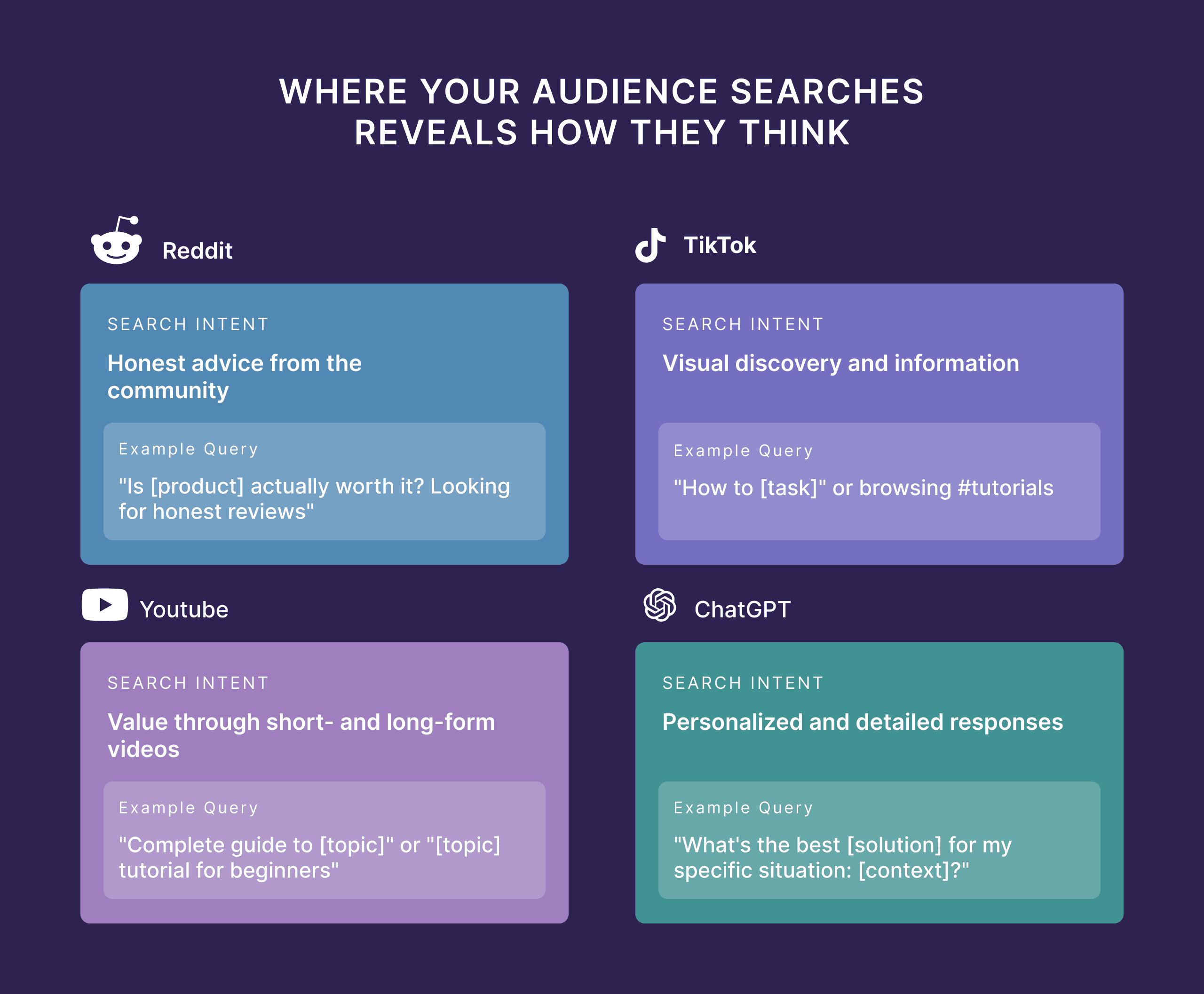
The first step in understanding your audience’s search behavior is to identify the digital arenas where they actively seek information. Knowing which platforms your persona frequents provides invaluable insights into which channels influence their decisions, allowing you to strategically position your brand where they already place their trust. Furthermore, platform choice often reveals underlying thought processes and what kind of content will resonate most effectively.
For instance, an individual posting a query on Reddit often seeks candid, experience-based advice. Their language and expectations differ significantly from someone searching for a quick solution on TikTok, who is more likely to respond to visual content like tutorials or unboxing videos. This fundamental difference in platform behavior underscores the need to tailor content and engagement strategies to the specific context of each channel.
How to Answer This Question
To begin answering this question, an audience intelligence tool is essential. Platforms like SparkToro are designed to reveal the search habits, content preferences, and online communities of your target audience.
For the purpose of this demonstration, let’s build a persona for "Marcus," a marketing professional often working within a one-person or small team environment. Marcus is characterized by his resourcefulness and need for practical, actionable insights.
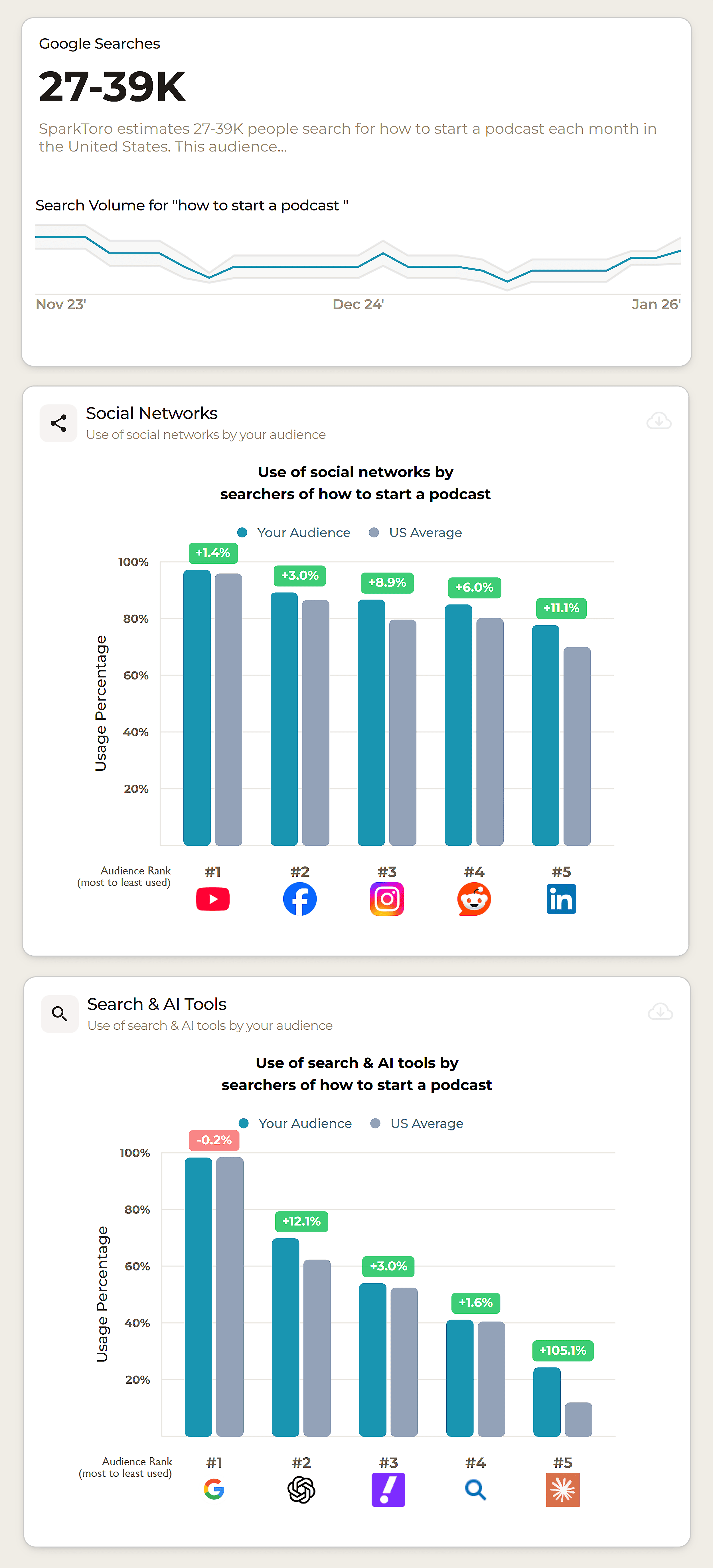
In SparkToro, a relevant keyword describing Marcus’s professional identity or core interests can be entered. For someone early in their journey of exploring podcasting, a term like "how to start a podcast" is highly appropriate.
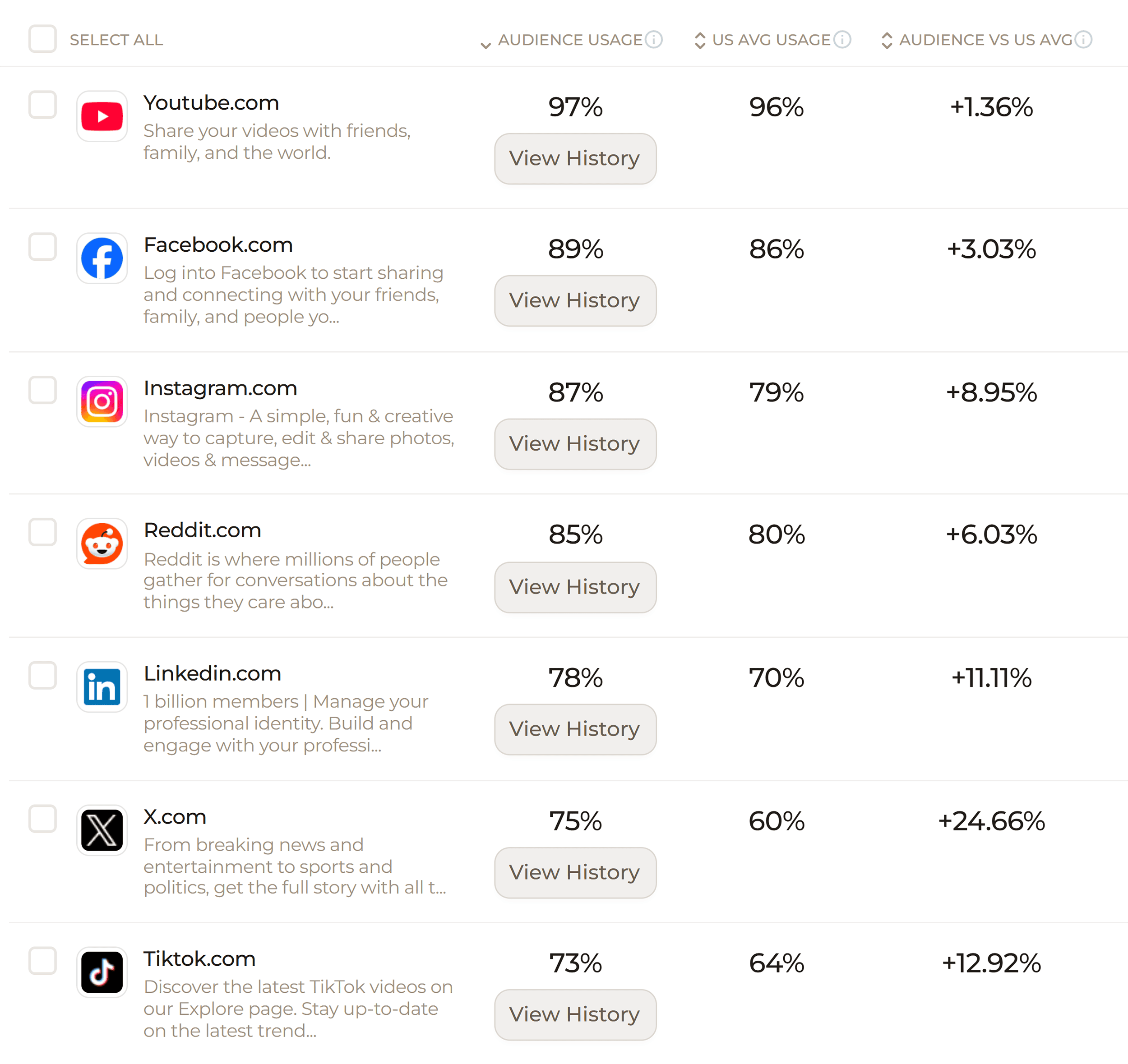
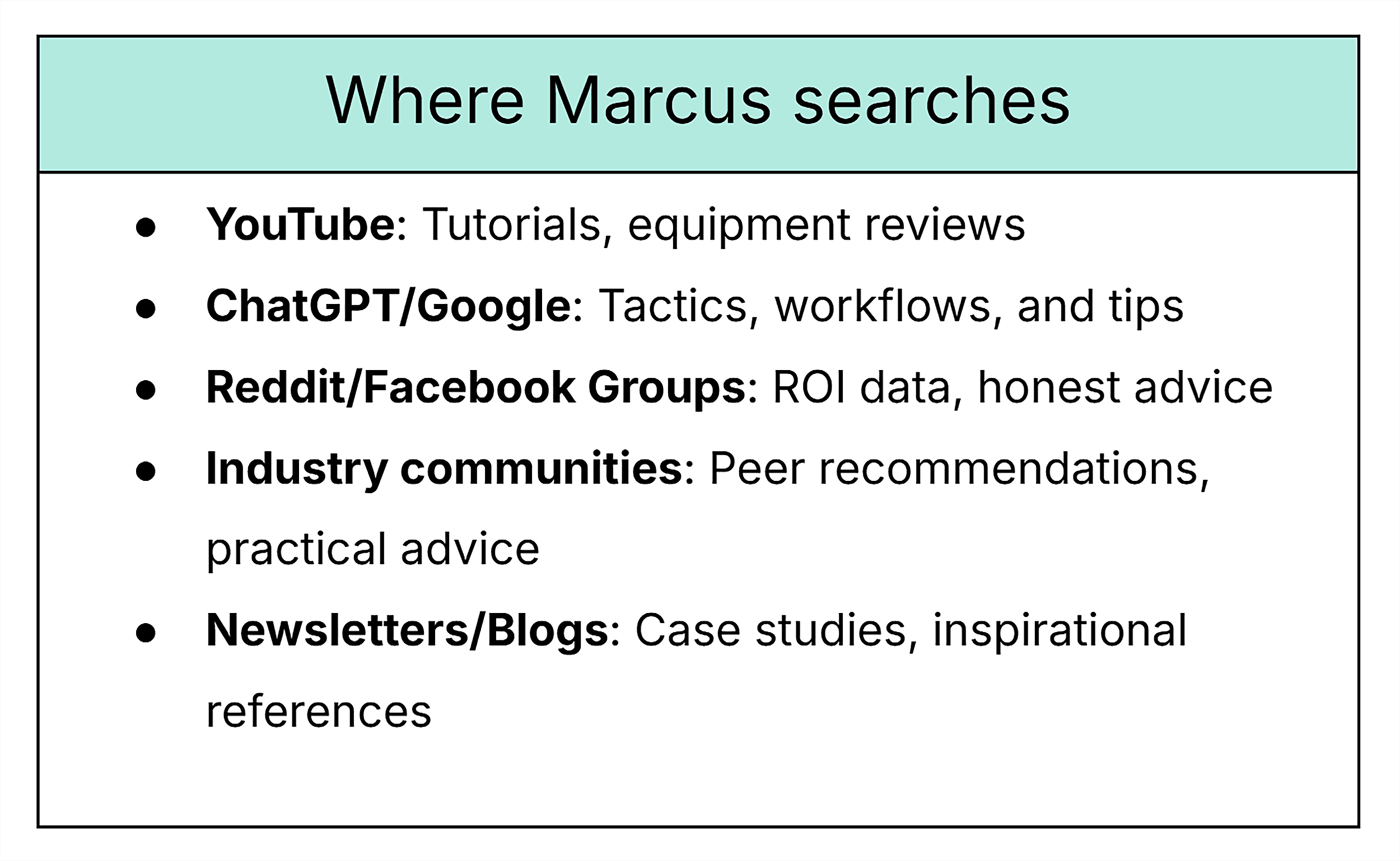
The resulting report provides a comprehensive overview of Marcus’s online behavior. It indicates that his primary research channels include Google, ChatGPT, YouTube, and Facebook. However, the data also highlights areas where he deviates from the average user. Marcus is 24.66% more likely to use X (formerly Twitter) and 12.92% more likely to engage with TikTok. This suggests that while he relies on established platforms, he is also open to exploring newer or more visually oriented channels.
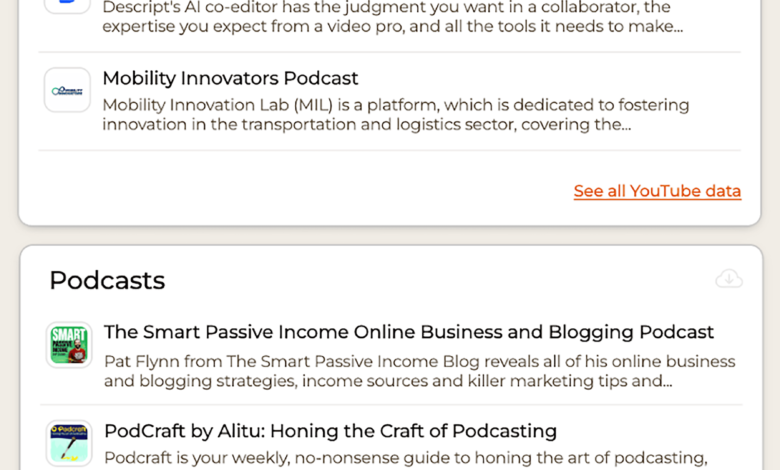
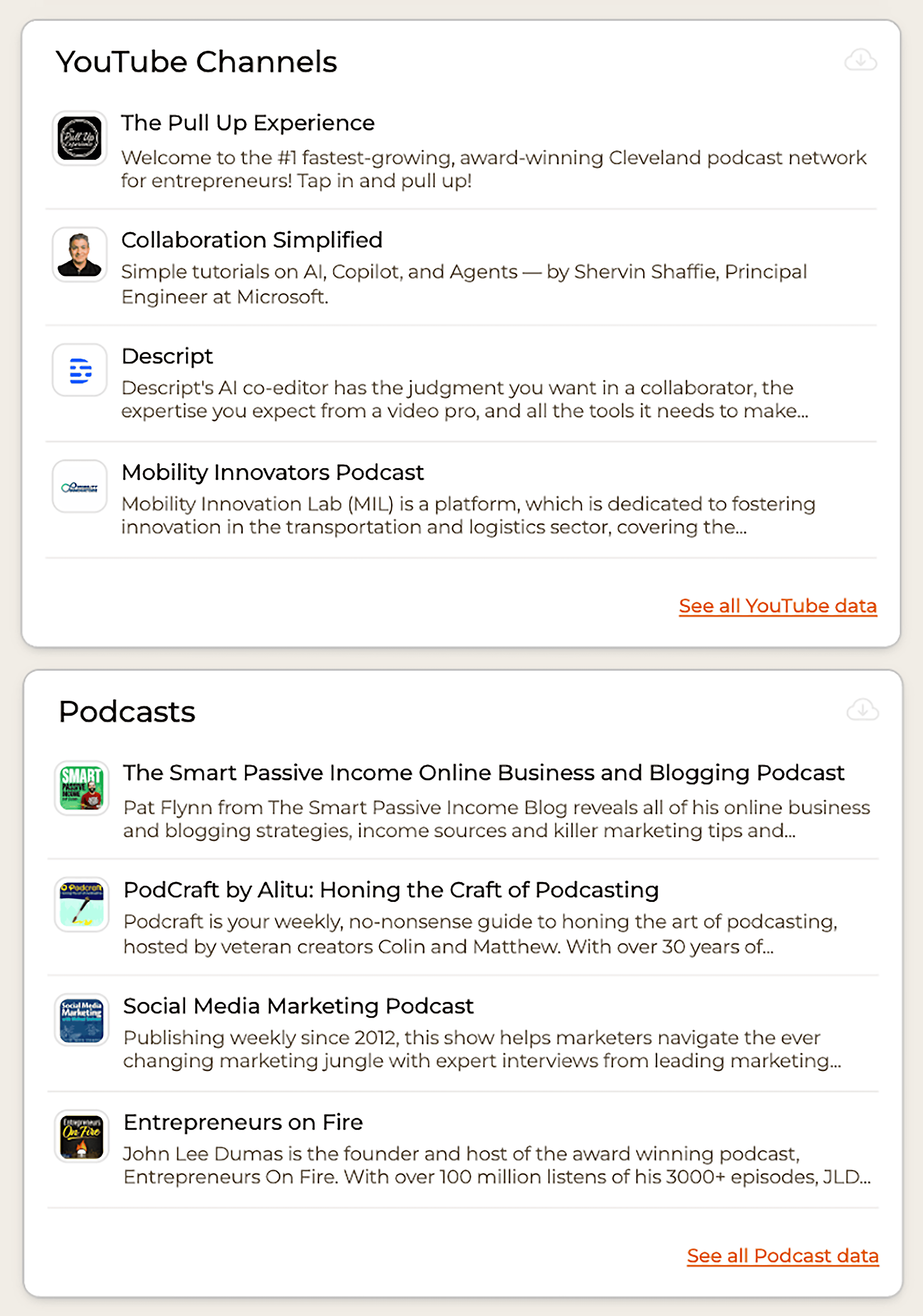
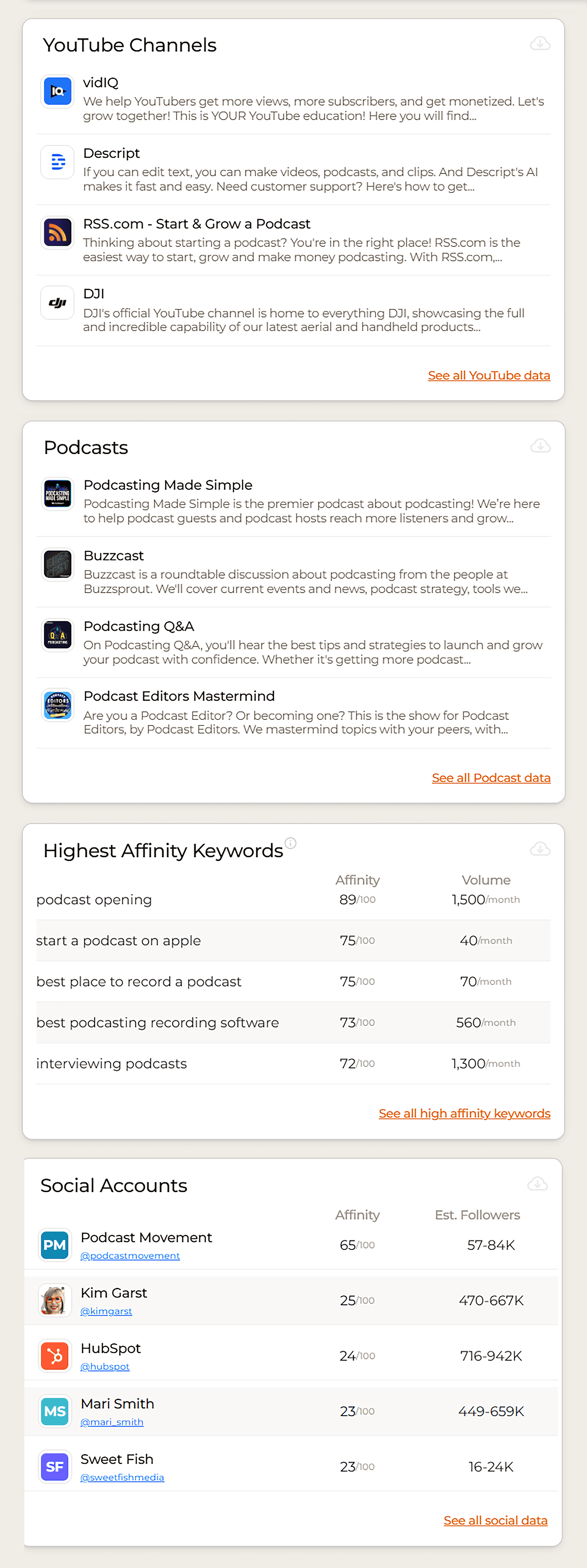
Beyond broad platform usage, SparkToro’s data can delve deeper into specific content consumption. For Marcus, the report reveals he actively watches YouTube channels focused on automation, editing, and business tutorials. This indicates a preference for educational content that addresses practical skill development. Similarly, he is active in several industry-related Reddit communities, likely participating in discussions, seeking advice, or observing prevailing trends.
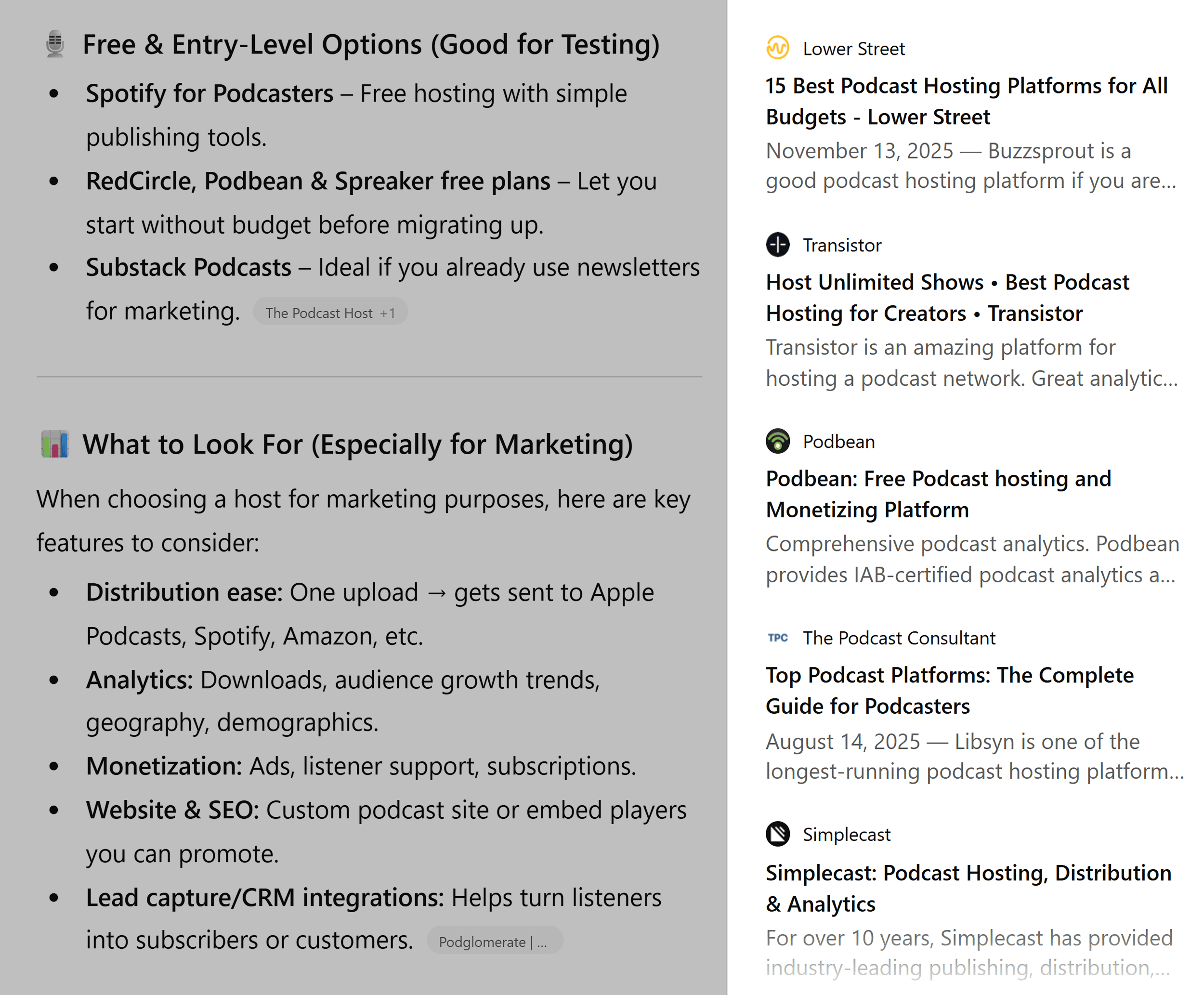
Given Marcus’s likely use of ChatGPT for research, it’s also beneficial to examine the sources that conversational AI platforms frequently cite. By inputting prompts that Marcus might use, such as "Which podcast hosting platforms should I use for marketing?", we can infer which sources hold authority in the AI’s training data. When large language models (LLMs) consistently reference the same sources, it suggests these sources are influential in shaping the information presented to users. Comparing these AI-cited sources with those identified through other research methods can validate findings or highlight new avenues for investigation.
The initial persona document for Marcus begins to take shape, incorporating these early findings about his search habits. This forms the bedrock for understanding his motivations and how to best connect with him.
What Exact Questions Are They Asking?
Understanding the exact questions your audience poses is crucial because their language often differs significantly from industry jargon. While companies might discuss "podcast production tools" and "integrated workflows," your audience is likely to use more personal and specific language, such as "What’s the easiest way to edit my podcast audio?" or "How can I get more listeners without spending a fortune?" Recognizing this linguistic gap is key to bridging the divide between how you describe your solution and how your audience experiences their problems.
How to Answer This Question
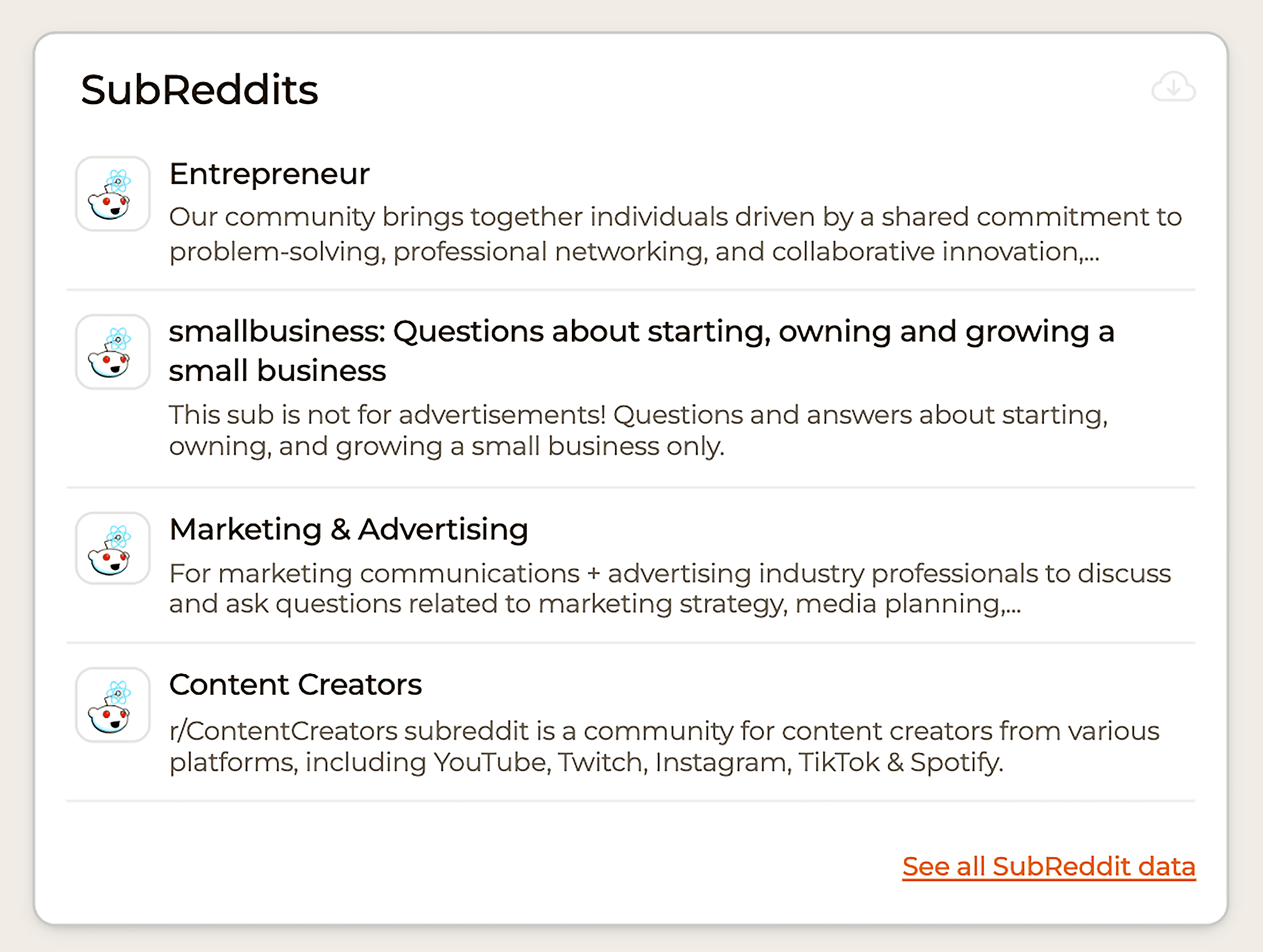
The process begins by revisiting the platforms and communities identified in the previous step. By searching for 3-5 topics relevant to your persona, you can analyze the context surrounding headlines, posts, and comments. This involves observing the specific phrasing, the level of detail, and the underlying intent behind their queries.
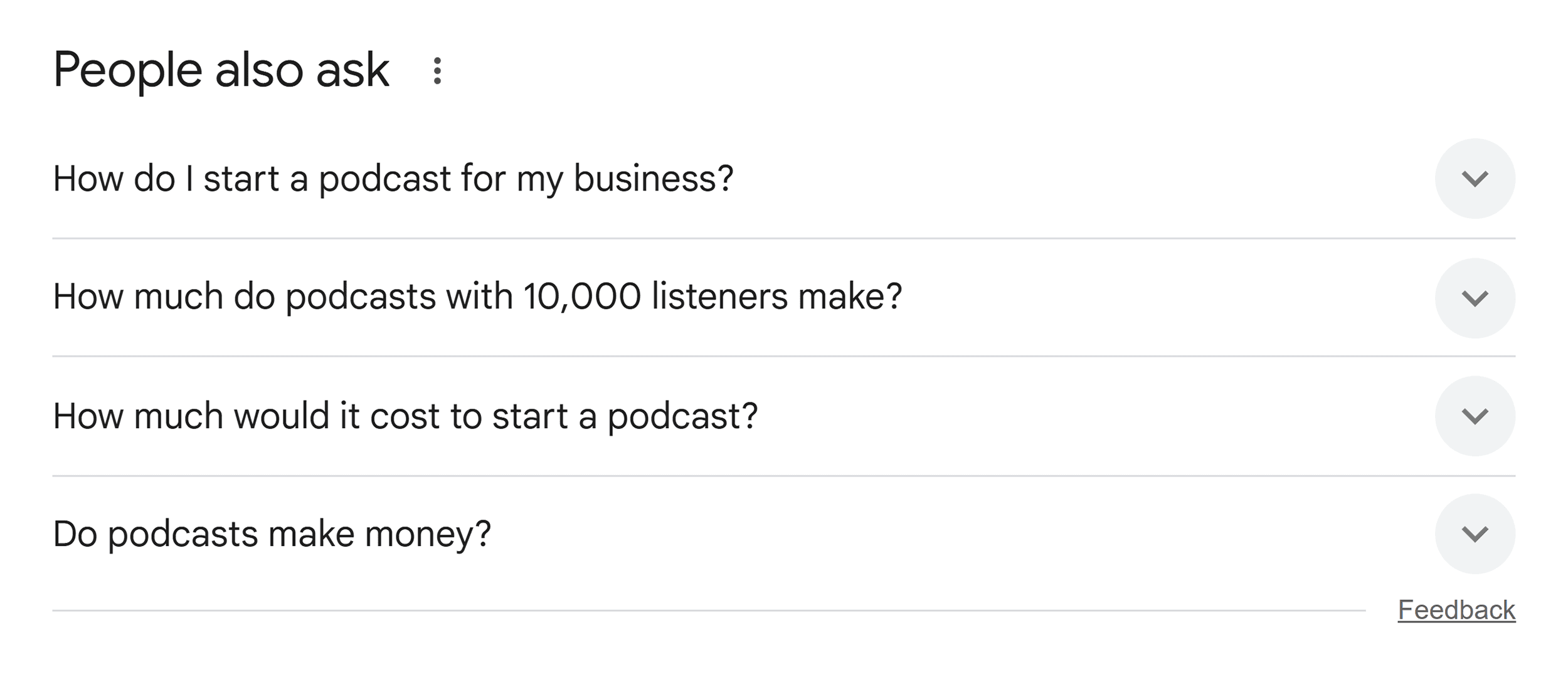
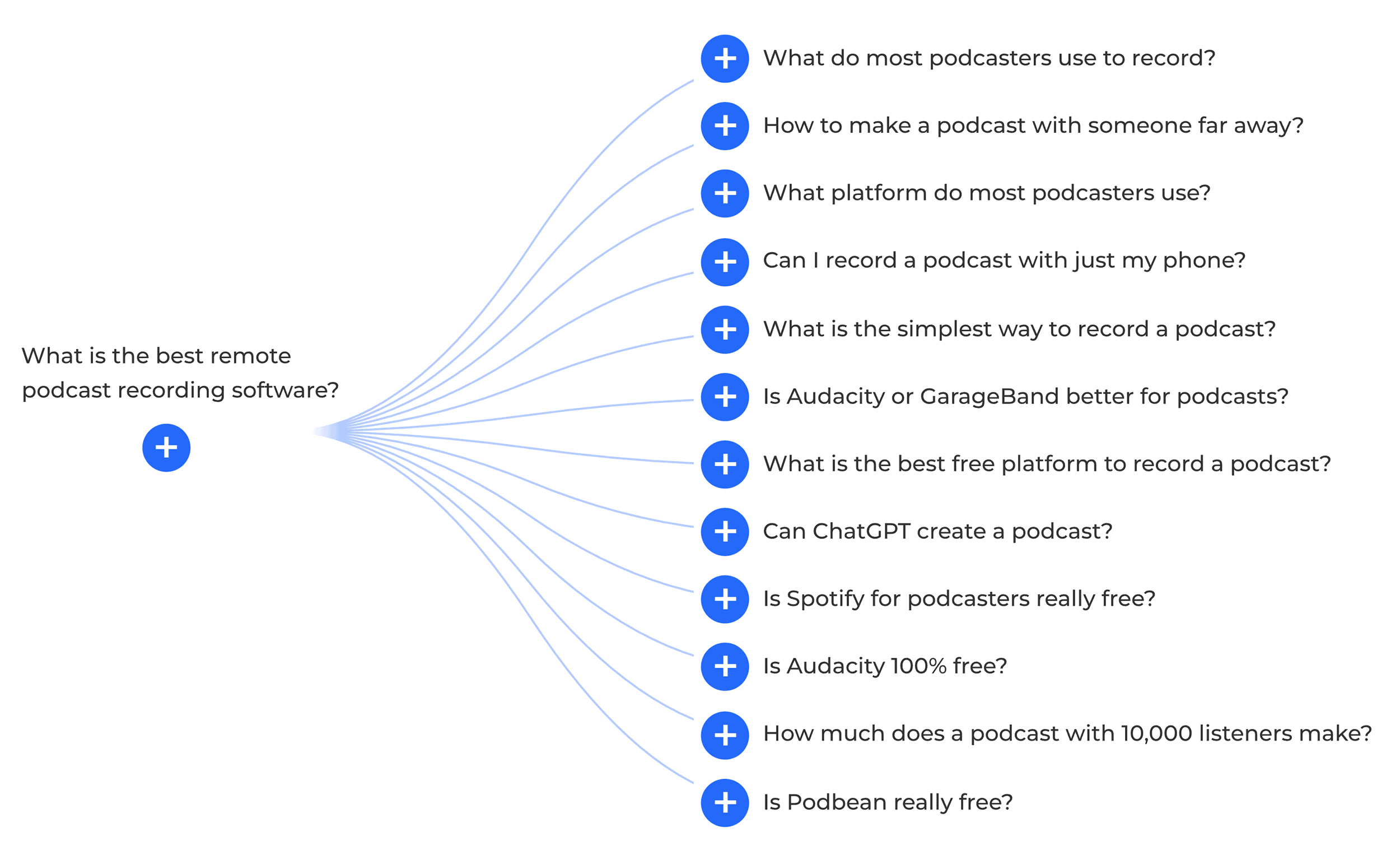
For example, a Google search for "how to start a podcast for a business" can be further refined by examining the "People Also Ask" (PAA) section. This feature often surfaces related questions that Marcus might have, such as "What are the best podcast hosting platforms for businesses?" or "How do I promote my business podcast?"
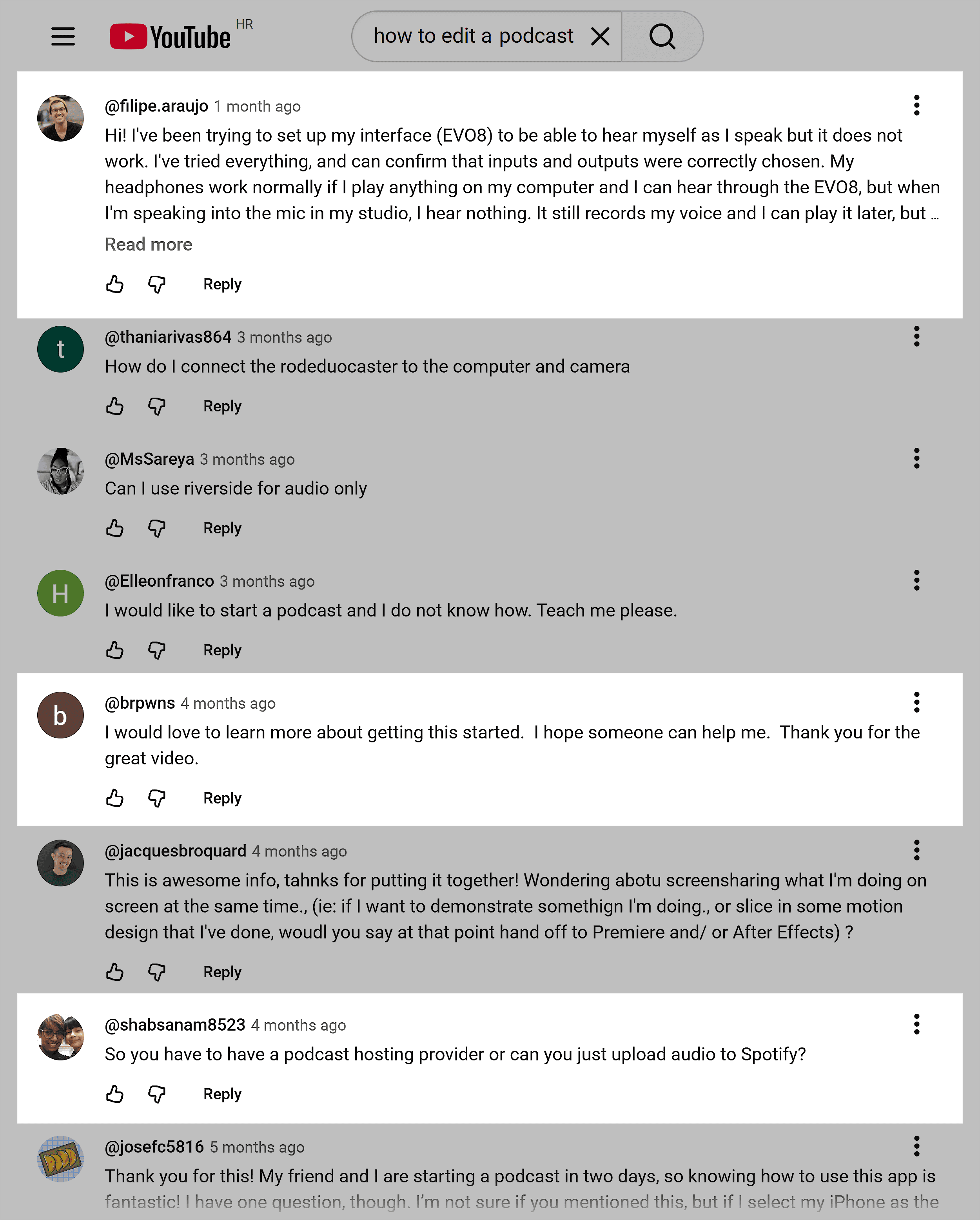
On YouTube, searching for "how to edit a podcast" and then reviewing video comments can reveal more granular questions. Users might ask follow-up questions about specific microphone issues, screen-sharing capabilities during editing, or preferred editing software for beginners. These comments provide insight into language and questions that extend beyond the video’s primary topic.
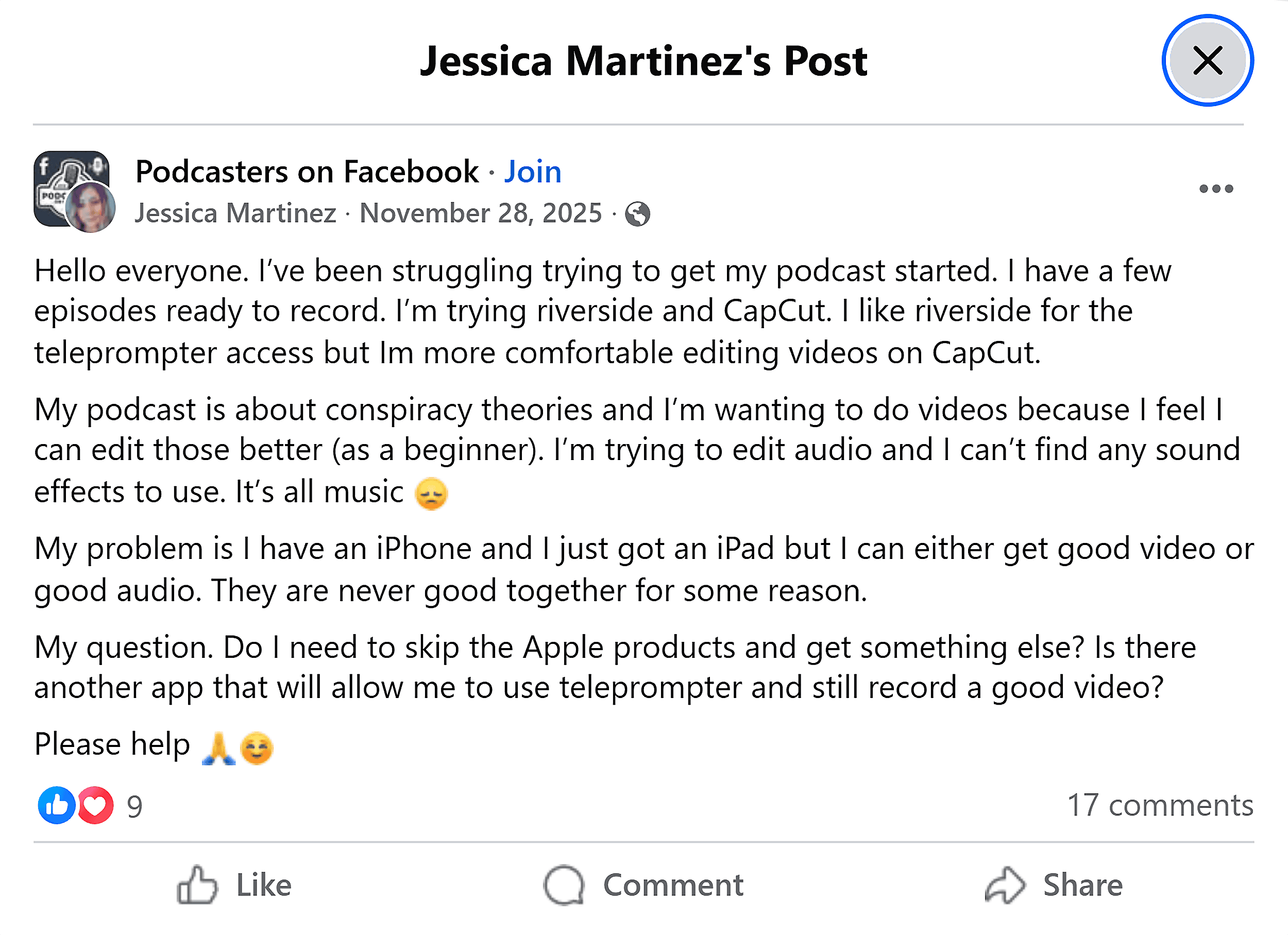
Similarly, examining Facebook Groups dedicated to podcasting can uncover questions related to user goals, constraints, and challenges. This unfiltered language provides a direct window into how Marcus articulates his needs when he’s encountering difficulties.
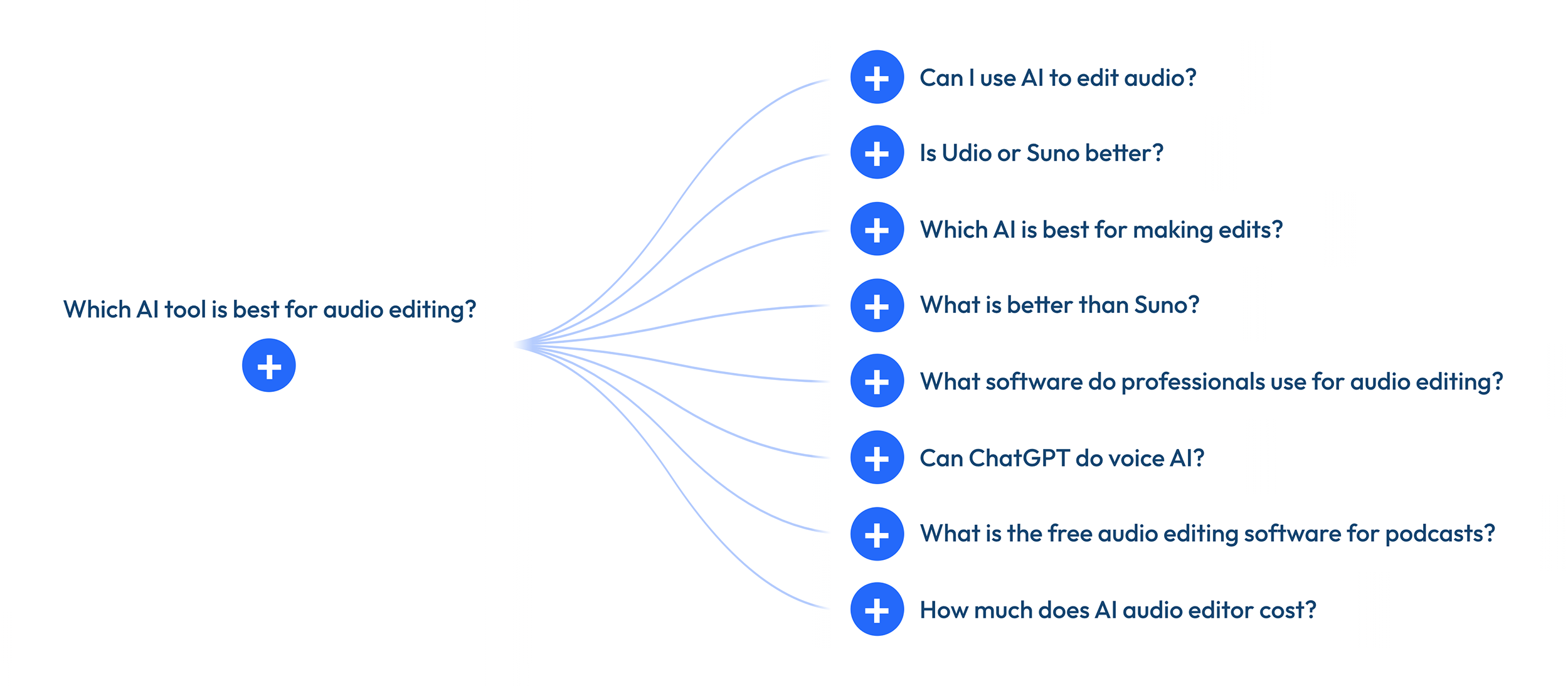
To visualize how these questions connect throughout a user’s search journey, a keyword research tool like AlsoAsked, AnswerThePublic, or Semrush’s Topic Research tool is invaluable. For Marcus, a search for "Best AI podcasting editing software" might reveal a progression of questions: "Which AI tool is best for audio editing?", followed by "Can I use AI to edit audio?", then "Which software do professionals use for audio editing?", and finally "How much does AI audio editor cost?" This journey mapping helps understand the evolving information needs of the persona.
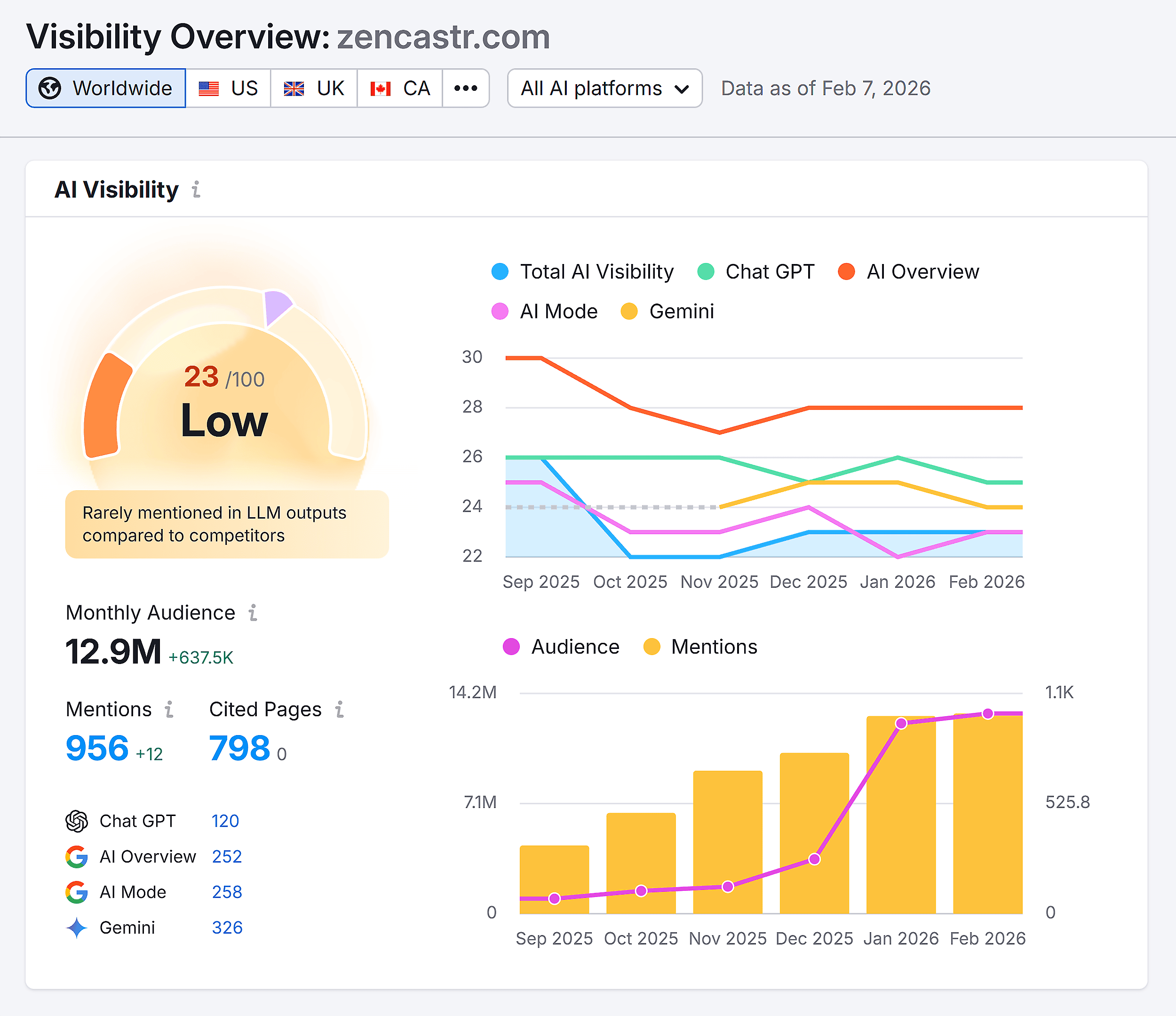
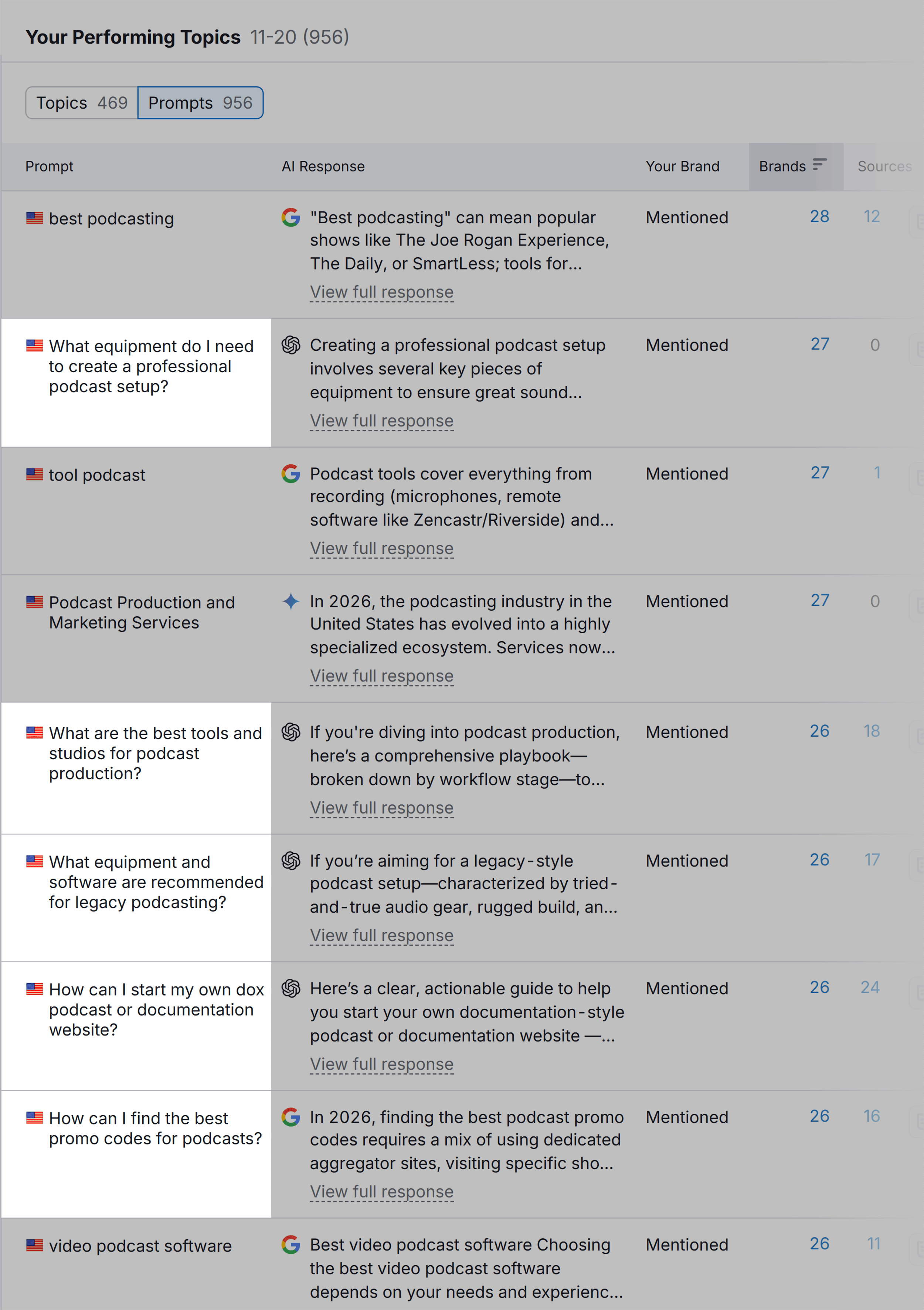
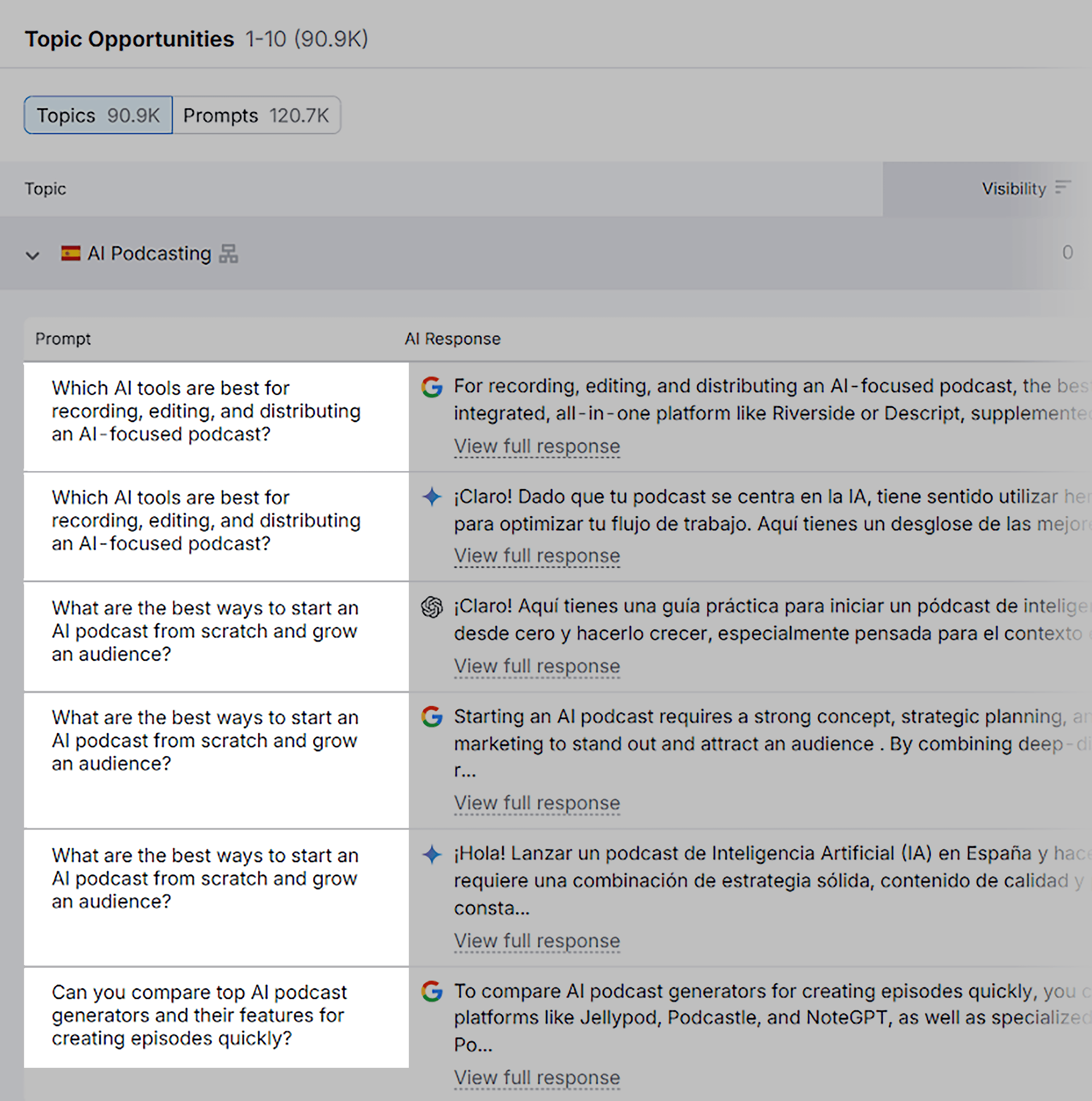
Furthermore, understanding how audiences search in AI-driven environments is increasingly important. Tools like Semrush’s AI Visibility Toolkit can reveal the exact prompts people use when searching topics related to your brand, and crucially, whether your brand appears in the AI-generated answers. For a real-world example, analyzing a platform like Zencastr.com reveals that it often appears in AI answers for questions such as "What are the best AI tools for podcast editing?" or "Which software offers automated transcription for podcasts?". This highlights content gaps, such as the question: "Which AI tools are best for recording, editing, and distributing an AI-focused podcast?" These identified questions are then synthesized into the persona document, providing a rich tapestry of the persona’s informational quest.
What Challenges Influence Their Search Behavior?
Challenges are the persistent, ongoing issues that fuel your persona’s search behavior. These overarching problems shape their decisions to seek solutions. Understanding these challenges allows you to:
- Develop more resonant content. By addressing the core difficulties your audience faces, your content becomes more relevant and impactful.
- Craft more persuasive marketing messages. Your messaging can directly speak to and acknowledge these challenges, fostering a sense of understanding and connection.
- Identify opportunities for new products or services. Persistent challenges can signal unmet needs within the market.
How to Answer This Question
The process of identifying challenges begins by meticulously reviewing the questions collected in the previous step. Underlying pain points often become evident through the language and nature of these inquiries.
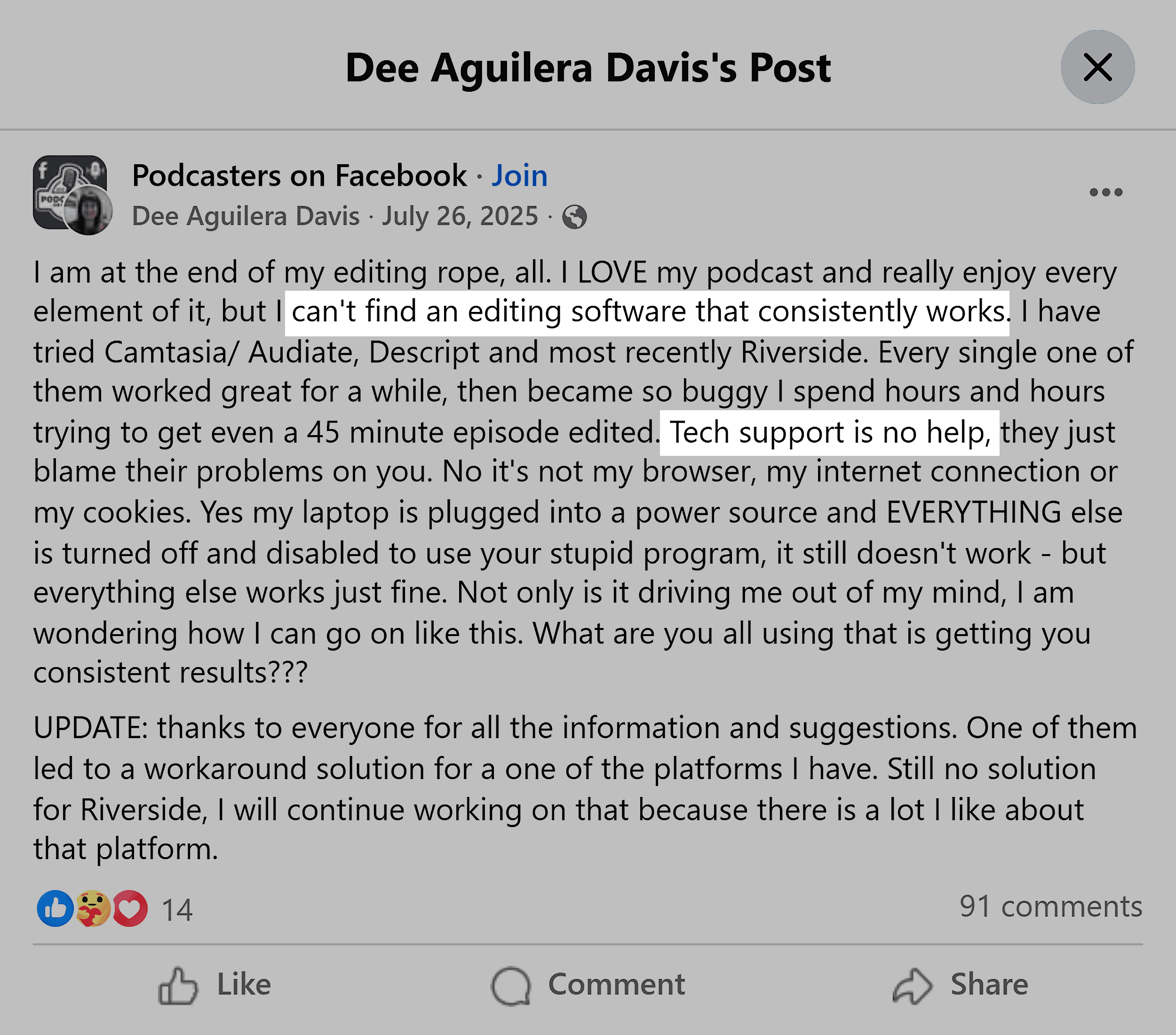
For instance, a post in a Facebook Group might reveal telling language for Marcus’s persona. A user expressing frustration with the complexity of certain tools, or the time required for audio editing, is highlighting a significant challenge. Phrases like "I’m struggling to find a tool that’s simple enough for me," or "It takes me hours to clean up my audio," directly point to challenges related to ease of use and time constraints.
A review of industry-specific platforms like G2, Capterra, or Trustpilot can also yield valuable insights. Users often detail recurring frustrations in their reviews. Positive reviews might mention what drove them to seek a new solution, such as poor audio quality or unreliable technology. For example, a review of a podcasting platform might highlight issues with backup losses, technical glitches, or the perceived complexity of the interface. These negative experiences reveal what users constantly struggle with, and these unresolved pain points are powerful drivers for seeking alternatives.
The language used in these reviews is particularly telling. When a user asks for the "easiest" and "most cost-effective" solution, they are signaling challenges related to their budget and their technical proficiency or available time. Analyzing this language helps to uncover the underlying motivations behind their search.
To efficiently process a large volume of this qualitative data, AI tools can be employed. By inputting reviews, questions, and phrases gathered from community discussions and review sites, an AI can identify recurring themes and pinpoint the top challenges faced by your persona. A prompt such as, "Analyze the following text snippets from customer reviews and forum discussions to identify the top 5 recurring challenges faced by users in the podcasting software market," can yield significant insights.
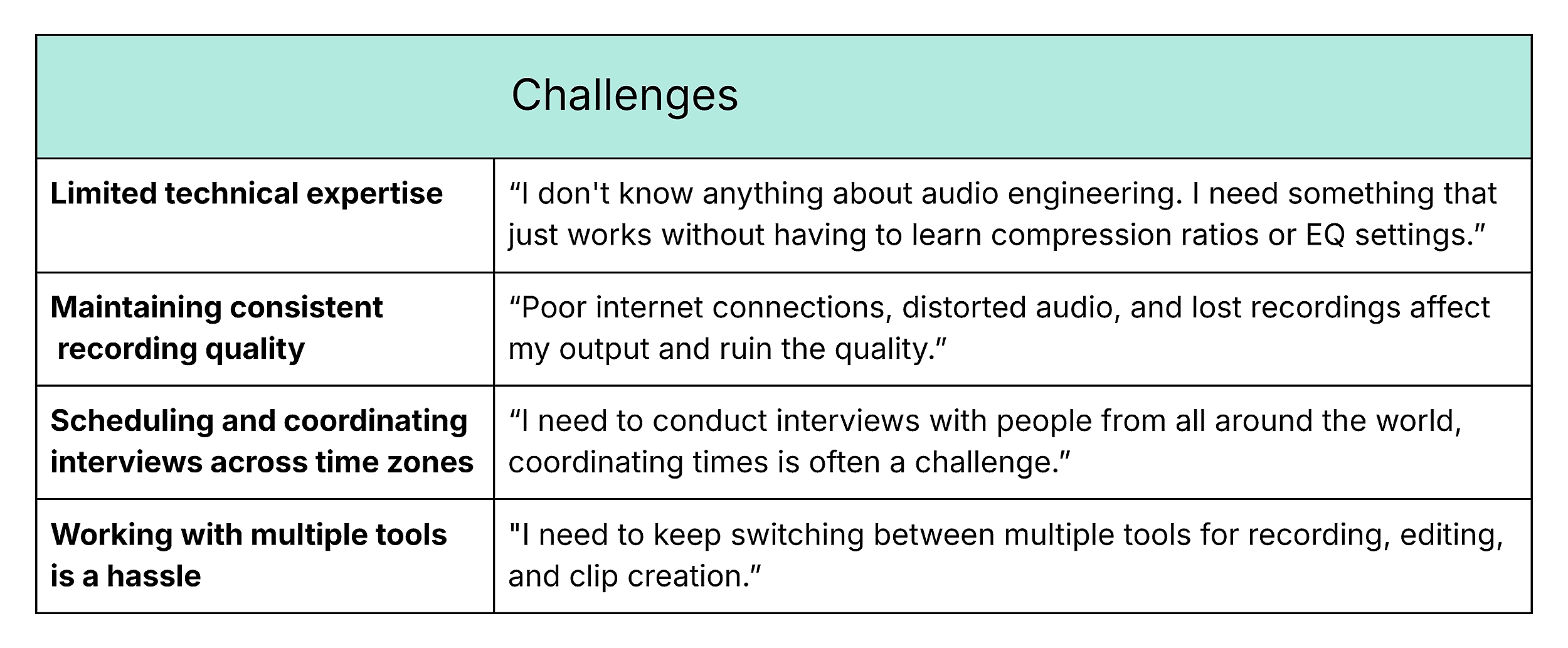
For Marcus, this analysis might reveal challenges such as:
- Limited budget: The need for cost-effective solutions.
- Time constraints: The struggle to balance podcasting with other professional responsibilities.
- Technical complexity: Difficulty in mastering intricate software or workflows.
- Achieving consistent quality: The ongoing effort to produce professional-sounding audio and engaging content.
- Audience growth and reach: The challenge of expanding listenership and visibility in a crowded market.
These identified challenges form a critical component of the persona document, providing a deeper understanding of the user’s needs and motivations.
What Triggers Them to Search Right Now?
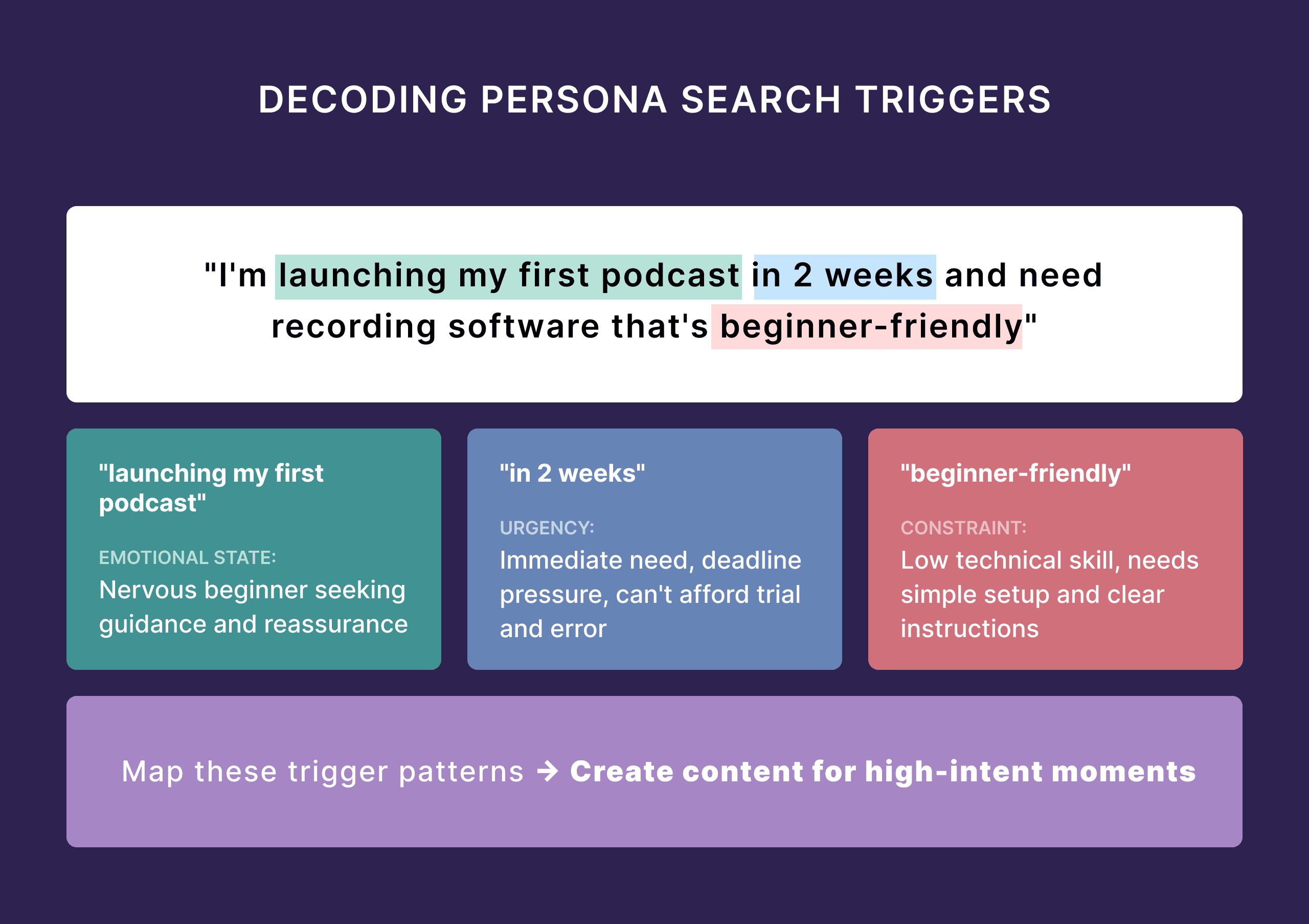
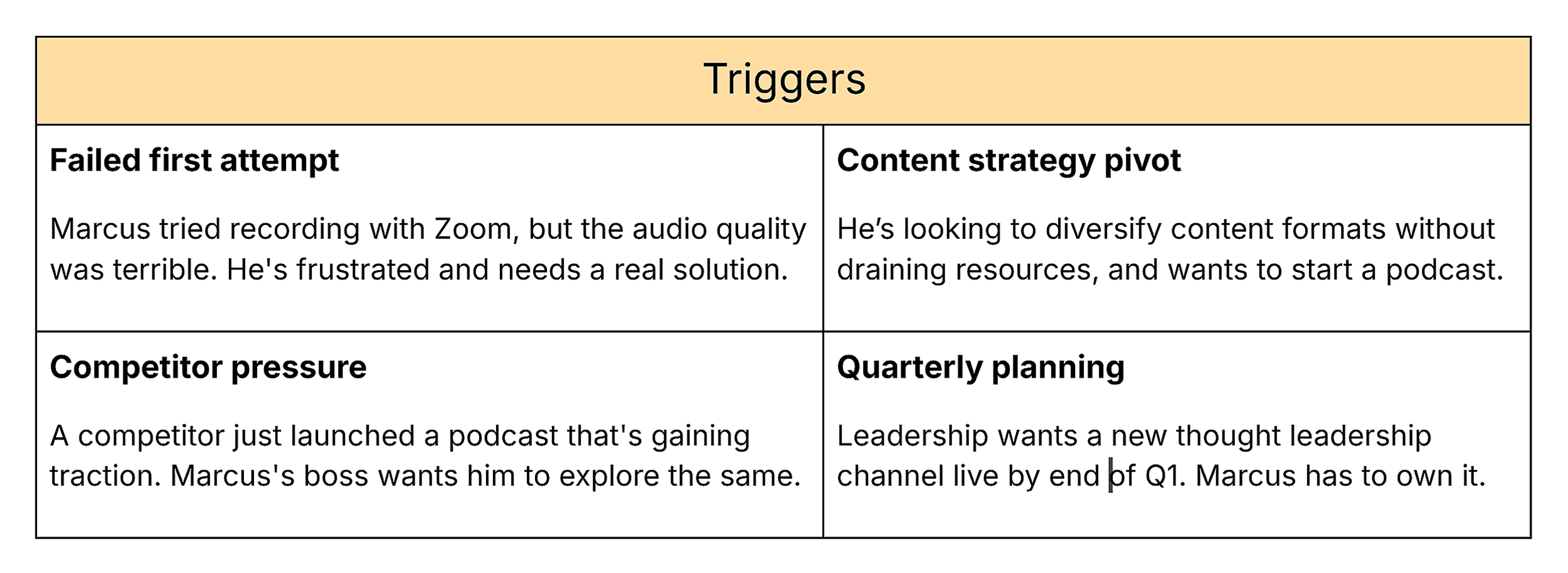
Search triggers are the specific events or goals that compel an audience member to initiate a search action at a particular moment. They are distinct from challenges, which represent ongoing constraints. While a limited budget or small team (challenges) might always be present, a trigger could be a manager’s request to improve audio quality by the next episode or a competitor’s successful podcast launch. Understanding these immediate motivators is crucial for reaching your audience when they are most receptive to information and solutions.
How to Answer This Question
If internal data is available, it serves as an excellent starting point. Sales and customer support teams often possess direct insights into the patterns that move prospects from passive interest to active decision-making. These conversations can reveal specific events or pressures that prompt immediate searches.
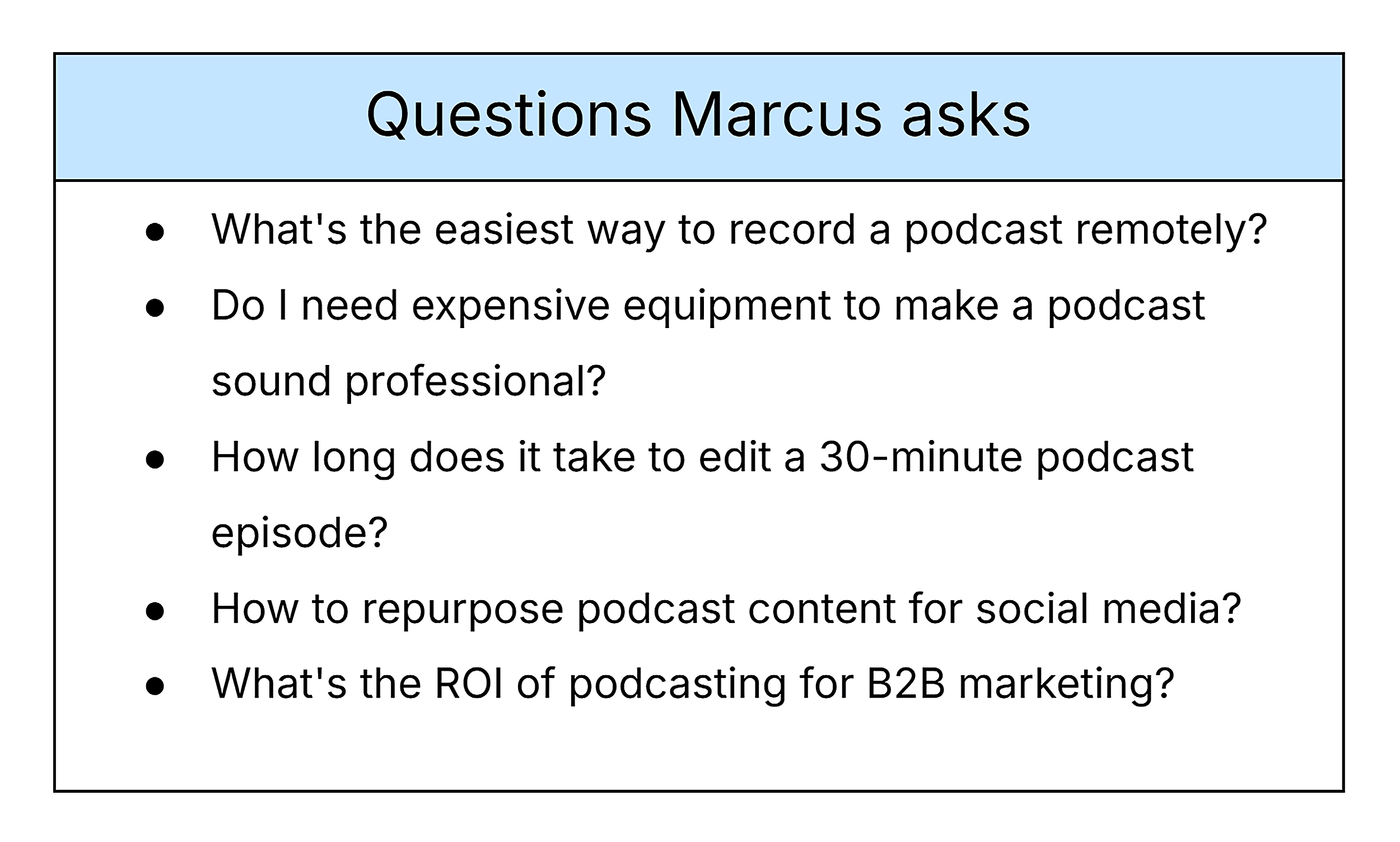
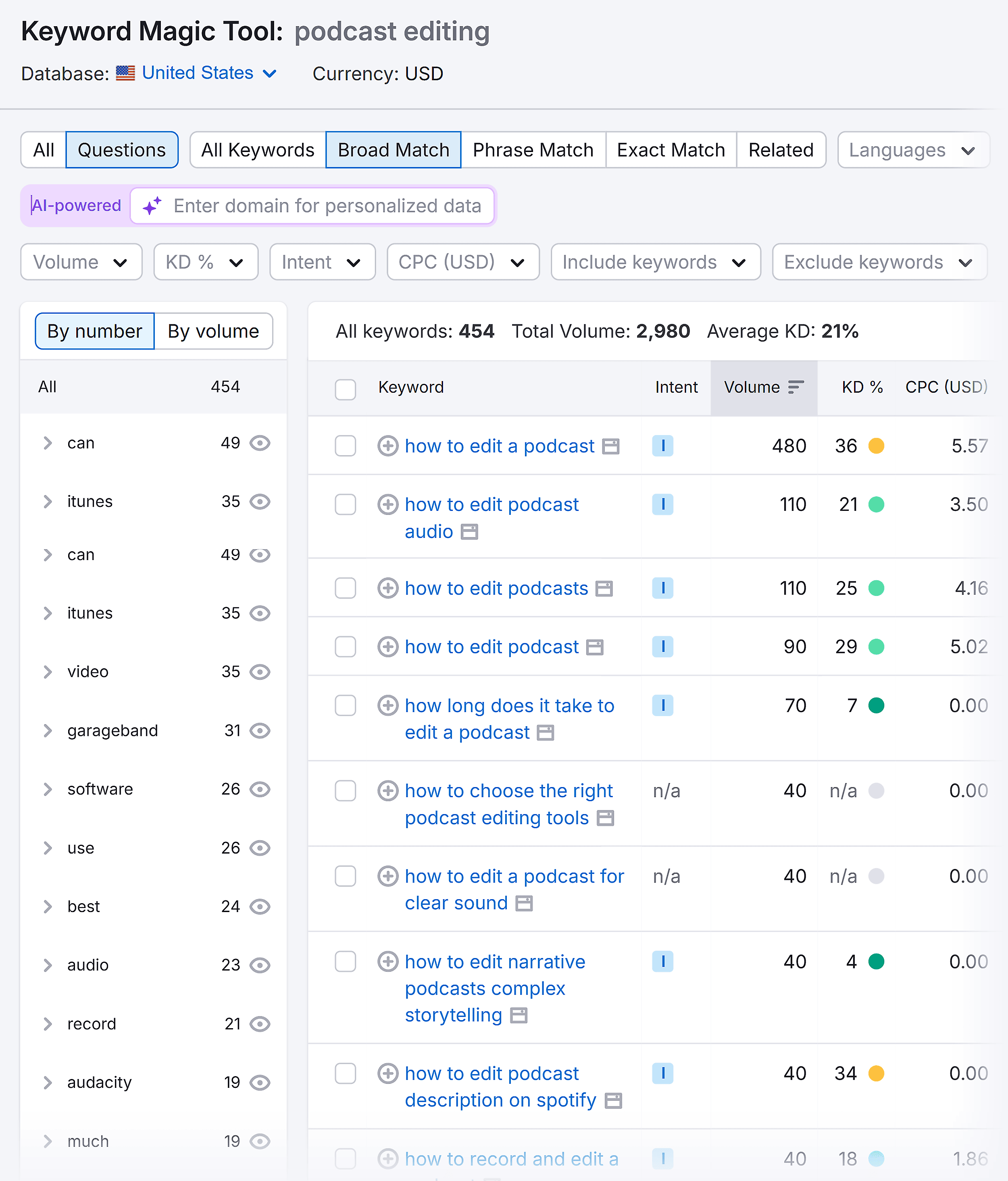
In the absence of direct internal intelligence, tools like AnswerThePublic, AlsoAsked, or Semrush’s Keyword Magic Tool can be utilized. These platforms help identify the language people use when they are actively seeking solutions. For instance, searching for keywords related to "podcast editing" within these tools might uncover questions that indicate a sense of urgency or a specific objective.
For Marcus, research using AlsoAsked might reveal questions such as: "How to fix audio distortion quickly?" or "What is the fastest way to edit podcast episodes?" These questions suggest a need for immediate solutions, possibly driven by an upcoming deadline or a desire to quickly iterate on content.
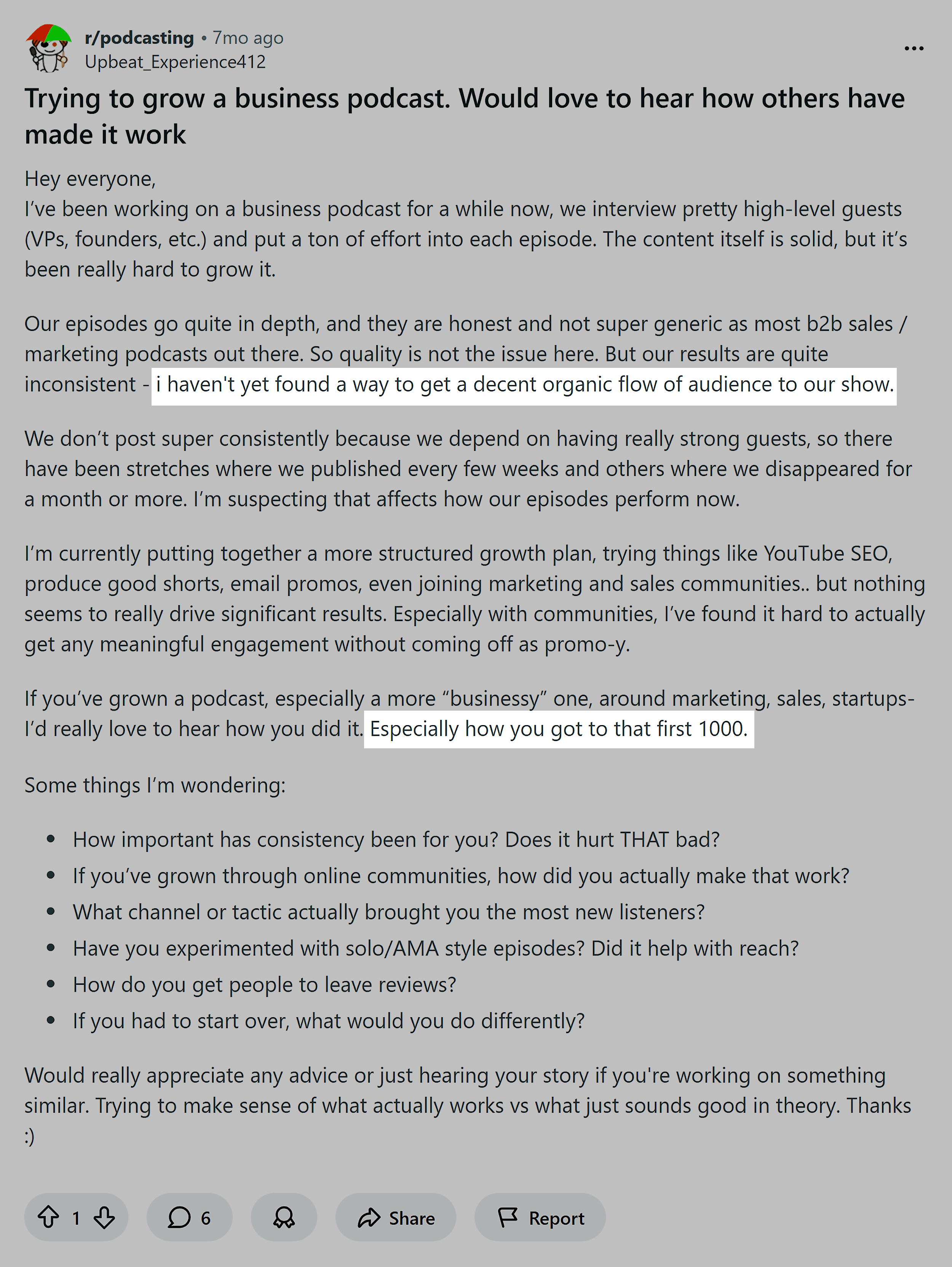
Community spaces, such as Reddit forums, are also rich sources for identifying triggers. A user posting about experiencing a growth plateau despite producing high-quality content, or expressing a goal to reach a specific listener milestone (e.g., their first 1,000 listeners), clearly articulates a trigger event. This user is actively seeking solutions because they have hit a developmental hurdle or are striving to achieve a defined objective.
When faced with a large volume of qualitative data from these sources, an AI tool can expedite the identification of triggers. A prompt like, "Analyze the following posts and comments from online communities to identify the primary triggers that motivate users to search for podcasting solutions," can quickly synthesize these insights.
For Marcus, the identified triggers might include:
- Upcoming deadlines: A looming publication date for an episode.
- Performance plateaus: Stagnation in audience growth or engagement.
- New project launches: The initiation of a new podcast or marketing campaign.
- Competitive actions: Observing competitors achieving success with their podcasting efforts.
- Managerial directives: Specific requests or requirements from superiors regarding podcast quality or output.
- Personal goals: A desire to achieve a specific listener count or improve a particular aspect of their podcast.
These triggers provide a temporal dimension to the persona, helping to time marketing efforts and content delivery to moments of high audience receptivity.
What Language Resonates (and What Turns Them Off)?
The language employed in marketing and content creation has a profound impact on audience perception. The right words can make individuals feel understood and build trust, while the wrong language can create friction and drive them away. Understanding the nuances of your persona’s preferred lexicon is critical for crafting messaging that fosters trust and motivates action.
How to Answer This Question
This step involves a deep dive into the language patterns observed in the research conducted for identifying challenges and triggers. The focus shifts to the specific words, phrases, and tone that your persona uses when discussing their needs, frustrations, and aspirations.
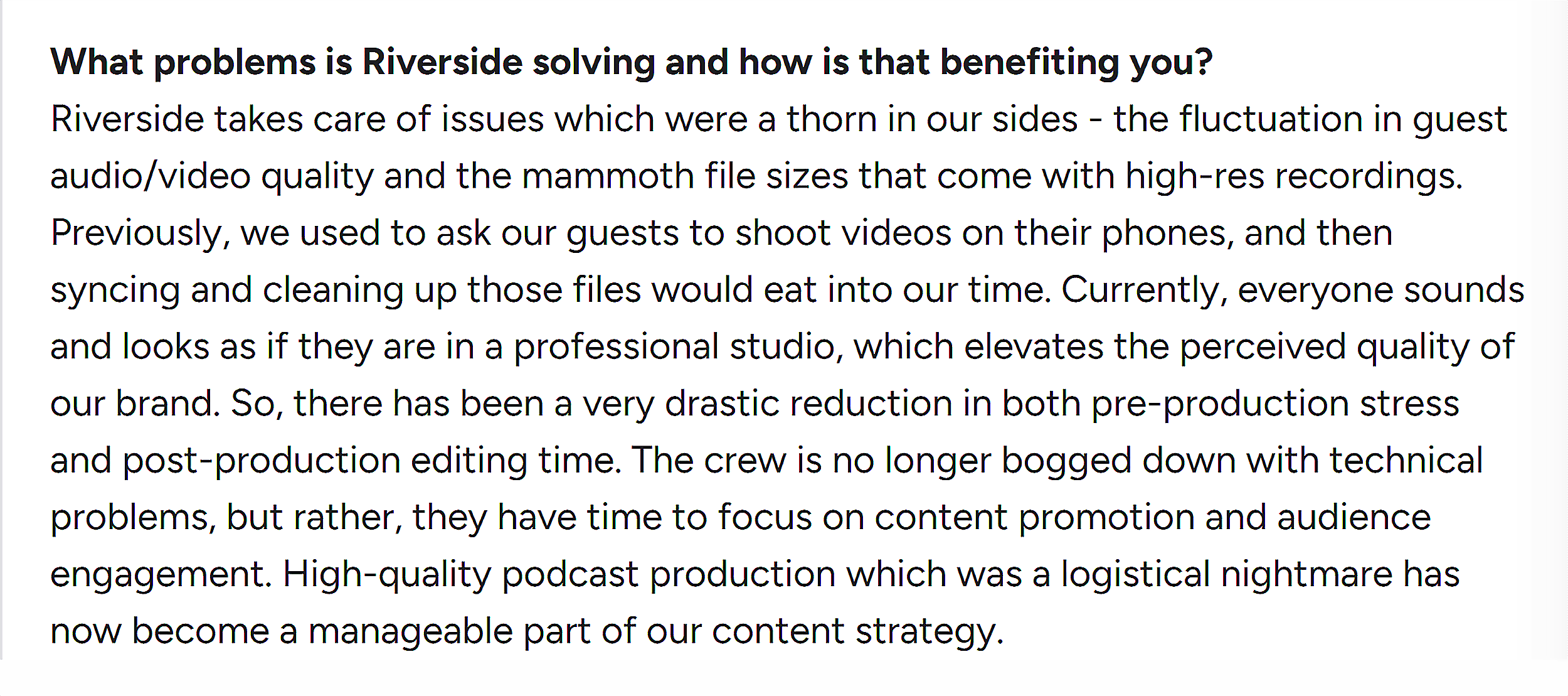
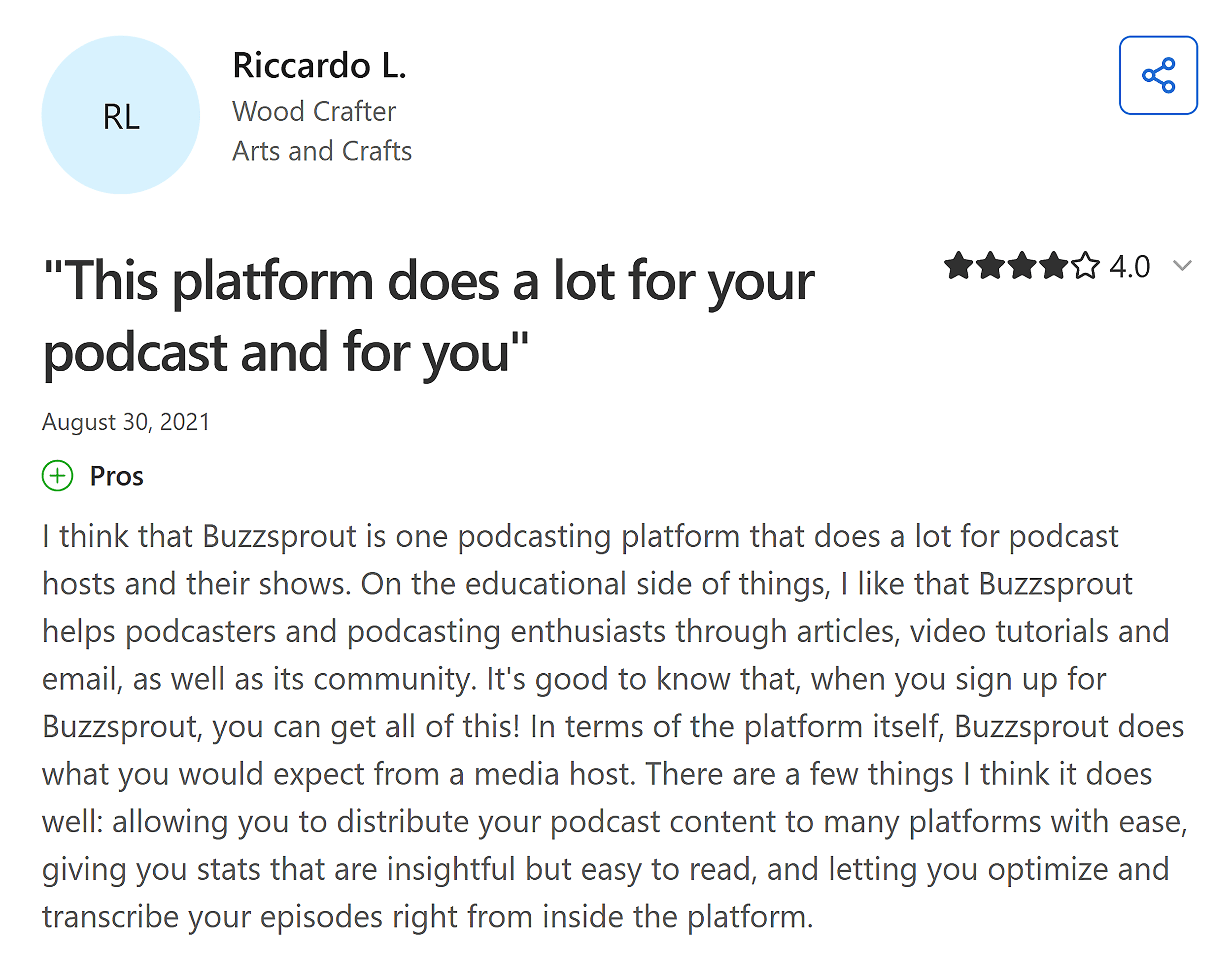
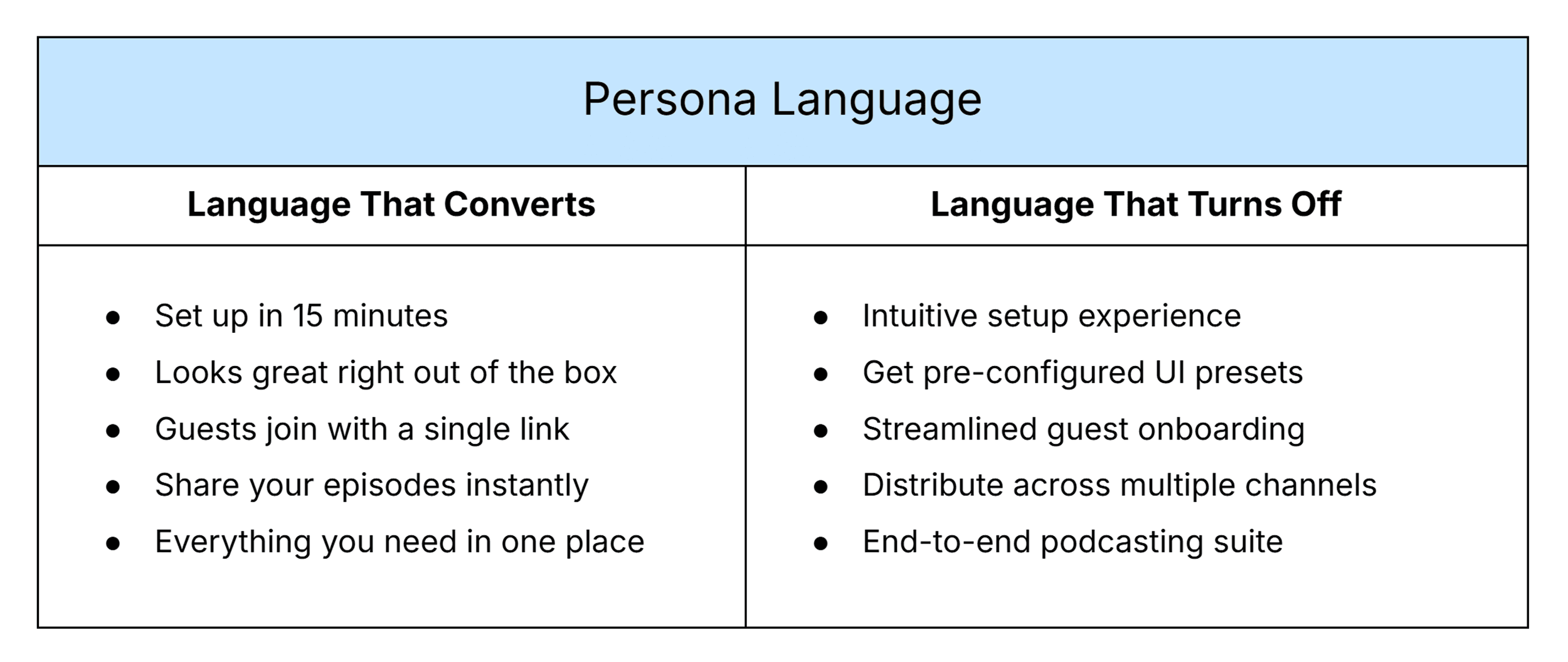
Reviewing reviews on platforms like Capterra can reveal language that signals preferences. For example, users praising podcasting platforms that "do a lot" and allow them to "distribute with ease" are expressing a preference for comprehensive, user-friendly solutions. This language suggests that Marcus would likely respond well to messaging that emphasizes functionality without overwhelming complexity.
Further examination of community discussions, such as those on Reddit’s r/podcasting, can highlight benefit-focused language. A user might write about valuing "automatic transcripts" or seeking a solution that offers "simplicity." This contrasts with technical jargon like "AI-powered transcription engine" or "enterprise-grade recording infrastructure." This indicates that for this persona, direct language emphasizing tangible outcomes and ease of use is more effective than technical specifications.

To efficiently analyze large datasets of text for linguistic patterns, an AI tool can be utilized. A prompt such as: "Analyze the following customer reviews and forum posts to identify the most commonly used positive and negative language by individuals seeking podcasting solutions. Categorize the language by themes such as ease of use, cost, features, and effectiveness," can provide structured insights.
For Marcus, this analysis might reveal:
- Positive Resonance: Words and phrases emphasizing simplicity, efficiency, affordability, comprehensive features, and demonstrable results. For example: "easy to use," "saves time," "cost-effective," "all-in-one solution," "gets results," "improves quality."
- Negative Resonance: Language that suggests complexity, hidden costs, poor support, or a lack of essential features. For example: "confusing," "expensive," "unreliable," "limited," "steep learning curve."
By understanding these linguistic preferences, content and marketing messages can be tailored to align with the persona’s natural communication style, thereby increasing engagement and trust.
What Content Types Do They Engage With Most?
Understanding an audience’s preferred content types is essential for capturing their attention and maintaining engagement. Creating comprehensive content is only effective if it aligns with how the audience consumes information. If your target audience prefers video reviews over written guides, a lengthy article, however informative, might be overlooked.
How to Answer This Question
The process begins by revisiting the platforms identified as most frequented by your persona in the initial research phase. The next step is to analyze which content formats perform best on each of these platforms.
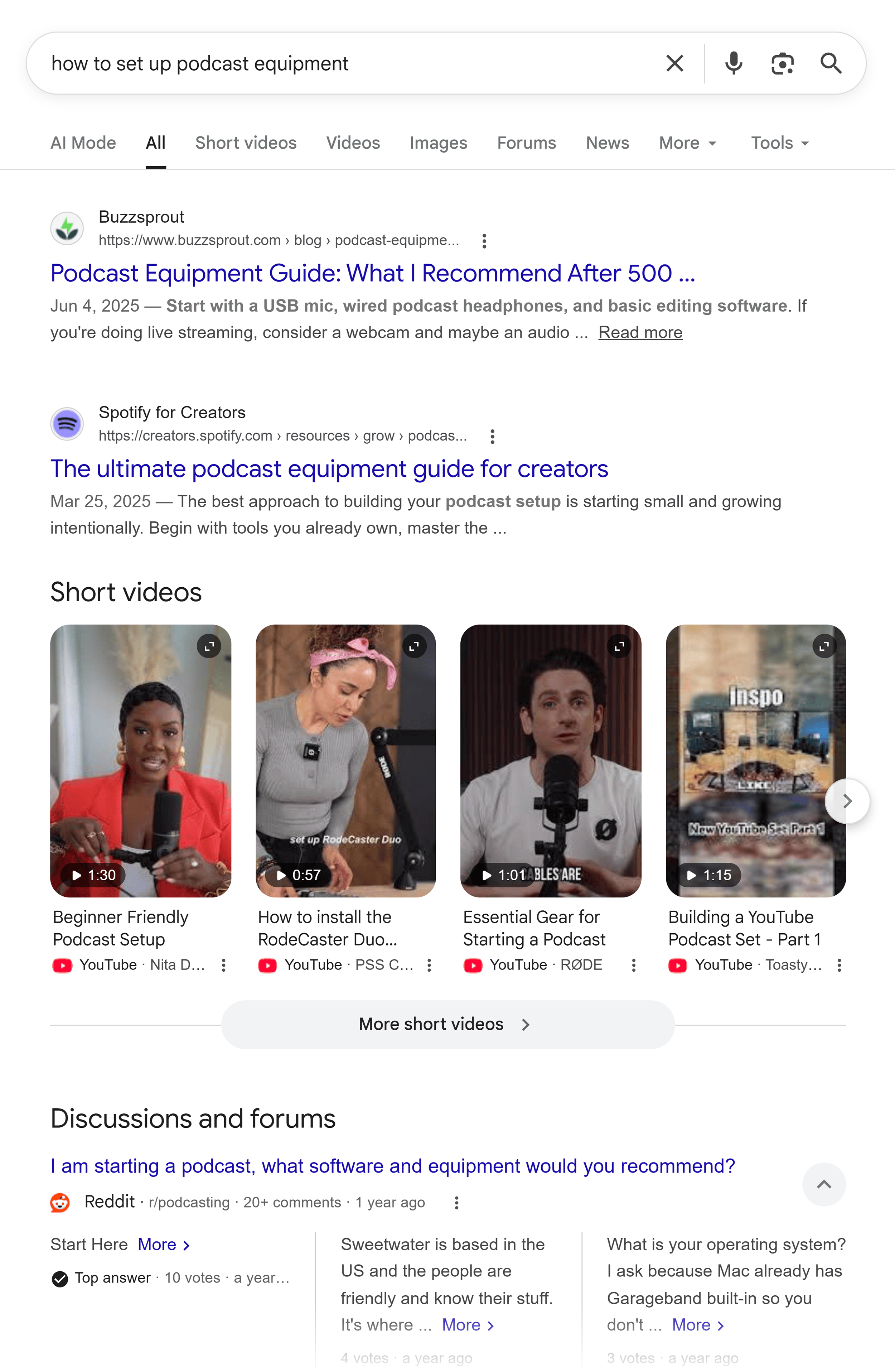
Conducting targeted Google searches can reveal preferred content types for specific queries. For example, a search for "how to set up podcast equipment" might yield a mix of results: in-depth articles, video tutorials, and community discussions. This suggests that for this particular query, a multi-format approach is effective.
However, relying solely on search engine rankings can be misleading. It is crucial to analyze content directly on the platforms where your persona spends their time. For instance, searching for "how to distribute a podcast" on YouTube and assessing the top 20 videos and Shorts can provide valuable data. Key metrics to observe include:
- Average view duration: How long users watch the video.
- Engagement metrics: Likes, comments, and shares.
- Content format effectiveness: Whether short-form videos (Shorts) or longer, in-depth tutorials are more successful for specific types of queries.
Additionally, examining the creators your persona follows on these platforms, as identified in earlier research (e.g., from the SparkToro report), offers further clues. Observing the types of content these creators produce and the engagement they receive can highlight what resonates with your shared audience.
Pay attention to:
- Video length: Are shorter, concise videos or longer, more detailed ones more popular?
- Format: Do users prefer talking-head explanations, screen recordings, animated explainers, or a combination?
- Engagement signals: What types of videos generate the most comments and discussions?
Once this data is collected, look for patterns. Alternatively, an AI tool can assist in synthesizing these findings. A prompt such as, "Analyze the following data on video content engagement (view duration, likes, comments) across different formats (tutorials, Shorts, interviews) for the topic of podcast distribution. Identify which formats generate the highest engagement and the reasons why," can quickly identify key trends.
For Marcus, this analysis might reveal that 5- to 15-minute video tutorials related to podcast setup and distribution generate the highest engagement. Conversely, Shorts might consistently underperform for instructional queries, indicating a preference for more in-depth explanations. This information allows for the ranking of content types by engagement level (high, medium, low), providing a clear directive for content creation efforts.
What Proof Points and Signals Matter?
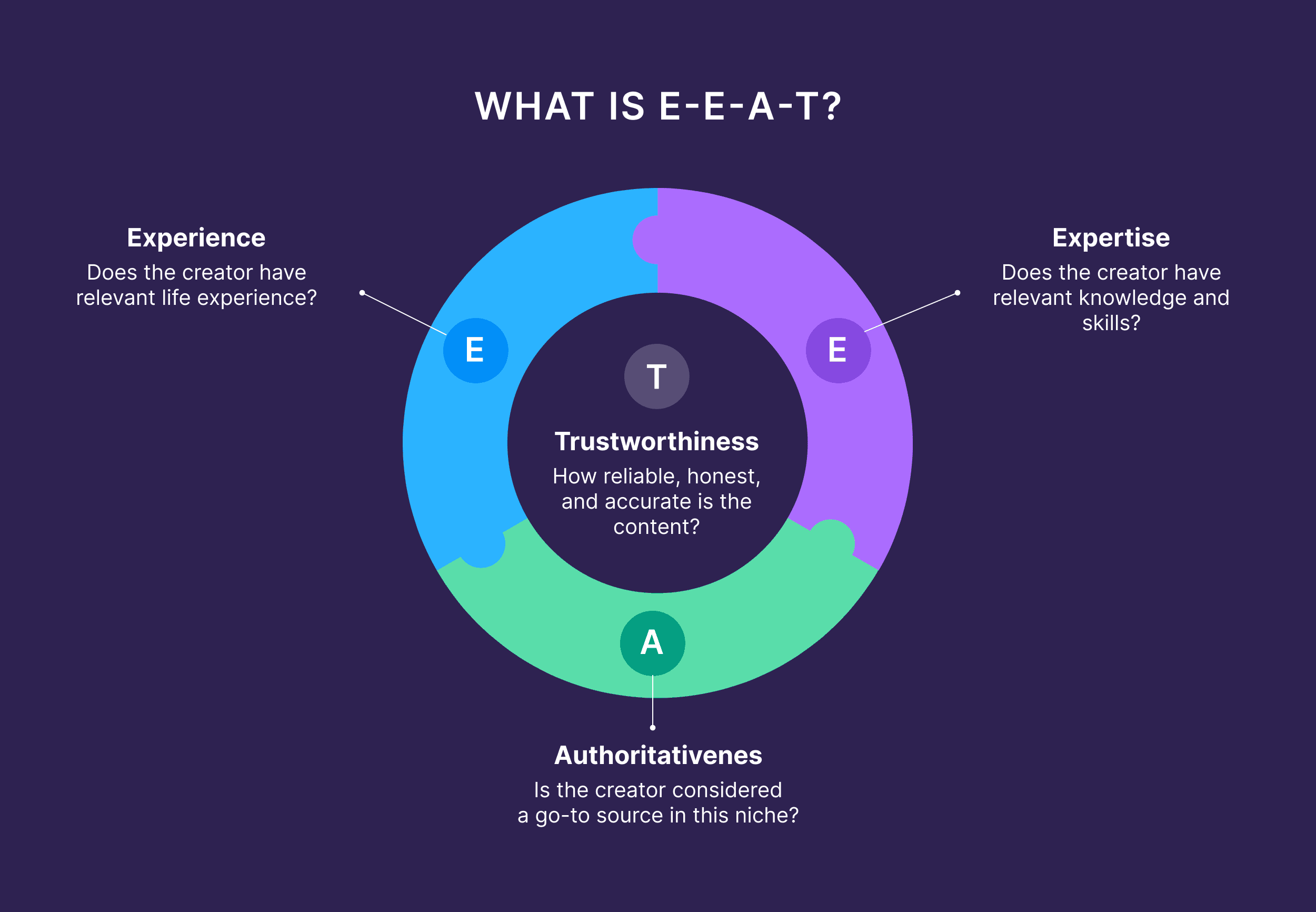
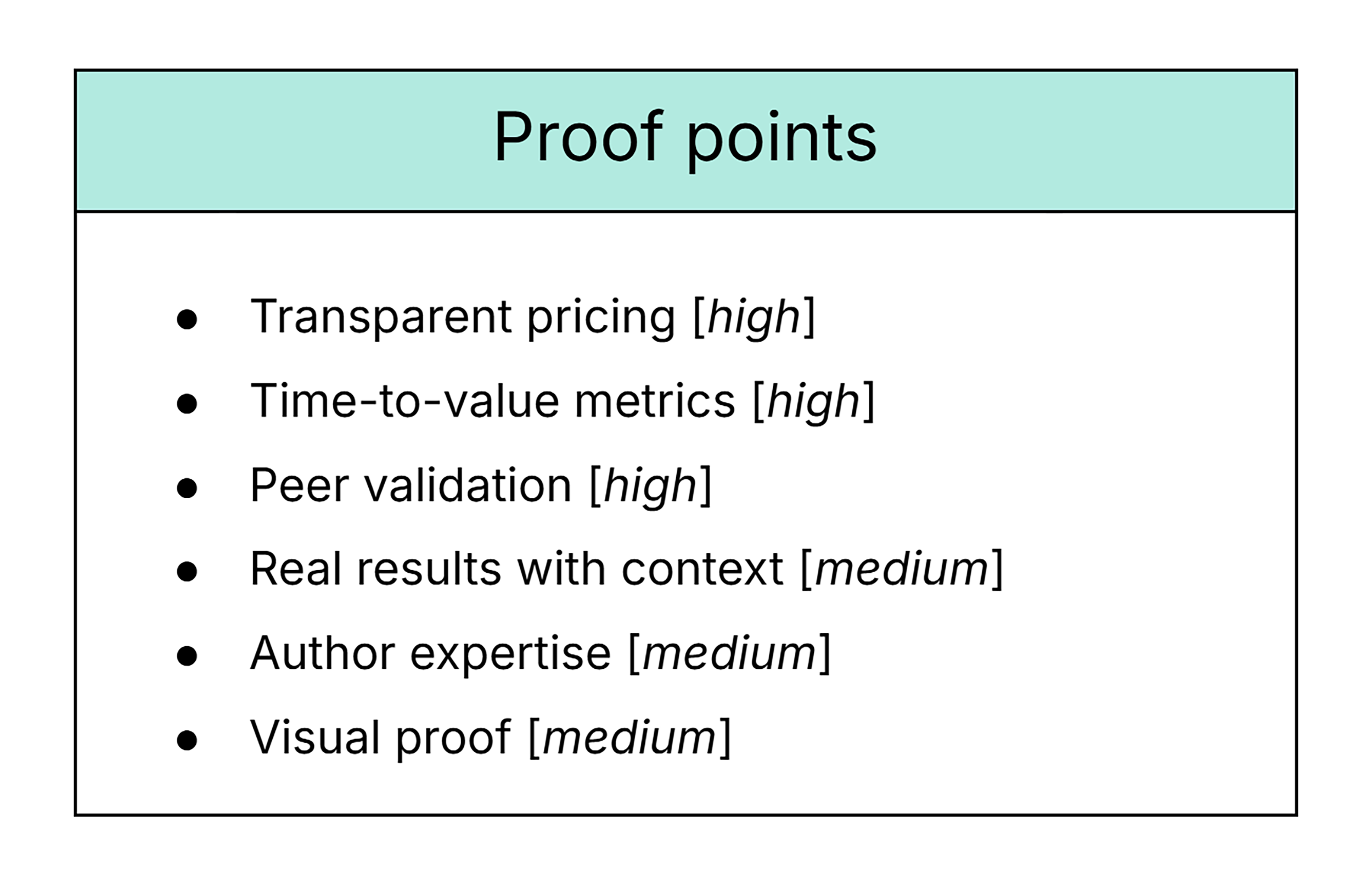
Proof points are the elements that influence whether an audience member acts on your content or disengages. They are also a critical ranking factor for search engines and AI models, as they contribute to demonstrating Experience, Expertise, Authoritativeness, and Trustworthiness (E-E-A-T). Different personas may place varying importance on different types of proof points, making it essential to understand what builds credibility for each specific audience segment.
How to Answer This Question
The initial step involves identifying common trust markers on the platforms your persona frequently uses. This requires examining websites and content that rank well for relevant search terms. Look for:
- Customer testimonials and reviews: Direct feedback from satisfied users.
- Case studies: In-depth examples of how a product or service has solved problems for clients.
- Awards and recognitions: Industry accolades that signify excellence.
- Expert endorsements: Recommendations from recognized authorities in the field.
- Data and statistics: Quantifiable evidence of effectiveness or impact.
- Certifications and credentials: Professional qualifications that demonstrate expertise.
- Security badges and trust seals: Indicators of a secure and reliable online presence.
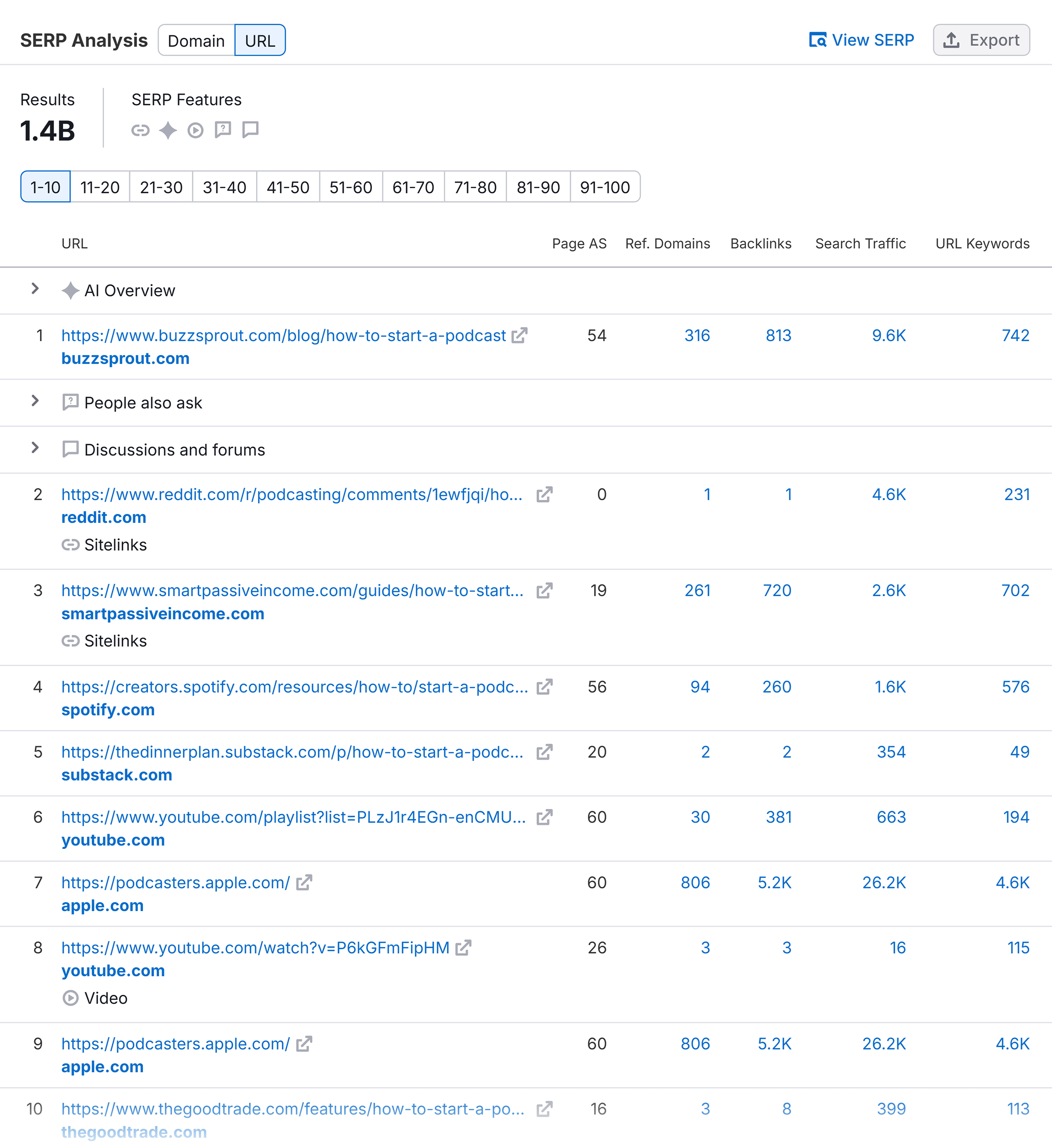
Tools like Semrush’s Keyword Overview can assist in this research. By entering a relevant keyword, such as "how to start a podcast," and reviewing the SERP Analysis report, you can identify the domains that rank well. A thorough review of 20 to 50 pages from these ranking domains, organized in a spreadsheet, will reveal the prevalence and prominence of various proof points.
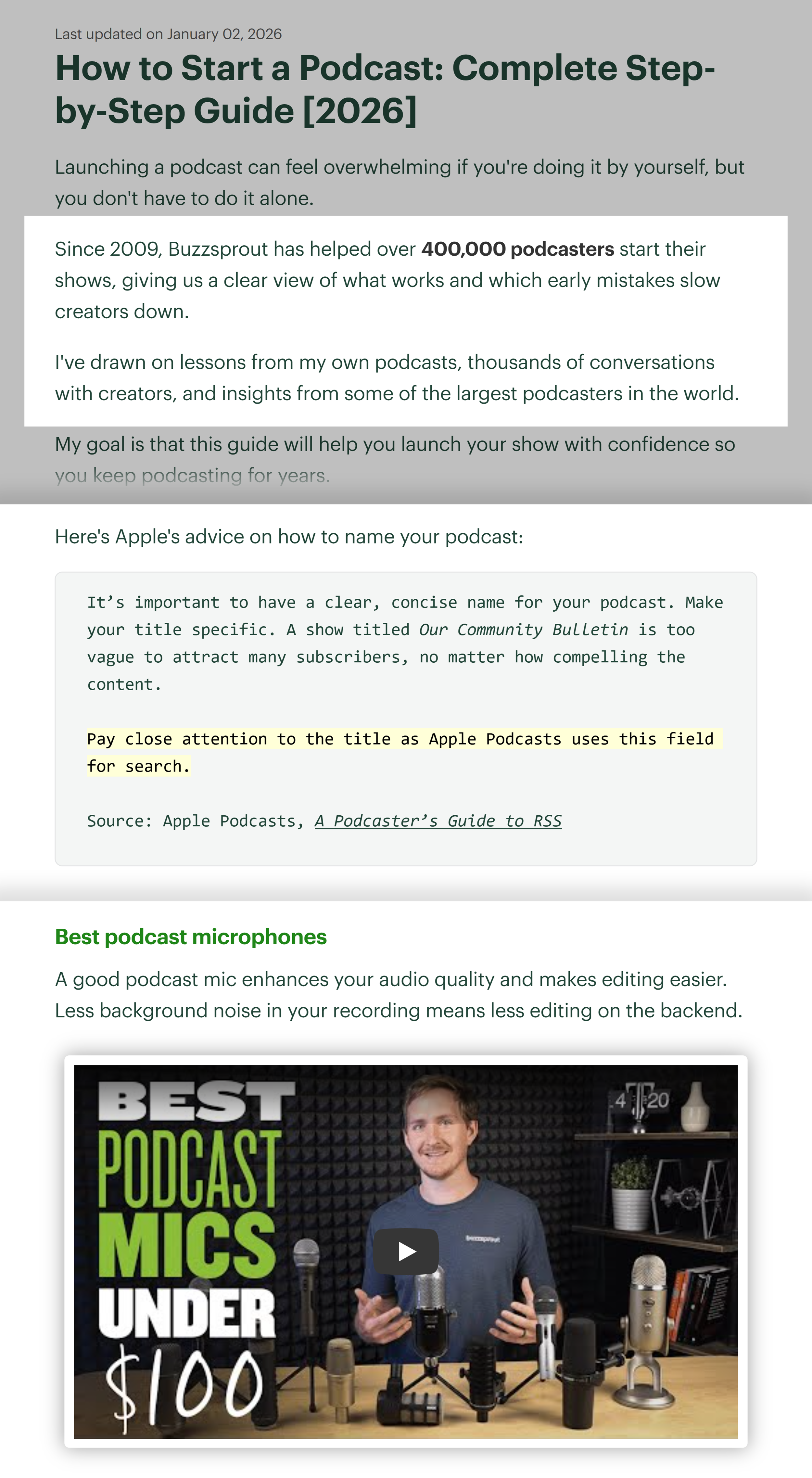
For example, an analysis of articles on how to start a podcast might reveal that Buzzsprout, a popular podcasting platform, frequently utilizes the following proof points:
- Prominent display of customer testimonials: Often featured on their homepage and within blog posts.
- Detailed case studies: Showcasing the success of various podcasters.
- Data-driven insights: Sharing statistics on podcast growth and listener engagement.
- Awards and partnerships: Highlighting industry recognition and collaborations.
Once this data is collected, an AI tool can help identify patterns. A prompt like, "Analyze the following descriptions of website content to identify the most frequently used and prominently displayed proof points that build trust and credibility for an audience interested in podcasting," can quickly synthesize these findings.
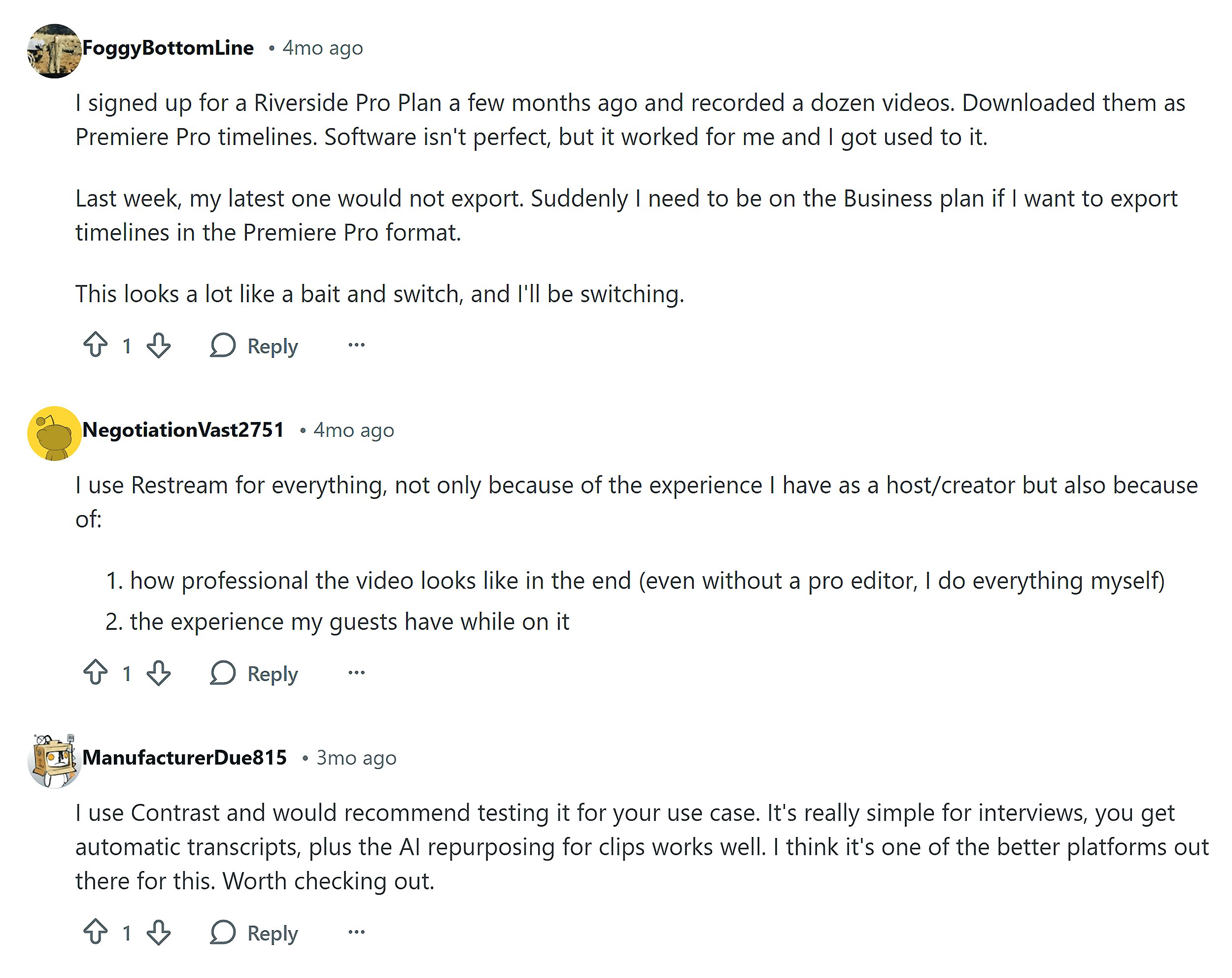
For Marcus, this analysis might reveal that while general testimonials are present, he is particularly influenced by quantifiable results (e.g., "increase your downloads by X%") and endorsements from well-known podcasters or industry experts. Understanding these specific preferences allows for the strategic integration of these trust signals into your own content and marketing materials, thereby enhancing credibility and driving conversions. The persona document should then rank these proof points by their perceived importance to the persona, from medium to high.
Where (and How) Should You Distribute Content to Reach This Persona?
The effectiveness of your content is directly tied to where you distribute it. Publishing solely on your website when your audience actively seeks solutions on platforms like LinkedIn means missing crucial touchpoints. This oversight is further compounded by the fact that major platforms are frequently scanned by LLMs for answers, recommendations, and citations, making visibility on these channels essential for AI-driven search.
How to Answer This Question
The audience persona’s preferred platforms, identified in the initial research, serve as the primary distribution targets. However, validating these insights with actual behavioral data is crucial.
If possible, surveying recent customers (within the last 90 days) can provide concrete patterns regarding their search behavior. A brief survey could ask:
- "Which websites or platforms did you visit when researching solutions for [problem your product solves]?"
- "What types of content (e.g., articles, videos, podcasts) did you find most helpful during your research?"
- "Did you engage with any social media platforms or online communities during your search process?"
Analyzing the survey responses will reveal patterns in how different customer segments discover, research, and evaluate solutions. An AI tool can expedite this analysis with a prompt such as: "Analyze the following customer survey responses regarding their research process for podcasting solutions. Identify the most common platforms and content types that influenced their decision-making."
Cross-referencing these findings with data from Google Analytics can further validate distribution channels. By navigating to Reports > Lifecycle > Acquisition > Traffic acquisition, you can sort by engagement rate or average session duration. Channels that drive genuinely engaged visitors (e.g., high time on site, multiple pages per session) are strong indicators of effective distribution.
The next step is to map each platform to the content format that performs best there. Combining insights from preferred platforms (Question 1) and preferred content formats (Question 6) allows for the development of a robust distribution strategy.
For Marcus, this strategy might look like:
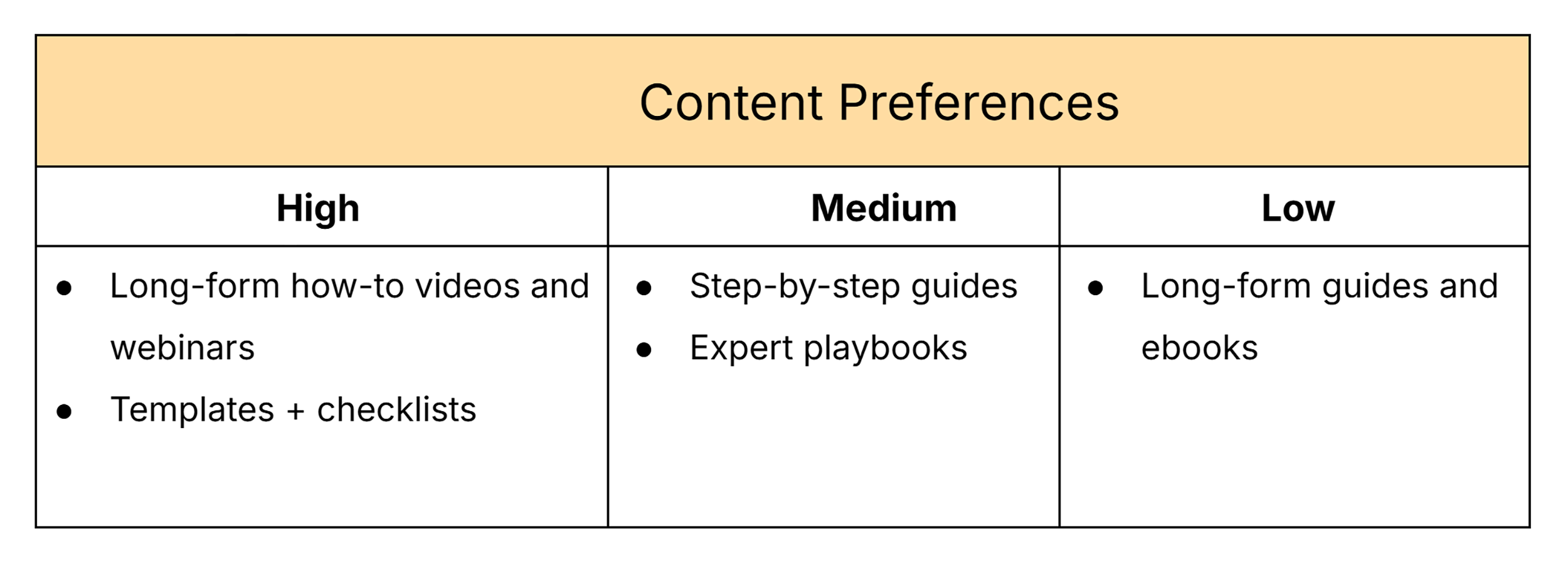
- YouTube: Distribute in-depth video tutorials (5-15 minutes) on podcast setup, editing, and distribution.
- Google Search: Publish comprehensive articles and guides addressing common questions and challenges, optimized for relevant keywords.
- X (formerly Twitter): Share short, engaging tips, links to new content, and participate in relevant industry conversations.
- Reddit: Engage authentically in relevant subreddits, answering questions and offering advice without overt promotion.
- LinkedIn: Share thought leadership content and industry insights, focusing on the business benefits of podcasting.
This multi-channel, format-aligned approach ensures that content reaches Marcus where he is actively seeking information and in a way that aligns with his consumption preferences.
What Keeps This Persona Coming Back?
Securing an audience’s attention once is a notable achievement, but fostering repeat engagement is the true measure of success. Understanding the recurring needs and motivations that drive an audience to return is the key to building long-term loyalty and establishing a consistent connection.
How to Answer This Question
This final step involves synthesizing all the previously gathered persona insights to identify recurring needs and problems that cannot be solved with a single piece of content. This requires looking beyond immediate triggers and challenges to the persistent issues that continue to drive search behavior.
Reviewing the data on triggers, pain points, content preferences, and community discussions can highlight these persistent needs. For example, Marcus might repeatedly face challenges related to:
- Audio quality: The ongoing struggle to achieve professional-sounding audio.
- Audience growth: The continuous effort to expand reach and listener engagement.
- Content consistency: Maintaining a regular publishing schedule with high-quality output.
- Platform integration: Managing content across various distribution channels.
- Efficiency: Finding ways to streamline the podcasting workflow to save time.
Once these recurring problem areas are identified, the next step is to outline the content types that can repeatedly address these needs. This might include:
- Tools and templates: Checklists for audio editing, content planning templates, or distribution checklists.
- Interactive resources: Calculators for podcast ROI or tools for audience growth estimation.
- Evergreen guides: Comprehensive resources that remain relevant over time, such as a definitive guide to podcast SEO or a masterclass on audience engagement strategies.
- Community forums or exclusive content: Providing ongoing value through a dedicated space for support and shared learning.
If manual synthesis feels overwhelming, an AI tool can help. A prompt such as, "Based on the following persona research data (including challenges, triggers, and content preferences), identify recurring problem areas for the persona and suggest specific content assets that offer repeatable value and encourage repeat engagement," can quickly generate a structured output.
For Marcus, this might translate into:
- Problem Area: Marcus spends too long cleaning audio.
- Content Assets: A downloadable audio editing checklist, a template for a streamlined audio editing workflow, and a series of short video tutorials demonstrating advanced audio cleaning techniques.
- Problem Area: Marcus wants consistent reach across platforms.
- Content Assets: A comprehensive content distribution calendar template, a guide to cross-platform promotion strategies, and a webinar on leveraging AI for content repurposing.
These types of content assets offer ongoing value, providing Marcus with reliable solutions whenever he encounters these persistent challenges. By developing resources that address these recurring needs, you can foster a loyal audience that consistently returns for the valuable support and solutions you provide.
Build Audience Personas That Win AI Visibility
Moving beyond superficial demographics, these nine strategic questions provide actionable, in-depth intelligence about your audience’s search behavior. You now possess a comprehensive understanding of where your audience searches, the language that resonates with them, and the proof points that build trust. This is the foundational knowledge required to effectively reach your audience with the right message, on the right platforms, and at the opportune moment.
To organize this vital research, download the provided audience persona template. Utilize it to guide your content creation, refine your search strategy, and optimize your distribution efforts. For further enhancement of your brand’s visibility, consider exploring our guide on ranking in AI search. The Seen & Trusted Framework detailed within will equip you with the strategies needed to increase mentions, citations, and recommendations for your brand, ensuring you stand out in the evolving digital landscape.
Related posts: