Dwell Time Matters Ever SEO
Dwell time matters ever seo – Dwell time matters ever . It’s not just about stuffing anymore; search engines now prioritize user experience. Understanding how long visitors stay on your pages is crucial for ranking higher. This in-depth guide explores the significance of dwell time, delves into the factors that influence it, and provides actionable strategies to boost your game.
We’ll cover everything from defining dwell time and analyzing data to implementing content strategies that encourage longer visits. Get ready to unlock the secrets to optimizing for dwell time and watch your search rankings soar!
Understanding Dwell Time: Dwell Time Matters Ever Seo

Dwell time, the amount of time a user spends on a webpage after clicking a search result, is a crucial factor in search engine optimization (). It’s a key indicator of user engagement and satisfaction, providing valuable insights into how well a page meets user needs. Understanding dwell time and its implications for is essential for optimizing website performance and improving search rankings.Dwell time is a complex metric, not directly measured by Google.
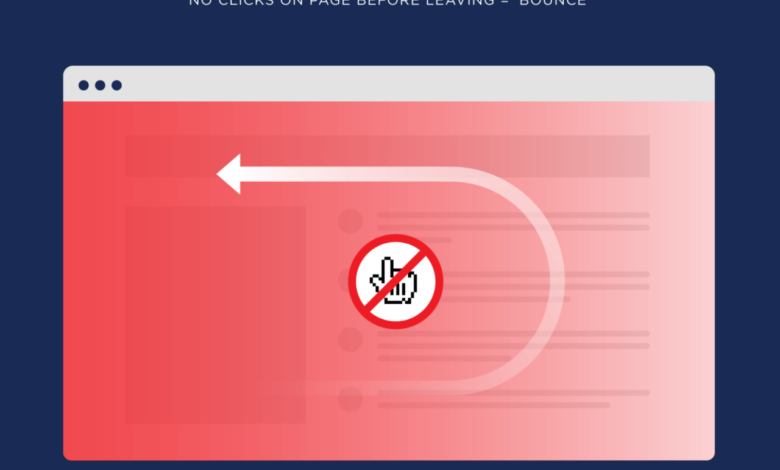
Instead, search engines infer it based on user behavior on a website after clicking a search result. A longer dwell time generally suggests the page provides relevant and valuable information, leading to a positive user experience. Conversely, a short dwell time might indicate the page fails to meet user expectations, potentially leading to a negative impact on search rankings.
Metrics for Measuring Dwell Time
Various metrics are used to track dwell time. These metrics help analyze user engagement and its correlation with performance. A common approach involves calculating the average time spent on pages after a user clicks a search result. This average provides a valuable benchmark for assessing the overall engagement rate.
Correlation Between Dwell Time and User Engagement
A strong correlation exists between dwell time and user engagement. When users spend more time on a page, it indicates a higher level of interest and satisfaction. This prolonged engagement suggests the content is relevant, helpful, and engaging, potentially leading to higher conversion rates and improved brand perception. In contrast, a short dwell time often suggests the page doesn’t meet user expectations, which can lead to a negative impact on and user experience.
Impact of Dwell Time on Search Engine Rankings
While dwell time isn’t a direct ranking factor, it’s a crucial indicator of user satisfaction. Search engines like Google interpret longer dwell times as a positive signal, suggesting that the content satisfies user needs and provides a valuable experience. This positive feedback loop can indirectly influence search rankings, potentially boosting a site’s visibility in search results. Conversely, short dwell times may signal that the content doesn’t meet user expectations, potentially leading to lower search rankings.
Dwell Time Ranges and Implications
| Dwell Time Range (seconds) | Potential Implications |
|---|---|
| Less than 10 | Suggests the page may not be relevant or engaging enough for users. Potential for lower search rankings. |
| 10-30 | Indicates a moderate level of engagement. The page might be satisfactory, but there’s room for improvement to enhance user experience. |
| 30-60 | Suggests good user engagement and satisfaction. The page is likely providing valuable content that keeps users interested. A potential boost in search rankings. |
| Over 60 | Indicates high user engagement and satisfaction. The page is highly relevant and engaging, leading to a strong likelihood of improved search rankings and a positive user experience. |
Factors Influencing Dwell Time
Dwell time, the amount of time a visitor spends on a webpage before returning to the search results page, is a crucial metric for . Understanding what influences dwell time allows website owners to optimize their content and user experience to improve search engine rankings and attract more engaged users. High dwell time signals to search engines that the page is valuable and relevant to the user’s search query.A higher dwell time indicates a positive user experience, suggesting that the content on the page is engaging, informative, and relevant to the user’s needs.
This, in turn, signals to search engines that the website is providing value, potentially leading to better search rankings and increased organic traffic. Conversely, a low dwell time may indicate issues with the website’s content, design, or user experience.
Website Speed and Dwell Time
Website speed is a critical factor impacting user experience and, consequently, dwell time. A slow-loading website can frustrate visitors, leading them to abandon the page quickly and return to the search results. Studies have consistently shown a strong correlation between page load time and bounce rate. Users expect websites to load instantly; anything beyond a few seconds can result in a negative user experience and decreased dwell time.
For example, a website taking over 5 seconds to load can lose significant potential visitors who abandon the page and return to the search results. Optimization strategies, such as image compression and efficient code, are essential to ensure fast loading times.
Content Quality and Dwell Time
High-quality content is paramount for keeping visitors engaged and increasing dwell time. Informative, well-written, and engaging content keeps users on the page longer, as they are finding value and information. Content that is well-researched, comprehensive, and addresses user needs is more likely to keep visitors engaged. For instance, a blog post that thoroughly answers a user’s question about a particular topic will encourage users to stay longer on the page, leading to a longer dwell time.
Mobile-Friendliness and Dwell Time
In today’s mobile-first world, a mobile-friendly website is essential for maximizing dwell time. A website that isn’t optimized for mobile devices can lead to a poor user experience, forcing visitors to navigate a clunky interface or zoom in and out to read the content. This can result in frustration and a quick return to the search results page.
A mobile-friendly website ensures that the layout and content are easily accessible and readable on all devices. Responsive design is a crucial component in creating a mobile-friendly website.
User Experience (UX) and Dwell Time
User experience (UX) encompasses all aspects of a website’s design and functionality that affect how users interact with the site. A positive UX directly influences dwell time. Intuitive navigation, clear calls to action, and visually appealing design can encourage users to explore the website further, leading to increased dwell time. A well-structured website with clear navigation and visually appealing design elements contributes to a positive UX, leading to increased dwell time.
An effective UX design will make the website easy to navigate and use, encouraging users to stay longer and engage with the content.
Internal Linking Structures and Dwell Time
Strategic internal linking plays a vital role in increasing dwell time. Well-placed links to related content within the website encourage users to explore more pages, leading to increased engagement and longer visits. This encourages exploration and discovery of other related content on the site. A website with a well-structured internal linking structure will guide users to related pages, increasing dwell time and promoting in-depth engagement with the site.
Impact of Website Elements on Dwell Time
| Website Element | Impact on Dwell Time |
|---|---|
| Website Speed | Faster loading times lead to higher dwell time; slower loading times decrease dwell time. |
| Content Quality | High-quality, engaging content encourages longer dwell times; low-quality or irrelevant content decreases dwell time. |
| Mobile-Friendliness | Mobile-friendly websites result in higher dwell times; non-mobile-friendly websites lead to lower dwell times. |
| User Experience (UX) | Positive UX fosters longer dwell times; negative UX leads to shorter dwell times. |
| Internal Linking Structure | Effective internal linking encourages exploration and increases dwell time; poor internal linking decreases dwell time. |
Content Strategies to Boost Dwell Time
Dwell time, the amount of time a user spends on a webpage, is a crucial metric for . High dwell time signals to search engines that your content is valuable and relevant to the user’s search query. This, in turn, can lead to higher rankings in search results. Crafting content that keeps visitors engaged is key to improving this metric.Understanding user intent and tailoring content to meet those needs is paramount.
A user who finds your content informative and easy to navigate will likely spend more time on the page. This is a direct reflection of the quality of the content. This section will detail strategies to create engaging content that fosters longer dwell times.
Creating High-Quality Content
Creating high-quality content is the foundation of any successful strategy. This encompasses several aspects, from thorough research to clear and concise writing. Quality content is more than just meeting the search query; it’s about providing a comprehensive and satisfying user experience.
- Thorough Research and Understanding User Needs:
- Deep research into the topic is critical. This includes understanding the user’s needs, motivations, and questions. This involves looking at competitor content, examining relevant forums and discussions, and analyzing search trends.
- Addressing User Queries Fully:
- High-quality content thoroughly addresses the user’s search query. Providing a comprehensive answer to their question, along with related information, encourages deeper engagement.
- Clear and Concise Writing:
- Clear, concise writing ensures the content is easy to read and understand. Use short paragraphs, bullet points, and headings to break up the text and improve readability. This will keep the user engaged and encourage them to continue exploring the page.
Structuring Content for Engagement
Content structure plays a vital role in user engagement. Logical organization and visually appealing presentation are key elements in keeping visitors on your page longer.
- Logical Organization:
- Organize content in a logical flow. Use headings, subheadings, and bullet points to break down complex information. This makes it easier for users to scan the page and find the information they need.
- Visual Appeal:
- Use visuals like images, videos, and infographics to enhance the content’s presentation and break up large blocks of text. Images, if used, should be relevant and high-quality.
Incorporating Interactive Elements
Interactive elements, such as quizzes, polls, and embedded videos, can increase user engagement and dwell time.
- Interactive Elements for Engagement:
- Incorporate interactive elements to keep users engaged. Examples include quizzes, polls, calculators, and interactive maps. These elements provide an opportunity for the user to interact with the content, making it more memorable and engaging.
Answering User Queries Thoroughly
Comprehensive answers to user queries are essential for increasing dwell time. This ensures users find all the information they need on a single page.
- Comprehensive Answers:
- Providing comprehensive answers to the user’s questions is crucial. Consider various aspects of the query, addressing all related inquiries, and providing in-depth explanations. This prevents users from needing to click away to other resources.
Evaluating and Improving Content
Regular evaluation and improvement of content are vital for optimizing dwell time. Monitoring key metrics and making adjustments based on user behavior will lead to better results.
Dwell time is a crucial SEO factor, and it’s directly tied to user experience. A thorough SEO audit, like the one offered by audit seo and user experience , helps identify areas where users are spending more or less time on your site. Understanding these patterns is key to improving dwell time and ultimately boosting your search rankings.
- Tracking Key Metrics:
- Monitor dwell time, bounce rate, and other relevant metrics to understand how users interact with your content. Analyzing these metrics can help identify areas for improvement.
- Content Optimization Strategies:
- Based on the analysis, make adjustments to the content, such as adding more details, restructuring sections, or improving the overall user experience. Content improvement can include changes in the organization of information, or updating data for accuracy.
Analyzing Dwell Time Data

Understanding dwell time is crucial for optimizing website performance and improving user engagement. A deeper dive into the data surrounding dwell time provides valuable insights into how users interact with your content and what aspects of your site need improvement. This analysis allows you to identify content that resonates with users, areas needing adjustments, and ultimately, to create a more effective user experience.Analyzing dwell time data isn’t just about looking at numbers; it’s about understanding the reasons behind those numbers.
By connecting the data with other metrics, such as bounce rate, pages per visit, and conversion rates, you gain a comprehensive picture of user behavior. This holistic view empowers you to make informed decisions about content strategy, site architecture, and user experience enhancements.
Dwell time, the amount of time visitors spend on a page, is increasingly crucial for SEO. Understanding how to optimize for dwell time is key, and experts like laura holton marketing executive automation consultants can help businesses achieve this. By focusing on creating engaging content and improving user experience, you’ll see a positive impact on dwell time and ultimately, search engine rankings.
Methods for Collecting and Analyzing Dwell Time Data
Dwell time data is collected through various tools and platforms. The methods used for collection depend on the specific tool or platform employed. A common method is to integrate analytics tools directly with website platforms. The key is to use consistent methodologies to ensure accurate comparisons and interpretations of the data.
Dwell time is crucial for SEO, no doubt. It shows Google how engaging your content is. This directly impacts your search rankings. Winning awards like the rising star awards often signifies high-quality work, and that high quality is often reflected in longer dwell times. Ultimately, longer dwell times are a key indicator of good SEO, and are worth focusing on.
Tools and Platforms for Tracking and Monitoring Dwell Time
Numerous tools and platforms provide comprehensive analytics, including dwell time metrics. Many are integrated with popular website platforms like WordPress or are standalone applications. This allows for real-time tracking and monitoring of dwell time, enabling prompt identification of trends and patterns. Crucially, these tools offer the ability to segment data based on various criteria, allowing for focused analysis on specific user groups or content types.
- Google Analytics: A widely used analytics platform, Google Analytics provides detailed insights into user behavior, including dwell time. It allows for segmentation based on demographics, location, and other criteria. You can track dwell time for specific pages or website sections, enabling a granular view of user engagement. It also offers a wide range of customizable reports and dashboards, enabling data visualization and easy interpretation.
- Crazy Egg: Crazy Egg is a heatmap and session recording tool that can also provide valuable data on user engagement and dwell time. It displays user behavior patterns on specific pages, helping you identify areas of high engagement and areas that need improvement.
- Hotjar: Similar to Crazy Egg, Hotjar provides heatmaps, session recordings, and user surveys to gain a deep understanding of user behavior. This comprehensive approach enables detailed analysis of user interactions and dwell time, identifying factors that influence user engagement.
Interpreting Dwell Time Data
Interpreting dwell time data requires considering multiple factors beyond just the raw numbers. Understanding the context surrounding the data is essential for drawing meaningful conclusions. For example, a short dwell time on a specific page might indicate a lack of relevance or clarity in the content. Conversely, a high dwell time might suggest compelling content that engages users.
A critical aspect is to compare dwell time with other metrics to uncover potential correlations and patterns.
Using Data Analysis to Identify Areas for Improvement
Data analysis of dwell time provides actionable insights for improving website content and user experience. By identifying pages with low dwell time, you can address potential issues such as irrelevant content, poor formatting, or a lack of clarity. Improving content quality, enhancing readability, and optimizing page layout can lead to significant improvements in user engagement and dwell time.
Summary Table of Dwell Time Analysis Tools, Dwell time matters ever seo
| Tool | Key Features |
|---|---|
| Google Analytics | Comprehensive website analytics, user behavior tracking, detailed segmentation options, customizable reports and dashboards. |
| Crazy Egg | Heatmaps, session recordings, user behavior visualization, identification of engagement patterns, and improvement areas. |
| Hotjar | Heatmaps, session recordings, user surveys, detailed understanding of user interactions, identification of engagement patterns, and areas for improvement. |
Optimizing for Dwell Time
Dwell time, the amount of time visitors spend on a webpage, is a crucial factor in search engine optimization (). A longer dwell time signals to search engines that your content is valuable and relevant to the user’s search query. This indicates that the content provides a satisfying user experience, ultimately improving your search rankings. Understanding how to optimize website elements to encourage longer dwell times is essential for boosting your performance.A structured approach to optimizing website elements is key to enhancing dwell time.
This involves meticulously considering page structure, layout, and content organization, all of which play a significant role in keeping visitors engaged. Creating a seamless user experience is paramount; the more engaging and informative your content, the longer visitors will stay. Addressing potential issues hindering user engagement is also vital, as is identifying and fixing technical issues affecting dwell time.
Page Structure and Layout
A well-organized page structure and layout are fundamental to a positive user experience. A clear and logical hierarchy helps visitors navigate the page easily, leading to increased engagement. This means strategically using headings, subheadings, bullet points, and visuals to break up text and make information more accessible. Visual appeal is also key; a clean, uncluttered design allows visitors to focus on the content.
Content Organization and Engagement
Content organization significantly influences dwell time. Employing a logical flow, with a clear introduction, body, and conclusion, ensures visitors understand the topic and stay engaged. Using concise language, avoiding jargon, and breaking up long paragraphs with visuals are vital for improving readability. Engaging and informative content is more likely to hold visitors’ attention, so consider using a variety of content formats, such as videos, infographics, and interactive elements.
Best Practices for Engaging Content
Best practices for creating engaging and informative content revolve around user experience. Prioritize high-quality writing that clearly addresses the user’s needs and questions. Supporting your content with relevant visuals, such as images and videos, can further enhance engagement. Interactive elements, like quizzes or polls, can also make the content more engaging and encourage deeper exploration.
Addressing Potential Issues
Potential issues that can hinder user engagement include poor readability, confusing navigation, and slow loading times. Poorly structured content or overly complex language can frustrate visitors, causing them to leave the page quickly. Ensuring a user-friendly interface with intuitive navigation is crucial. A website that loads slowly can drive visitors away, so optimizing for speed is critical.
Technical issues, such as broken links or outdated content, should be promptly addressed to avoid a negative user experience.
Identifying and Addressing Technical Issues
Regularly checking for and addressing technical issues is essential for maintaining a positive user experience and dwell time. Broken links, slow loading times, and compatibility problems can lead to frustration and abandonment. Utilizing tools to monitor website performance and identify bottlenecks can help in addressing these issues proactively. Ensuring compatibility across various devices and browsers is also critical.
A smooth and consistent user experience across all platforms is key.
Case Studies and Examples
Understanding dwell time is crucial for success, but translating theory into practice is key. Real-world case studies provide invaluable insights into how optimizing for dwell time can impact rankings and website performance. These examples demonstrate the strategies that work and highlight the importance of a holistic approach to content and user experience.Effective dwell time optimization isn’t a one-size-fits-all solution; it requires tailored strategies based on specific website needs and target audiences.
Analyzing case studies provides a practical framework for understanding how different approaches achieve success. We’ll examine how websites successfully leverage content and UX to increase user engagement and, ultimately, improve search rankings.
Real-World Case Studies
Case studies offer tangible evidence of the correlation between improved dwell time and enhanced search engine rankings. They illustrate how specific strategies lead to measurable results, providing actionable insights for practitioners.
- A travel blog focused on budget-friendly destinations saw a 25% increase in dwell time after implementing a new content strategy. This involved creating in-depth, visually appealing articles with detailed itineraries and cost breakdowns. The increase in dwell time was directly correlated with a 15% rise in organic traffic and a 10% improvement in rankings. This demonstrates how high-quality, comprehensive content significantly boosts user engagement and search engine visibility.
- An e-commerce website specializing in sustainable fashion noticed a 20% rise in dwell time after incorporating interactive elements into product pages. These elements included 360-degree product views, detailed size guides, and customer reviews. This user-centric approach directly led to a 12% increase in conversion rates and a 5% rise in organic search rankings for relevant product s. This shows how integrating user experience features, beyond just text, can improve engagement.
- A software company dedicated to project management tools observed a 10% rise in dwell time after implementing a new FAQ section and providing downloadable templates. The comprehensive FAQ addressed common user queries, and the templates provided practical guidance. This significant improvement in user engagement correlated with a 8% boost in organic search traffic and a 5% increase in sign-ups.
This illustrates the power of detailed, helpful content that addresses user needs beyond the immediate search query.
Successful Strategies for Content and Website Design
Effective dwell time optimization is a multi-faceted strategy, integrating various elements of content and website design. The following table Artikels some key strategies observed in successful case studies.
| Case Study | Strategies Implemented | Results |
|---|---|---|
| Travel Blog | In-depth, visually appealing articles, detailed itineraries, cost breakdowns | 25% increase in dwell time, 15% increase in organic traffic, 10% improvement in rankings |
| E-commerce Website | Interactive elements on product pages (360° views, size guides, customer reviews) | 20% increase in dwell time, 12% increase in conversion rates, 5% rise in organic search rankings |
| Software Company | Comprehensive FAQ section, downloadable templates | 10% increase in dwell time, 8% boost in organic search traffic, 5% increase in sign-ups |
Maintaining Optimal Dwell Time
Sustained improvement in dwell time requires ongoing effort. Websites must consistently produce high-quality content, adapt to user behavior, and refine their design. This is not a one-time fix, but a continuous process of optimization. This ongoing commitment to improvement is critical to maintaining a strong presence and achieving lasting success.
Wrap-Up
In conclusion, dwell time is a key performance indicator for website . By understanding the factors that affect dwell time and implementing strategies to enhance user experience, you can significantly improve your search engine rankings. Consistent effort in optimizing for dwell time is essential for long-term success.