International SEO Targeting Errors A Deep Dive
International seo targeting errors – International targeting errors are a common pitfall for businesses looking to expand their reach globally. From overlooking cultural nuances to failing to localize content, these mistakes can significantly hinder your international online marketing efforts. This in-depth look will cover crucial aspects of international , highlighting common errors and actionable strategies to avoid them.
This post will explore a variety of crucial aspects, from geographic targeting and language localization to technical considerations, content gaps, and even currency/payment options and time zone differences. Understanding these nuances is essential for achieving success in international markets.
Targeting Geographic Regions
Global online marketing demands a nuanced approach that goes beyond simple translations. Effective international requires a deep understanding of the specific needs and preferences of each target market. This involves more than just translating your website; it’s about tailoring your entire online presence to resonate with the cultural context of different geographic regions.
Common Errors in Geographic Targeting
Many businesses fall prey to common errors when attempting international targeting. These errors can range from simple oversights to fundamental misunderstandings of cultural nuances. Ignoring these can lead to lost opportunities and wasted resources.
- Ignoring language barriers: Simply translating website copy isn’t enough. Cultural connotations and subtleties often get lost in translation, leading to misinterpretations and lost engagement.
- Using generic s: s that work well in one region may not resonate with another. Researching and adapting to local search terms is crucial.
- Neglecting local search engines: Focusing solely on Google might overlook the significant market share held by other search engines in specific regions.
- Failing to adapt website design: Design elements that appeal to one culture may be jarring or even offensive in another. Consider local aesthetics and preferences.
- Ignoring time zone differences: Poorly planned website functionality or communication channels can cause frustration and lost opportunities due to unresponsiveness during local business hours.
Cultural Nuances in International
Understanding cultural nuances is paramount for effective international . Misinterpretations can lead to negative brand perception and ultimately, failure to achieve desired results. This is crucial in avoiding alienating potential customers.
Mistakes in international SEO targeting can really hurt your reach. You need to understand the nuances of different markets, or you’ll miss out on valuable opportunities. Winning awards like the ignite courageous marketing leader award highlights the importance of a strategic approach. Ultimately, understanding cultural context and language differences is key to effective international SEO targeting.
- Different communication styles: Direct communication styles preferred in some cultures might be considered rude in others. Adapt your messaging to fit the local communication norms.
- Varying product perceptions: A product that’s popular in one region might be viewed negatively or differently in another. Research local perceptions and adapt your marketing strategy accordingly.
- Diverse online behaviors: Different audiences have different expectations for online experiences, such as preferred payment methods, social media usage, and information consumption habits.
- Respecting local customs: Avoid making assumptions about local customs. Thorough research and sensitivity are crucial for avoiding cultural faux pas.
International Audience Online Behaviors, International seo targeting errors
Online behaviors and preferences vary significantly across different regions. Understanding these differences is critical for tailoring your international strategy.
| Region | Online Behavior | Preference |
|---|---|---|
| North America | Fast-paced, results-oriented | Clear, concise information |
| Europe | Detail-oriented, value-driven | Thorough product descriptions |
| Asia | Community-focused, relationship-oriented | Trustworthy reviews and recommendations |
| Latin America | Emotional, social, and visual | Engaging content, vibrant visuals |
| Africa | Mobile-first, cost-conscious | Accessible, user-friendly websites |
Actionable Steps to Correct Targeting Errors
Correcting errors in geographic targeting requires a proactive and systematic approach. The following steps can help you identify and address these issues.
- Conduct thorough market research: Understand local search behaviors, cultural preferences, and online trends in your target region.
- Utilize language tools and native speakers: Ensure accurate translations and adapt your content for local nuances.
- Analyze competitor strategies: Understand how competitors are targeting the specific region and learn from their successes and failures.
- Track website analytics: Monitor website traffic, user behavior, and conversion rates from different geographic locations to identify areas for improvement.
- Use research tools specific to the region: Identify local search terms and adapt your content to align with those searches.
- Partner with local experts: Seek advice from local specialists, marketing agencies, or translators to gain valuable insights.
Language and Localization Issues: International Seo Targeting Errors
International is more than just translating your website; it’s about understanding and catering to different linguistic and cultural nuances. Ignoring these crucial factors can significantly hinder your reach and impact your bottom line. Effective localization is key to resonating with international audiences and achieving optimal search engine visibility.Language barriers create a significant obstacle for international businesses seeking to expand their reach.
A website that isn’t properly localized can confuse potential customers, leading to lost opportunities and a negative brand perception.
Impact of Language Barriers on
Language barriers directly impact international by hindering search engine crawlers’ ability to understand the content and its relevance to specific searches. When search engines cannot comprehend the content, it leads to lower rankings, reduced visibility, and a decline in organic traffic. This is particularly detrimental for businesses relying on organic traffic to drive sales or brand awareness.
International SEO targeting can trip you up in a surprising number of ways. For example, overlooking ADA compliance considerations for your international sites can seriously hurt your ranking. Understanding ADA compliance is crucial for accessibility, but it’s also a vital piece of the international SEO puzzle. Failing to consider these nuances when targeting global audiences can lead to lost opportunities and a weaker overall SEO strategy.
Incorrect Translations and User Experience
Poor or incorrect translations can severely damage the user experience, leading to frustration and ultimately driving potential customers away. For example, a literal translation of a product description might not capture the intended meaning or tone, potentially leading to misinterpretations or even misunderstandings. Similarly, inappropriate cultural references in translated content can offend or alienate the target audience. A poorly translated website can also make the brand seem unprofessional and untrustworthy.
Methods for Effective Localization
Effective localization goes beyond simply translating words. It involves adapting the content to the target culture, considering linguistic nuances, cultural sensitivities, and local search engine optimization best practices. This involves a deep understanding of the target audience’s language and cultural norms, including local slang, idioms, and common phrases. It also means adapting website design and layout to conform to local standards.
Utilizing native speakers and professional translators is crucial for accurate and culturally appropriate translations.
Adapting Content to Local Customs, Traditions, and Expectations
| Aspect | Explanation | Importance |
|---|---|---|
| Currency | Using the correct currency symbols and formats for different regions. | Essential for accurately reflecting prices and fostering trust. |
| Dates and Times | Adjusting date and time formats to align with local customs. | Crucial for user convenience and avoiding confusion. |
| Cultural References | Using culturally appropriate imagery, colors, and symbols. | Avoid unintended offense or misinterpretations. |
| Legal and Regulatory Requirements | Adhering to local laws and regulations. | Essential for maintaining compliance and avoiding legal issues. |
| Local Search Terms | Utilizing relevant local search terms and s. | Critical for optimizing content visibility in local search results. |
| Payment Methods | Supporting local payment methods. | Improves user experience and conversion rates. |
Consider a clothing retailer aiming to expand into the Japanese market. A direct translation of “sale” might not resonate with the local audience. A more culturally sensitive approach would involve using Japanese phrases and concepts for discounts and promotions, thus tailoring the message to the local context.
Technical Errors in International Domains
International requires careful attention to detail, and technical is crucial for ensuring your website is accessible and understandable to global audiences. Ignoring these technical aspects can lead to poor search engine rankings, lost visibility, and ultimately, a diminished return on investment. This article dives into common technical pitfalls specifically for international sites and provides solutions for effective optimization.International success relies on more than just translating content.
Technical aspects like sitemaps, robots.txt, hreflang tags, and domain structures significantly impact how search engines understand and index your content for various regions and languages. Understanding these intricacies is essential for reaching a global audience.
Sitemaps and Robots.txt Configuration
Proper sitemap configuration is critical for international . Each country-specific site should have its own sitemap reflecting its unique content. This ensures search engines crawl and index the correct content for each region. Failure to do so may lead to duplicate content issues or missed opportunities for specific markets. Additionally, robots.txt files must be tailored to prevent crawling of irrelevant content and respect country-specific rules, ensuring that search engine crawlers focus on the appropriate content for each region.
Hreflang Tag Implementation
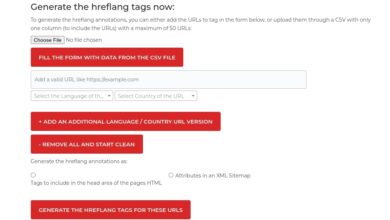
Hreflang tags are essential for telling search engines which version of a page corresponds to a specific language or region. Correct implementation is vital for avoiding duplicate content penalties and ensuring that search engines understand the relationships between different language versions. Incorrect or missing hreflang tags can lead to lower rankings and confusion for search engines, resulting in less relevant results being displayed for a specific region.
Properly implemented hreflang tags allow search engines to accurately understand the relationships between different versions of pages, leading to better indexing and higher rankings in the target regions.
International Domain Structure
Choosing the right domain structure is critical for effective international . Consider using country-code top-level domains (ccTLDs) for specific countries to improve relevance. A global domain (.com, .net) can also be used, but it is important to incorporate appropriate hreflang tags and other internationalization measures. The domain structure should align with the target audience and their search behaviors.
Consider the language preferences and regional nuances to create a well-structured site that caters to the global market.
Technical Elements for International Targeting
The following table Artikels key technical elements crucial for international success.
| Technical Element | Description | Importance |
|---|---|---|
| Sitemaps | Separate sitemaps for each country or language. | Ensures correct content indexing for each region. |
| Robots.txt | Restrict crawling of irrelevant content for each region. | Avoids duplicate content issues and prioritizes relevant content. |
| Hreflang Tags | Specify language and region for each page version. | Indicates the correct page version to search engines. |
| Domain Structure | Consider ccTLDs or global domains with hreflang tags. | Improves relevance and accessibility for target audiences. |
| Mobile Optimization | Ensure responsiveness across all devices. | Crucial for improved user experience and search rankings. |
| Page Speed Optimization | Optimize page load times for all regions. | Improves user experience and search engine rankings. |
| Structured Data Markup | Implement schema markup for better understanding by search engines. | Improves visibility and rankings for relevant searches. |
Content Gaps and Relevance
International success hinges on more than just technical tweaks. Understanding and catering to the specific needs and preferences of diverse audiences is crucial. Ignoring cultural nuances and linguistic variations can lead to missed opportunities and diminished engagement. Content relevance is paramount in attracting and retaining international customers.A globalized approach requires more than just translating website copy.
It necessitates a deep understanding of local preferences, cultural contexts, and even the nuances of online behavior within different markets. This understanding allows for the creation of truly engaging and relevant content that resonates with the target audience.
Cultural Relevance in Content
Content must be tailored to specific cultures. Generic content, while convenient, often fails to connect with international audiences. Understanding cultural sensitivities, humor styles, and preferred communication styles is vital for creating content that feels authentic and resonates with each target market. Consider local holidays, traditions, and values when planning content calendar and marketing campaigns.
Comparing Content Marketing Strategies
Content marketing strategies vary significantly across international markets. For instance, visual content might be preferred in some regions over text-heavy articles, while video marketing might be highly effective in others. Different platforms and social media channels hold varying levels of popularity, and content formats may differ considerably. Understanding the specific landscape of each market is key to crafting effective strategies.
For example, while blog posts are popular in North America, infographics and short-form videos might perform better in Latin America.
Avoiding Generic Content
Generic content often fails to capture the attention of international audiences. Avoid generic phrases and stock imagery. Instead, focus on creating content that is specific to each target market. Understanding local language, dialects, and preferred content formats is essential. This might involve using local celebrities or influencers in marketing campaigns, or translating website content into different languages.
A deep understanding of local preferences is vital.
Mistakes in international SEO targeting can really hurt your financial services marketing efforts. For example, if you’re trying to reach clients in other countries, you need to understand the nuances of different search behaviors and local languages. A well-executed international SEO strategy is crucial for connecting with the right audience, and that’s where a strong grasp of financial services marketing principles is vital.
Failing to consider these nuances can result in wasted budget and missed opportunities, leading to less effective international SEO targeting overall.
Crucial Topics for Unique Content
- Local Language and Dialects: Using accurate translations and understanding the subtleties of local dialects is crucial for conveying the right message. Avoid mistranslations and ensure the tone and context remain consistent across languages.
- Cultural Nuances: Consider cultural sensitivities and avoid content that might be offensive or inappropriate. For instance, understand local humor styles and incorporate them into marketing campaigns where appropriate.
- Local Holidays and Events: Incorporate local holidays and events into content calendars and marketing campaigns to connect with the target audience on a more personal level.
- Local Customs and Preferences: Consider local customs and preferences when creating content. Understanding local preferences for content formats (videos, infographics, blog posts) is essential for engagement.
- Local Values and Beliefs: Understand and respect local values and beliefs. Ensure that the content reflects the cultural values of the target market.
- Local Concerns and Issues: Address local concerns and issues in content. Content should reflect and address the local concerns of the target audience to build trust and rapport.
Currency and Payment Options
A crucial aspect of international is ensuring a seamless and trustworthy payment experience for customers from different countries. This involves understanding and addressing diverse currency preferences and available payment methods. Failure to do so can lead to significant user frustration and ultimately, lost sales.International customers often have specific expectations regarding payment options, reflecting the varying payment infrastructure and popular methods in different regions.
Providing local payment gateways and displaying prices in the appropriate currency are vital for a positive user experience.
Common Currency Conversion Errors
Many international websites struggle with currency conversion, leading to inaccuracies and confusion for customers. Incorrect or inconsistent currency display can create a negative perception of the website and its trustworthiness. For example, a website might display prices in a different currency than the one the customer’s bank card uses, leading to errors or delays in the transaction. Furthermore, fluctuating exchange rates can impact the displayed price, causing uncertainty and potential disappointment for customers.
Payment Gateway Considerations
The choice of payment gateways significantly influences user experience and transaction success rates. Popular payment gateways vary across countries, with some methods preferred in specific regions. For instance, Alipay is a widely used payment method in China, while PayPal is prevalent in many other countries. Failing to offer these locally preferred payment gateways can lead to a decline in customer engagement and potentially lost sales.
Currency Conversion Strategies
Accurate currency conversion is paramount to maintain customer trust and avoid misunderstandings. Websites should employ dynamic currency conversion systems that update in real-time based on exchange rates. This ensures that the displayed price remains consistent with the customer’s currency. Furthermore, clear and transparent displays of the conversion process are essential. For instance, explicitly showing the conversion rate alongside the price in the customer’s currency helps build trust and reduces the risk of perceived discrepancies.
Payment Options Comparison Table
| Payment Gateway | Acceptance Rate (Estimated) in selected markets | Pros | Cons |
|---|---|---|---|
| PayPal | High (North America, Europe, Australia) Moderate (South America, Asia) | Widely accepted, secure, trusted | Fees may apply, not available everywhere |
| Stripe | High (North America, Europe) Moderate (Asia) | Scalable, reliable, global reach | Transaction fees, varying acceptance rates |
| Alipay | High (China) Moderate (Southeast Asia) | Popular in specific regions, local preference | Limited global acceptance |
| Local Bank Transfers | High (Specific countries/regions) | Low or no transaction fees for certain users | Complex setup, potentially longer processing time |
| Apple Pay/Google Pay | High (North America, Europe) | Convenience, secure | Limited availability in certain countries |
Note: Acceptance rates are estimates and can vary depending on the specific merchant and user location. It is essential to conduct thorough research to determine the appropriate payment options for your target markets.
Time Zone Considerations

International expansion often means dealing with diverse time zones, a factor that can significantly impact user engagement and overall satisfaction. Ignoring these differences can lead to missed opportunities and a less positive user experience. Understanding how time zones affect your strategy is crucial for success in the global marketplace.Time zones directly influence how your international audience interacts with your website and marketing campaigns.
A marketing campaign scheduled for a specific time in one region might be outside of typical working hours in another, significantly reducing its impact. This is a critical element to consider when optimizing for international .
Impact on User Engagement and Satisfaction
Different time zones can drastically affect when your target audience can access and interact with your website and marketing materials. A user in the Pacific region might find your website inaccessible during peak hours in Europe, impacting user experience and potentially leading to lost conversions. The timing of content updates, product announcements, and customer service availability are all influenced by this factor.
Strategies for Handling Time Zones in Marketing Campaigns
To effectively address the issue of time zone differences, scheduling marketing campaigns and content updates should consider the specific time zones of your target audience. Rather than a single global launch, consider phased releases tailored to specific time zones. For example, if you are running a social media campaign, stagger posts across different time zones to maximize visibility and engagement.
Scheduling Marketing Campaigns and Content Updates
Implementing a schedule that considers various time zones is key. Tools for analyzing time zones and scheduling posts in advance can be helpful. Tools like Hootsuite or Buffer allow for automated posting across different time zones, ensuring your content reaches your audience when they are most active.
Common Pitfalls When Ignoring Time Zones
Ignoring time zones can lead to significant missed opportunities. A marketing campaign launched during off-peak hours in a specific time zone may not generate the expected engagement. Also, failing to provide customer service during relevant hours in specific time zones can create negative perceptions and deter potential customers. Poor scheduling can lead to a significant decline in customer engagement.
Adapting Website Content to Reflect Different Time Zones
Website content can be adapted to accommodate different time zones. For example, providing localized content that displays time in different time zones, or adjusting product availability information based on time zones, can enhance user experience. This can involve adjusting opening hours, customer support availability, and even the presentation of date and time information.
Search Engine Algorithms and Ranking Factors
International success hinges on understanding how search engines prioritize results for global audiences. Search engine algorithms are complex, constantly evolving, and often prioritize user experience and relevance above all else. Understanding these nuances is crucial for effectively targeting international markets.International ranking factors differ from domestic factors in significant ways. While both prioritize content quality, technical optimization, and user experience, international requires a deeper understanding of cultural nuances, language variations, and regional search preferences.
This necessitates adapting strategies to meet specific user needs and expectations in each target market.
Specific Search Engine Algorithm Factors for International
Search engines like Google utilize various signals to determine the relevance and trustworthiness of content for international searches. These signals encompass factors such as language, location, and cultural context. The algorithm considers user location, search intent, and the relevance of content to the user’s specific needs. A deeper understanding of these nuanced signals allows for a more targeted approach to international .
International Ranking Factors vs. Domestic Ranking Factors
Domestic often focuses on factors like backlinks from local websites and citations within the same region. International , however, requires consideration of a broader range of factors, including the relevance of content to the target audience, user behavior patterns, and cultural context. The ranking factors for an international website may differ significantly from those of a domestic website.
For instance, while a local citation might be important for a domestic business, the importance of a global citation might be different. This is because the global audience is diverse, and different countries have different search patterns.
Common Ranking Issues and Solutions for International Audiences
Common issues in international include mismatched content, poor localization, and technical errors in international domains. Mismatched content arises from not considering cultural context or translating text accurately. Poor localization leads to issues with site usability and user experience. Technical errors in international domains can result in slow loading times or broken links. Addressing these issues through accurate translation, culturally relevant content, and optimized technical configurations can significantly improve search engine results for international audiences.
Evaluating International Strategy Effectiveness
Tracking key metrics such as organic traffic, rankings, and conversion rates for each target market is essential for evaluating international strategies. Monitoring the performance of localized pages, assessing user engagement, and analyzing search queries are important to understand how the audience is interacting with the content. Tools like Google Analytics and Search Console provide valuable insights into user behavior and website performance, which helps in fine-tuning international strategies.
The data collected from these tools can help identify trends and patterns that can lead to improvements in search engine results.
Adapting Marketing Messages
International marketing success hinges on understanding and respecting diverse cultural contexts. Simply translating your marketing materials isn’t enough; you need to deeply adapt your message to resonate with the target audience’s values, beliefs, and communication styles. This requires careful consideration of cultural nuances and a willingness to tailor your approach.Effective international marketing is more than just a language translation; it’s about creating a cultural connection.
The same marketing campaign that works wonders in one country might fall flat in another. This necessitates a nuanced understanding of cultural values, communication styles, and local preferences. Adapting messaging for a diverse international market is crucial for building trust and achieving meaningful engagement.
Tailoring Messages to Cultural Values
Cultural values significantly impact how people perceive and respond to marketing messages. For example, some cultures prioritize collectivism, emphasizing group harmony and social responsibility. Others prioritize individualism, focusing on personal achievement and independence. A marketing campaign that celebrates individual accomplishment might be well-received in a culture that values individualism but might be perceived as insensitive or inappropriate in a collectivist culture.
Using Appropriate Language and Tone
Beyond translation, selecting the right tone and style of communication is vital. Humor, for instance, can be incredibly effective in some cultures but might be offensive or incomprehensible in others. Direct and assertive communication styles, common in some cultures, may be perceived as rude or aggressive in others. Using culturally sensitive language is crucial to avoiding misunderstandings and maintaining a positive image.
Examples of Successful International Marketing Campaigns
Numerous successful international marketing campaigns have demonstrated the importance of adapting messaging. For instance, Dove’s “Real Beauty” campaign, while initially launched in the U.S., has been adapted globally to resonate with diverse cultural perceptions of beauty. Similarly, Coca-Cola’s localized advertising campaigns, which often incorporate local celebrities and cultural references, are a testament to the power of adaptation. These examples show that successful international marketing involves more than just linguistic translation.
It requires a deep understanding of the target audience’s cultural context.
Cultural Nuances in Marketing Message Adaptation
| Cultural Nuance | Considerations |
|---|---|
| Individualism vs. Collectivism | Highlight individual benefits in individualistic cultures, while emphasizing group benefits in collectivist cultures. |
| Direct vs. Indirect Communication | Use direct language in cultures that value direct communication. In cultures that favor indirect communication, adopt a more subtle and nuanced approach. |
| Power Distance | In cultures with high power distance, emphasize authority and hierarchy. In cultures with low power distance, focus on equality and collaboration. |
| High-Context vs. Low-Context Communication | In high-context cultures, rely on implicit cues and shared understanding. In low-context cultures, be explicit and clear in your communication. |
| Time Orientation | Tailor your messaging to align with the target culture’s time orientation (e.g., long-term vs. short-term focus). |
| Religious and Ethical Values | Avoid marketing messages that contradict or offend the target culture’s religious or ethical beliefs. |
Concluding Remarks
In conclusion, avoiding international targeting errors is vital for successful global expansion. By addressing cultural differences, ensuring proper localization, optimizing technical , creating relevant content, and considering payment options and time zones, you can significantly improve your chances of reaching and engaging international audiences. This guide provides a solid foundation for navigating the complexities of international , ensuring you’re not missing out on crucial opportunities in the global marketplace.