What is Digital Marketing A Comprehensive Guide
What is digital marketing? It’s the modern-day equivalent of traditional marketing, but instead of flyers and billboards, it leverages the internet and digital technologies. From crafting compelling content to optimizing websites for search engines, digital marketing encompasses a wide array of strategies and tactics to reach and engage target audiences online. This guide dives deep into the core principles, key strategies, and emerging trends shaping the digital landscape.
It will explore the intricacies of defining digital marketing, dissecting different strategies, examining essential tools, and evaluating the measurement of success.
Understanding what is digital marketing is crucial for anyone involved in business today. It’s about connecting with customers in a meaningful way, building brand awareness, and driving sales. This detailed exploration will reveal how digital marketing has evolved from its early stages to its current multifaceted form, helping you understand its ever-changing landscape.
Defining Digital Marketing
Digital marketing encompasses all marketing efforts that utilize an electronic device or the internet. It’s a broad field, employing various channels and strategies to connect with target audiences online. From search engine optimization to social media campaigns, the strategies are as diverse as the digital platforms themselves. This dynamic field requires constant adaptation to evolving technologies and consumer behavior.This section will explore the core tenets of digital marketing, including its definition, key characteristics, diverse approaches, and historical evolution.
We’ll also delve into the crucial components of a successful digital marketing strategy.
Defining Digital Marketing
Digital marketing is the application of marketing principles and strategies using digital channels to achieve specific business objectives. It’s a multifaceted approach that utilizes various online platforms and technologies to connect with potential customers and build brand awareness. This approach contrasts significantly with traditional marketing methods, which rely on print media, television, and radio. The key difference lies in the ability of digital marketing to measure and track results in real-time, enabling marketers to adapt and optimize campaigns dynamically.
Key Characteristics of Digital Marketing
Digital marketing differs from traditional marketing in several critical aspects. Firstly, digital marketing offers unparalleled measurability. Metrics like website traffic, click-through rates, and conversion rates provide marketers with real-time data on campaign performance. Secondly, it’s highly interactive. Social media and online forums allow for direct engagement with customers, fostering two-way communication and building brand loyalty.
Thirdly, it’s adaptable and cost-effective. Digital marketing campaigns can be adjusted quickly based on performance data, making them more budget-friendly and agile compared to traditional methods. Finally, it leverages data-driven insights to refine strategies. Collecting and analyzing user data allows for personalized experiences and targeted campaigns, leading to higher conversion rates.
Different Approaches to Digital Marketing
Various approaches to digital marketing exist, each tailored to specific business goals and target audiences. Search Engine Optimization () focuses on improving a website’s visibility in search engine results pages. Social Media Marketing (SMM) utilizes social media platforms to engage with audiences and build brand awareness. Content Marketing involves creating valuable and engaging content to attract and retain a target audience.
Pay-Per-Click (PPC) advertising allows businesses to pay for ad placements on search engines or social media platforms. Email marketing remains a powerful tool for direct communication and targeted promotions. These strategies are often combined to create comprehensive digital marketing campaigns.
Evolution of Digital Marketing
Digital marketing has undergone significant evolution since its inception. Early adopters primarily focused on basic website development and email marketing. The rise of social media platforms like Facebook and Twitter marked a shift towards social media marketing. Mobile optimization and the rise of mobile devices have further transformed the landscape, driving the need for responsive design and mobile-first strategies.
Digital marketing is all about connecting with your audience online. It’s a vast field, encompassing everything from social media campaigns to search engine optimization. A key component of successful digital marketing strategies often involves CRM systems, and understanding how to use them effectively is crucial. For example, learning how to leverage a tool like Cassandra Highbridge CRM, especially when unstacking data for better insights, is incredibly valuable.
Cassandra Highbridge CRM specialist unstack is a great resource for anyone wanting to master this crucial aspect. Ultimately, digital marketing is about achieving your business goals through effective online engagement.
The current era emphasizes personalization, data-driven insights, and AI-powered automation. This evolution underscores the dynamic and ever-changing nature of digital marketing.
Core Components of a Digital Marketing Strategy
Understanding the core components of a digital marketing strategy is essential for success. These elements work together to achieve business objectives.
| Component | Description | Example | Importance |
|---|---|---|---|
| Search Engine Optimization () | Improving website visibility in search engine results. | Optimizing website content and structure for relevant s. | Drives organic traffic to the website. |
| Social Media Marketing (SMM) | Engaging with audiences on social media platforms. | Creating engaging content, running targeted ads, and monitoring brand mentions. | Builds brand awareness and fosters customer engagement. |
| Content Marketing | Creating valuable and informative content to attract and retain customers. | Developing blog posts, articles, videos, and infographics. | Positions the brand as an authority and attracts a target audience. |
| Pay-Per-Click (PPC) Advertising | Paying for ad placements on search engines and social media. | Running targeted ads on Google Ads or social media platforms. | Generates immediate traffic and leads. |
Key Strategies and Tactics
Digital marketing is a dynamic field, constantly evolving with new tools and techniques. Understanding the core strategies and tactics is crucial for success. This section dives into the major approaches and how they function within the broader digital landscape.Search engine optimization () is a cornerstone of any effective digital marketing strategy. It involves optimizing website content and structure to improve organic search engine rankings.
This translates directly into increased visibility and higher chances of attracting qualified leads. Ultimately, better rankings lead to more traffic and conversions.
Major Digital Marketing Strategies
Various strategies underpin successful digital marketing campaigns. These strategies are often intertwined and work together synergistically to achieve business objectives. These include search engine optimization (), social media marketing, content marketing, email marketing, and paid advertising. Each strategy plays a vital role in reaching and engaging target audiences.
Importance of Search Engine Optimization ()
Search engine optimization () is critical for driving organic traffic to a website. By optimizing website content and structure, businesses can improve their search engine rankings, increasing visibility to potential customers. This often results in a higher volume of qualified leads and conversions, ultimately boosting sales and brand awareness. is not a one-time activity; it requires ongoing maintenance and adaptation to stay ahead of the curve.
Role of Social Media Marketing
Social media marketing is integral to connecting with target audiences on platforms like Facebook, Instagram, Twitter, and LinkedIn. It’s a powerful tool for building brand awareness, fostering customer engagement, and driving traffic to websites. Effective social media strategies often involve creating engaging content, running targeted ads, and fostering meaningful interactions with followers.
Significance of Content Marketing
Content marketing focuses on creating and distributing valuable, relevant, and consistent content to attract and retain a clearly defined audience – and, ultimately, to drive profitable customer action. High-quality content, whether articles, videos, infographics, or other formats, positions a brand as a thought leader and builds trust. This trust translates into customer loyalty and increased conversion rates.
Digital marketing is all about connecting with your audience online, and a key part of that is crafting effective promotional emails. Knowing how to write compelling emails is crucial for any digital marketer, and learning the best practices can significantly boost your campaign results. For example, mastering the art of crafting a promotional email, like learning the structure, subject lines, and calls to action, is a vital skill.
You can find out more about crafting persuasive promotional emails in this helpful guide: how to write a promotional email. Ultimately, understanding these techniques helps you optimize your digital marketing efforts.
Examples of Digital Marketing Tactics
Numerous tactics fall under the umbrella of digital marketing. These tactics are instrumental in achieving specific goals within a broader strategy. Email marketing, for example, allows direct communication with customers. Paid advertising provides a targeted approach to reach specific demographics. Each tactic has its own set of advantages and is often used in conjunction with other strategies.
Table of Digital Marketing Strategies
| Strategy | Description | Target Audience | Measurable Results |
|---|---|---|---|
| Search Engine Optimization () | Optimizing website content and structure for improved search engine rankings. | Potential customers actively searching for relevant products or services. | Increased organic website traffic, higher rankings, improved conversion rates. |
| Social Media Marketing | Building brand presence and engagement on social media platforms. | Specific demographics interested in the brand’s products or services. | Increased brand awareness, higher social media engagement, website traffic from social media. |
| Content Marketing | Creating and distributing valuable content to attract and retain a target audience. | Customers interested in specific topics related to the brand’s products or services. | Increased website traffic, higher lead generation, improved brand authority. |
| Email Marketing | Direct communication with customers via email. | Existing and potential customers who have opted in to receive communications. | Increased customer engagement, higher conversion rates, improved customer retention. |
Tools and Technologies
Digital marketing thrives on the power of tools and technologies. These platforms provide the infrastructure for executing strategies, analyzing results, and ultimately, achieving marketing objectives. From basic website builders to sophisticated analytics dashboards, the right tools empower marketers to optimize campaigns and drive measurable growth.
Essential Digital Marketing Platforms
Various platforms form the backbone of digital marketing. Website builders, social media management tools, and email marketing platforms are just a few examples of the tools used to create, manage, and execute digital campaigns. Each platform plays a critical role in connecting with target audiences and achieving specific marketing goals. A comprehensive understanding of these tools and their capabilities is essential for effective digital marketing.
Analytics Tools for Performance Tracking
Data-driven decision-making is paramount in digital marketing. Analytics tools provide valuable insights into campaign performance. These tools allow marketers to track key metrics like website traffic, conversion rates, and customer engagement. Analyzing this data enables informed adjustments to strategies and tactics, ultimately optimizing ROI. Google Analytics, for instance, offers a wealth of information on user behavior and website performance, allowing for deep dives into specific demographics, user journeys, and conversion points.
Email Marketing Software
Email marketing remains a vital channel for reaching and engaging customers. Sophisticated email marketing software offers features that streamline campaigns and enhance results. Tools automate tasks, segment audiences, and track campaign effectiveness. Mailchimp, Constant Contact, and other email marketing platforms offer automation features, personalized email templates, and robust reporting capabilities to enhance the overall marketing campaign. These features increase efficiency and ensure campaigns are well-targeted.
CRM Software for Customer Relationship Management
CRM software is crucial for managing customer interactions and relationships. It provides a centralized platform to store and access customer data, enabling marketers to personalize interactions and build stronger relationships. CRM software allows for detailed customer profiles, tracking of interactions, and the automation of personalized communications. This data helps in understanding customer behavior, tailoring products or services, and ultimately, boosting customer lifetime value.
Salesforce and HubSpot are examples of popular CRM platforms used by businesses of all sizes.
Digital marketing is all about connecting with your audience online. It’s a vast field, encompassing everything from social media campaigns to search engine optimization (SEO). A great example of someone mastering digital marketing strategies is Julia Goldin, CMO of the LEGO Group, julia goldin cmo lego group. Her work demonstrates how crucial digital channels are in today’s business world, and highlights how brands can effectively use these tools to reach their target customers and drive results.
Ultimately, digital marketing is about understanding your audience and tailoring your message to resonate with them online.
Paid Advertising Platforms
Paid advertising platforms are essential for reaching a wider audience. These platforms allow marketers to target specific demographics, interests, and behaviors. Platforms like Google Ads, Facebook Ads, and LinkedIn Ads provide the tools to run targeted campaigns, monitor performance, and optimize ad spend. These platforms allow for detailed targeting and reporting, enabling precise control over campaigns and maximized reach.
Comparison Table of Digital Marketing Tools
| Tool | Function | Advantages | Disadvantages |
|---|---|---|---|
| Google Analytics | Website analytics and performance tracking | Comprehensive data, customizable dashboards, free | Steep learning curve, data overload if not properly organized |
| Mailchimp | Email marketing automation | Easy-to-use interface, affordable pricing tiers, various templates | Limited customization options for advanced users, potential for email deliverability issues |
| HubSpot | CRM and marketing automation | Comprehensive platform, integrates various marketing tools, robust reporting | Can be expensive for small businesses, requires significant setup and training |
| Facebook Ads | Targeted social media advertising | Large audience reach, detailed targeting options, robust reporting | High competition, can be costly depending on targeting, ad quality can vary |
Digital Marketing Channels
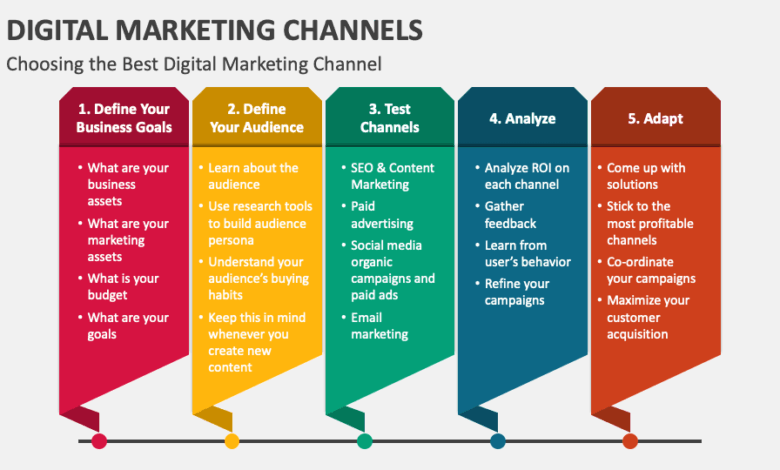
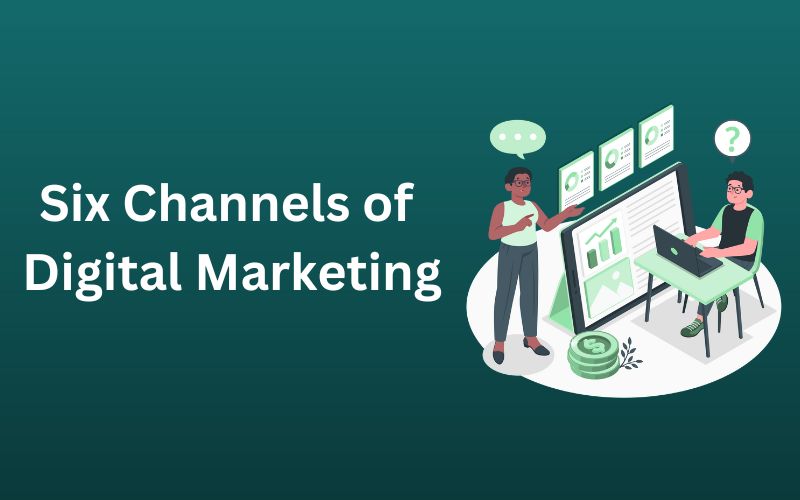
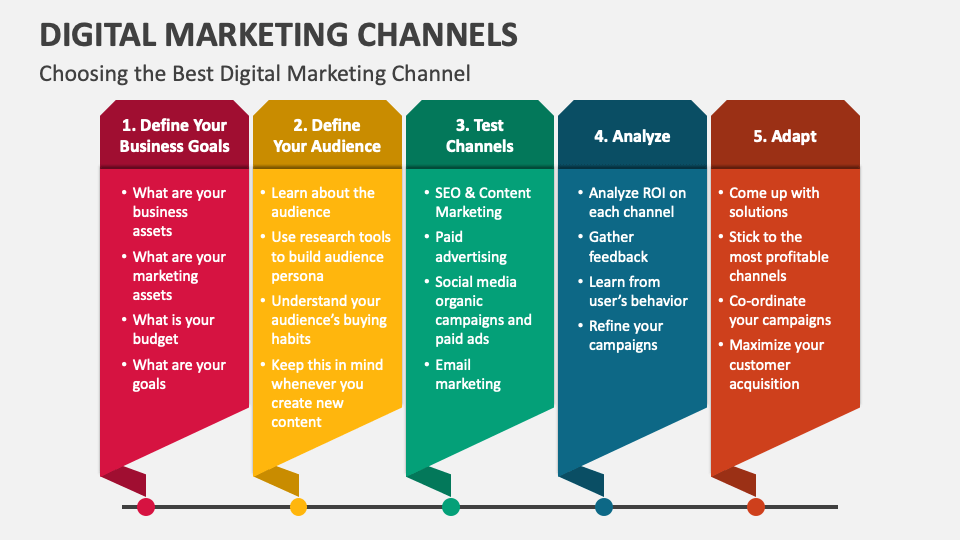
Digital marketing isn’t just about one tactic; it’s a multifaceted approach that leverages various channels to reach and engage target audiences. Understanding the different channels available and how they fit into a broader strategy is crucial for achieving marketing objectives. Each channel offers unique opportunities for interaction and conversion, and a well-structured approach can significantly boost ROI.Different channels cater to various needs, from driving brand awareness to generating leads and ultimately, conversions.
The choice of channels depends on factors like budget, target audience, and marketing goals. A well-rounded strategy incorporates a mix of channels, optimizing each to maximize its potential.
Paid Advertising Channels
Paid advertising channels allow businesses to target specific audiences and measure the impact of their campaigns. This targeted approach is a powerful tool for reaching potential customers actively searching for products or services.
- Search Engine Marketing (SEM): SEM utilizes paid search ads on platforms like Google Ads. Businesses bid on s relevant to their products or services, ensuring their ads appear prominently in search results when users search for related terms. This allows for immediate visibility and targeted reach. For instance, a company selling gardening tools can bid on s like “best gardening shears” or “organic fertilizer.”
- Social Media Advertising: Platforms like Facebook, Instagram, and Twitter offer sophisticated advertising tools. Businesses can target specific demographics, interests, and behaviors to deliver highly personalized ads. A fashion retailer might target users interested in specific clothing styles or those living in a particular geographic area.
- Display Advertising: This involves placing banner ads on websites and apps. These ads often use compelling visuals and creative designs to capture attention. For example, a travel agency could place an ad featuring stunning images of exotic destinations on travel-related websites.
- Retargeting Ads: These ads target users who have previously interacted with a business’s website or social media pages. By reminding them of products or services they’ve shown interest in, retargeting ads can drive conversions. An online bookstore could display ads to users who viewed specific books but didn’t purchase them.
Organic Social Media Channels
Organic social media channels focus on building relationships and establishing brand presence through engaging content. This approach emphasizes building trust and a community around the brand.
- Building Brand Awareness: Consistent posting of high-quality content that resonates with the target audience is essential. This includes images, videos, and engaging posts that showcase the brand’s personality and values.
- Engaging with Followers: Responding to comments and messages, participating in relevant conversations, and running contests or giveaways can increase engagement and foster loyalty. A tech company could share insightful articles on industry trends or host a Q&A session with its engineers.
- Driving Traffic to Website: Social media posts can include links to relevant web pages, encouraging users to learn more about the brand, products, or services. A clothing brand might share a link to its latest collection on its Instagram page.
Email Marketing
Email marketing remains a vital tool in digital marketing strategies. It allows businesses to nurture leads, promote products, and build lasting customer relationships. Effective email campaigns are crucial for driving sales and fostering customer loyalty.
- Nurturing Leads: Email sequences can be designed to educate potential customers about products or services, building trust and encouraging conversions. A software company might send a series of emails showcasing the benefits of its product.
- Promoting Products: Businesses can announce new products, promotions, or discounts through targeted email campaigns. An online retailer could send emails about exclusive deals for subscribers.
- Building Relationships: Regular email newsletters or updates can keep customers informed about the brand and its activities. A coffee shop could send weekly newsletters featuring new coffee blends and seasonal specials.
Mobile Marketing
Mobile marketing is critical in today’s digital landscape, as mobile devices are ubiquitous. This channel allows for personalized interactions and highly targeted campaigns.
- Targeted Messaging: Mobile marketing enables personalized messaging based on user behavior, location, and preferences. A restaurant could send notifications about special offers to customers near their location.
- App-Based Engagement: Mobile apps offer a direct line of communication with customers, allowing for interactive experiences and personalized recommendations. A fitness app could provide tailored workout plans based on user data.
- Mobile-Optimized Websites: Responsive web design ensures a seamless user experience across all devices. This improves user engagement and conversion rates.
Influencer Marketing
Influencer marketing leverages the reach and credibility of social media influencers to promote products or services. It’s an effective strategy for reaching a specific target audience and building brand awareness.
- Building Trust: Influencers often have a strong rapport with their followers, building trust and credibility for brands they endorse. A fashion blogger endorsing a new clothing line can increase its popularity among their audience.
- Targeted Reach: Influencers can target specific demographics and interests, ensuring that marketing messages reach the most relevant audience. A tech reviewer endorsing a new smartphone model can reach tech enthusiasts.
- Creating Authentic Content: Influencers can create engaging and authentic content that resonates with their followers, leading to a stronger impact than traditional advertising. A food blogger showcasing a new restaurant in a recipe video can influence their audience to visit it.
Channel Overview
| Channel | Description | Target Audience | Metrics |
|---|---|---|---|
| Search Engine Marketing (SEM) | Paid ads on search engines | Users actively searching for products/services | Click-through rate (CTR), Cost-per-click (CPC), Conversion rate |
| Social Media Advertising | Targeted ads on social media platforms | Specific demographics, interests, behaviors | Reach, Impressions, Engagement rate, Conversions |
| Email Marketing | Targeted email campaigns | Subscribers interested in products/services | Open rate, Click-through rate, Conversion rate |
| Mobile Marketing | Personalized messaging on mobile devices | Users using mobile devices | Engagement rate, App downloads, Conversions |
Marketing Objectives and Measurement: What Is Digital Marketing
Defining clear marketing objectives is crucial for any digital marketing campaign. Without specific goals, it’s challenging to track progress and measure the effectiveness of your efforts. These objectives should be SMART – Specific, Measurable, Achievable, Relevant, and Time-bound. This allows for a focused approach, enabling you to assess whether your campaign is yielding the desired results.
Defining Clear Marketing Objectives, What is digital marketing
Clear marketing objectives are the bedrock of a successful digital marketing campaign. They provide direction, allowing you to focus your resources and efforts on achieving specific results. These objectives should be meticulously crafted to align with overall business goals, ensuring they contribute to the company’s strategic vision. For example, a business aiming to increase brand awareness might set an objective to increase social media engagement by 20% within the next quarter.
Key Performance Indicators (KPIs) in Digital Marketing
KPIs are quantifiable metrics used to assess the performance of a digital marketing campaign. They provide a clear picture of how well your strategies are working. Examples of crucial KPIs include website traffic, conversion rates, click-through rates (CTR), bounce rates, cost per acquisition (CPA), and return on ad spend (ROAS).
Tracking and Measuring Campaign Success
Tracking the success of a digital marketing campaign involves meticulously monitoring the KPIs. Tools like Google Analytics provide invaluable insights into user behavior and campaign performance. Regularly analyzing these metrics helps identify areas needing improvement and strategies performing well. This iterative process allows for adjustments to maximize campaign effectiveness.
Importance of ROI in Digital Marketing
Return on investment (ROI) is a critical metric for assessing the profitability of a digital marketing campaign. It represents the gain realized relative to the investment made. A high ROI signifies that the campaign is generating a significant return for the resources invested. Calculating ROI helps businesses justify marketing spend and allocate resources effectively. For example, a campaign that generates $10,000 in revenue for every $1,000 spent has a substantial ROI.
Methods for Analyzing Marketing Data
Analyzing marketing data involves various techniques, ranging from simple data visualization tools to advanced statistical modeling. Understanding the trends and patterns in the data is crucial to identify areas for improvement and optimize strategies. Tools like spreadsheets, dashboards, and specialized analytics software are essential for processing and interpreting the data. Data visualization tools, such as charts and graphs, help communicate insights effectively to stakeholders.
Example Table: Marketing Objectives and Measurement
| Objective | Strategy | Metrics | Target |
|---|---|---|---|
| Increase brand awareness on social media | Run targeted social media ads | Number of followers, engagement rate, reach | 15% increase in followers, 20% increase in engagement rate within 3 months |
| Boost website traffic from organic search | Optimize website content for | Organic website traffic, rankings | 25% increase in organic traffic, top 10 ranking for target s within 6 months |
| Generate leads for new product launch | Run targeted email marketing campaigns | Email open rates, click-through rates, lead generation | 30% open rate, 10% click-through rate, 50 qualified leads within 2 weeks |
| Increase sales conversion rate on e-commerce website | Improve website user experience and product pages | Conversion rate, average order value, cart abandonment rate | 10% increase in conversion rate, 15% increase in average order value within 4 weeks |
Trends and Future of Digital Marketing
The digital marketing landscape is constantly evolving, driven by technological advancements and shifting consumer behavior. Understanding emerging trends and adapting strategies accordingly is crucial for businesses to stay competitive and achieve their marketing objectives. This section will delve into the key trends shaping the future of digital marketing, focusing on the impact of AI, personalization, and emerging technologies.
Emerging Trends in Digital Marketing
The digital marketing sphere is in a constant state of flux, with new technologies and approaches emerging regularly. Staying ahead of the curve is vital for businesses seeking to maintain a competitive edge. This section explores several of the most prominent emerging trends.
- Artificial Intelligence (AI) is revolutionizing digital marketing, enabling more sophisticated targeting, personalized experiences, and automated processes. AI-powered tools analyze vast datasets to identify patterns and predict customer behavior, leading to more effective marketing campaigns.
- Personalization is paramount in today’s digital environment. Consumers expect tailored experiences, from product recommendations to targeted advertisements. Leveraging data analytics and AI, businesses can deliver highly personalized content, improving customer engagement and driving conversions.
- Voice search is rapidly gaining traction as a primary method of online interaction. Optimizing content for voice search queries is essential for businesses to remain visible in the evolving digital landscape. Understanding how users formulate voice search queries is crucial for creating relevant and informative content.
- The integration of augmented reality (AR) and virtual reality (VR) is reshaping customer interactions. AR and VR technologies provide immersive experiences that can enhance product visualization, customer engagement, and brand storytelling.
- The use of interactive content, such as quizzes, polls, and games, is becoming increasingly prevalent. Interactive content captures attention, fosters engagement, and gathers valuable data about customer preferences, ultimately leading to more effective marketing campaigns.
Impact of Artificial Intelligence (AI) on Digital Marketing
AI is rapidly transforming digital marketing, enabling more sophisticated targeting and personalized experiences. AI-powered tools can analyze vast datasets to identify patterns and predict customer behavior. This leads to more effective marketing campaigns, with tailored content and targeted advertising. AI also automates many marketing tasks, freeing up resources for more strategic initiatives.
Role of Personalization in Digital Marketing
Personalization is critical in today’s digital environment. Consumers expect tailored experiences, from product recommendations to targeted advertising. By leveraging data analytics and AI, businesses can deliver highly personalized content. This approach fosters stronger customer relationships, drives conversions, and enhances customer loyalty. Personalized content can be delivered through email marketing, website design, and social media campaigns.
For example, online retailers use AI to suggest products based on past purchases and browsing history, while e-commerce platforms tailor product displays to individual customer preferences.
Emerging Technologies Shaping the Future of Digital Marketing
Several emerging technologies are poised to significantly influence the future of digital marketing. These technologies promise to enhance customer engagement, optimize campaigns, and provide innovative ways to connect with audiences.
Significance of Voice Search in Digital Marketing
Voice search is becoming an increasingly important aspect of digital marketing. Users are increasingly using voice assistants to search for information and make purchases. Optimizing content for voice search queries is essential for maintaining visibility in the evolving digital landscape. Businesses need to understand how users formulate voice search queries and create content that directly addresses those inquiries.
Voice search optimization focuses on long-tail s and conversational language.
5 Emerging Trends in Digital Marketing
This section presents a concise overview of five emerging trends in digital marketing.
- AI-Powered Personalization: AI algorithms analyze vast amounts of data to tailor marketing messages and product recommendations to individual customer preferences, leading to more effective campaigns and improved customer experiences.
- Interactive Content: Engaging content formats like quizzes, polls, and games enhance user experience, capturing attention, fostering engagement, and providing valuable insights into customer preferences.
- Augmented Reality (AR) and Virtual Reality (VR) Integration: AR and VR technologies provide immersive experiences, allowing customers to visualize products, interact with brands in virtual environments, and engage in interactive brand storytelling.
- Voice Search Optimization: As voice search becomes more prevalent, businesses must adapt their content strategies to address voice search queries, focusing on natural language and conversational s.
- The Metaverse and Web3: The emergence of the metaverse and Web3 presents new opportunities for brands to interact with consumers in virtual spaces, creating immersive experiences and leveraging new digital assets.
Closure
In conclusion, what is digital marketing? It’s a dynamic and ever-evolving field that requires continuous learning and adaptation. From defining clear objectives and employing effective strategies to utilizing the right tools and channels, a comprehensive understanding is essential. By grasping the fundamentals and staying updated on the latest trends, businesses can harness the power of digital marketing to achieve significant growth and success in the modern marketplace.
This guide has provided a framework for understanding what is digital marketing, and it’s now your turn to apply this knowledge to your business strategies.