8 Value Proposition Examples Companies Right
8 value proposition examples companies right showcase how businesses can effectively communicate their value to customers. This post delves into the key elements of crafting a compelling value proposition, exploring real-world examples and actionable strategies. We’ll dissect how companies identify customer needs, translate them into powerful messaging, and ultimately differentiate themselves in the market.
From defining the core concept to analyzing competitive landscapes, we’ll cover the entire process. Understanding customer pain points and translating them into clear benefits is crucial. By examining successful case studies, you’ll gain practical insights and tools to create a value proposition that resonates with your target audience.
Defining Value Propositions
A strong value proposition is the cornerstone of any successful business. It’s the concise articulation of the unique benefits a company offers to its customers, differentiating it from competitors and driving customer acquisition and loyalty. Understanding its core components is crucial for crafting effective marketing strategies and achieving business objectives.Value propositions are not just statements; they are powerful tools for aligning customer needs with company offerings.
They effectively communicate the specific value a product or service delivers, highlighting the tangible and intangible advantages it provides to the customer. This understanding facilitates clearer communication, attracting the right target audience, and ultimately boosting sales.
Core Concept of a Value Proposition
A value proposition is a concise statement that explains the unique value a company offers to its customers. It highlights the benefits customers receive from using a product or service, differentiating it from competitors. Essentially, it answers the question: “Why should a customer choose this product or service over others?” A strong value proposition emphasizes what sets a company apart and what problems it solves for its target market.
Defining a Strong Value Proposition
A strong value proposition is more than just a catchy phrase; it’s a clear, compelling, and concise statement that resonates with the target customer. It’s built on a deep understanding of customer needs and pain points, offering a solution that delivers measurable benefits. This translates to increased customer satisfaction, loyalty, and ultimately, business growth. The key is to focus on the customer’s perspective and translate features into compelling advantages.
Essential Elements of a Compelling Value Proposition, 8 value proposition examples companies right
A compelling value proposition encompasses several crucial elements. Understanding these components is paramount for creating a powerful statement that resonates with the target audience. It should clearly identify the problem the product or service solves, offer a concise and easy-to-understand solution, and highlight the specific benefits customers gain. Ultimately, the proposition must be distinctive and persuasive.
Key Components of a Value Proposition
This table Artikels the essential components of a compelling value proposition, linking problems, solutions, and benefits.
| Component | Description |
|---|---|
| Problem | Clearly identifies the pain points or challenges faced by the target customer. This should be specific and relatable. |
| Solution | Provides a concise and easily understood description of how the product or service addresses the identified problem. It should be specific and focused. |
| Benefit | Highlights the tangible and intangible advantages the customer gains from using the product or service. This should be clear, measurable, and compelling, emphasizing the value proposition. |
Identifying Customer Needs
Understanding your target customer is paramount to crafting effective value propositions. Knowing their needs, pain points, and desires allows you to tailor your offering to resonate deeply with them. This crucial step in the process ensures that your product or service not only solves a problem but also addresses the underlying motivations driving customer behavior. Without this understanding, your value proposition, no matter how well-articulated, risks missing the mark.Pinpointing the precise needs of your target customer requires active listening and diligent research.
A deep dive into their experiences, frustrations, and aspirations is essential for uncovering the genuine problems they face and the solutions they seek. This proactive approach fosters a more genuine and meaningful connection with your audience, ultimately leading to a stronger and more profitable business relationship.
Methods for Pinpointing Customer Needs
Understanding customer needs goes beyond simply asking “what problem are you trying to solve?” It involves actively listening to their experiences, understanding their motivations, and identifying the specific factors that influence their purchasing decisions. Effective customer research methodologies combine various approaches to paint a comprehensive picture of the target audience.
- Surveys: Surveys provide a structured method for gathering quantitative data on customer preferences, pain points, and satisfaction levels. They can be administered online, via email, or through phone calls, enabling you to reach a large pool of potential customers efficiently. For example, a survey could ask customers to rate their satisfaction with various aspects of a product or service on a scale of 1 to 5.
Analyzing the results can identify areas for improvement and reveal trends in customer preferences.
- Interviews: Interviews allow for in-depth qualitative data collection. This approach provides valuable insights into the customer’s motivations, reasoning, and emotions, offering a deeper understanding of their needs and pain points. Conducting interviews can involve face-to-face conversations, phone calls, or video conferencing. For example, a one-on-one interview with a customer can uncover the specific reasons behind their dissatisfaction with a current product, leading to innovative improvements.
- Focus Groups: Focus groups bring together a small group of target customers to discuss a specific product, service, or topic. This interactive format allows for group dynamics and spontaneous discussions, revealing unanticipated insights into customer needs and perceptions. A focus group can reveal the most common pain points experienced by customers, and the potential solutions they perceive as most effective.
- Customer Feedback Analysis: Analyzing existing customer feedback, such as reviews, ratings, and support tickets, provides valuable data about customer experiences. This approach can help identify recurring themes and concerns that are indicative of unmet customer needs. For instance, a review website might show a consistent complaint about slow loading times on a specific platform. This data points to a specific customer need that needs to be addressed.
- Competitive Analysis: Examining competitor offerings provides insights into how your target market perceives your products and services in comparison to those of your competitors. This approach can help you identify gaps in the market and develop unique selling propositions that cater to unmet needs. For example, a competitor might be offering a feature that customers are actively seeking but your product lacks.
So, you’ve nailed those 8 value proposition examples companies right? Now, how do you get the word out? Learning how to go viral on TikTok how to go viral on tiktok could be a game-changer. A great value proposition, no matter how perfectly crafted, won’t do much if nobody sees it. Focusing on viral tactics is key, and using a platform like TikTok can amplify your message, ultimately leading to more successful campaigns built on those strong value propositions.
This highlights a clear need for improvement.
Comparing Customer Research Methodologies
Different research methods offer varying degrees of depth, breadth, and cost. Choosing the right method depends on your specific research goals and budget. The following table provides a comparison of common customer research methodologies:
| Methodology | Depth of Insight | Breadth of Reach | Cost | Time Required |
|---|---|---|---|---|
| Surveys | Moderate | High | Low | Moderate |
| Interviews | High | Low | Moderate | Moderate to High |
| Focus Groups | High | Moderate | Moderate | Moderate |
| Customer Feedback Analysis | Moderate | Moderate | Low | Low |
| Competitive Analysis | Moderate | Moderate | Low | Moderate |
Examples of Value Propositions: 8 Value Proposition Examples Companies Right
Value propositions are the promises companies make to their customers. They articulate the specific benefits customers receive when using a product or service. Understanding these promises is crucial for both companies to effectively communicate their offerings and customers to make informed purchasing decisions. A strong value proposition clearly highlights the problem a company solves and the specific benefits customers gain from the solution.
Real-World Examples of Value Propositions
Value propositions are crucial for successful marketing and sales strategies. By clearly outlining the problems a product or service solves and the benefits customers experience, companies can attract and retain customers more effectively. Here are eight examples of strong value propositions from various industries, illustrating the core elements of a compelling proposition.
| Company | Problem | Solution | Benefit |
|---|---|---|---|
| Netflix | Limited access to a wide variety of movies and TV shows, inconvenient scheduling of releases, and high costs associated with renting physical media. | A streaming service offering a vast library of on-demand content, eliminating the need for physical media rentals and providing flexible viewing schedules. | Convenient, affordable access to a vast library of movies and TV shows, anytime, anywhere. |
| Spotify | Limited music options, high cost of music subscriptions, and difficulty discovering new music. | A music streaming service with a vast library of music, curated playlists, and personalized recommendations. | Access to millions of songs, discovery of new music, and personalized listening experiences. |
| Dropbox | Difficulty in sharing and accessing files across different devices and locations, vulnerability to data loss due to device failure, and limited storage capacity. | Cloud-based file storage and sharing service enabling seamless access to files from any device, robust security measures for data protection, and scalable storage options. | Secure and convenient file sharing and storage, accessible from any device, with enhanced security and scalability. |
| Grammarly | Difficulty in writing clear, concise, and error-free content, lack of access to professional editing support, and time-consuming proofreading process. | A writing assistant software providing real-time grammar and style feedback, enabling users to write more effectively and efficiently. | Improved writing quality, reduced errors, and enhanced clarity and conciseness of written communication. |
| Slack | Inefficient communication methods between teams, difficulty in organizing conversations and finding information, and lack of real-time collaboration tools. | A platform for team communication and collaboration enabling structured conversations, centralized information, and real-time interactions. | Streamlined team communication, improved organization, and enhanced collaboration. |
| Mailchimp | High costs associated with traditional marketing services, lack of automation tools, and limited options for email marketing campaigns. | An email marketing platform with a range of pricing options, including automation features, and sophisticated campaign design tools. | Affordable and scalable email marketing solutions, enhanced campaign management, and automation capabilities. |
| Adobe Photoshop | Lack of professional image editing tools, limitations in design and photo manipulation, and difficulty in achieving desired artistic effects. | A professional-grade image editing software with advanced tools for photo editing, design, and manipulation, providing a wide range of artistic effects. | Advanced image editing capabilities, professional-grade tools, and a wide range of design and photo manipulation options. |
| Uber | Limited options for transportation, difficulties in coordinating rides, and high costs associated with traditional taxi services. | A ride-hailing service enabling users to request and schedule rides, with transparent pricing and real-time tracking. | Convenient, affordable, and reliable transportation options, real-time ride tracking, and flexible scheduling. |
Crafting Compelling Messaging

Turning customer needs into compelling value propositions requires more than just listing features. It demands a deep understanding of your target audience and a knack for crafting a message that resonates with them on an emotional level. A well-crafted value proposition is the cornerstone of a successful marketing strategy, effectively communicating the unique benefits your company offers and differentiating it from competitors.
This involves more than just stating facts; it’s about telling a story that captivates and convinces.Effective value propositions are not static; they evolve as your target audience and market dynamics shift. Adapting your messaging to different segments within your target audience ensures that your value proposition remains relevant and compelling for each individual customer group. This ensures maximum impact and minimizes wasted effort.
Translating Customer Needs into Value Propositions
Understanding your customers’ needs is crucial. Dive deep into their pain points, desires, and motivations. What problems are they trying to solve? What are their aspirations? Once you grasp these needs, you can tailor your value proposition to address them directly.
Instead of simply listing features, highlight how those features directly benefit the customer, solving their problems and fulfilling their needs. This direct link between features and benefits is key to a strong value proposition.
Examples of Strong Value Proposition Statements
Strong value propositions are concise, clear, and benefit-driven. They focus on what the customer gains, not just what the product or service does. Consider these examples:
- For a software company specializing in project management: “Streamline your projects, boost team collaboration, and achieve your goals faster with our intuitive project management software.” This example emphasizes benefits like streamlined projects, increased collaboration, and faster goal achievement.
- For a financial advisory service: “Achieve your financial dreams with personalized guidance and strategic investment solutions tailored to your unique goals.” This highlights the benefit of achieving financial dreams through personalized guidance and tailored solutions.
- For a fitness app: “Unlock your fitness potential with a personalized workout plan, tailored nutrition advice, and a supportive community to help you achieve your fitness goals.” This statement emphasizes the benefit of unlocking fitness potential through personalized guidance, support, and community.
Tailoring Value Propositions to Different Target Audiences
Different customer segments have different needs and priorities. A value proposition that resonates with one group might fall flat with another. For instance, a value proposition targeting budget-conscious consumers should emphasize affordability and value, while one targeting high-end clients should highlight premium quality and exclusive features. Understanding the unique characteristics of each target audience is essential for tailoring your message effectively.
Importance of Clear and Concise Language
Jargon and overly technical language can alienate potential customers. Use clear, concise, and easily understandable language that resonates with your target audience. Avoid industry-specific terms unless absolutely necessary and ensure your message is easily grasped by anyone.
Creating a Persuasive and Memorable Message
Crafting a memorable message involves more than just stating facts. It requires storytelling. Connect with your audience on an emotional level by highlighting the impact your product or service has on their lives. Consider using testimonials, case studies, or real-life examples to further strengthen your message. Using compelling language and a clear call to action will make the message memorable.
Table of Writing Styles for Value Propositions
| Target Audience | Writing Style | Example |
|---|---|---|
| Budget-conscious consumers | Focus on value, affordability, and practicality. | “Get the best value for your money with our affordable and reliable product.” |
| High-end clients | Highlight exclusivity, premium quality, and superior service. | “Experience unparalleled luxury and sophistication with our meticulously crafted product.” |
| Tech-savvy individuals | Emphasize innovation, cutting-edge technology, and ease of use. | “Experience the future of technology with our innovative and user-friendly product.” |
| Businesses | Focus on ROI, efficiency, and problem-solving. | “Boost your productivity and streamline your operations with our effective business solutions.” |
Analyzing Competitive Landscape
Understanding your competitors is crucial for crafting a compelling value proposition. A thorough analysis allows you to identify opportunities to differentiate your offering and position it uniquely in the market. This involves more than just recognizing your rivals; it requires a deep dive into their strategies, customer segments, and, most importantly, their value propositions. By understanding their strengths and weaknesses, you can strategically position your company for success.Competitive analysis isn’t just about finding flaws in competitors; it’s about understanding the overall market dynamics and identifying unmet needs.
So, I’ve been digging into 8 value proposition examples companies are nailing right now, and it’s fascinating how crucial a mobile-first approach is. Google’s recent mobile-first update has really pushed companies to focus on user experience on smaller screens, which directly impacts the effectiveness of those value propositions. Ultimately, understanding how users interact with your product on mobile is key to creating compelling value propositions that resonate.
This process helps you pinpoint gaps in the market and develop a value proposition that stands out. A comprehensive competitive analysis can provide invaluable insights for refining your strategy and increasing your chances of market success.
Identifying Competitors’ Value Propositions
Competitor value propositions represent how they satisfy customer needs and solve problems. To identify them, research their marketing materials, customer reviews, and public statements. Analyze their pricing strategies, product features, and target customer segments. Look for the key benefits they highlight to their customers. By dissecting their messages, you can uncover the promises they make to consumers and how they position themselves in the marketplace.
Comparing and Contrasting Competitors’ Value Propositions
A comparative analysis reveals similarities and differences among competitors’ value propositions. This includes examining their target markets, product features, pricing models, and marketing strategies. Identify overlapping and distinct aspects of their value propositions. This helps you understand the existing market landscape and where your company might find an opening. Highlighting distinctions will help you identify gaps and areas where your company can offer a more compelling value proposition.
Positioning Your Company’s Value Proposition Uniquely
Crafting a unique value proposition is key to standing out in a crowded market. Analyze your company’s strengths and resources to identify areas where you can offer a superior value proposition. Identify how your company’s unique capabilities can differentiate it from competitors. This includes your company culture, technological expertise, and business processes. For instance, a company specializing in sustainable practices might emphasize its commitment to environmentally friendly products and processes.
Identifying Gaps in the Market
Market gaps are unmet needs or underserved customer segments. Research customer feedback, industry trends, and emerging technologies to identify potential gaps. Examine market trends and unmet customer needs to identify areas where your company can offer unique solutions. Look for opportunities where your value proposition can fill a void in the current marketplace.
Identifying Competitive Advantages
Competitive advantages are aspects that set your company apart from competitors. These could include superior product quality, innovative technology, strong brand reputation, or a dedicated customer service team. Analyze your company’s resources and capabilities to identify factors that give you a competitive edge. Highlighting these advantages in your value proposition will attract customers seeking those specific benefits.
Competitive Analysis Process
| Step | Action |
|---|---|
| 1 | Identify Competitors |
| 2 | Analyze Competitors’ Value Propositions |
| 3 | Compare and Contrast Value Propositions |
| 4 | Define Your Unique Value Proposition |
| 5 | Identify Market Gaps |
| 6 | Highlight Competitive Advantages |
| 7 | Document Findings |
Visualizing Value Propositions
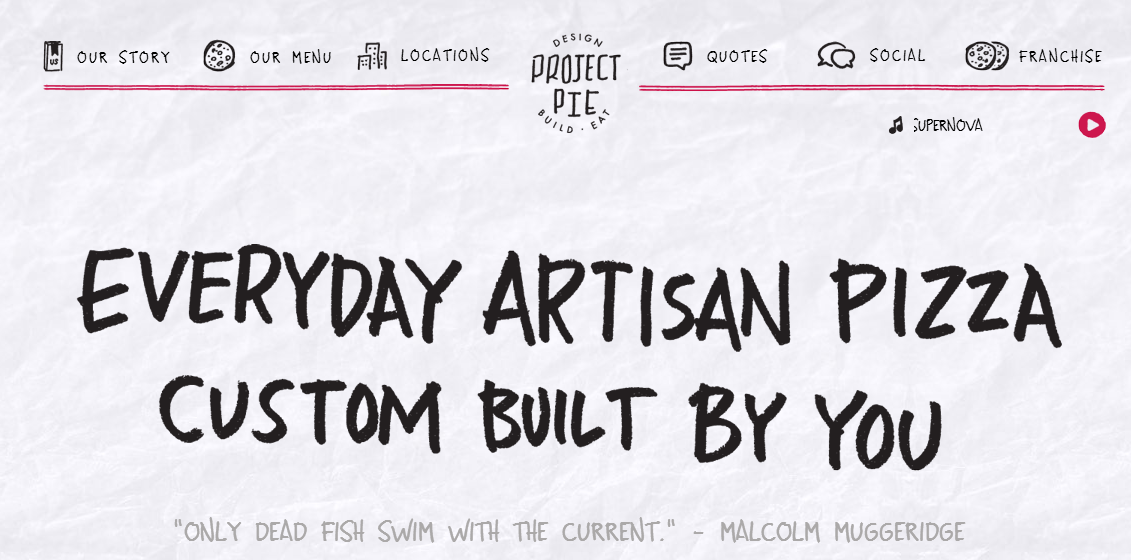
Visualizing value propositions transforms abstract concepts into tangible, memorable representations. A well-crafted visual can quickly communicate the benefits of a product or service, making it easier for potential customers to understand and connect with your offering. This approach significantly enhances the memorability and impact of your value proposition, ultimately leading to stronger customer engagement and conversions.Effective visualization goes beyond simple aesthetics; it leverages design principles to clarify the core value proposition and highlight key differentiators.
The strategic use of colors, imagery, and layout plays a crucial role in conveying the intended message, fostering a deeper understanding of the benefits and fostering trust in your brand.
Visual Representation Techniques
Visual representations, such as infographics and flowcharts, offer powerful tools for conveying complex information in a clear and concise manner. Infographics, for example, use visuals like charts, graphs, and icons to illustrate key data points and benefits. Flowcharts, on the other hand, effectively depict processes or workflows, demonstrating how your product or service solves a customer problem step-by-step.
Using Colors and Imagery Effectively
Colors and imagery are critical elements in visual communication. Color psychology plays a significant role in evoking emotions and associations, influencing how viewers perceive your brand and product. The use of vibrant colors can convey energy and excitement, while muted tones can project a sense of sophistication and calm. Images should align with the brand’s personality and resonate with the target audience.
So, you’ve nailed down 8 killer value proposition examples companies right? That’s fantastic! But to truly maximize your digital ecommerce success, you need the 5 must-haves to run a profitable program. Check out 5 must haves to run profitable digital ecommerce program for insights on crucial elements like marketing strategies and customer experience. Once you’ve got these foundational pieces in place, you can really refine those value propositions for maximum impact.
For instance, a playful image might be suitable for a product aimed at children, while a professional image would be more appropriate for a business-oriented product. Careful consideration of color palettes and image selection is crucial to ensure that the visual representation effectively communicates the intended value proposition.
Examples of Effective Visual Representations
A software company targeting small businesses might use a flowchart to illustrate how their cloud-based accounting software streamlines the financial reporting process. Each step in the process, from data entry to generating reports, would be visually represented, highlighting the efficiency gains for the user. An e-commerce platform could use an infographic to showcase the various payment options and security measures in place, emphasizing the safety and convenience of online transactions.
The infographic might use icons and concise text to quickly convey the different payment methods available and the measures taken to protect customer data.
Choosing Appropriate Visuals
The choice of visual representation depends on the specific value proposition being communicated. For value propositions emphasizing efficiency and process improvements, a flowchart might be most effective. If the value proposition focuses on data-driven insights, an infographic using charts and graphs would be suitable. For instance, a data analytics company could use a compelling infographic to visually represent the insights derived from customer data, highlighting the actionable information available to clients.
The selected visual should accurately reflect the core message and appeal to the target audience.
Testing and Iterating
Value propositions are more than just clever slogans; they’re the bedrock of a successful product or service. Knowing how to effectively test and iterate on these statements is crucial for optimizing your messaging and achieving your business goals. This process isn’t a one-time effort; it’s an ongoing cycle of refinement, feedback, and adaptation to ensure your value proposition resonates with your target audience.The process of testing and iterating on your value proposition involves actively seeking feedback from your target customers and then using that feedback to continuously refine your messaging.
This iterative approach ensures your message is not only well-crafted but also truly reflects the needs and desires of your ideal customers.
Methods for Testing Value Proposition Statements
Gathering feedback on your value proposition statements is essential to ensure they accurately reflect customer needs and desires. This feedback can come from various channels, including surveys, focus groups, interviews, and A/B testing.
- Surveys: Surveys are a valuable tool for gathering quantitative data about customer perceptions. Use structured questions to assess customer understanding and preference for different value proposition statements. For example, a multiple-choice question asking customers to choose the value proposition that best aligns with their needs can provide clear data points. Analyzing the results allows you to understand which statements resonate most effectively.
- Focus Groups: Focus groups allow for qualitative feedback. In a moderated setting, observe how customers react to your value proposition statements. This provides valuable insight into customer motivations and concerns, which can help you refine your messaging and target specific pain points. Focus groups can reveal nuances and subtleties in customer responses that surveys might miss.
- Interviews: One-on-one interviews allow for a deeper understanding of customer perspectives. In-depth conversations allow for exploration of customer reasoning behind their choices and preferences. Understanding the “why” behind responses allows for a more nuanced approach to value proposition refinement.
Importance of Gathering Feedback
Gathering feedback isn’t just about validating your assumptions; it’s about understanding your customers better. It provides crucial insights into their needs, pain points, and motivations. This understanding is paramount to crafting value propositions that resonate deeply and drive conversions.
- Adapting to changing needs: Customer needs evolve. Regular feedback ensures your value proposition remains relevant and addresses the latest challenges faced by your target audience.
- Improving communication: Feedback allows you to adjust your language and tone to better connect with your target audience.
- Enhancing customer satisfaction: By accurately addressing customer needs, your value proposition builds trust and enhances the overall customer experience.
Refining Value Propositions with Feedback
Using feedback to refine your value propositions is a continuous process. Don’t be afraid to make changes based on what you learn. This process of iterative improvement is key to creating a compelling and effective value proposition.
- Identify patterns: Look for recurring themes and patterns in the feedback you receive. These patterns often reveal areas where your value proposition needs adjustments or improvements.
- Prioritize improvements: Not all feedback is equally important. Prioritize changes based on their potential impact on your target audience and your overall business goals.
- Test revised statements: Once you’ve refined your value proposition, test the revised statements with your target customers again to measure the impact of your changes. Use the same methods (surveys, focus groups, etc.) to gather feedback.
A/B Testing Value Proposition Variations
A/B testing is a powerful method for comparing different value proposition variations to see which performs best. This technique allows you to measure the effectiveness of different messages and optimize your value proposition for maximum impact.
- Variation selection: Choose specific elements of your value proposition to test. This could be different phrasing, different benefits highlighted, or even different calls to action.
- Targeted implementation: Apply these variations to different segments of your target audience to see how they respond.
- Measuring key metrics: Track conversion rates, click-through rates, and other relevant metrics to determine which variation resonates best with your target audience.
Measuring Impact on Key Metrics
The impact of a value proposition can be measured by tracking key performance indicators (KPIs). This data provides a clear picture of how your value proposition is performing and whether it’s achieving its intended goals.
- Conversion rates: Track the percentage of visitors who complete a desired action, such as making a purchase or signing up for a newsletter. This metric directly measures the effectiveness of your value proposition in driving conversions.
- Customer lifetime value: Measure the total revenue generated by a customer over their relationship with your company. A well-defined value proposition can increase customer lifetime value by creating a strong sense of customer loyalty.
- Customer acquisition cost: Monitor the cost required to acquire a new customer. An effective value proposition can help to lower customer acquisition costs by attracting customers who are more likely to convert.
Closing Notes
In conclusion, a strong value proposition is more than just a tagline; it’s a roadmap to customer success. By understanding customer needs, crafting compelling messaging, and analyzing the competitive landscape, businesses can effectively communicate their unique value. The examples and strategies presented here provide a solid foundation for creating a value proposition that not only attracts customers but also drives business growth.