Instagram Analytics Your Guide to Growth
Instagram analytics sets the stage for understanding your social media success. This deep dive reveals the power of data to optimize your Instagram strategy, whether you’re a business or a creator. We’ll explore the various metrics, from engagement rates to audience insights, and how to use them to improve your performance. Unlocking the secrets hidden within Instagram’s data can significantly boost your presence and achieve your goals.
This comprehensive guide unpacks the key metrics within Instagram analytics, providing practical methods for interpreting and applying the insights gained. We’ll dissect audience behavior, content performance, and strategies for improvement, all grounded in real-world examples and actionable takeaways. Learn how to leverage Instagram analytics to not only understand your audience but also tailor your content and campaigns for maximum impact.
Introduction to Instagram Analytics
Instagram analytics provides valuable insights into how your content performs on the platform. Understanding audience engagement, reach, and trends allows businesses and creators to optimize their strategies, maximize their impact, and ultimately achieve their goals. This data-driven approach is crucial for navigating the ever-evolving landscape of social media.Instagram analytics is more than just a collection of numbers; it’s a powerful tool for understanding your audience and refining your content strategy.
It reveals patterns in viewer behavior, allowing you to tailor your posts and stories to resonate with your target demographic. By analyzing this data, you can fine-tune your approach to increase engagement, build a loyal following, and drive meaningful results.
Instagram analytics are super helpful for understanding your audience, but what if you could supercharge your results? Knowing how many people are seeing your posts is great, but really boosting your engagement and driving conversions is key. That’s where enhanced conversions come in. Understanding what’s working and what’s not with your Instagram strategy, via analytics, will ultimately help you make better business decisions.
Types of Data Available in Instagram Analytics
Instagram analytics offers a comprehensive range of data points, including reach, impressions, engagement metrics (likes, comments, shares), and website clicks. This multifaceted data allows for a thorough understanding of how your content is performing and how it impacts your target audience. You can track the demographics of your audience, including age, location, and interests, giving you a detailed portrait of who is interacting with your content.
How Instagram Analytics Can Improve Performance
Analyzing Instagram analytics allows you to identify trends and patterns in your content performance. This knowledge can be used to optimize your posting schedule, content types, and targeting. Identifying what content resonates most with your audience, understanding when they are most active, and tailoring your approach accordingly, are all key steps to improvement.
Examples of Successful Use Cases for Instagram Analytics
Businesses have successfully leveraged Instagram analytics to increase sales and brand awareness. For example, a clothing retailer noticed that posts featuring user-generated content consistently received higher engagement. This insight led them to implement a user-generated content campaign, boosting brand awareness and sales. Another example is a fitness influencer who noticed a surge in engagement during specific hours.
By adjusting their posting schedule to align with peak engagement times, they saw a noticeable increase in follower growth and interactions.
Metrics Tracked in Instagram Analytics
A wide array of metrics are tracked within Instagram analytics, allowing for a deep dive into the performance of your content. Understanding these metrics is critical for effective strategy implementation and optimization.
- Reach: The total number of unique accounts that saw your post or story.
- Impressions: The total number of times your post or story was displayed, even if it was seen by the same account multiple times.
- Engagement Rate: The percentage of people who interacted with your post or story, such as likes, comments, and shares.
- Website Clicks: The number of times users clicked on a link in your post or story to visit your website. This is a key metric for businesses looking to drive traffic and conversions.
- Profile Visits: The number of times users visited your Instagram profile after seeing your content.
Understanding Key Metrics
Instagram analytics provides a wealth of data that can be leveraged to optimize your strategy and achieve your business goals. Understanding the key performance indicators (KPIs) is crucial for interpreting this data and making informed decisions. This section delves into the significance of each metric and how to interpret them to understand your audience better.
Key Performance Indicators (KPIs)
Instagram analytics offers a variety of metrics, each providing valuable insights into audience engagement and overall performance. Understanding these metrics is essential to track progress and make data-driven adjustments to your content strategy.
- Reach: Reach represents the unique number of accounts that saw your content. It’s a measure of how far your posts spread within the Instagram community. A high reach indicates a wider audience exposure, which is vital for brand awareness and visibility. For example, a post with a high reach suggests that a significant number of users have encountered your content, whether or not they engaged with it.
- Impressions: Impressions track the total number of times your content was displayed, regardless of whether it was seen by a unique user. A high number of impressions indicates significant exposure, even if not all users interact with the post. For instance, if a post appears multiple times in a user’s feed or through different recommendations, this would increase the impression count.
- Engagement Rate: Engagement rate encompasses actions like likes, comments, shares, saves, and replies. It’s a crucial indicator of how well your content resonates with your audience. A higher engagement rate suggests your content is appealing and fosters interaction. For instance, a post with numerous likes and comments demonstrates strong audience interest.
- Website Clicks: This metric tracks how many users clicked on your website link from your Instagram posts. It directly measures the effectiveness of your calls to action (CTAs) and indicates how well your Instagram strategy is driving traffic to your website. A higher number of website clicks demonstrates that your Instagram content is driving desired actions.
- Profile Visits: This metric tracks the number of users who visited your Instagram profile after interacting with your content. A higher number of profile visits indicates that your content is prompting users to learn more about your brand and explore your profile.
Interpreting Audience Demographics and Interests
Instagram analytics provides valuable data about your audience’s demographics and interests. This allows you to tailor your content to resonate better with your target audience.
- Age and Gender Breakdown: Analyzing the age and gender distribution of your audience helps you understand who is interacting with your content. This knowledge allows for more targeted content creation that resonates with the specific age group and gender. For instance, you can create different types of content to appeal to different age demographics, ensuring a wider reach and engagement.
- Location: Knowing the geographic location of your audience allows for targeted advertising and content creation. You can tailor your content to specific regional interests or trends, enhancing engagement. For instance, if a significant portion of your audience is from a specific region, you can create content related to local events or interests.
- Interests: Analyzing the interests of your audience reveals what topics and subjects resonate most. This information is invaluable for creating content that captivates your audience. For instance, understanding the interests of your followers allows you to incorporate trending topics into your content strategy.
Analyzing Engagement Rates, Reach, and Impressions
Analyzing engagement rates, reach, and impressions is crucial for understanding the effectiveness of your Instagram content strategy. A comparative analysis between different accounts can provide insights into best practices.
- Comparison Across Accounts: Comparing engagement rates, reach, and impressions across different Instagram accounts helps identify patterns and areas for improvement. For example, an account that consistently posts high-quality images or videos might have a higher engagement rate than another account.
Interpreting Data to Understand Audience Demographics and Interests
Analyzing the data from your Instagram analytics allows for a deeper understanding of your audience’s demographics and interests. This information is vital for creating content that resonates with your target audience.
- Demographic Insights: The data allows you to understand the demographics of your audience. This understanding helps you create content that appeals to your target audience. For instance, if your audience is primarily female between the ages of 25 and 35, you can create content that resonates with their interests and preferences.
Analyzing Audience Insights
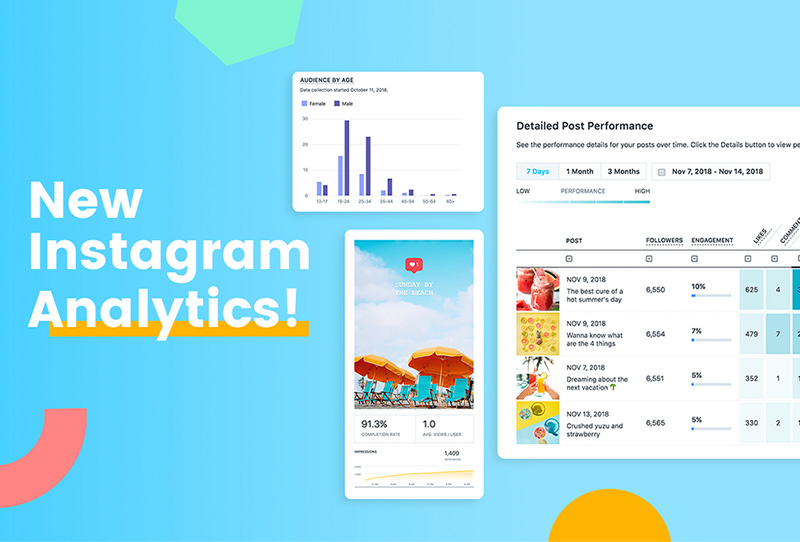
Uncovering your Instagram audience’s preferences is crucial for tailoring your content strategy and maximizing engagement. Understanding who your followers are, what they like, and how they interact with your posts allows you to create highly targeted campaigns and foster a stronger connection with your community. By delving into audience insights, you can refine your content approach to resonate more effectively with your ideal customer base.
Segmenting Audiences Based on Instagram Analytics
Instagram analytics provides a wealth of data that allows for precise audience segmentation. This segmentation can be based on various factors, such as demographics, interests, and behaviors. By understanding these nuances, businesses can craft content that effectively targets their ideal customers. This deeper understanding enhances content relevance and, in turn, increases engagement.
Understanding Audience Demographics and Interests
Understanding audience demographics, such as age, location, and gender, provides a valuable foundation for tailoring your content. Knowing the typical interests of your audience allows you to craft content that aligns with their preferences, thereby increasing engagement and fostering stronger relationships with potential customers. For instance, if a large portion of your audience falls within a specific age range, you can adapt your content style and tone to better resonate with that group.
Analyzing Audience Behavior Based on Demographics
Analyzing audience behavior based on demographics provides a powerful lens for understanding how different segments interact with your content. The table below illustrates how age and interest can influence engagement levels.
| Demographic | Interest | Action |
|---|---|---|
| Age 18-25 | Fashion | Increased engagement with fashion-related posts, higher click-through rates on related product links. |
| Age 26-35 | Travel | Higher engagement with travel-themed content, such as destination spotlights, and increased interest in travel-related products. |
| Age 36-55 | Health and Wellness | Stronger engagement with posts highlighting health and wellness tips, fitness routines, and healthy recipes. |
Relationship Between Audience Location and Content Performance
Audience location plays a significant role in content performance. The table below demonstrates how tailoring content to specific geographical regions can yield better results.
Instagram analytics are crucial for understanding your audience, but it’s also important to tailor your promotional strategies. Knowing how often you should send promotional emails directly impacts your Instagram engagement. For example, if you’re flooding inboxes with irrelevant emails, you risk alienating potential customers. Finding the optimal frequency for your emails, as detailed in this guide on how often should you send promotional emails , will significantly improve your overall Instagram strategy.
Ultimately, the right email cadence is a key component of a strong Instagram presence.
| Location | Content Type | Engagement |
|---|---|---|
| USA | Product demos showcasing US-specific product features and applications | Higher engagement, more comments and questions, higher conversion rates. |
| Europe | Product comparisons and reviews highlighting European standards and preferences | Stronger engagement, increased product inquiries, higher click-through rates to European online stores. |
| Asia | Product promotions aligned with local cultural events and holidays | Higher engagement, increased purchase intent, stronger brand loyalty. |
Identifying Trending Topics Within Your Audience
Monitoring trending topics within your audience allows you to create content that aligns with current interests. Analyzing hashtags, comments, and post interactions reveals the subjects that resonate most with your followers. This analysis helps to keep your content relevant and engaging.
Content Performance Evaluation
Instagram analytics goes beyond basic insights; it’s about understanding what resonates with your audience. Evaluating content performance allows you to refine your strategy, optimizing for engagement and growth. This involves meticulously examining the effectiveness of different content formats and tailoring your posting schedule to maximize impact.A crucial aspect of Instagram success is understanding which content formats perform best.
Analyzing the performance of diverse content types, from photos and videos to carousels and reels, helps you fine-tune your approach. Knowing your audience’s preferences for different content types enables you to create more engaging content and maximize your reach. Understanding the ideal posting times and days further refines your strategy for optimal visibility and interaction.
Evaluating Content Format Effectiveness
Different content formats appeal to various audience preferences. Analyzing the engagement rates of different formats, such as photos, videos, carousels, and reels, provides valuable insights into what your audience finds most compelling. Understanding which formats generate the most interaction allows you to allocate resources effectively and tailor your content strategy for maximum impact.
Analyzing Post Type Performance
Different post types have unique characteristics that influence their performance. A detailed analysis of photo, video, carousel, and reel post performance helps understand the preferences of your target audience. For instance, reels, due to their short-form video format, often garner higher engagement and reach compared to static images.
Comparing Posting Times and Days
Optimizing posting times is essential for maximizing visibility and interaction. Analyzing the performance of posts across different days and times reveals patterns in audience activity. This knowledge enables you to schedule your content strategically to reach your audience when they are most active.
Content Performance Comparison Table
| Content Type | Engagement Rate | Reach |
|---|---|---|
| Reels | High | High |
| Videos (longer form) | Medium | Medium |
| Carousels | Medium | Medium |
| Photos | Low to Medium | Low to Medium |
Note: Engagement rate and reach vary based on specific content, audience, and other factors. The table provides a general overview.
Instagram analytics are super helpful for understanding your audience and content performance. But, did you know that your website’s setup, like whether you use ‘www’ or ‘not www’ in your URL, can subtly affect your overall strategy? This choice, as you can explore in more detail at www vs non www , can impact how Instagram tracks your website traffic and potentially influence your analytics data.
Ultimately, optimizing your Instagram presence needs to consider all the factors, from your content to your website setup.
Optimizing Content for Maximum Impact
Strategies for optimizing content effectiveness include understanding audience preferences, testing different content formats, and tailoring posting times to maximize visibility. A/B testing different content variations allows you to identify what resonates best with your target audience. This iterative process of testing and refinement helps you refine your content strategy and achieve optimal results. Regularly monitoring your content performance allows for adjustments to your strategy.
For example, if a particular format consistently performs poorly, you might decide to allocate fewer resources to it or experiment with different approaches.
Strategies for Improvement
Instagram analytics provide a wealth of data to refine your strategy and boost your presence. Understanding these insights empowers you to optimize content, tailor it to specific audiences, and ultimately achieve your marketing goals. This section dives into actionable strategies for maximizing engagement, enhancing brand awareness, and improving advertising campaign performance.By meticulously analyzing data from Instagram analytics, businesses can identify trends, patterns, and opportunities for improvement.
This data-driven approach ensures that your Instagram efforts are focused on activities that yield the best results.
Improving Engagement Rates
Engagement rates, including likes, comments, shares, and saves, are critical indicators of audience interaction. A high engagement rate signifies a strong connection with your followers. Analyzing your analytics reveals which types of content resonate most with your audience, allowing you to create more of the content that performs well.
- Content Optimization: Identify content types, formats, and topics that consistently generate high engagement. For instance, if images with a specific filter consistently receive more likes, consider utilizing that filter more often. Analyze the timing of peak engagement and tailor content releases accordingly.
- Interactive Content: Implementing polls, quizzes, Q&A sessions, and other interactive elements can significantly increase engagement. These features encourage participation and create a more dynamic experience for your followers.
- Community Building: Engage in conversations, respond to comments promptly, and foster a sense of community among your followers. Responding to comments and questions shows that you value your audience and encourages further interaction.
Tailoring Content to Specific Audience Segments
Instagram allows you to segment your audience based on demographics, interests, and behaviors. Tailoring content to these segments is crucial for maximizing relevance and engagement.
- Targeted Content Creation: Create content specifically designed to appeal to each audience segment. For example, if you have a segment interested in a specific product, create content that showcases that product’s benefits and features.
- Customized Content Scheduling: Tailor your posting schedule to align with the online activity patterns of different audience segments. If you find one segment is more active in the morning, schedule your content accordingly.
Optimizing Posting Schedules and Times
Identifying the optimal posting times for your audience is crucial for maximizing visibility and engagement. Consistency is key, but posting at optimal times significantly increases your chances of reaching a wider audience.
- Peak Engagement Analysis: Analyze your analytics to pinpoint the times when your followers are most active on Instagram. Identify when your engagement rates are highest and schedule posts accordingly.
- Experimentation and Adjustment: Experiment with different posting times and track the results. Adjust your schedule based on performance data to find the most effective posting times for your specific audience.
- Consistency is Key: Maintain a consistent posting schedule to keep your audience engaged and informed. Even if your peak times are outside of typical work hours, if your audience is active then, consistency is paramount.
Increasing Brand Awareness
Using Instagram analytics, you can gain insights into your brand’s visibility and recognition. Leveraging this data empowers you to strategically increase your brand’s presence.
- Content Strategy Alignment: Align your content strategy with your brand’s values and mission. Consistent branding creates a recognizable and trusted presence.
- Hashtags and s: Employ relevant hashtags and s to expand your reach and improve discoverability. Research popular hashtags within your niche and strategically incorporate them into your posts.
- Collaborations and Partnerships: Collaborate with influencers or other brands to increase your brand’s visibility and reach a new audience.
Improving Advertising Campaigns
Using Instagram analytics to improve advertising campaigns is essential for maximizing return on investment (ROI). Data-driven decisions are critical for success.
- Targeted Advertising: Use Instagram analytics to identify the most effective targeting parameters for your ads. Analyze which demographics, interests, and behaviors generate the most engagement and conversions.
- A/B Testing: Implement A/B testing for ad creatives, copy, and targeting to identify which variations perform best. This optimization strategy improves ad performance.
- Campaign Optimization: Continuously monitor campaign performance and adjust your strategy based on the data. Adjust your targeting, budget, and ad creatives as needed to maximize ROI.
Advanced Instagram Analytics
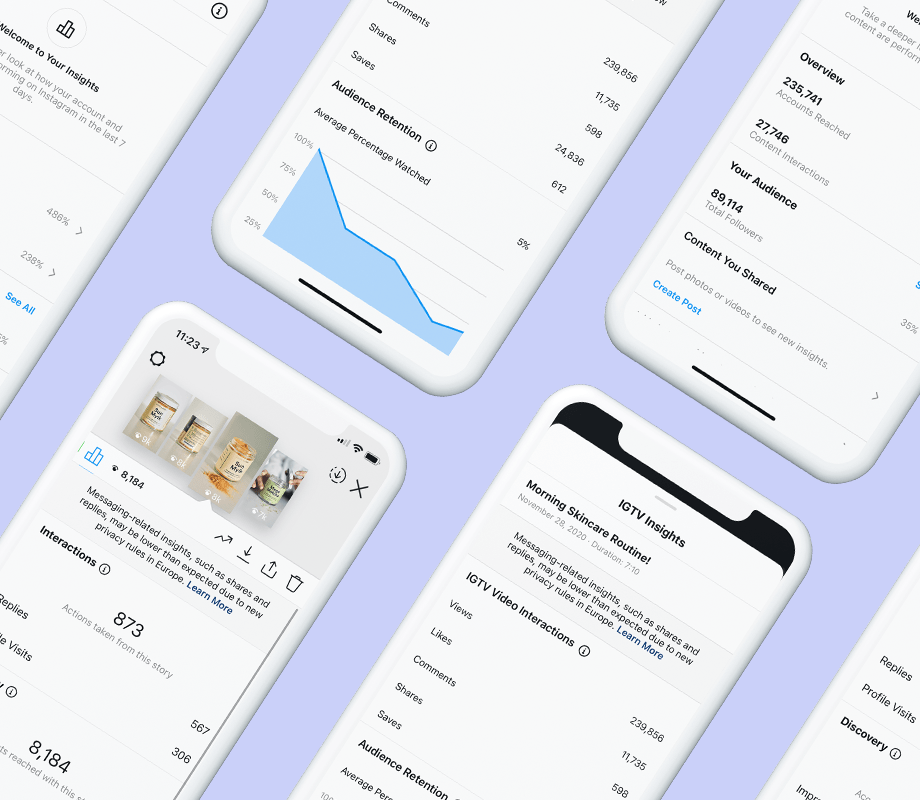
Diving deeper into Instagram analytics unlocks powerful insights beyond the basic metrics. This involves exploring advanced features, custom reports, and more sophisticated data analysis techniques. By understanding these advanced methods, you can gain a comprehensive view of your performance and optimize your strategies for maximum impact. This section will illuminate these techniques, enabling you to take your Instagram presence to the next level.
Custom Reports and Insights
Custom reports are essential for tailored analysis. They allow you to focus on specific data points relevant to your business goals, rather than getting lost in a sea of general information. This personalized approach is crucial for extracting actionable insights. Instagram provides the flexibility to create reports that showcase critical metrics like reach, engagement, and conversion rates, which can be crucial in tailoring campaigns for optimal performance.
Advanced Tools and Techniques for Analyzing Instagram Data, Instagram analytics
Beyond the standard Instagram analytics, several advanced tools and techniques offer more in-depth analysis. Third-party analytics platforms can provide broader insights, extending beyond Instagram’s native capabilities. These platforms often provide more detailed breakdowns of audience demographics, engagement patterns, and content performance, helping you identify trends and areas for improvement. Advanced tools can also provide insights into competitor activity, helping you benchmark your performance and identify opportunities.
Tracking Competitor Performance
Monitoring competitor performance is crucial for staying ahead of the curve. This involves tracking key metrics like follower growth, engagement rates, and content reach for your competitors. Identifying their strengths and weaknesses can inform your own strategies. For example, observing a competitor’s high engagement rate on a particular type of content can suggest areas where you might need to focus your efforts.
Tools designed for social media analytics often provide competitor benchmarks, allowing for direct comparisons and actionable insights.
Monitoring Brand Mentions and Sentiment
Understanding public perception of your brand is vital. Monitoring brand mentions and sentiment analysis tools help you track how people are talking about your brand on Instagram. These tools identify mentions, whether positive, negative, or neutral. Analyzing sentiment provides insights into public perception and identifies potential issues. This can be instrumental in addressing negative feedback promptly and enhancing your brand’s reputation.
Real-time monitoring allows you to react quickly to emerging trends or issues, maintaining a proactive approach. For instance, a sudden surge of negative comments about a recent product launch might necessitate a swift response and adjustments to your marketing strategy.
Summary
In conclusion, Instagram analytics empowers you to understand your audience, optimize your content, and ultimately achieve your goals on the platform. By leveraging the data and insights provided, you can fine-tune your strategy and maximize your presence. This guide has equipped you with the knowledge to effectively utilize Instagram analytics, making informed decisions to enhance your Instagram journey.