
Webinar Best Practices A Comprehensive Guide
Webinar best practices are crucial for maximizing engagement and achieving your goals. This guide delves into the planning, execution, and follow-up strategies to create impactful webinars. From selecting the perfect topic to optimizing technology and tools, we’ll cover every aspect of webinar success. Effective pre-webinar communication, compelling content, and seamless technology are key components.
This comprehensive guide will equip you with the knowledge and strategies to host a successful webinar. We’ll explore the entire process, from planning and preparation to post-webinar follow-up and audience engagement. Learning how to measure and improve webinar effectiveness is also crucial. This all comes together to create a successful and rewarding experience for both the presenter and the audience.
Planning and Preparation
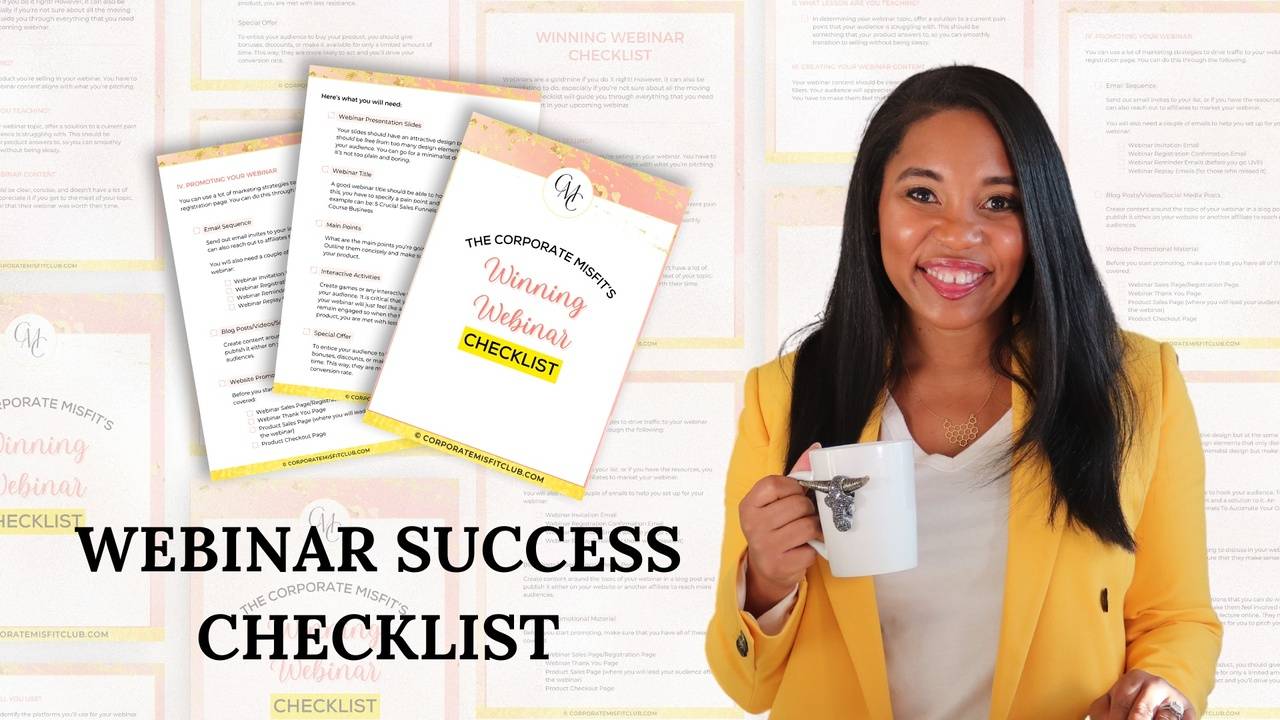
A successful webinar hinges significantly on meticulous planning and preparation. This phase sets the stage for engagement, audience interaction, and ultimately, achieving your business objectives. Thorough preparation ensures a smooth flow, maximizing the impact of your message and fostering a positive experience for attendees.Effective webinar planning is more than just scheduling a date and time. It involves a strategic approach to topic selection, content development, and pre-webinar communication.
Optimizing webinars for maximum engagement is key. A crucial aspect of that is ensuring your video and audio quality is top-notch. Knowing how to effectively manage your content, like ads, on your YouTube channel is also important. For instance, understanding the nuances of the Google Publisher Center can greatly impact your webinar success. It’s a great resource for understanding the best practices for monetizing your webinars through YouTube, and how to leverage your YouTube content to enhance your webinar engagement.
Ultimately, solid webinar best practices hinge on having a clear understanding of your platform’s capabilities, like those offered by Google Publisher Center.
This proactive approach minimizes potential pitfalls and maximizes the potential for success.
Webinar Topic Selection
Choosing the right webinar topic is crucial. It should align with your target audience’s interests and needs, while simultaneously supporting your business goals. Analyze your existing customer base, market trends, and competitor activities to identify areas of interest. For instance, a software company might host webinars on new features, troubleshooting common issues, or industry best practices. Understanding your audience’s pain points and aspirations allows you to create content that truly resonates with them.
Content Artikel Framework, Webinar best practices
A well-structured webinar Artikel ensures a logical flow and impactful takeaways. Begin by defining the webinar’s objectives. Then, create a detailed Artikel with key points, supporting examples, and visual aids. Ensure a clear progression from introduction to conclusion. Include opportunities for audience interaction, such as Q&A sessions or polls, to keep them engaged.
A clear roadmap from beginning to end allows attendees to follow along easily.
Pre-Webinar Communication
Effective communication before the webinar is essential for maximizing attendance and engagement. Develop compelling promotional materials, including a concise description of the webinar topic, its benefits, and speaker information. Send reminders closer to the event date, including links to the webinar platform and any necessary technical information. Provide attendees with clear instructions on how to access the webinar, and any specific software or hardware requirements.
Offer comprehensive technical support options in case of any issues.
Audience Feedback Gathering
Collecting audience feedback before the webinar provides valuable insights. Utilize pre-webinar surveys or polls to gauge interest, identify audience needs, and tailor your content accordingly. This proactive approach helps you to understand what your audience is looking for, ensuring a webinar that truly meets their expectations. Use tools such as email surveys, social media polls, or dedicated feedback forms.
Pre-Webinar Checklist
A comprehensive checklist ensures all necessary tasks are completed.
Mastering webinar best practices is key for engagement, but did you know a well-designed favicon, like the one you can create with this guide ( how to create a favicon ), can subtly boost your webinar’s visibility? A professional favicon helps people quickly identify your webinar in their browser tabs, improving brand recognition and ultimately increasing your webinar’s impact.
So, next time you’re planning a webinar, remember the small details, like your favicon, contribute to the overall success.
- Define webinar objectives and target audience.
- Develop compelling promotional materials (e.g., flyers, email subject lines).
- Create a detailed webinar Artikel and speaker notes.
- Prepare any necessary presentation slides or visual aids.
- Confirm all technical aspects, including webinar platform access.
- Send out pre-webinar communication (promotional materials, reminders, technical support information).
- Collect and analyze audience feedback through surveys or polls.
- Prepare for Q&A session and troubleshoot any potential issues.
- Set up any necessary recording equipment or tools.
Content Delivery
Delivering a compelling webinar requires more than just sharing information. It’s about creating an engaging experience that keeps the audience captivated and actively participating. This section dives into best practices for structuring your presentation, leveraging visual aids, maintaining audience engagement, and handling Q&A effectively. We’ll explore the art of storytelling to further enhance audience connection.
Structuring Engaging Webinar Presentations
A well-structured presentation is crucial for a successful webinar. Start with a clear introduction that sets the stage for the discussion. Artikel key takeaways upfront to provide the audience with a roadmap of what to expect. Organize the presentation into logical sections, each addressing a specific aspect of the topic. Conclude with a summary of key points and a call to action, encouraging audience members to take the next step.
Utilizing Visual Aids Effectively
Visual aids are essential for enhancing understanding and retention. Slides should be visually appealing and concise, avoiding excessive text. Use high-quality images, charts, and graphs to illustrate key concepts. Videos can be incorporated to showcase real-world examples or expert testimonials. Interactive elements, such as polls or quizzes, can keep the audience engaged and involved.
For example, a slide showing a comparison chart of different software options can be highly effective in a webinar on project management software. Remember to maintain a consistent visual style and font throughout the presentation.
Maintaining Audience Engagement Throughout the Presentation
Maintaining audience engagement is paramount to a successful webinar. Employ techniques like asking rhetorical questions to encourage thinking and discussion. Incorporate interactive elements like polls or quizzes to gauge audience understanding and maintain interest. Use storytelling to connect with the audience on an emotional level. Encourage participation by asking questions and responding to comments in real-time.
A short, unexpected quiz at strategic points in the presentation can reinforce key takeaways.
Addressing Questions and Concerns
Responding promptly and professionally to questions and concerns is vital for audience satisfaction. Designate a specific time for Q&A, either at the beginning or end of the presentation. Prepare answers to common questions in advance. Clearly communicate the process for submitting questions. Ensure your responses are comprehensive and address the underlying concerns of the audience member.
Handling Q&A Sessions Efficiently
An efficient Q&A session involves clear moderation and organization. Use a designated platform or tool to collect and manage questions. Prioritize questions based on relevance and importance. If a question is complex, offer a concise response and direct the questioner to a resource for a more detailed explanation. Avoid interrupting speakers and ensure a smooth flow of the session.
Techniques for Interactive Participation
Interactive participation is essential for creating a dynamic webinar experience. Employ live polls to gauge audience understanding and preferences. Use chat features for real-time feedback and discussion. Breakout rooms can facilitate smaller group discussions, fostering a sense of community. Ask open-ended questions that encourage thoughtful responses.
Encourage the audience to share their experiences and insights related to the topic.
Incorporating Storytelling into Webinar Presentations
Storytelling is a powerful tool for engaging the audience. Share relatable anecdotes, case studies, or personal experiences to illustrate key concepts. Use stories to connect with the audience on an emotional level, making the webinar more memorable and impactful. Highlight successful examples of applying the topic to different contexts. Emphasize the value proposition of the topic by using stories that showcase positive outcomes.
Technology and Tools: Webinar Best Practices
Mastering the technology behind your webinar is crucial for a seamless and engaging experience. Choosing the right platform and optimizing its features can significantly impact audience participation and overall success. Effective use of tools like polls, Q&A, and breakout rooms can transform passive viewers into active participants, fostering a dynamic and interactive environment.Webinar platforms offer a wide array of functionalities, but not all are created equal.
Understanding the strengths and weaknesses of different platforms is essential for selecting the best option for your specific needs and budget. This section will provide a comprehensive overview of essential features, platform comparisons, and best practices for using interactive tools to maximize audience engagement.
Essential Webinar Platform Features and Functionalities
Choosing the right webinar platform is critical for a successful event. Key features should include robust real-time communication tools, such as chat functionality, to facilitate questions and feedback. Polls and Q&A sessions should be readily available to gauge audience understanding and address their concerns. Screen sharing capabilities, essential for demonstrations and presentations, are vital for interactive sessions.
Breakout rooms provide opportunities for smaller group discussions, fostering more personalized interactions. Finally, recording and playback options are crucial for accessibility and future reference.
Comparison of Different Webinar Platforms
Various platforms offer different features and functionalities. Examining different platforms is essential to find the best fit. Consider features like screen sharing quality, the ability to create breakout rooms, and the availability of interactive whiteboards. Pricing models also vary, from free tiers to subscription plans. Flexibility and scalability are also important factors, ensuring the platform can adapt to the needs of growing audiences and complex sessions.
A thorough evaluation of these factors will lead to a more informed decision.
Using Polls, Q&A, and Breakout Rooms for Enhanced Interaction
Interactive elements are crucial for engaging the audience. Polls can gauge audience understanding and encourage participation, fostering a sense of connection. A well-managed Q&A session addresses audience questions and concerns in real-time, ensuring everyone feels heard. Breakout rooms facilitate more personalized interactions, allowing for focused discussions and smaller group interactions. Using these features effectively can transform a webinar from a passive presentation into a dynamic dialogue.
Optimizing Audio and Video Quality
Clear audio and video are fundamental to a seamless webinar experience. High-quality audio ensures that the presenter is easily heard, minimizing distractions and maximizing audience engagement. Likewise, a clear video stream keeps the audience engaged and connected to the presenter, facilitating a more personal connection. Ensuring good lighting, a quiet background, and a reliable internet connection will contribute significantly to achieving optimal audio-visual quality.
Testing the setup beforehand is essential to identify and address potential issues before the webinar begins.
Tools to Increase Webinar Effectiveness
A range of tools can enhance the effectiveness of a webinar. Utilizing presentation software for slideshows and interactive elements can add dynamism to the presentation. Whiteboard tools can provide opportunities for real-time collaboration. Utilizing a chat feature allows for quick communication and facilitates audience interaction. Using these tools effectively can transform the webinar into a more engaging and effective experience for both presenters and attendees.
Best Practices for Screen Sharing and Other Interactive Tools
Effective use of screen sharing is critical for clear communication. Ensuring the screen is visible and clear will maintain audience engagement. Using annotations, highlighting key points, and providing context for the shared material are critical. Providing a clear structure for Q&A, using breakout rooms for discussions, and employing interactive elements such as polls and quizzes will increase engagement.
Comparison Table of Webinar Platforms
| Platform | Features | Pricing |
|---|---|---|
| Example Platform 1 | Real-time chat, polls, Q&A, basic screen sharing | Free tier, paid plans with advanced features |
| Example Platform 2 | Screen sharing, breakout rooms, recording, interactive whiteboard | Monthly subscriptions |
| Example Platform 3 | Interactive whiteboards, virtual backgrounds, advanced analytics | Pay-per-use, subscription options |
Post-Webinar Follow-up
Post-webinar follow-up is crucial for maximizing the impact of your event and nurturing leads. It’s the stage where you convert attendees into engaged customers and build a lasting relationship with them. This phase goes beyond simply thanking attendees; it’s about providing value, gathering feedback, and strategically promoting future events.Effective post-webinar strategies foster engagement and build anticipation for future content.
Feedback Collection
Gathering feedback after a webinar is essential for improving future events and tailoring content to audience needs. A structured feedback mechanism ensures you understand attendee satisfaction and identifies areas for improvement. Use surveys, polls, or feedback forms to solicit input on topics like content clarity, presentation quality, and overall experience. These methods will help you understand what resonated and what didn’t, leading to more effective future webinars.
Consider offering incentives for participation, such as discounts or early access to future events.
Leveraging Webinar Recordings
Webinar recordings are valuable assets that extend the reach of your content beyond the live event. They allow you to share insights with a broader audience, regardless of their ability to attend live. Optimize your recordings for easy access, and consider adding closed captions or transcripts for improved accessibility and searchability. Promoting these recordings through email marketing, social media, and your website will increase their visibility and reach a wider audience.
Follow-up Communication
Prompt and personalized follow-up communication is key to building relationships with webinar attendees. A simple thank-you email, sent within 24 hours of the event, shows appreciation and reinforces the value you provided. Include links to the recording, any slides or resources shared during the webinar, and a call to action encouraging engagement. Personalized follow-ups, addressing attendees by name, make the communication feel more human and increase the likelihood of attendees engaging with future communications.
Promoting Future Webinars
Promoting future webinars is a crucial step in building a loyal audience. Leverage the email list generated from the webinar to create targeted campaigns. Include enticing subject lines and compelling visuals in your promotional emails to encourage attendance. Use social media platforms to share teaser content, speaker introductions, and interactive polls to generate excitement and build anticipation.
Consider offering exclusive discounts or early bird registration to attendees of previous webinars to incentivize participation.
Post-Webinar Tasks
A well-organized workflow ensures a smooth transition from the webinar to the follow-up phase. A clear plan of action will prevent any delays and ensure timely communication.
Mastering webinar best practices is key, but think about how LinkedIn advertising can amplify your reach. For example, using targeted campaigns on LinkedIn advertising can effectively connect with your ideal audience before, during, and after the webinar. This strategic approach will help you drive more engagement and generate valuable leads, ultimately boosting the overall effectiveness of your webinar efforts.
| Task | Deadline | Assigned to |
|---|---|---|
| Send thank-you emails | 24 hours after webinar | Marketing team |
| Publish webinar recording | 48 hours after webinar | Content team |
| Gather feedback | 1 week after webinar | Customer service team |
Audience Engagement and Interaction

Creating a vibrant and engaging webinar experience hinges on fostering a sense of community and encouraging active participation from attendees. This involves understanding the nuances of different audience segments, adapting to various sizes and characteristics, and designing an interactive Q&A session that ensures every voice is heard. A well-structured approach to audience engagement will not only elevate the quality of the webinar but also significantly enhance the overall learning experience.Effective audience engagement is more than just passively presenting information; it’s about creating a dynamic environment where attendees feel valued and empowered to contribute.
This requires careful planning and execution, ensuring that the webinar experience caters to diverse needs and interests, thereby fostering a more meaningful and impactful interaction with the subject matter.
Methods to Foster a Sense of Community
Building a sense of community among webinar participants is crucial for a successful event. This can be achieved by creating a welcoming environment from the outset. Interactive icebreakers, polls, and collaborative exercises are powerful tools to encourage interaction and connection. Employing a dedicated chat channel can facilitate informal discussions and build relationships among attendees.
- Welcome attendees with personalized messages. Pre-webinar emails or messages can introduce attendees to one another, creating a sense of anticipation and connection.
- Encourage networking. Provide opportunities for participants to connect with each other during breaks or after the webinar via dedicated networking platforms.
- Utilize breakout rooms. Smaller group discussions can foster closer relationships and encourage active participation from everyone.
Best Practices for Encouraging Audience Participation
Active participation is vital for a productive webinar. Creating a safe space where questions are welcomed and comments are encouraged fosters a more engaging environment. Interactive elements like polls, quizzes, and Q&A sessions stimulate audience involvement.
- Pose thought-provoking questions throughout the webinar. Encourage participants to actively engage with the material by prompting them to answer questions, share insights, and respond to polls in real-time.
- Use a variety of interactive elements. Employ quizzes, polls, and short exercises to maintain audience attention and encourage active participation. This approach will also ensure that different learning styles are catered to.
- Encourage questions and feedback. Make it clear that questions are welcome at any point during the webinar, and provide multiple avenues for participants to submit questions.
Creating a Plan for Engaging Different Audience Segments
Recognizing the diverse needs and interests of the audience is crucial for a successful webinar. A comprehensive plan should consider varying levels of expertise, different learning styles, and specific needs. Understanding these aspects allows for tailoring content to cater to the diverse needs of the attendees.
- Segment the audience. Categorize participants based on their roles, experience, or specific interests. This allows for targeted communication and interaction. This approach can help in addressing specific needs of different segments.
- Tailor content to specific interests. If possible, adapt the webinar’s structure and content based on the audience’s particular interests and professional needs. This can involve using diverse examples, and tailored language.
- Offer multiple learning options. Provide supplemental materials, such as downloadable resources or links to related articles, to cater to different learning preferences. This caters to attendees who prefer self-paced learning and engagement.
Adapting to Various Audience Sizes and Characteristics
The size and composition of the audience influence the best methods for engagement. A large audience may require different strategies compared to a smaller group. Adapting to different audience characteristics ensures that everyone feels heard and valued.
- Use different engagement techniques for different audience sizes. For smaller audiences, more direct interaction may be possible, while larger audiences might benefit from more structured interaction tools.
- Adapt the Q&A format based on audience size. Large audiences might benefit from a pre-submitted question format or a moderated Q&A, whereas smaller groups can allow for more spontaneous discussions.
- Ensure inclusivity. Provide ample opportunities for participants to contribute, regardless of their comfort level with speaking in a group setting. Encourage the use of chat features for those who prefer a less direct interaction method.
Creating an Interactive Q&A Session
An interactive Q&A session is a vital component of a successful webinar. It allows for direct interaction and addresses concerns and clarifies points. Careful planning and moderation of the Q&A session can enhance the overall engagement and learning experience.
- Encourage questions throughout the webinar. Prompt participants to ask questions through the chat or designated Q&A platform, and encourage interaction.
- Allocate specific time for Q&A. Dedicate a portion of the webinar to answer questions from the audience. This will maintain focus and ensure adequate time for important questions.
- Moderating the Q&A session. A dedicated moderator should be responsible for managing questions and ensuring fairness in addressing them. This will help to maintain a focused Q&A session.
Ensuring All Audience Members Feel Heard and Seen
Ensuring all participants feel heard and seen is paramount. This requires actively engaging with the audience and responding to their questions and comments promptly and empathetically. Clear communication and a welcoming environment are vital for inclusive engagement.
- Respond to questions and comments promptly. Addressing questions and comments promptly demonstrates respect for the audience and keeps the engagement flowing smoothly.
- Encourage diverse participation. Actively seek input from different audience members, including those who may be less vocal. This ensures a well-rounded understanding of the audience’s needs.
- Use inclusive language. Avoid jargon and terminology that might alienate certain audience members. This helps create a more inclusive environment.
Webinar Success Metrics
Unlocking the secrets to successful webinars involves more than just delivering captivating content. Crucially, you need a system to measure your impact and identify areas for improvement. This section delves into the key metrics for evaluating webinar effectiveness, enabling you to optimize future events.Measuring webinar effectiveness is paramount to optimizing future events. A thorough analysis of key performance indicators (KPIs) allows you to understand what resonated with your audience and what aspects need refinement.
Measuring Webinar Effectiveness
A successful webinar hinges on a robust system for measuring engagement and interaction. This involves tracking various metrics, from attendance rates to conversion rates, to fully understand audience response and tailor future events.
Key Performance Indicators (KPIs)
Understanding the metrics that drive webinar success is crucial for optimization. This section Artikels key performance indicators to track webinar performance and highlight how to use data to refine future events.
- Attendance Rate: The percentage of registered attendees who actively participated in the webinar. A high attendance rate often correlates with a successful promotion and a compelling event topic. For example, if 100 people registered and 80 attended, the attendance rate is 80%. This crucial metric indicates the efficacy of your marketing efforts and the overall appeal of the webinar.
- Engagement Rate: The percentage of attendees who actively participated in the webinar, such as asking questions, using the Q&A feature, or interacting with polls. A high engagement rate signifies that the content was relevant and engaging for the audience. For instance, if 80 attendees attended and 48 actively engaged, the engagement rate is 60%. This high engagement rate indicates the webinar content resonated with the audience and kept them interested.
- Conversion Rate: The percentage of attendees who completed a desired action after the webinar, such as downloading a resource, signing up for a newsletter, or scheduling a consultation. This crucial metric measures the effectiveness of the call to action and the webinar’s overall impact. For instance, if 80 attendees attended and 16 downloaded a resource, the conversion rate is 20%. This conversion rate indicates the success of your call to action.
Data-Driven Improvement
Data analysis is essential for refining future webinars. By carefully evaluating webinar metrics, you can identify what resonated with your audience and what aspects need refinement.
Monitoring Webinar Engagement and Interaction
Implementing a system for monitoring webinar engagement and interaction is crucial for continuous improvement. This involves tracking key metrics, analyzing attendee feedback, and adjusting strategies based on the insights gained.
- Real-time chat monitoring: Actively monitor the chat for questions and comments. This real-time feedback can help gauge audience understanding and address concerns immediately.
- Post-webinar surveys: Gather feedback from attendees to understand their experience. This allows you to assess the effectiveness of the content, delivery, and overall experience.
- Analysis of Q&A sessions: Carefully analyze the questions asked during the Q&A sessions. This can highlight areas where the content was unclear or areas where attendees had specific needs.
Key Performance Indicators (KPIs) Table
This table illustrates different KPIs for evaluating webinar success.
| Metric | Description | Target Value |
|---|---|---|
| Attendance Rate | Percentage of registered attendees who joined | 80% |
| Engagement Rate | Percentage of attendees who actively participated | 60% |
| Conversion Rate | Percentage of attendees who completed desired actions | 20% |
Closing Notes
In conclusion, mastering webinar best practices is a multifaceted process that involves meticulous planning, engaging content delivery, effective technology utilization, and insightful post-webinar follow-up. By implementing the strategies Artikeld in this guide, you can create webinars that are not only informative but also highly engaging and impactful, ultimately achieving your desired outcomes. Remember to always prioritize audience engagement and tailor your approach to meet their specific needs.