Social Media Trends Propel Strategy A Guide
Social media trends propel strategy, offering marketers a powerful toolkit to connect with audiences and achieve business goals. This guide delves into identifying emerging trends, analyzing audience engagement, adapting strategies for various platforms, measuring effectiveness, integrating trends into broader marketing, and exploring compelling content formats. We’ll explore how these dynamic shifts impact your brand’s success and provide actionable strategies for navigating the ever-evolving social media landscape.
From understanding platform-specific nuances to tailoring content for different demographics, this comprehensive resource equips you with the knowledge and tools to leverage social media trends for effective marketing campaigns. We’ll provide actionable insights into optimizing your social media presence, maximizing engagement, and achieving tangible results.
Identifying Emerging Trends
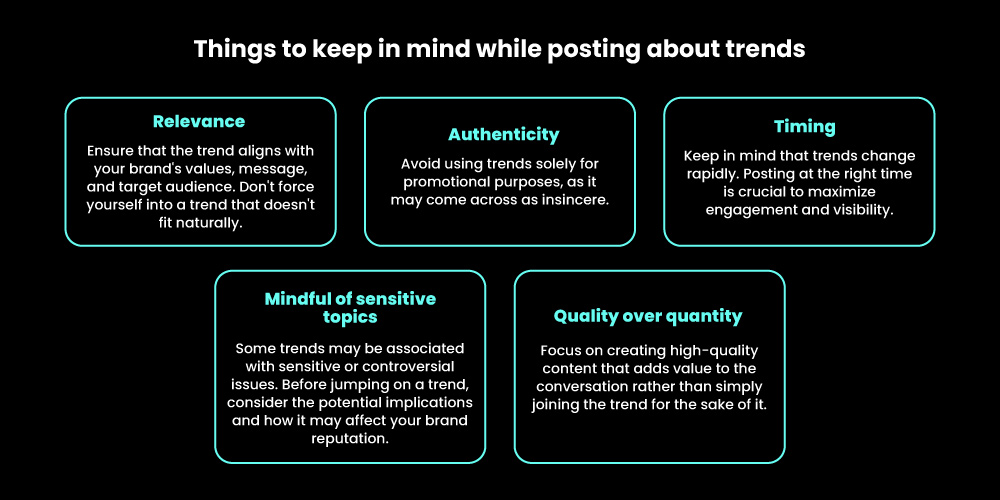
Staying ahead of the curve in the ever-evolving social media landscape is crucial for effective marketing strategies. Understanding current trends and anticipating future shifts allows businesses to capitalize on opportunities and adapt to changing consumer preferences. This analysis examines key social media platforms, their current trends, and emerging patterns likely to shape marketing in the coming months.
Current Social Media Platform Trends
Understanding the prominent trends across various social media platforms is vital for crafting relevant marketing strategies. Below is a snapshot of key platforms and their current trends.
| Platform | Trend | Duration | Impact on Marketing |
|---|---|---|---|
| TikTok | Short-form video content, trending audio, and challenges | Ongoing | Brands need to create engaging, visually appealing short-form video content that aligns with trending audio and challenges to capture audience attention. This requires a quick understanding of what’s trending. |
| Interactive Stories, Reels, and Focus on Visual Storytelling | Ongoing | Marketing strategies should prioritize visually appealing content, leveraging interactive features like polls and quizzes within Stories. Focus on building communities through engagement. | |
| X (formerly Twitter) | Real-time conversations, discussions, and information dissemination | Ongoing | Businesses should participate in relevant conversations, providing timely updates and engaging with users. Short, impactful posts are critical. |
| Community building, targeted advertising, and live events | Ongoing | Developing engaging content and leveraging targeted advertising campaigns remain crucial for reaching specific demographics and building strong brand communities. | |
| YouTube | Long-form video content, tutorials, and interactive streaming | Ongoing | Brands can produce high-quality video content, providing valuable information, tutorials, or entertaining content to connect with their audience. |
Evolution of a Specific Trend
The rise of short-form video content on TikTok, Instagram Reels, and YouTube Shorts exemplifies a significant shift in user preferences. Initially, these platforms focused on entertainment; however, in the past year, the trend has evolved into a powerful marketing tool for brands. Businesses have increasingly used these platforms to showcase products, create tutorials, and engage with their audience in creative ways.
Emerging Trends Impacting Marketing
Several emerging trends are likely to significantly impact marketing strategies in the next six months.
- AI-powered content creation and personalized experiences. Tools like Kami and similar AI-powered content generation platforms are increasingly accessible and effective. Brands can leverage these tools to create personalized content tailored to individual user preferences, improving user engagement.
- Emphasis on authenticity and relatability. Consumers are becoming increasingly discerning about brands that feel inauthentic or disconnected. Creating genuine connections with consumers through relatable content and transparent communication is essential.
- Focus on user-generated content. Brands are realizing the importance of leveraging user-generated content (UGC) to build trust and credibility. Encouraging user participation through contests, challenges, and branded hashtags is becoming a key marketing strategy.
Factors Driving Trend Popularity
Several factors contribute to the popularity of these emerging trends. The accessibility of AI tools empowers brands to personalize content. The desire for authenticity fosters stronger consumer relationships. The increased reliance on UGC strengthens brand trust and credibility. These factors combine to drive a more engaging and impactful social media marketing environment.
Analyzing Audience Engagement
Understanding how different demographics interact with social media trends is crucial for crafting effective strategies. This involves more than just identifying trends; it’s about tailoring content to resonate with specific groups. Analyzing engagement metrics provides valuable insights into what resonates with various audiences and allows for informed adjustments to content formats and delivery methods. A deeper dive into these dynamics reveals how platforms and formats influence audience engagement.Audience engagement on social media is a multifaceted phenomenon.
It’s not simply about the number of likes or shares; it’s about the qualitative aspects of interaction. What kinds of comments are being left? What questions are being asked? These nuances reveal underlying motivations and preferences, providing a more comprehensive understanding of the audience’s response to a trend. This deeper understanding is essential for optimizing content and achieving desired outcomes.
Demographic Engagement with Social Media Trends
Different demographics engage with social media trends in varying ways. Millennials, for example, often gravitate towards visually-driven content, such as short-form videos and aesthetically pleasing posts. Generation Z, on the other hand, tends to be more responsive to interactive content, like polls, quizzes, and challenges. Older generations might engage more with informative content, such as articles or tutorials, demonstrating the diverse range of preferences across demographics.
These differences in engagement patterns highlight the need for tailored content strategies.
Engagement Metrics Across Platforms
Comparing engagement metrics across different platforms for similar content reveals significant differences. A humorous video might garner a high number of likes on TikTok but fewer shares on LinkedIn. This difference stems from the inherent characteristics of each platform and the expectations of the respective audiences. The specific content format plays a significant role as well. For example, a captivating infographic might perform exceptionally well on Pinterest, while the same information presented as a text-heavy post on Twitter might yield fewer results.
These variations underscore the importance of platform-specific optimization.
Content Formats and Demographics
Certain content formats tend to resonate more strongly with specific demographics. For example, Instagram Reels and TikTok videos are highly effective in engaging younger audiences, often leading to increased brand awareness and sales conversions. On the other hand, longer-form video content and informative articles often perform better on platforms like LinkedIn, where professional discussions are more common. Understanding these preferences is vital for creating content that connects with the target audience.
Strategies for Tailoring Content
To capture attention based on current trends, consider these strategies:
- Leverage Visual Storytelling: Employing captivating visuals, such as high-quality images and videos, is crucial for grabbing attention across all platforms. Visual storytelling creates a strong emotional connection with the audience, making content more memorable and engaging.
- Interactive Content Strategies: Incorporate interactive elements like polls, quizzes, Q&A sessions, and live streams. These elements increase user engagement and create a more dynamic interaction between the content and the audience. Interactive elements encourage deeper audience participation, fostering a sense of community and boosting engagement.
- Community Building Through Engagement: Actively respond to comments and messages, fostering a sense of community around the content. Responding to comments shows that the brand values its audience and their input, increasing engagement and loyalty.
Platform-Specific Engagement Metrics
| Platform | Content Type | Likes | Shares | Comments |
|---|---|---|---|---|
| TikTok | Short-form dance video | 10,000+ | 500+ | 200+ |
| High-quality photo | 5,000+ | 200+ | 100+ | |
| Professional article | 500+ | 100+ | 50+ |
Note: These are hypothetical metrics and may vary significantly depending on the specific content and audience. This table provides a general comparison to illustrate the concept.
Social media trends are constantly shifting the landscape of marketing strategies. Understanding these shifts is crucial for success, and a great example of someone navigating this ever-changing terrain is Julia Munder, international marketing director at JAR Digital. Her insights highlight how adapting to these trends can drive significant results. Ultimately, staying ahead of the curve in social media is key to any effective marketing strategy.
Adapting Strategies for Different Platforms: Social Media Trends Propel Strategy
Navigating the social media landscape requires a nuanced understanding of each platform’s unique characteristics. Simply replicating a successful campaign across various channels rarely yields optimal results. A tailored approach is crucial for maximizing engagement and achieving desired outcomes on each platform. This section delves into the specifics of adapting content strategies for different social media environments.
Platform-Specific Content Characteristics
Different social media platforms cater to distinct user demographics and engagement styles. Understanding these differences is key to creating content that resonates with the target audience on each platform. TikTok, for example, thrives on short-form, visually engaging videos, whereas Instagram emphasizes high-quality imagery and curated aesthetics. X, or formerly known as Twitter, leans towards concise text-based updates and rapid information sharing.
TikTok Content Strategy
TikTok’s algorithm prioritizes short-form video content with trending audio and visual effects. This necessitates a focus on captivating visuals, trending sounds, and quick, punchy narratives. Challenges, dances, and humorous skits often perform well, capitalizing on the platform’s inherent entertainment value. Content should be designed for quick consumption, often relying on visuals to convey the message. Consider the use of trending audio and visual effects to maximize discoverability.
Instagram Content Strategy
Instagram emphasizes high-quality visuals and a curated aesthetic. Content should prioritize visually appealing photos and videos, often accompanied by engaging captions. Storytelling through imagery and aesthetic cohesion are crucial. Consider using Instagram Reels for short-form video content, mimicking the style of TikTok but with a greater emphasis on visual storytelling. Collaborations with influencers and high-quality product photography often see success.
X (formerly Twitter) Content Strategy
X prioritizes concise, text-based communication and rapid information sharing. Content should focus on delivering key messages in a brief and impactful manner. Using relevant hashtags and engaging with conversations in real-time are critical to maximizing visibility and interaction. Sharing news updates, opinions, and thought-provoking statements are effective strategies. Quick, impactful tweets and responses to current events are likely to perform well.
Content Formats and Posting Schedules
Content formats should align with each platform’s unique characteristics. For example, TikTok’s success is largely driven by short-form videos, while Instagram’s strength lies in high-quality photos and curated aesthetics. A comprehensive posting schedule, tailored to each platform’s audience engagement patterns, is also essential. Consider analyzing peak engagement times for each platform to optimize posting schedules.
Platform-Specific Content Strategies
| Platform | Content Format | Posting Schedule | Key Considerations |
|---|---|---|---|
| TikTok | Short-form videos, trending audio/visuals, challenges | Peak engagement times (usually evenings or weekends) | Visual appeal, humor, quick narratives, trending sounds |
| High-quality photos/videos, curated aesthetics, Reels | Consistent posting throughout the week, focusing on peak engagement | Visual storytelling, influencer collaborations, product showcasing | |
| X | Concise text updates, engaging conversations, relevant hashtags | Real-time updates, news-related posts during peak hours | Thought-provoking statements, quick responses to events, news |
Measuring the Effectiveness of Strategies
Tracking the success of social media strategies is crucial for adapting to evolving trends and maximizing ROI. A robust measurement framework allows brands to understand what resonates with their audience and fine-tune their approach. This involves not only identifying trends but also evaluating how these trends impact various aspects of the social media presence.Effective measurement goes beyond simple vanity metrics.
It requires analyzing how campaigns contribute to overall business objectives, such as increased brand awareness, lead generation, or sales. This deeper understanding enables proactive adjustments to strategies in real-time, ensuring campaigns remain relevant and impactful.
Key Performance Indicators (KPIs)
Understanding the key metrics that demonstrate the success of social media campaigns is essential for informed decision-making. Choosing the right KPIs for your strategy directly impacts the success of your campaigns. By monitoring these metrics, brands can gain valuable insights into audience engagement and the effectiveness of their content.
- Engagement Rate: This KPI measures the level of interaction a post receives, including likes, comments, shares, and retweets. A high engagement rate suggests the content resonates with the audience, while a low rate may signal a need for adjustments to content format, topic, or posting schedule. A healthy engagement rate fosters a stronger community around your brand.
- Brand Awareness: Monitoring brand mentions and sentiment is crucial. Tracking how often your brand is mentioned in social media conversations, and whether the sentiment is positive, negative, or neutral, provides valuable insights into brand perception. Increased brand awareness fosters trust and loyalty.
- Website Traffic: This KPI tracks the number of visitors your social media channels drive to your website. A correlation between increased social media activity and website traffic indicates the effectiveness of your social media strategy in driving valuable leads.
Monitoring Impact of Trends on Brand Awareness and Reach
Analyzing the impact of trends on brand awareness and reach is a crucial aspect of social media strategy. Social media trends provide a dynamic platform for engagement and brand exposure, but monitoring this impact is critical to understanding their true value.
- Trend Participation: Monitoring how your brand participates in trending topics allows for assessing its impact on your brand awareness and reach. Effective participation involves engaging with trending content, creating relevant content, and adapting to evolving conversations. This directly influences brand visibility within a trend’s duration.
- Sentiment Analysis: Analyzing the overall sentiment surrounding your brand during trending periods provides valuable insights into how the public perceives your brand. Monitoring sentiment allows brands to identify potential issues and tailor responses appropriately. This allows for maintaining a positive brand image during periods of heightened visibility.
- Reach and Impressions: Track the number of people who see your content and the number of times your content is displayed. A surge in reach and impressions during a trend’s popularity indicates successful integration into the trend. This allows for understanding the scope of the trend’s impact.
Measuring Effectiveness of Different Content Types
Understanding the effectiveness of different content types is essential for optimizing social media campaigns. Content diversity, tailored to specific trends and platforms, is key for sustained engagement.
- Quantitative Analysis: Analyzing the performance of different content formats (videos, images, text posts) related to trends. Tracking likes, comments, shares, and saves across various content types provides insight into what resonates best with the audience. This allows brands to understand audience preferences.
- Qualitative Analysis: Analyzing comments and feedback related to content performance to understand audience engagement with specific content types. Understanding the emotional response to content allows brands to tailor their approach. This includes assessing the tone of audience responses and determining which types of content are most effective.
Adjusting Strategies Based on Real-Time Data
Adapting social media strategies in response to real-time data is vital for maintaining relevance and effectiveness. Staying current with social media trends is paramount for staying ahead of the curve and maintaining audience engagement.
| KPI | Method | Metrics |
|---|---|---|
| Engagement Rate | Track likes, comments, shares, and retweets on posts related to trends. | Engagement rate percentage, average engagement per post. |
| Brand Awareness | Monitor brand mentions and sentiment using social listening tools. | Number of brand mentions, positive/negative/neutral sentiment ratio. |
| Website Traffic | Track website traffic from social media channels using UTM parameters. | Number of visitors from social media, bounce rate, time on site. |
| Trend Participation | Monitor mentions of your brand in trending topics. | Number of mentions, engagement with trending topics. |
| Sentiment Analysis | Analyze public sentiment using social listening tools. | Sentiment score, positive/negative/neutral ratio. |
| Reach and Impressions | Track reach and impressions on posts related to trends. | Total reach, total impressions, reach per post. |
| Content Type Effectiveness | Analyze engagement data for different content types (images, videos, text). | Engagement per content type, most popular content type. |
Integrating Trends into Overall Marketing
Social media trends are powerful forces that can significantly impact a brand’s overall marketing strategy. Successfully leveraging these trends requires a nuanced understanding of how they fit within the broader marketing ecosystem and the alignment with business objectives. This chapter explores strategies for seamlessly integrating social media trends into a comprehensive marketing plan.Integrating social media trends into a broader marketing strategy requires careful planning and execution.
It’s not just about jumping on the latest bandwagon; it’s about strategically identifying trends that resonate with your target audience and aligning them with your business goals. This involves a proactive approach to research, analysis, and adaptation, ensuring the integration enhances brand visibility, engagement, and ultimately, profitability.
Successful Campaign Examples
Successful social media campaigns often leverage emerging trends to generate buzz and engagement. These campaigns are more than just fleeting moments; they demonstrate how trends can be harnessed to amplify brand messages and achieve specific business outcomes.
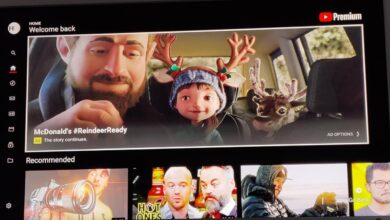
Social media trends are constantly shifting the marketing landscape, and staying ahead of the curve is crucial. One key area where these trends are impacting strategy is in video advertising. Leveraging platforms like YouTube, YouTube TV ads are proving highly effective in reaching specific demographics. This type of targeted advertising, enabled by the evolving social media trends, is transforming how businesses connect with consumers.
“A successful social media campaign is not about being trendy; it’s about strategically using trends to align with your overall marketing objectives.”
- The “Mannequin Challenge” Campaign: This viral trend allowed brands to create engaging, shareable content by incorporating the challenge into their marketing campaigns. The challenge’s widespread popularity helped brands reach a massive audience, generating significant social media buzz and media coverage. This demonstrated how participating in popular trends can significantly increase brand awareness and visibility.
- The “Ice Bucket Challenge”: This campaign, leveraging a social media trend, raised substantial awareness for ALS research. The widespread participation encouraged donations and philanthropic engagement, highlighting the power of a trend to drive social good and achieve specific marketing goals. It demonstrated how social media trends can be effectively used to amplify a cause and engage audiences in a meaningful way.
Social media trends are constantly shifting, and understanding these shifts is key to successful marketing strategies. Knowing how to leverage these trends is crucial, especially during the holiday season. To really nail your holiday marketing, check out these 6 tips for successful holiday marketing planning 6 tips for successful holiday marketing planning. By incorporating these strategies, your social media presence will be optimized for peak holiday engagement, keeping your brand top-of-mind throughout the crucial holiday period.
Ultimately, adapting to social media trends is vital for any effective marketing strategy.
Framework for Integration
Integrating social media trends into other marketing channels requires a structured approach to ensure consistency and effectiveness. This framework emphasizes the importance of seamless transition between platforms.
- Consistent Messaging Across Channels: Ensuring that the messaging aligns across all platforms—social media, email marketing, website content, and advertising—is crucial. This creates a unified brand experience and strengthens the impact of the integrated campaign. This approach helps maintain a consistent brand identity across all marketing channels.
- Visual Consistency: Utilizing consistent branding elements (logo, color palette, typography) across all platforms is important. This reinforces brand identity and recognition. Visual consistency helps ensure that all marketing materials project a cohesive and professional image.
- Leveraging Influencer Marketing: Partnering with relevant influencers who are knowledgeable about and engaged with the current social media trends can amplify campaign reach. This ensures authenticity and credibility within the chosen niche. Partnering with influencers adds a layer of trust and authenticity, making the campaign more impactful.
Alignment with Business Objectives
Successful integration requires aligning social media trends with broader business objectives. This alignment ensures that campaigns contribute to overall business goals.
- Sales Growth: Campaigns can be designed to drive sales by leveraging trends that resonate with target customers. This requires understanding customer needs and preferences. Trends should be selected based on their ability to drive sales and engagement.
- Brand Awareness: Social media trends can be utilized to raise brand awareness by creating engaging content that resonates with the target audience. This approach helps generate interest and excitement around the brand. Utilizing trends to generate attention is a key strategy for increasing brand visibility.
Content Formats for Social Media Trends
Social media is a dynamic landscape, constantly evolving with fresh trends. To stay relevant and engaging, brands need to adapt their content formats to align with these shifts. This involves understanding audience preferences and employing creative strategies that drive interaction and amplify brand visibility. Content formats play a crucial role in capturing attention and conveying information effectively in this ever-changing environment.Recent trends show a clear preference for visually engaging and interactive content.
Brands that leverage these formats see higher levels of audience engagement, leading to increased brand awareness and potentially, higher conversion rates. This approach requires careful consideration of platform-specific nuances and the need for consistent messaging across different channels.
Creative Content Formats
Understanding the evolving nature of social media content formats is crucial for success. A variety of creative formats can help brands stand out from the competition. Recent trends highlight a shift towards interactive and visually-rich content, demanding a departure from traditional text-heavy posts.
- Interactive Polls and Quizzes: These formats encourage audience participation, fostering a sense of community and driving engagement. For example, a fashion brand could post a poll asking followers to choose between two new design concepts, or a travel company could create a quiz to determine the perfect vacation destination based on user preferences. This generates immediate interaction and valuable data for future content creation.
- Short-Form Video Series: Short, engaging video content is incredibly popular, especially on platforms like TikTok and Instagram Reels. A beauty brand could create a series of short videos demonstrating makeup application techniques or a tech company could showcase the features of a new product in bite-sized videos. The key is to keep the videos concise, visually appealing, and highly relevant to the target audience.
- Behind-the-Scenes Content: Providing glimpses into the brand’s daily operations or the lives of its creators builds trust and fosters a personal connection with followers. A coffee shop could post videos showcasing the roasting process, or a clothing brand could share the stories of the designers behind the collections. This authentic approach humanizes the brand and creates a loyal following.
- User-Generated Content Campaigns: Encouraging followers to create and share content related to the brand creates a sense of ownership and community. A food company could launch a challenge asking users to share their best recipe using their products, or a fitness brand could encourage followers to post their workout routines. This strategy leverages the power of social proof and amplifies brand reach.
- Interactive Stories and Live Sessions: These formats offer real-time engagement with followers, allowing for direct interaction and addressing immediate concerns. A music artist could host a live Q&A session on Instagram Stories or a gaming company could use Instagram Stories to showcase gameplay and answer player questions.
Visual Appeal and Engagement, Social media trends propel strategy
High-quality visuals are paramount in trend-focused content. Visual appeal directly correlates with engagement levels. Eye-catching images and videos that align with current trends and platform aesthetics significantly impact user attention and perception of the brand. This includes using appropriate color palettes, fonts, and layouts that are relevant to the target audience and the platform being used.
Encouraging User Interaction
User interaction is key to fostering a vibrant online community. Content formats that encourage comments, shares, and reactions are crucial for driving engagement. For example, asking questions within posts, using polls, or creating challenges directly prompts audience participation. This interaction not only amplifies brand visibility but also provides valuable insights into audience preferences and needs.
Content Format Effectiveness and Suitable Platforms
| Content Format | Effectiveness | Suitable Platforms |
|---|---|---|
| Interactive Polls and Quizzes | High engagement, data collection | Instagram, Facebook, Twitter |
| Short-Form Video Series | High visibility, virality potential | TikTok, Instagram Reels, YouTube Shorts |
| Behind-the-Scenes Content | Builds trust, humanizes brand | Instagram, Facebook, YouTube |
| User-Generated Content Campaigns | Increased brand reach, social proof | Instagram, TikTok, Facebook |
| Interactive Stories and Live Sessions | Real-time engagement, direct interaction | Instagram, Facebook, TikTok, YouTube |
Ultimate Conclusion
In conclusion, harnessing social media trends is crucial for successful marketing. By identifying emerging trends, analyzing audience engagement, adapting strategies for different platforms, and meticulously measuring results, brands can effectively leverage these dynamics to drive business objectives. This guide provides a roadmap to stay ahead of the curve and build a strong social media presence that resonates with your target audience, ultimately translating into tangible business success.