Ignorable Email Marketing Guide
Guide un ignorable email marketing provides a comprehensive strategy for crafting emails that grab attention and drive results. This guide dives deep into the elements that make emails compelling, from crafting captivating subject lines to optimizing content and deliverability.
Learn how to avoid common email marketing pitfalls, and build strategies to transform your emails from ignored messages to valuable communication. We’ll cover everything from understanding the reasons behind ineffective campaigns to measuring campaign performance and integrating email with other marketing channels.
Understanding Ignorable Email Marketing
Email marketing, when done effectively, can be a powerful tool for connecting with customers and driving sales. However, many businesses struggle to achieve these goals, often because their campaigns are simply ignored. This happens due to a variety of factors, from poorly crafted subject lines to irrelevant content and a lack of personalization. This guide delves into the common pitfalls of email marketing, providing strategies to create campaigns that resonate with your audience and encourage engagement.
Examples of Ineffective Email Campaigns
Many ineffective email campaigns fall into predictable patterns. One common example is sending generic, mass-mailed emails that don’t address individual customer needs. These emails often feel impersonal and irrelevant, leading to recipients marking them as spam or simply deleting them without a second glance. Another glaring issue is excessive promotional emails, which flood inboxes with sales pitches without offering any real value.
Crafting an email campaign that grabs attention is key, but did you know that a pesky issue like cumulative layout shift can ruin all your hard work? This guide to creating un-ignorable email marketing will walk you through the process, but you need to be aware of how things like cumulative layout shift can affect user experience.
Ultimately, creating engaging emails requires a thoughtful approach to every detail.
These campaigns fail to build relationships and ultimately drive subscribers away. Furthermore, emails with poor design, difficult-to-read text, and irrelevant calls to action are also often ignored.
Common Mistakes in Subject Lines and Preheaders
Subject lines and preheaders are crucial for capturing attention and encouraging recipients to open your emails. Generic or vague subject lines, such as “Newsletter,” or “Important Information,” often fail to pique interest. Similarly, preheaders that don’t provide a concise summary of the email’s content can lead to unopened messages. In short, poorly written subject lines and preheaders can result in emails being ignored, regardless of the quality of the content within.
Elements that Make an Email Feel Irrelevant or Unwanted
Several factors contribute to emails feeling irrelevant or unwanted. These include irrelevant content, irrelevant offers, a lack of personalization, and excessive frequency of emails. For example, sending promotional emails to customers who have already purchased a product or service is a clear waste of resources and will likely be ignored. Similarly, sending emails that don’t address the recipient’s specific needs or interests feels impersonal and irrelevant.
Finally, sending too many emails too frequently overwhelms the recipient’s inbox and makes your messages seem intrusive.
Strategies for Avoiding Common Email Marketing Pitfalls
To avoid the pitfalls of ignorable email marketing, it’s essential to adopt a strategic approach. Focus on segmentation, personalization, and engaging content. Understanding your audience’s needs and interests allows you to tailor your messaging accordingly. Personalizing emails with relevant content based on individual customer behavior, such as past purchases or website activity, enhances engagement. Creating high-quality content that addresses recipient concerns or provides valuable information also encourages opening and reading.
Segmentation and Personalization in Email Marketing
Segmenting your email list allows you to tailor your messaging to specific groups of subscribers. This personalization leads to higher open and click-through rates. For instance, if you have customers who have purchased a particular product, you can send them targeted emails offering related products or accessories. Personalization is a crucial aspect of effective email marketing. By understanding your audience and segmenting your list, you can deliver relevant content and offers that resonate with individual needs.
Creating Engaging Email Content
Creating engaging email content is paramount to avoiding being ignored. Focus on delivering value, using high-quality visuals, and employing clear calls to action. For example, providing helpful tips, valuable insights, or exclusive offers can capture recipients’ attention and encourage engagement. Additionally, incorporating high-quality images or videos can enhance visual appeal and make emails more engaging. Furthermore, clear and concise calls to action (CTAs) guide recipients towards desired actions.
Email Marketing Best Practices
- Understand your audience: Before crafting any email campaign, take the time to understand the specific needs, preferences, and interests of your target audience. Tailoring your messages to specific segments will increase engagement and avoid irrelevant communication.
- Segment your email list: Divide your email list into distinct segments based on shared characteristics, such as purchase history, demographics, or website behavior. This allows you to deliver targeted and personalized messages to specific groups of subscribers.
- Personalize your emails: Use recipient data to personalize email content and subject lines. This could include referencing past purchases, mentioning specific interests, or addressing the recipient by name.
- Craft compelling subject lines and preheaders: Use clear, concise, and compelling language in your subject lines and preheaders to capture attention and encourage recipients to open your emails.
- Ensure email design is responsive: Design your emails to be responsive, ensuring they display correctly on various devices and screen sizes. This ensures a seamless experience for all recipients.
Effective vs. Ineffective Email Subject Lines
| Subject Line | Reason for Effectiveness/Ineffectiveness | Target Audience | Results |
|---|---|---|---|
| “15% Off Your Next Order” | Clear and concise offer; directly addresses customer needs. | Existing customers | High open and click-through rates. |
| “New Product Launch!” | Intriguing and creates anticipation. | Potential customers interested in new products. | Moderate open rates, potentially high click-through rates. |
| “Newsletter” | Generic and uninspiring; lacks context for recipients. | General subscribers | Low open rates; perceived as irrelevant. |
| “Important Information” | Vague and does not provide context; creates anxiety. | All subscribers | Low open and click-through rates. |
Crafting Compelling Email Subject Lines: Guide Un Ignorable Email Marketing
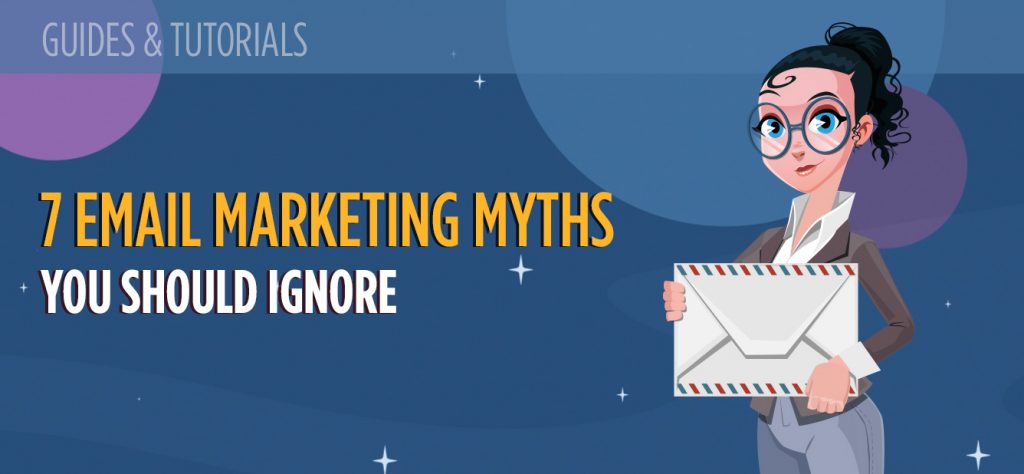
Email subject lines are the first impression your email makes. A captivating subject line can entice recipients to open your message, while a dull or irrelevant one will likely be relegated to the digital trash bin. Crafting effective subject lines is crucial for maximizing open rates and driving engagement. Understanding the psychology behind subject lines is key to achieving higher click-through rates.Crafting subject lines that are compelling and relevant is a crucial aspect of email marketing.
It is often the deciding factor in whether an email is opened or ignored. By strategically incorporating elements like urgency, curiosity, and personalization, you can craft subject lines that are more likely to grab attention and encourage recipients to take action.
Crafting Attention-Grabbing Subject Lines
Effective subject lines are more than just a few words; they are a miniature advertisement designed to pique interest and prompt a response. A well-crafted subject line should be concise, informative, and relevant to the recipient.
- Ignorable Subject Lines: Generic subject lines like “Newsletter,” “Important Information,” or “Update” are often overlooked. Subject lines that are vague or fail to provide context lack the necessary punch to stand out. Furthermore, subject lines that are overly promotional or sound like spam are instantly disregarded.
- Strategies for Engaging Subject Lines: To avoid getting lost in the inbox, focus on crafting subject lines that clearly communicate the value proposition. This involves concisely summarizing the email’s content. Highlighting a key benefit or using a question to pique curiosity can make a significant difference. For instance, a subject line like “Unlock Your Email Marketing Potential” is more compelling than “Email Marketing Tips.” By employing these techniques, you can craft subject lines that are not only attention-grabbing but also relevant to the recipient.
Using Urgency, Curiosity, and Personalization
Subject lines that evoke a sense of urgency or pique curiosity often perform better. Personalized subject lines, referencing the recipient’s name or past interactions, demonstrate a deeper understanding of their needs and preferences.
- Urgency: Incorporating a sense of urgency in subject lines can encourage recipients to open the email immediately. Examples include “Limited-Time Offer,” “Sale Ends Tonight,” or “Don’t Miss Out.” However, it’s important to ensure that the urgency is genuine and not misleading. Using the right timing is crucial to avoid sounding desperate.
- Curiosity: Subject lines that pose a question or create a sense of mystery can entice recipients to open the email. For example, “What’s Your Email Marketing Secret?” or “Are You Missing Out on This?” can effectively pique curiosity. But these subject lines must be relevant to the content of the email.
- Personalization: Personalized subject lines can significantly improve open rates. If you have access to recipient data, using their name or referencing previous interactions can make your email more relevant. For instance, “Jane, Your Personalized Marketing Guide” is more compelling than “Email Marketing Guide.” Remember to avoid overusing personalization; balance is key.
Testing and Optimizing Subject Lines
A/B testing different subject line variations is a crucial aspect of optimizing email campaigns. This process involves sending different versions of a subject line to a segment of your email list and tracking the results to identify the most effective option.
- Testing Strategies: Experiment with different subject line styles, including direct, question-based, and benefit-driven approaches. Use a variety of approaches to see what resonates best with your target audience. Monitor open rates, click-through rates, and other key metrics to determine which subject lines perform the best. This allows for iterative improvements in subject line effectiveness.
- Comparing Subject Line Styles: Different styles of subject lines cater to various needs and target audiences. Direct subject lines clearly state the email’s purpose, question-based subject lines generate curiosity, and benefit-driven subject lines highlight the value proposition for the recipient. For example, a direct subject line could be “New Product Launch,” a question-based subject line could be “Ready to Boost Your Sales?”, and a benefit-driven subject line could be “Increase Your Sales by 20%.”
Subject Line Strategies Table
| Strategy | Example | Target Audience | Expected Results |
|---|---|---|---|
| Direct | “New Product Alert” | General audience, especially those interested in product launches | High open rates for recipients interested in new products. |
| Question-Based | “Are you ready for increased sales?” | Customers interested in boosting their business. | High open rates for those looking for solutions to improve sales. |
| Benefit-Driven | “Unlock 20% More Sales” | Business owners and entrepreneurs looking for increased revenue. | High open rates for those focused on maximizing profits. |
| Urgency | “Limited-Time Offer – Ends Today!” | Time-sensitive shoppers | High open rates for recipients who value quick deals. |
Optimizing Email Content for Engagement
Engaging email content is crucial for driving conversions and fostering customer loyalty. Simply sending out emails won’t cut it in today’s crowded inbox; your message needs to stand out. This section delves into the key elements of crafting compelling email content that keeps recipients engaged and prevents your messages from ending up in the digital trash.Effective email content goes beyond just delivering information.
It needs to resonate with the recipient, pique their interest, and motivate them to take action. This involves understanding your audience, tailoring your message to their needs, and employing various techniques to maintain their attention.
Elements of Effective Email Content, Guide un ignorable email marketing
Crafting emails that capture attention and encourage engagement requires a multi-faceted approach. Effective content considers several key elements. These include clear and concise language, a compelling subject line, and a visually appealing design. These factors work together to increase the likelihood of recipients opening and interacting with your emails.
Email Content That’s Likely to Be Ignored
Several email content characteristics can make them instantly ignorable. Generic, promotional emails that don’t offer value or relevance to the recipient are often deleted without a second thought. Emails lacking a clear call to action leave the recipient unsure of the desired next step, leading to inaction. Poorly designed emails with cluttered layouts and hard-to-read text are also likely to be ignored.
Emails with excessive use of jargon or overly technical language, or ones that are overly salesy, will also likely be disregarded.
Using Visuals, Storytelling, and Humor
Visuals, storytelling, and humor can significantly enhance email engagement. High-quality images and graphics can break up text, make the content more visually appealing, and add a touch of personality. Stories connect with recipients on an emotional level, making your brand relatable and memorable. Relevant humor can lighten the mood and make your emails more enjoyable to read, but be mindful of the context and your audience.
Humor should be used strategically and appropriately to avoid alienating or offending your audience.
Writing Concise and Clear Email Body Copy
Concise and clear language is essential for email readability. Avoid using overly complex vocabulary or long, winding sentences. Get straight to the point and present information in a way that is easy to understand. Bullet points, numbered lists, and short paragraphs enhance readability and make the content more scannable.
Calls to Action (CTAs) and Their Importance
Calls to action (CTAs) are essential for guiding recipients towards the desired outcome. Clear and compelling CTAs, using strong verbs and clear instructions, tell the recipient exactly what you want them to do. Examples include “Shop Now,” “Learn More,” or “Sign Up Today.” A well-placed and strategically worded CTA encourages engagement and increases the likelihood of conversions.
Crafting compelling email campaigns takes more than just a pretty subject line. To really make your emails stand out, you need a solid foundation, and that often starts with understanding your audience. A great starting point is to review a blog writing checklist to ensure you’re covering all the important aspects of creating engaging content.
Then, use the insights to refine your email marketing strategy and create emails that people actually want to read. Ultimately, using these techniques, you can develop an email marketing strategy that isn’t easily ignored.
Different Email Content Formats
Email marketing involves various formats, each serving a distinct purpose. These include newsletters, promotional emails, and transactional emails. Newsletters provide valuable content, promotional emails advertise products or services, and transactional emails confirm orders or process payments.
Comparison of Email Content Formats
| Format | Content Structure | Tone | Call to Action |
|---|---|---|---|
| Newsletters | Informative, curated articles, or insights | Friendly, educational, or authoritative | Subscribe, learn more, or visit website |
| Promotional Emails | Highlighting specific products or services | Enthusiastic, persuasive, or exciting | Shop now, buy now, or claim offer |
| Transactional Emails | Order confirmations, shipping updates, or account information | Informative, professional, or concise | Track order, manage account, or view details |
Improving Email Deliverability
Email deliverability is the cornerstone of successful email marketing. It’s not just about crafting engaging messages; it’s about ensuring those messages reach the intended recipients. This crucial aspect involves navigating the complexities of spam filters and maintaining a healthy email list. Understanding the technicalities and best practices for email deliverability is paramount to maximizing your campaign’s impact and avoiding wasted efforts.Email deliverability is influenced by a multitude of technical factors.
Spam filters are constantly evolving, employing sophisticated algorithms to identify and block messages deemed suspicious. These filters analyze various aspects of your emails, from the content and subject line to the sender’s reputation and the recipient’s engagement history. This makes maintaining a positive sender reputation crucial. Understanding how to avoid triggering these filters is essential for a successful email marketing strategy.
Technical Aspects of Email Deliverability
Spam filters utilize intricate algorithms to evaluate email characteristics. These algorithms assess factors like the sender’s IP address reputation, the content of the email, and the recipient’s engagement history. A poor sender reputation can lead to emails being automatically flagged as spam. This necessitates maintaining a high level of email list hygiene to ensure deliverability.
Examples of Poor Quality Email Lists
Poor quality email lists significantly impact deliverability. Examples include lists with a high percentage of inactive subscribers, invalid email addresses, or those obtained through questionable means. A list filled with inactive users or “bounced” addresses (emails that were not delivered) will harm your sender reputation and increase the risk of your emails being filtered as spam. Similarly, lists purchased from unreliable sources often contain invalid addresses or users who are not interested in your offerings.
List Hygiene and Avoiding Bounces
Maintaining a healthy email list is critical for successful email marketing. List hygiene involves regularly cleaning your list to remove inactive or invalid email addresses. This process, often referred to as list scrubbing, helps to maintain a high deliverability rate. Regularly verifying email addresses and removing unsubscribes is essential to avoid bounces, which can damage your sender reputation.
Employing double opt-in procedures can also help reduce invalid email addresses.
Common Email Deliverability Issues and Solutions
A range of issues can affect email deliverability. Addressing these problems proactively is essential to maintaining a healthy sender reputation.
| Issue | Cause | Solution | Prevention |
|---|---|---|---|
| High Bounce Rate | Invalid email addresses, inactive subscribers | Regularly clean your list by removing invalid addresses and inactive subscribers. | Validate email addresses before adding them to your list. Implement a double opt-in process. Monitor bounce rates regularly. |
| Spam Filtering | Suspicious content, high volume of emails | Use clear, concise subject lines. Avoid spam trigger words. Ensure your content is relevant to the recipient’s interest. | Segment your email list based on subscriber interests. Avoid excessive use of promotional emails. |
| Low Engagement | Irrelevant content, poor email design | Analyze email open and click-through rates to identify areas for improvement. Personalize email content and design. | Segment your list based on subscriber behavior. Provide relevant content. Monitor engagement metrics regularly. |
| Blacklisted IP Address | High complaint rates, sending from a shared IP address | Contact the email service provider (ESP) for support to resolve the issue. Ensure your sending practices adhere to the ESP’s guidelines. | Use a dedicated IP address for sending emails. Monitor email sending practices and adjust as needed. |
Maintaining a Healthy Email List
A healthy email list is vital for successful email marketing campaigns. Regularly checking and cleaning your list is key. This involves identifying and removing invalid email addresses and inactive subscribers. By consistently purging your list, you improve deliverability and minimize the risk of your emails being flagged as spam. This also helps to maintain a positive sender reputation.
Step-by-Step Guide to Optimizing Email Deliverability
1. Validate Email Addresses
Employ email validation tools to identify and remove invalid addresses.
2. Segment Your List
Categorize subscribers based on interests to deliver relevant content.
3. Monitor Bounce Rates
Regularly check for bounce rates and address any issues promptly.
Crafting an email marketing campaign that truly grabs attention is key. But before you dive into design and copy, consider whether your translated content will actually get seen. Knowing if Google indexes auto-translated content in Chrome is crucial. This helps determine if your international email campaigns are truly reaching the intended audience. For a deeper dive into whether Google indexes auto-generated translated content, check out this helpful resource: does google index chrome and autogenerated translated content.
Ultimately, understanding this impacts your email marketing strategy, ensuring your messages resonate with a global audience.
4. Track Open and Click-Through Rates
Use these metrics to identify content that resonates with your audience and improve engagement.
5. Implement a Double Opt-in Process
Enhance the verification process to reduce the risk of invalid email addresses.
6. Use a Reputable Email Service Provider (ESP)
Partner with a provider that prioritizes deliverability and adheres to best practices.
7. Stay Compliant with Email Marketing Regulations
Complying with regulations like CAN-SPAM is critical to avoid penalties and maintain a positive sender reputation.
Measuring and Analyzing Email Marketing Performance
Understanding how your email campaigns perform is crucial for optimizing future efforts. Tracking key metrics provides valuable insights into what resonates with your audience and what needs adjustment. This allows you to fine-tune your strategy, improve engagement, and ultimately drive better results.Analyzing email performance involves more than just looking at numbers. It’s about understanding thewhy* behind those numbers and using that understanding to make data-driven decisions.
By identifying trends and patterns, you can identify what’s working, what’s not, and where to focus your efforts for better ROI.
Tracking Email Open Rates, Click-Through Rates, and Conversions
Tracking email open rates, click-through rates, and conversions provides a direct measure of your email’s effectiveness. Open rates indicate initial interest, click-through rates measure engagement with the content, and conversions demonstrate the ultimate goal of your campaign. Monitoring these metrics is essential for understanding how your audience interacts with your emails. A low open rate might suggest that your subject lines aren’t compelling enough, while a low click-through rate might point to issues with email content or calls to action.
Email Metrics Indicating Campaign Ignoring
Several email metrics can signal that your campaigns are being ignored. Low open rates, especially when compared to previous campaigns, are a significant indicator. Similarly, very low click-through rates, coupled with high bounce rates, point to potential issues with content relevance or sender reputation. If conversion rates are significantly lower than expected, it could be an indication that your emails are not driving the desired action.
Importance of A/B Testing and Campaign Optimization
A/B testing is vital for optimizing email campaigns. It involves sending variations of emails to different segments of your audience to determine which version performs best. This iterative process allows you to refine your subject lines, content, and calls to action, leading to improved engagement and conversions. For example, testing different subject lines can reveal which ones garner higher open rates, while testing different calls to action can show which ones drive more conversions.
Key Performance Indicators (KPIs) for Email Marketing
Key performance indicators (KPIs) provide a framework for evaluating email marketing success. Common KPIs include open rates, click-through rates, conversion rates, bounce rates, unsubscribe rates, and deliverability rates. Monitoring these KPIs helps identify areas for improvement and ensures your campaigns are achieving your goals. A high bounce rate, for instance, could signal issues with email deliverability or incorrect email addresses in your list.
Interpreting Data and Adjusting Strategies
Interpreting email campaign data requires a systematic approach. Analyzing trends, identifying patterns, and comparing results against benchmarks is essential. By understanding why certain metrics are high or low, you can adjust your strategies accordingly. For example, if open rates are low, you might need to revisit your subject lines and content. If click-through rates are low, you might need to refine your calls to action or improve the clarity of your content.
Using Analytics to Adjust Strategies
Analytics provide insights that can be used to adapt your email marketing strategies. For example, if you notice a specific segment of your audience is highly engaged with certain types of content, you can tailor future campaigns to cater to their interests. This personalization can significantly improve engagement and drive better results. If your campaigns are performing below expectations, analyzing the data can reveal specific elements that need improvement.
Email Campaign Performance Analysis Template
A well-structured report template is essential for analyzing email campaign performance. The following table illustrates a template that can be used:
| Date | Metric | Value | Analysis |
|---|---|---|---|
| 2024-10-26 | Open Rate | 25% | Lower than previous week. Subject line may need improvement. |
| 2024-10-26 | Click-Through Rate | 5% | Needs improvement. Content relevance and CTAs should be reviewed. |
| 2024-10-26 | Conversion Rate | 1% | Lower than expected. Possible issues with the landing page or offer. |
Integrating Email Marketing with Other Channels

Email marketing isn’t a standalone tactic; it thrives when integrated with other channels. This synergy amplifies reach, personalizes the customer journey, and ultimately boosts conversions. A well-orchestrated multi-channel approach allows businesses to engage customers across various touchpoints, fostering stronger relationships and driving greater value.Effective integration builds a cohesive brand experience. Customers encountering consistent messaging across platforms feel valued and understood, leading to increased trust and loyalty.
By connecting different marketing efforts, businesses can create a powerful, unified message that resonates with their target audience.
Email and Social Media Integration
Social media platforms offer a fantastic opportunity for driving traffic to email campaigns. Sharing compelling snippets of email content, such as captivating quotes or teasers of upcoming offers, on social media can pique interest and encourage users to subscribe. This strategy allows you to leverage social media’s reach to expand your email list. Additionally, social listening can provide valuable insights into customer sentiment and preferences, enabling you to tailor your email content accordingly.
This feedback loop between social media and email allows for a dynamic, data-driven approach to engagement.
Email and Website Integration
Integrating email marketing with your website creates a seamless user experience. By strategically placing email signup forms on key pages, such as product pages, blog posts, or landing pages, you can capture leads effectively. Personalized email recommendations based on website browsing history can also significantly increase customer engagement and conversion rates. Implementing a robust email marketing platform that integrates with your website can automate the entire process, ensuring smooth and effective communication with your audience.
Email and SMS Integration
SMS marketing offers a highly effective way to supplement email campaigns. By combining promotional codes or exclusive discounts in SMS messages with email invitations to specific events or promotions, you can enhance customer engagement. SMS can be used for timely reminders or updates about pending orders or deliveries. Use SMS for appointment reminders or order confirmations, creating a comprehensive customer experience.
Successful Integration Strategies
A key to successful integration is creating a consistent brand voice and aesthetic across all channels. This means maintaining the same tone, color scheme, and visual elements in your email marketing, social media posts, and website design. This unified approach creates a recognizable brand identity and strengthens customer trust.
Example of Successful Integration
Consider a clothing retailer that sends email newsletters featuring new arrivals. The retailer can share snippets of these emails on social media, directing followers to their website to browse the new collection. Simultaneously, they can use SMS to alert customers about exclusive discounts on those items, further incentivizing purchases. This integrated approach creates a unified experience that drives sales and enhances customer engagement.
Seamless User Experience
Ensuring a seamless user experience across channels requires careful consideration of design and messaging consistency. By using similar branding and design elements across all platforms, you create a cohesive experience that reinforces your brand identity and builds trust. Employing a consistent brand voice and tone throughout your communications ensures a recognizable and reliable experience for the customer.
Challenges in Integration
Maintaining data consistency across platforms can be challenging. Data silos and disparate systems can hinder the flow of information, making personalization and segmentation difficult. Integrating different marketing automation tools can sometimes present compatibility issues and technical complexity.
Using Data from Other Channels
Leveraging data from other channels like social media and website analytics allows for highly personalized email campaigns. Analyzing website browsing behavior allows you to tailor email recommendations to individual customer interests. By tracking engagement on social media posts, you can identify trending topics and tailor email content accordingly, providing a highly targeted and personalized customer experience.
Email-Website Integration Flow Chart
+-----------------+ | Start Process | +-----------------+ | | v | +-----------------+ | Stage 1: Setup | +-----------------+ | Integrate email | | marketing plat- | | form with webs- | | ite platform.| +-----------------+ | | v | +-----------------+ | Stage 2: Lead Capture| +-----------------+ | Implement email | | signup forms on | | key website pages| +-----------------+ | | v | +-----------------+ | Stage 3: Personalization| +-----------------+ | Use website data to personalize email content | +-----------------+ | | v | +-----------------+ | Stage 4: Reporting and Optimization| +-----------------+ | Monitor and analyze email and website performance.| +-----------------+ | | v | +-----------------+ | End Process | +-----------------+
Final Summary
In conclusion, mastering email marketing requires a multi-faceted approach that combines effective strategies for subject lines, content, and deliverability.
By understanding your audience, creating engaging content, and continuously analyzing performance, you can transform your email campaigns into valuable marketing assets. This guide provides a roadmap to achieve these goals and create an impactful email marketing strategy.