Growth Hacking Your Guide to Rapid Growth
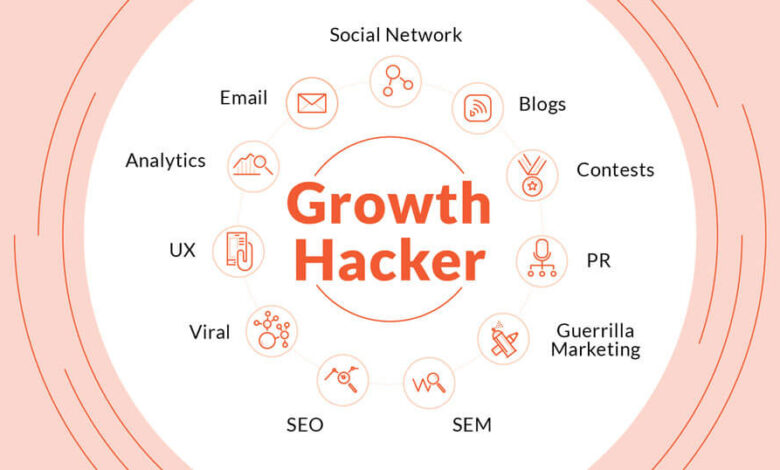
Growth hacking is about achieving rapid, measurable growth for your business. It’s a data-driven approach that uses creative strategies to attract users, boost conversions, and scale quickly. Unlike traditional marketing, which often focuses on long-term brand building, growth hacking prioritizes experimentation and testing to find what works best, fast. This guide will explore the core principles, strategies, and tools behind growth hacking, including key differences from traditional marketing, examples of successful campaigns, and ethical considerations.
Growth hacking involves a multifaceted approach to business development, emphasizing the importance of understanding user behavior, leveraging diverse marketing channels, and continuously analyzing data to refine strategies. The methods explored here offer a unique perspective on how to optimize and maximize your company’s potential.
Defining Growth Hacking

Growth hacking is a data-driven approach to rapidly increase user acquisition, engagement, and revenue for a product or service. It prioritizes experimentation and measurable results over traditional marketing strategies, focusing on finding innovative, cost-effective ways to achieve significant growth. This approach leans heavily on understanding user behavior and leveraging data to optimize product features and marketing channels.This innovative strategy shifts the focus from broad, expensive campaigns to targeted, data-driven experiments.
It’s about identifying and exploiting opportunities to achieve rapid growth, rather than relying on established marketing models. Growth hacking requires a mindset of continuous testing, learning, and adaptation to achieve sustainable growth.
Core Principles of Growth Hacking
Growth hacking is fundamentally about identifying and capitalizing on opportunities to achieve rapid growth. This requires a deep understanding of the target audience and a willingness to experiment with various strategies. The core principles are data-driven decision-making, relentless testing, and a focus on measurable results.
Growth Hacking vs. Traditional Marketing
Traditional marketing often focuses on long-term brand building and awareness campaigns, relying on established channels and budgets. Growth hacking, in contrast, is more agile and focused on rapid, measurable results. The key differences lie in their approaches, metrics, and ultimate goals.
| Feature | Growth Hacking | Traditional Marketing |
|---|---|---|
| Focus | Rapid, measurable growth through experimentation and data analysis. | Brand building, market share, and long-term customer relationships. |
| Metrics | Conversion rates, customer lifetime value, user engagement, and other quantifiable metrics. | Brand awareness, reach, impressions, and other less directly measurable metrics. |
| Approach | Experimentation, A/B testing, and iterative improvement based on data. | Planning, budgeting, and executing established campaigns across various channels. |
Traditional marketing often relies on established channels like print, television, and radio advertising, while growth hacking might leverage social media, content marketing, viral marketing, and influencer outreach to reach target audiences more effectively. Growth hacking employs iterative improvements based on data and insights, continuously refining strategies to optimize outcomes.
Key Characteristics Differentiating Growth Hacking
Growth hacking is distinguished from other approaches by its emphasis on data-driven experimentation, rapid iteration, and a focus on measurable results. It requires a deep understanding of user behavior, market trends, and the specific dynamics of the product or service being marketed.
- Data-Driven Decisions: Growth hacking relies heavily on data analysis to inform decisions. Understanding user behavior, engagement patterns, and conversion funnels are critical to optimizing strategies. For example, a social media campaign’s success can be tracked and analyzed to improve future campaigns.
- Iterative Improvement: Growth hacking is not a one-time effort. It’s an ongoing process of experimentation, analysis, and adaptation. By continually testing different strategies and measuring results, growth hackers can optimize campaigns for better performance. This process of refinement ensures the strategy is responsive to market changes.
- Focus on Measurable Outcomes: Growth hacking emphasizes quantifiable results. Each experiment should have clear metrics that can be tracked and analyzed to determine its effectiveness. For example, a website redesign could be tracked by measuring the bounce rate, time spent on page, and conversion rate.
Growth hacking often employs a variety of techniques, from optimizing landing pages to leveraging viral marketing strategies. Each technique is designed to achieve specific goals, and their success is measured based on tangible results. The ultimate goal is to increase user acquisition, engagement, and revenue.
Strategies and Techniques: Growth Hacking
Growth hacking isn’t just about random tactics; it’s about strategically employing various techniques to rapidly increase user acquisition and engagement. Understanding the interplay between different strategies is crucial for achieving sustainable growth. This involves analyzing user behavior, identifying pain points, and creating targeted solutions that resonate with the target audience.A successful growth hacking strategy blends creativity with data-driven decision-making.
It requires a constant feedback loop, allowing for adjustments and optimizations based on real-time performance metrics. This iterative approach ensures that campaigns remain effective and aligned with evolving market dynamics.
Growth hacking is all about finding innovative ways to rapidly scale your business, and one key figure in this field is Nancy Bhagat. Her insights into leveraging social media and digital strategies for rapid growth are invaluable. Ultimately, understanding these techniques, like those championed by Nancy, can help any business navigate the complex landscape of modern marketing and propel its expansion.
Common Growth Hacking Strategies
Understanding the core strategies is fundamental to implementing a successful growth hacking campaign. Each strategy plays a distinct role in driving user acquisition and engagement, with the potential to deliver significant results when applied effectively.
- Social Media Marketing: This strategy leverages the vast reach of social media platforms to connect with potential customers. It’s about creating engaging content that resonates with the target audience, encouraging interactions, and fostering a sense of community. Successful social media campaigns often utilize targeted advertising to reach specific demographics and interests, amplifying the message’s impact.
- Content Marketing: This strategy focuses on creating high-quality content that educates, entertains, or informs the target audience. By establishing expertise and authority in a particular niche, content marketing attracts organic traffic and builds brand awareness. A well-executed content strategy often includes blog posts, articles, videos, infographics, and other formats.
- Email Marketing: This strategy involves building an email list and sending targeted messages to nurture leads and drive conversions. Email marketing is a powerful tool for direct communication, allowing businesses to share valuable content, promotions, and updates with their subscribers. Segmentation of the email list is crucial for tailoring messages to specific customer groups, maximizing the impact of the campaigns.
Growth hacking is all about finding innovative ways to rapidly scale your business, and email marketing is a key player in that game. Understanding your email marketing analytics is crucial for optimizing campaigns and boosting conversions. Tools for analyzing your email campaigns, like email marketing analytics , give you the data to fine-tune your strategies and see what’s working.
Ultimately, this data-driven approach is vital for any successful growth hacking strategy.
- Referral Programs: Encouraging existing users to refer new customers is a powerful way to generate organic growth. Incentivizing referrals often involves offering rewards to both the referrer and the referred user. This strategy leverages the existing network of satisfied customers to spread the word and generate new leads.
- Influencer Marketing: Collaborating with influential figures in a specific niche to promote a product or service can dramatically increase brand awareness and generate leads. Influencers often have a loyal and engaged following, making them effective catalysts for growth. Choosing the right influencers who align with the brand values and target audience is critical for a successful campaign.
Successful Growth Hacking Campaigns
Examples of successful growth hacking campaigns across various industries highlight the effectiveness of these strategies.
- Airbnb: Their early success was driven by a referral program that rewarded both the referrer and the new user, creating a positive feedback loop and driving significant user acquisition. The platform also leveraged content marketing to establish its value proposition and build trust.
- Dropbox: Their viral marketing campaign incentivized users to share the service with their contacts, generating new sign-ups and leveraging the power of word-of-mouth. This strategy combined a strong value proposition with an easily shareable promotion.
- HubSpot: Their content marketing strategy, focused on providing valuable resources and tools for marketers, attracted organic traffic and established them as a leading authority in the industry. This strategy combined providing valuable content with a clear call to action, driving conversions.
A/B Testing for Conversion Rate Optimization
A/B testing is a crucial component of growth hacking, enabling data-driven optimization of conversion rates.
- Defining A/B Testing: A/B testing involves creating two versions of a webpage or campaign element (A and B). These variations are then presented to different segments of the target audience to assess which performs better in terms of achieving the desired outcome (e.g., conversions, sign-ups). Key metrics are carefully monitored to determine which version drives the highest conversion rates.
- Process of A/B Testing: The process involves identifying a specific element for improvement, creating variations, randomly assigning users to different versions, and meticulously tracking key metrics. Data analysis is crucial for determining the statistically significant difference in performance between variations.
Growth Hacking Strategies: Benefits and Drawbacks
A well-rounded understanding of the advantages and disadvantages of each strategy is essential for choosing the most appropriate approaches for a specific business context.
| Strategy | Benefits | Drawbacks |
|---|---|---|
| Social Media Marketing | High reach, virality potential | Requires constant engagement, platform algorithms can change |
| Content Marketing | Builds brand authority, attracts organic traffic | Takes time to yield results, requires consistent effort |
| Email Marketing | Direct communication, high conversion potential | Requires a well-segmented audience, spam filters |
Tools and Technologies
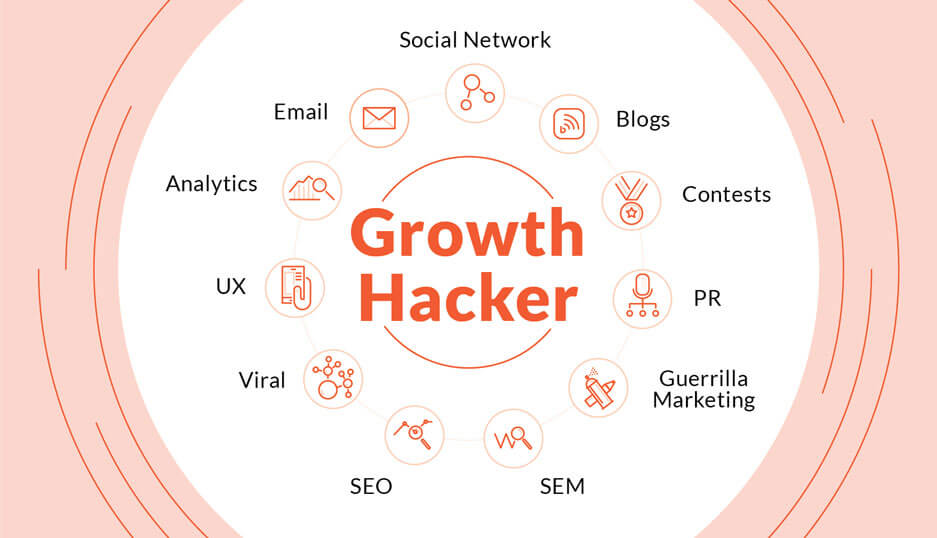
Growth hacking isn’t just about brilliant strategies; it’s about leveraging the right tools to track, analyze, and optimize your campaigns. The right technology can transform raw data into actionable insights, enabling you to fine-tune your approach and maximize your return on investment. Effective growth hacking requires a blend of creative strategies and powerful tools that provide the necessary data and analytics.The tools discussed in this section will demonstrate how these technologies allow growth hackers to monitor website traffic, manage customer interactions, and analyze campaign performance in real-time.
These tools facilitate data collection and analysis, providing critical information for strategic decisions and improvements.
Popular Growth Hacking Tools
Various tools cater to different aspects of growth hacking, each contributing to a comprehensive understanding of campaign effectiveness. These tools aid in collecting and analyzing data to identify trends, understand user behavior, and optimize marketing strategies.
- Google Analytics: A cornerstone of growth hacking, Google Analytics provides a comprehensive view of website traffic. It tracks user behavior, identifies popular pages, and pinpoints sources of traffic. This powerful tool helps you understand user journeys and optimize your website for conversion. Its free tier makes it accessible to businesses of all sizes, while the paid version unlocks advanced features.
- HubSpot: A robust marketing automation and customer relationship management (CRM) platform, HubSpot offers a wide range of features for growth hacking. It helps manage customer interactions, automate marketing campaigns, and track sales data. Its ability to centralize customer data and automate processes improves efficiency and facilitates targeted marketing campaigns. HubSpot offers both free and paid plans, with the paid versions offering advanced features and increased capacity.
- Ahrefs: A powerful tool, Ahrefs provides data-driven insights into website performance and competitor analysis. It helps you identify s, analyze backlinks, and track website rankings. This data allows you to optimize your content for search engines and improve your organic reach, ultimately increasing traffic and conversions.
Analytics in Growth Hacking
Analytics plays a crucial role in evaluating the effectiveness of growth hacking initiatives. Growth hacking relies heavily on data-driven decision making.
- Data-Driven Decisions: The insights derived from data analysis help growth hackers understand what’s working and what’s not. This enables data-backed decisions that improve campaign performance and efficiency.
- Performance Tracking: Analytics tools allow for real-time tracking of key performance indicators (KPIs). This enables growth hackers to measure the impact of different strategies and make necessary adjustments.
- User Behavior Understanding: Analyzing user behavior through analytics tools reveals valuable insights about how users interact with a website or product. This helps tailor marketing strategies and improve user experience.
Comparison of Growth Hacking Tools
The following table compares the features and pricing of some popular growth hacking tools.
| Tool | Features | Pricing |
|---|---|---|
| Google Analytics | Website traffic analysis, user behavior tracking, campaign performance monitoring, conversion tracking. | Free/Paid |
| HubSpot | CRM, marketing automation, email marketing, landing pages, sales tools, social media management, and more. | Free/Paid |
| Ahrefs | analysis, research, backlink analysis, site audit, rank tracking, competitor analysis. | Paid |
Case Studies and Examples
Growth hacking isn’t just about theoretical strategies; it’s about seeing them in action. Real-world case studies demonstrate how companies successfully leverage various techniques to achieve impressive growth. Understanding these examples provides invaluable insights into the practical application of growth hacking principles.Successful growth hacking campaigns often involve a combination of innovative ideas and meticulous execution. They highlight the importance of analyzing user behavior, understanding market trends, and adapting strategies based on real-time data.
A Successful Growth Hacking Campaign: “SocialStory”
SocialStory, a social media platform focused on sharing short-form stories, employed a multi-pronged growth hacking approach. Their strategy aimed to rapidly acquire users and build a strong community.
- Social Media Contests and Giveaways: SocialStory ran regular contests on Instagram and Facebook, encouraging users to share their stories and tag friends. Prizes included gift cards and free premium features, incentivizing participation and attracting new users. This created buzz and generated organic engagement.
- Influencer Marketing: They collaborated with micro-influencers who had a strong following in niche communities. Influencers promoted SocialStory to their audience, creating a wave of interest and attracting potential users who resonated with their style.
- Targeted Advertising Campaigns: SocialStory used Facebook and Instagram ads to target specific demographics and interests. They refined their targeting strategies based on campaign performance, ensuring that ads reached the most receptive audience. This ensured that ad spend was optimized and efficient.
- Strategic Partnerships: SocialStory partnered with other social media platforms and apps, offering cross-promotion opportunities. This expanded their reach and brought in a diverse user base. This was a key strategy to attract new audiences who might not have otherwise encountered SocialStory.
These efforts led to a substantial increase in user engagement and sign-ups. Within three months, SocialStory saw a 45% increase in daily active users and a 30% increase in overall platform engagement. This demonstrated a clear correlation between the growth hacking strategies and positive outcomes.
“SocialStory’s growth hacking campaign, focused on creating viral content and targeted engagement, generated substantial user acquisition and engagement in a short time frame.”
Measuring and Optimizing Growth
Growth hacking isn’t just about implementing creative strategies; it’s about meticulously measuring their impact and adapting them based on the data. This crucial step ensures strategies are effective and resources are allocated wisely. Understanding key performance indicators (KPIs) and the process of tracking and analyzing data is paramount for maximizing growth.A data-driven approach is essential for growth hacking success.
By continuously monitoring and evaluating results, you can identify what’s working, what’s not, and adjust strategies accordingly. This iterative process allows for refined campaigns and optimized resource utilization.
Growth hacking is all about finding innovative ways to boost your brand’s visibility, right? One powerful tool in this arsenal is leveraging Instagram Live events, like those detailed on Instagram Live events. These interactive sessions offer a unique opportunity to connect directly with your audience, build community, and drive engagement, which ultimately fuels growth hacking efforts.
Key Performance Indicators (KPIs) for Growth Hacking
Defining relevant KPIs is the first step in measuring growth hacking success. These metrics provide a clear picture of the campaign’s performance, helping you identify areas for improvement and demonstrate ROI. Different KPIs are suitable for various stages and goals of a campaign.
- Website Traffic: This includes metrics like unique visitors, page views, bounce rate, and time on site. These metrics provide insights into user engagement and website effectiveness.
- Conversion Rates: This measures the percentage of visitors who complete a desired action, such as signing up for a newsletter, making a purchase, or requesting a demo. High conversion rates indicate effective calls-to-action and user experience.
- Customer Acquisition Cost (CAC): This measures the cost of acquiring a new customer. Lower CAC is preferable, indicating efficient marketing efforts. Comparing CAC to customer lifetime value (CLTV) is crucial for assessing profitability.
- Customer Lifetime Value (CLTV): This predicts the revenue a customer will generate throughout their relationship with the company. A high CLTV demonstrates a successful customer acquisition strategy.
- Customer Churn Rate: This measures the rate at which customers stop using a product or service. A low churn rate indicates customer satisfaction and retention.
Tracking and Analyzing Growth Hacking Metrics
Consistent tracking and analysis are essential for effective growth hacking. This process involves setting up dashboards, using analytics tools, and implementing regular reporting. This allows for proactive adjustments based on real-time data.
- Data Collection: Utilize web analytics tools like Google Analytics, Mixpanel, or Heap to gather data on website traffic, user behavior, and conversion rates. Data from CRM systems and marketing automation tools can also be integrated for a comprehensive view.
- Data Analysis: Analyze collected data to identify trends, patterns, and correlations. Look for insights into user behavior, campaign effectiveness, and areas needing improvement. Use statistical methods to determine significance.
- Regular Reporting: Create regular reports summarizing key metrics and insights. Visualizations are essential for effectively communicating complex data to stakeholders.
Optimizing Strategies Based on Data Insights
Data insights empower growth hackers to refine strategies and improve campaign performance. By analyzing trends and identifying bottlenecks, you can make data-backed decisions to enhance campaign effectiveness.
- A/B Testing: Use A/B testing to compare different versions of landing pages, ad copy, or calls-to-action to determine which performs best. This allows for optimizing conversion rates and user engagement.
- Iterative Improvement: Regularly review and adjust strategies based on performance data. Growth hacking is an iterative process, and continuous improvement is key.
- Targeted Campaigns: Use data to understand your target audience better. Tailor campaigns to specific segments and interests for increased engagement and conversion.
Using Data Visualization Tools to Present Growth Hacking Results
Data visualization tools play a crucial role in effectively communicating growth hacking results to stakeholders. Visual representations transform complex data into easily understandable insights.
- Choosing the Right Tools: Select data visualization tools like Tableau, Power BI, or Google Data Studio that best suit your needs and data complexity. Consider factors like ease of use, customization, and integration with existing analytics platforms.
- Creating Informative Charts: Create compelling charts and graphs that clearly communicate key findings. Visualizations should highlight trends, patterns, and actionable insights. Choose the appropriate chart type for the data being presented. For example, bar charts are effective for comparing metrics across different groups, while line graphs can illustrate trends over time.
- Clear and Concise Communication: Craft clear and concise narratives around the visualizations. Provide context and insights to help stakeholders understand the implications of the data and how to interpret it. Ensure the message is actionable and relevant to the audience.
Ethical Considerations
Growth hacking, while a powerful tool for driving business growth, necessitates a strong ethical framework. A focus on responsible practices is paramount, as unethical tactics can damage a company’s reputation, erode user trust, and ultimately hinder long-term success. This section delves into the ethical implications of growth hacking, highlighting responsible initiatives, potential pitfalls, and essential considerations for maintaining integrity.The core of ethical growth hacking lies in balancing aggressive growth strategies with respect for users and adherence to established ethical standards.
It’s not just about maximizing short-term gains; it’s about building a sustainable and trustworthy brand. This involves transparency, user privacy, and a commitment to fair and honest practices.
Ethical Guidelines in Growth Hacking
Ethical growth hacking hinges on a set of principles. These guidelines help maintain a positive user experience and safeguard brand reputation.
- Transparency in marketing campaigns is crucial. Clearly communicating the purpose of promotions and avoiding hidden fees or misleading information builds trust with potential customers. Users should be aware of how their data is collected and used.
- Avoiding deceptive practices is essential. Growth hacking should not employ manipulative tactics to trick or mislead users into making purchases or engaging with a product. Deception undermines user trust and damages brand reputation.
- Respect for user privacy is paramount. Collecting and using user data ethically and responsibly is essential. Adherence to data protection regulations and user consent is vital to fostering trust.
- Avoiding predatory practices is critical. Growth tactics should not exploit vulnerable users, target specific demographics unfairly, or employ tactics that could be perceived as exploitative.
- Prioritizing user experience over short-term gains is essential. While growth is important, maintaining a positive and helpful user experience is crucial. Growth should be achieved through methods that benefit both the user and the company.
Examples of Responsible Growth Hacking
Many companies have successfully implemented growth hacking initiatives while upholding ethical standards.
- A social media platform might offer a reward program for user engagement, providing incentives while fostering community interaction.
- A subscription service might offer a free trial period to attract users and showcase the value proposition without misleading them about the full cost or commitment.
- An e-commerce site might run targeted advertising campaigns that clearly identify the product and highlight its benefits without employing deceptive tactics or misleading claims.
Potential Pitfalls and Negative Consequences
Unethical growth hacking tactics can have significant repercussions.
- Deceptive marketing practices can lead to a loss of user trust and a decline in brand reputation. This can result in negative reviews, a loss of customers, and legal issues.
- Aggressive growth tactics that prioritize short-term gains over long-term user satisfaction can lead to a negative user experience. This could result in high churn rates and difficulty retaining customers.
- Violations of data privacy regulations can result in significant financial penalties and damage to the company’s reputation.
- Exploitative practices can result in negative publicity and boycotts from consumers.
Ethical Considerations Checklist
This checklist summarizes key ethical considerations for growth hacking.
- Transparency: Clearly communicate the purpose of promotions and data collection.
- Honesty: Avoid deceptive or misleading practices.
- Privacy: Respect user privacy and comply with data protection regulations.
- Fairness: Avoid exploiting vulnerable users or specific demographics.
- User Experience: Prioritize a positive and helpful user experience.
Final Thoughts
In conclusion, growth hacking provides a powerful framework for companies seeking rapid and sustainable growth. By understanding the core principles, implementing effective strategies, and continuously measuring and optimizing results, businesses can leverage data-driven insights to achieve significant gains. Ethical considerations are crucial in any growth hacking initiative, ensuring that strategies are responsible and respectful of user privacy. Ultimately, growth hacking empowers companies to reach their full potential by effectively utilizing a diverse range of marketing techniques.