
Google AI Overviews A Deep Dive
Google AI Overviews: Unveiling the intricacies of Google’s AI initiatives, this exploration delves into the core concepts, historical development, products, ethical considerations, impact, infrastructure, and partnerships. From fundamental principles to future trends, we’ll examine how Google’s AI endeavors shape our world.
This comprehensive overview will cover everything from the foundational principles of machine learning and natural language processing to the practical applications of Google’s AI in everyday products like Search and Maps. We’ll also investigate the ethical implications of these powerful technologies, considering biases and potential risks, and exploring how Google is addressing these concerns.
Google AI Overview
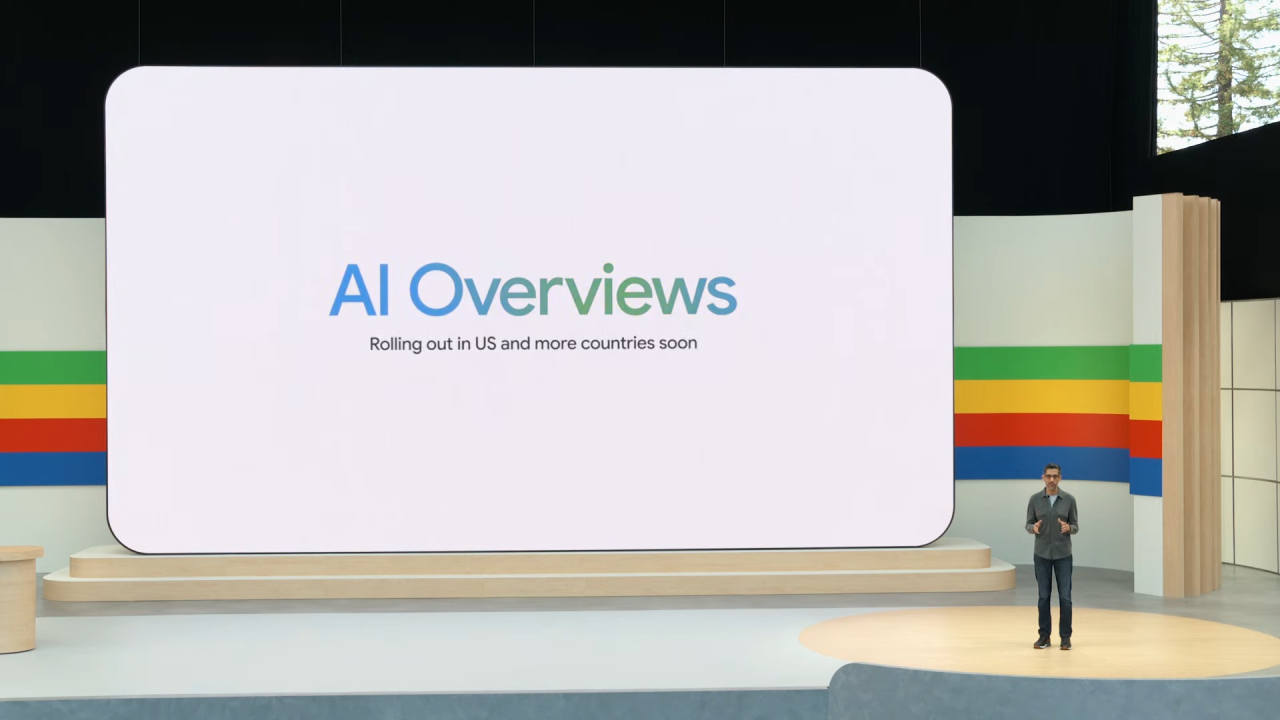
Google’s AI initiatives are driven by a fundamental commitment to leveraging artificial intelligence to solve complex problems and enhance user experiences across various platforms. This commitment extends beyond simple automation, aiming to create intelligent systems capable of learning, reasoning, and adapting to evolving needs. The core principles revolve around ethical considerations, responsible development, and the potential of AI to improve lives worldwide.
Core AI Domains
Google’s AI research spans a multitude of domains, each with its own unique challenges and potential. These domains include machine learning, natural language processing, computer vision, and robotics, among others. The company recognizes the interconnectedness of these domains and actively seeks ways to integrate them for more comprehensive solutions. For instance, advancements in natural language processing can enhance the capabilities of computer vision systems, leading to more intuitive and efficient user interfaces.
Machine Learning
Machine learning is a foundational element of Google’s AI strategy. It enables systems to learn from data without explicit programming, allowing for adaptation and improvement over time. Google employs various machine learning algorithms, including supervised, unsupervised, and reinforcement learning, to address diverse problems. Supervised learning, for example, is used in image recognition tasks, where algorithms are trained on labeled datasets.
Unsupervised learning is employed in tasks like customer segmentation, identifying patterns in vast datasets.
Natural Language Processing (NLP)
Natural language processing empowers machines to understand, interpret, and generate human language. This technology underpins Google’s search engine, enabling it to process queries and deliver relevant results. NLP also powers features like translation, chatbots, and text summarization. Significant advancements in NLP have led to more accurate and intuitive language interactions.
Computer Vision
Computer vision equips machines with the ability to “see” and interpret images and videos. Google’s computer vision applications are extensive, from image recognition and object detection to medical image analysis and autonomous driving. Sophisticated algorithms are trained on massive datasets of images to enable accurate and efficient image understanding.
Key Technologies and Applications
Google leverages various AI technologies, including deep learning, which involves artificial neural networks with multiple layers to process complex data. Deep learning powers many of Google’s AI applications, like image recognition, natural language understanding, and speech recognition. TensorFlow, Google’s open-source machine learning framework, is instrumental in developing and deploying these models.
Comparison with Other AI Players
Compared to other major players in the AI field, Google distinguishes itself through its extensive data resources, vast computational power, and focus on integrating AI across its diverse product portfolio. Other companies may excel in specific AI domains or technologies, but Google’s comprehensive approach to AI across various applications sets it apart.
Google AI Research: Key Areas
| Key Area | Technology | Applications | Potential Impact |
|---|---|---|---|
| Image Recognition | Deep Learning, Computer Vision | Object detection, image classification, medical diagnosis | Improved accuracy in various industries, including healthcare and autonomous driving |
| Natural Language Understanding | Natural Language Processing, Deep Learning | Machine translation, chatbots, question answering | Enhanced communication and interaction between humans and machines |
| Recommendation Systems | Machine Learning, Collaborative Filtering | Product recommendations, personalized content | Improved user experience and increased engagement |
| Autonomous Driving | Computer Vision, Machine Learning, Deep Learning | Self-driving cars, trucks, and other vehicles | Increased safety, efficiency, and accessibility in transportation |
Google AI: A Historical Journey
Google’s foray into artificial intelligence has been a dynamic and rapidly evolving journey, marked by significant milestones and a continuous adaptation of its strategy. From early research projects to the development of widely used AI services, Google’s AI initiatives have profoundly impacted various sectors, shaping the future of technology and innovation.
Timeline of Google’s AI Projects
Google’s AI journey spans several key phases, each characterized by distinct technological advancements and strategic shifts. The early years saw foundational research and the development of basic AI models, laying the groundwork for future breakthroughs. Later stages witnessed a shift towards more complex systems and applications, incorporating user-centric design and real-world problem-solving.
- Early Research and Development (2000s):
- The Rise of Machine Learning (2010s):
- Deep Learning and Cloud AI (2010s-2020s):
- Generative AI and Beyond (2020s):
Initial explorations focused on fundamental AI research, including natural language processing and machine learning algorithms. These early projects served as a crucial springboard for future development. Key areas of focus included fundamental research in various AI sub-fields, and development of initial machine learning models and tools.
This period saw the emergence of machine learning as a key driver of Google’s AI initiatives. Google began applying machine learning to various internal processes, including search, advertising, and image recognition. This marked a significant shift towards practical application of AI within the company. The rise of machine learning algorithms brought increased efficiency and accuracy to core Google services.
Deep learning became a dominant force in Google’s AI arsenal, with breakthroughs in image recognition, natural language understanding, and speech recognition. Simultaneously, Google expanded its AI offerings through the cloud platform, enabling other organizations to leverage its AI technologies. Deep learning models were applied to a wider range of tasks, significantly improving accuracy and performance. The introduction of cloud AI services democratized access to cutting-edge AI capabilities for a broader audience.
Google AI overviews are great for understanding the potential of AI, but how do you practically apply those insights to your business? A solid understanding of how to leverage Twitter for business, like in this twitter marketing business guide , can really complement your AI strategies. Ultimately, AI overviews provide the framework, but successful application requires tailored strategies, just like effective Twitter campaigns do.
Google is now exploring the capabilities of generative AI, including large language models and advanced image generation tools. This represents the latest phase in Google’s AI journey, characterized by innovative solutions that have the potential to transform diverse industries. Generative AI is increasingly being integrated into Google’s products and services, paving the way for even more sophisticated and user-friendly experiences.
Major Milestones and Breakthroughs
Google’s AI journey is punctuated by significant milestones that represent advancements in the field. These breakthroughs often result in improved accuracy, efficiency, and user experience.
- Development of groundbreaking machine learning algorithms:
- Introduction of innovative AI-powered products:
- Advancements in deep learning architectures:
These algorithms significantly enhanced the accuracy and speed of various Google services, like search and translation. Examples include algorithms optimized for specific tasks like image recognition and natural language processing, leading to improved accuracy and efficiency.
Google AI overviews often touch on the fascinating realm of machine learning, but a crucial element frequently glossed over is the “meta learning phase.” This phase, which is a key part of many AI models, involves training a model to learn how to learn, rather than just learning specific tasks. For a deeper dive into the intricacies of the meta learning phase, check out this helpful resource: meta learning phase.
Understanding this process is essential for grasping the full scope of Google AI’s impressive capabilities.
Google’s AI has driven the creation of new and transformative products and services. These products have revolutionized various industries, and have broadened the accessibility of AI technologies to the wider community.
The development of more sophisticated deep learning architectures has led to improved performance in image recognition, natural language processing, and other tasks. Improvements in deep learning architectures have resulted in higher accuracy and faster processing speeds.
Evolution of Google’s AI Strategy
Google’s AI strategy has evolved alongside advancements in the field. The initial focus on research has transitioned to a more application-oriented approach, incorporating user needs and real-world problem-solving.
- Focus on practical applications:
- Expanding AI capabilities through cloud services:
- Addressing ethical considerations in AI development:
The strategy has shifted towards practical applications of AI, leading to the development of products and services that benefit users and businesses. Examples of such applications include personalized search results, targeted advertising, and enhanced image recognition.
Google has expanded its AI capabilities through its cloud platform, providing businesses with access to advanced AI tools. This democratization of AI empowers organizations to integrate AI into their workflows and processes.
Google is actively working to address the ethical implications of AI development, aiming for responsible and beneficial applications. This includes research into bias detection and mitigation, and the implementation of guidelines for AI development.
Significant Transformations in Google’s AI Infrastructure
The infrastructure supporting Google’s AI has undergone significant transformations to accommodate the increasing complexity and scale of AI projects.
- Scalable computing resources:
- Advanced data storage and management:
- Specialized hardware and software:
Google has invested in scalable computing resources to support the growing demands of AI training and processing. These resources enable the handling of massive datasets and complex computations, crucial for advanced AI models.
Advanced data storage and management solutions are essential to handle the vast amounts of data required for training AI models. This includes efficient storage, retrieval, and processing of data.
Google has developed specialized hardware and software to optimize AI tasks. This includes custom-designed processors and software libraries tailored to enhance AI performance.
Progression of Google’s AI Technology
| Period | Key Advancements | Impact | Examples |
|---|---|---|---|
| Early 2000s | Fundamental AI research, initial ML models | Foundation for future development | Early search algorithms, basic image recognition |
| 2010s | Machine Learning dominance, cloud AI | Practical applications, wider access to AI | Improved search results, targeted advertising, cloud-based ML services |
| 2010s-2020s | Deep learning, large language models | Enhanced performance, new applications | Improved image recognition, natural language processing, generative AI |
| 2020s | Generative AI, large language models | Transformative potential in diverse industries | Large language models, image generation, new applications in creative fields |
Google AI: Products and Services: Google Ai Overviews
Google’s AI journey extends far beyond theoretical research. It’s deeply integrated into everyday products, revolutionizing how we search, interact with maps, and even process images. This section delves into the diverse range of Google AI products and services, showcasing their functionalities, applications, and the profound impact they have on various aspects of our lives.Google’s AI infrastructure is not just about building sophisticated algorithms; it’s about seamlessly weaving intelligent capabilities into the core of its existing products.
This integration not only enhances user experience but also unlocks new possibilities for innovation and problem-solving across multiple industries.
Google AI Products and Services: A Comprehensive Overview
This section presents a comprehensive list of Google AI products and services, highlighting their individual contributions and collaborative synergy within the Google ecosystem.
- Google Cloud AI Platform: This suite of tools empowers developers to build, deploy, and manage AI models on Google’s cloud infrastructure. It encompasses a wide range of services, from machine learning APIs to managed machine learning platforms. The platform offers various tools and libraries to facilitate the entire machine learning lifecycle, making it a powerful asset for organizations seeking to leverage AI in their applications.
- Google Cloud Vision API: This API leverages computer vision to analyze images and extract valuable information. It can identify objects, faces, and scenes within images, providing applications with powerful capabilities for image recognition and understanding. For instance, it can automatically categorize images for organization or detect anomalies in medical imaging.
- Google Cloud Natural Language API: This API provides natural language processing capabilities, enabling applications to understand and process human language. It can analyze text for sentiment, entities, and relationships, allowing developers to build applications that interpret and respond to human input more effectively. This technology fuels applications like chatbots and sentiment analysis tools.
- Google Cloud Translation API: This API facilitates machine translation, allowing users to translate text from one language to another. The API supports a wide range of languages and provides high-quality translations, enabling global communication and accessibility. This is critical for businesses operating in multiple markets and for individuals communicating across language barriers.
- Google Cloud Speech API: This API offers speech-to-text capabilities, enabling applications to convert spoken language into text. It supports various languages and accents, and is highly accurate, enabling applications to process and respond to spoken commands. This technology is vital for voice assistants and dictation software.
Integration of AI into Existing Google Products
Google’s AI isn’t confined to specialized tools; it’s deeply embedded within core products, significantly enhancing their functionality.
- Google Search: AI powers Google Search’s ranking algorithms, providing more relevant and accurate search results. AI also underpins features like personalized search results, knowledge graphs, and real-time information retrieval.
- Google Maps: AI enables features like real-time traffic updates, route optimization, and accurate location predictions. It also facilitates features like street view and 3D modeling of locations.
- Google Photos: AI enables automatic image organization, facial recognition, and object detection. It facilitates automatic tagging and organization of photos based on content and people, making photo management more intuitive.
Potential for Future AI Integration
The potential for future AI integration within Google services is vast. Imagine AI-powered personalized learning experiences in Google Classroom, or AI-assisted customer service solutions within Google Workspace.
- Personalized Learning: AI could adapt learning experiences based on individual student needs and progress, tailoring content and pace to optimize learning outcomes.
- Enhanced Customer Support: AI-powered chatbots could provide immediate and comprehensive support to users, handling simple queries and escalating complex issues to human agents when necessary.
Comparison of Google AI Products
| Product | Functionality | Target Users | Market Positioning |
|---|---|---|---|
| Google Cloud AI Platform | Build, deploy, manage AI models | Developers, data scientists, AI engineers | Cloud-based AI development platform |
| Google Cloud Vision API | Image recognition, analysis | Developers of image-based applications | API for image processing |
| Google Cloud Natural Language API | Natural language processing | Developers of text-based applications | API for text analysis |
| Google Cloud Translation API | Machine translation | Developers of multilingual applications, individuals | API for multilingual communication |
| Google Cloud Speech API | Speech-to-text conversion | Developers of voice-based applications | API for voice processing |
Google AI: Ethical Considerations
Google’s foray into artificial intelligence (AI) has brought about significant advancements, but it also raises crucial ethical considerations. The potential for bias, misuse, and unintended consequences demands careful scrutiny and proactive strategies to ensure responsible development and deployment. Addressing these ethical concerns is not merely a matter of compliance, but a fundamental aspect of building trust and fostering a positive impact.
Potential Biases and Risks in AI Systems, Google ai overviews
AI systems, particularly those trained on large datasets, can inherit and amplify existing societal biases. These biases can manifest in various forms, from gender and racial stereotypes to socioeconomic disparities. This can lead to unfair or discriminatory outcomes in areas like loan applications, hiring processes, and even criminal justice. Furthermore, the “black box” nature of some AI algorithms can make it difficult to understand how decisions are made, hindering accountability and transparency.
The risk of unintended consequences, such as the spread of misinformation or the exacerbation of existing inequalities, also poses a serious challenge.
Strategies for Mitigating Risks and Addressing Ethical Concerns
Several strategies can help mitigate the risks and address the ethical concerns associated with AI development and deployment. These include:
- Diverse and Representative Datasets: Training AI models on diverse and representative datasets is crucial to minimize the perpetuation of biases. This requires careful consideration of the data sources and active efforts to ensure a broad spectrum of perspectives are represented.
- Bias Detection and Mitigation Techniques: Implementing robust techniques for detecting and mitigating biases within AI systems is essential. This includes using algorithms and methods specifically designed to identify and address potential biases, and auditing models for unintended discriminatory outcomes.
- Explainable AI (XAI): Developing AI systems that are explainable and transparent is vital for accountability and trust. This involves creating AI models that provide insights into their decision-making processes, making it easier to understand how and why certain outcomes occur.
- Human Oversight and Control: Maintaining human oversight and control over AI systems is crucial to ensure responsible decision-making. This means designing systems that allow for human intervention and review of critical decisions, and establishing clear lines of accountability.
Examples of Google’s Approach to Ethical AI
Google is actively engaged in addressing ethical issues in its AI projects. This includes initiatives focused on fairness, accountability, and transparency. For example, Google’s research on bias detection techniques in machine learning algorithms aims to identify and mitigate potential biases in its products. Furthermore, Google is actively working on projects to enhance the explainability of AI systems, making their decision-making processes more transparent.
Table: Ethical Concerns in Google AI
| Ethical Concern | Potential Impact | Mitigation Strategies | Case Studies |
|---|---|---|---|
| Algorithmic Bias in Hiring | Unfair or discriminatory hiring practices, leading to unequal opportunities | Diverse and representative datasets, bias detection tools, human review | Case studies on bias detection in resume screening and applicant scoring models |
| Privacy Concerns in Data Collection | Compromised user privacy, unauthorized data access | Robust data security measures, user consent mechanisms, transparent data usage policies | Google’s practices regarding user data collection and usage, complying with privacy regulations like GDPR |
| Misinformation and Manipulation | Spread of false information, manipulation of public opinion | Fact-checking mechanisms, content moderation policies, responsible AI deployment guidelines | Google’s efforts in detecting and mitigating the spread of misinformation through its search engine, and news products |
| Autonomous Weapons Systems | Potential for unintended harm and escalation of conflicts | Strict regulations and guidelines, human oversight and control, international collaboration | Google’s approach to research and development of autonomous weapons systems, adherence to international arms control agreements |
Google AI: Impact and Future Trends
Google’s AI initiatives are rapidly reshaping various sectors, from healthcare and finance to transportation and entertainment. This evolution underscores the profound impact AI is having on our lives, while simultaneously raising crucial ethical considerations and posing exciting challenges for the future. Understanding these impacts and potential trajectories is key to navigating the evolving AI landscape.The future of AI research at Google hinges on continued innovation and responsible development.
This includes focusing on areas like improving existing AI models, creating new applications, and addressing the challenges associated with their widespread adoption. The potential societal implications of these advancements are substantial, necessitating careful consideration and proactive measures to mitigate any potential risks.
Overall Impact of Google’s AI Initiatives
Google’s AI research has led to tangible advancements across diverse industries. In healthcare, AI-powered diagnostic tools are improving accuracy and efficiency, potentially leading to earlier and more effective treatment. Financial institutions leverage AI for fraud detection and risk assessment, bolstering security and enhancing profitability. Furthermore, AI is revolutionizing transportation with self-driving car technology, potentially transforming urban mobility.
Google AI overviews are fascinating, highlighting the potential of machine learning. It’s interesting to see how these advancements are impacting various sectors, like the marketing strategies at Jimmy John’s, where Darin Dugan, CMO, is a key figure in driving successful campaigns. darin dugan cmo jimmy johns is a great example of how these innovative tools can be implemented to enhance business performance.
Ultimately, Google AI overviews offer a valuable window into the future of technology and its wide-ranging applications.
These examples demonstrate the significant potential of AI to positively influence various aspects of modern life.
Potential Future Directions and Trends in Google’s AI Research
Google’s AI research is likely to focus on several key areas. One promising direction is developing more robust and adaptable AI models capable of handling complex, real-world scenarios. Furthermore, research will likely emphasize improving the explainability and transparency of AI systems, addressing concerns about bias and fairness. Another important trend will be exploring new avenues for integrating AI with other technologies, such as the Internet of Things (IoT) and cloud computing, leading to more interconnected and intelligent systems.
Potential Societal Implications of Google’s AI Advancements
The widespread adoption of AI presents both opportunities and challenges for society. The potential for job displacement due to automation is a significant concern. Furthermore, issues related to data privacy and security must be addressed to prevent misuse and protect individual rights. Ensuring equitable access to AI-powered technologies is critical to avoid exacerbating existing societal inequalities. These considerations require careful planning and proactive measures to navigate the potential consequences of AI.
Future Integration of AI into Everyday Life
AI is poised to become increasingly integrated into our daily routines. Personalized recommendations for products and services, tailored educational experiences, and even automated home management systems are just a few examples of how AI will influence our lives. Furthermore, advancements in natural language processing (NLP) will enable more intuitive human-computer interactions. This integration will require adapting to new ways of interacting with technology and navigating the evolving digital landscape.
Forecasting Future AI Applications
| Future AI Application | Anticipated Impact | Potential Challenges | Examples |
|---|---|---|---|
| Personalized Education | Improved learning outcomes, tailored to individual needs, increased engagement. | Ensuring equitable access, addressing potential biases in algorithms, maintaining teacher-student interaction. | Adaptive learning platforms, personalized curriculum development. |
| Automated Healthcare Diagnosis | Faster, more accurate diagnoses, improved treatment outcomes, reduced costs. | Ensuring accuracy and reliability of AI-powered diagnoses, addressing data privacy and security concerns. | AI-powered image analysis for early cancer detection, automated pathology reports. |
| Smart Cities | Improved infrastructure management, reduced traffic congestion, enhanced public safety. | Maintaining data security, ensuring equitable access to benefits, addressing potential job displacement. | Optimized traffic flow systems, automated waste management systems, predictive maintenance of infrastructure. |
| Autonomous Vehicles | Increased safety, reduced traffic congestion, improved accessibility. | Ensuring safety in complex scenarios, addressing legal and ethical considerations, managing potential job displacement. | Self-driving taxis, delivery trucks, and public transport. |
Google AI: Infrastructure and Resources
Google’s AI ambitions are underpinned by a sophisticated and expansive infrastructure. This infrastructure is not just a collection of servers; it’s a meticulously designed ecosystem that enables cutting-edge research and development. From massive datasets to powerful hardware, Google invests heavily in the tools that fuel its AI advancements.The scale of Google’s AI endeavors demands a robust infrastructure capable of handling complex computations and vast datasets.
This infrastructure acts as the engine driving innovation in areas like machine learning, natural language processing, and computer vision. Understanding the intricate workings of this infrastructure is crucial to appreciating the breadth and depth of Google’s AI capabilities.
Computational Resources
Google leverages a diverse range of computational resources to support its AI research. These resources encompass high-performance computing clusters, specialized hardware accelerators, and cloud-based platforms. The sheer volume of data and the complexity of AI models necessitate substantial computational power.Google’s infrastructure includes massive clusters of servers, equipped with GPUs (Graphics Processing Units) and TPUs (Tensor Processing Units). These specialized chips are designed for accelerating machine learning tasks, dramatically reducing training time for complex models.
The utilization of these resources enables faster experimentation and iteration, leading to quicker advancements in AI technologies.
Data Sets
The availability of massive datasets is critical to training sophisticated AI models. Google’s access to diverse and comprehensive datasets is a significant advantage in its AI research. These datasets encompass a wide range of information types, from text and images to audio and video.
“The quality and quantity of data directly impact the accuracy and performance of AI models.”
Examples of Google’s data resources include vast text corpora for natural language processing, image datasets for computer vision, and audio datasets for speech recognition. These resources provide the fuel for training models to perform tasks like language translation, image classification, and speech synthesis.
Teams and Departments
Google’s AI efforts are not isolated; they are coordinated across various teams and departments. This collaborative approach fosters cross-functional expertise and knowledge sharing, leading to more effective and comprehensive AI solutions.Different teams specialize in specific areas of AI research, such as machine learning algorithms, model architecture, and data engineering. This specialized approach allows for focused innovation and targeted problem-solving.
The close collaboration between these teams is essential to the successful development and deployment of Google’s AI technologies.
Ongoing Investments and Future Plans
Google’s investment in AI infrastructure is ongoing and strategic. This includes continuous upgrades to hardware, software, and data management systems. The company’s long-term plan involves further enhancing its computational capabilities and expanding access to its resources for research and development.The future of Google’s AI infrastructure likely includes greater integration of AI with other Google services, such as cloud computing and search.
This integration will lead to more seamless and powerful AI-driven experiences for users worldwide.
Key Resources Utilized in Google AI Projects
| Resource | Type | Description | Significance |
|---|---|---|---|
| Google Cloud Platform | Software | A suite of cloud computing services that provides scalable resources for AI projects. | Enables access to powerful computing resources without the need for extensive in-house infrastructure. |
| TPUs (Tensor Processing Units) | Hardware | Specialized chips designed for accelerating machine learning tasks. | Enable significantly faster training of AI models, leading to quicker breakthroughs. |
| Large-scale datasets (e.g., ImageNet, Common Crawl) | Data | Vast repositories of images, text, and other data used for training AI models. | Provide the necessary training material to develop accurate and robust AI models. |
| Specialized AI research teams | Human capital | Dedicated teams focused on developing and implementing specific AI solutions. | Ensure expertise and coordination across different facets of AI research. |
Google AI: Partnerships and Collaborations
Google’s AI journey isn’t solely driven by its internal research teams. A crucial component of its success is a network of strategic partnerships and collaborations. These partnerships allow Google to leverage external expertise, broaden its reach, and address complex challenges in diverse sectors. They also offer access to new datasets and talent pools, accelerating AI development.
Types of Organizations Partnered With
Google partners with a diverse array of organizations, reflecting the breadth of AI applications. This includes academic institutions, research labs, government agencies, and industry leaders. These partnerships span various sectors, from healthcare and finance to transportation and manufacturing. Academic institutions provide access to cutting-edge research and talent, while industry leaders offer real-world application contexts and data.
Benefits and Objectives of Collaborations
These collaborations bring several key benefits to Google. They enhance the quality and breadth of research, providing diverse perspectives and accelerating innovation. Google gains access to specialized knowledge and datasets, critical for developing advanced AI models. These partnerships also contribute to the development of industry-specific AI solutions, addressing practical challenges and fostering trust in AI applications. Ultimately, collaborations aim to unlock the full potential of AI, ensuring its responsible and impactful deployment.
Impact on Google’s AI Development
Google’s AI development has significantly benefited from these collaborations. The partnerships have fostered cross-disciplinary knowledge sharing, leading to novel approaches and solutions. By working with organizations in different sectors, Google has broadened its understanding of AI’s potential applications and limitations. These collaborations have been instrumental in the creation of more robust and adaptable AI models, leading to advancements in areas like natural language processing, computer vision, and machine learning.
Examples of Google AI Partnerships
| Partnership | Area of Focus | Organizations Involved | Outcomes |
|---|---|---|---|
| Google and the University of California, Berkeley | Developing AI models for scientific discovery | Google AI and UC Berkeley’s AI research labs | Creation of innovative algorithms for analyzing complex datasets, leading to advancements in drug discovery and materials science. |
| Google and healthcare providers | Improving patient care through AI | Various hospitals and clinics | Development of AI-powered diagnostic tools, personalized treatment recommendations, and streamlined administrative processes, potentially leading to enhanced healthcare accessibility and improved patient outcomes. |
| Google and automotive companies | Developing self-driving car technology | Companies like Waymo | Advancements in autonomous vehicle technology, leveraging real-world data and testing to enhance safety and reliability. |
| Google and NASA | AI-powered space exploration | NASA | Developing AI models for analyzing space data, assisting in mission planning, and enhancing the efficiency of space exploration initiatives. |
Closure
In conclusion, Google’s AI initiatives represent a significant force shaping the technological landscape. From its historical evolution to its impact on various sectors, Google’s AI journey is marked by innovation, ambition, and a commitment to pushing the boundaries of what’s possible. The future of AI, inextricably linked with Google’s advancements, promises exciting opportunities and challenges, necessitating thoughtful consideration of ethical implications and societal impacts.