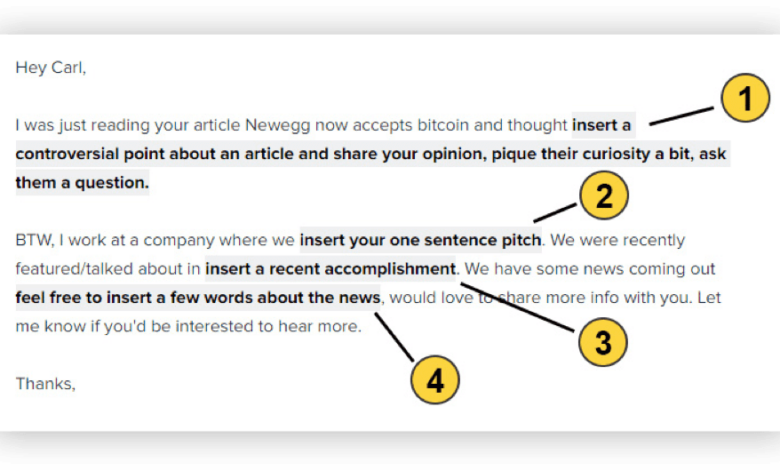
Story Pitch Examples A Comprehensive Guide
Story pitch examples take center stage in this guide, offering a deep dive into crafting compelling narratives for various media. We’ll explore compelling opening lines, different presentation formats, and the importance of clarity and conciseness. This guide also delves into techniques for capturing attention, highlighting unique selling points, and comparing various pitch formats. Understanding these fundamentals is crucial for success in pitching your story.
From novels and short stories to films and video games, we’ll analyze successful pitches across genres and media, dissecting the elements that make them stand out. We’ll also provide a template for constructing your own pitch, along with techniques for outlining plot points, developing characters, and using dialogue effectively. Ultimately, we’ll cover strategies for feedback and revision, enabling you to refine your pitch for maximum impact.
Understanding Story Pitches: Story Pitch Examples
Crafting a compelling story pitch is crucial for securing attention and funding. A well-structured pitch not only highlights the unique narrative but also showcases the potential of the project. Effective pitches are concise, engaging, and leave a lasting impression on the listener.A successful pitch goes beyond simply describing a story; it’s about communicating the emotional core and potential impact of the narrative.
It’s a concise presentation that captivates the audience and leaves them wanting more.
Compelling Opening Lines
A captivating opening line immediately grabs the reader’s attention and sets the tone for the entire pitch. A strong opening can make or break a pitch. Here are some examples:
- Imagine a world where…
- A forgotten secret unearthed…
- A single act of defiance…
- Lost in the labyrinth of…
- A tale of resilience unfolds…
Different Pitch Formats
Different pitch formats cater to varying contexts and audiences. Understanding these formats is crucial for tailoring the pitch to the specific situation.
Looking for killer story pitch examples? A strong pitch is key, but a crucial part of that is building your email list! To effectively reach your audience and keep them engaged, you need a robust strategy for growing your opted-in email collection, like grow opted in email collection. This way, you’ll be able to send out those awesome story pitch examples directly to people who are genuinely interested, dramatically increasing your chances of success.
- Elevator Pitch: This concise format (typically 30-60 seconds) is ideal for quick introductions and initial interactions. It should highlight the core concept, key characters, and potential impact. Think of it as a snapshot of your story.
- Longer Presentation: For more in-depth discussions, a longer presentation (5-10 minutes) allows for a more detailed exploration of the narrative, characters, and setting. This format allows for a richer exposition of the plot.
Clarity and Conciseness
A clear and concise pitch is essential for effective communication. Ambiguity and lengthy explanations can deter potential collaborators.
- Avoid jargon and technical terms that might confuse the audience.
- Use strong verbs and vivid imagery to paint a picture of the story.
- Focus on the key elements and avoid unnecessary details.
Grabbing Attention
The ability to capture the listener’s attention is crucial. Employing various techniques can enhance engagement.
- Start with a hook: A surprising statement, compelling question, or intriguing anecdote can immediately draw the listener in.
- Use vivid language: Employ strong verbs, descriptive adjectives, and sensory details to bring the story to life.
- Tell a compelling anecdote: A short story or example can illustrate the core concept and its impact.
Highlighting the Unique Selling Proposition
Identifying the unique selling proposition (USP) of your story is vital for differentiation. What makes your story stand out from the crowd?
- Novelty: Is there a fresh perspective or innovative element in the story?
- Emotional resonance: Does the story evoke strong emotions or connect with universal themes?
- Specific setting: Does the setting contribute to the uniqueness of the story?
Comparing Pitch Formats
The table below highlights the key differences between elevator pitches and longer presentations.
| Feature | Elevator Pitch | Longer Presentation |
|---|---|---|
| Length | 30-60 seconds | 5-10 minutes |
| Focus | Core concept, key characters, potential impact | Detailed narrative, characters, setting, plot |
| Audience | Initial introduction, generating interest | In-depth discussion, gaining commitment |
| Depth | High-level overview | Comprehensive exploration |
Elements of a Strong Story Pitch
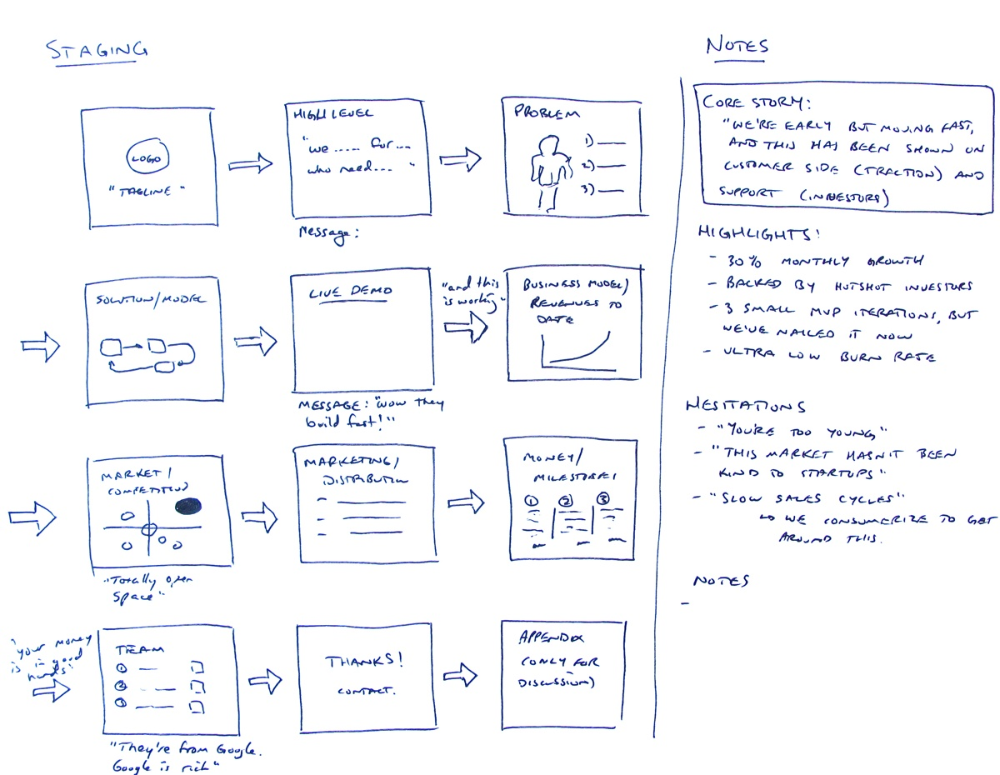
Crafting a compelling story pitch is crucial for capturing an audience’s attention and conveying the essence of your narrative. It’s a concise distillation of your project, designed to spark interest and ignite a desire to learn more. A successful pitch needs more than just a plot summary; it requires a nuanced understanding of characters, setting, and the emotional core of the story.A strong story pitch is not just about telling what happens, but aboutwhy* it happens and how it affects the characters involved.
It’s about creating an immediate connection with the listener, leaving them wanting to delve deeper into the world you’ve created. This requires careful consideration of each element, ensuring each piece contributes to the overall narrative.
Key Narrative Elements
A compelling story pitch hinges on a few crucial elements. Understanding and effectively conveying these elements is vital for a successful pitch. A clear and concise plot, relatable characters, a vivid setting, and the underlying emotional arc are essential components for any successful narrative.
Strong Character Development
Characters are the heart and soul of any story. A compelling pitch requires showcasing characters with depth and complexity. This isn’t about listing every detail, but highlighting those traits that make them relatable and intriguing. A character’s motivations, flaws, and inner conflicts are powerful tools for drawing the audience in. A well-developed character, even in a brief pitch, will make the audience want to know more about their journey.
For example, a character driven by a deep-seated desire for revenge will resonate with the audience far more than a character driven by a simple need for money. This desire, this driving force, will create a far greater impact.
Effective Plot Summaries
The plot is the roadmap of your story. For a pitch, you need a concise, compelling summary that highlights the key turning points and conflicts. Avoid lengthy descriptions; instead, focus on the core conflict and the protagonist’s journey. Examples of effective plot summaries include:
- A young woman inherits a mysterious journal that unlocks a hidden lineage and forces her to confront a dangerous family secret.
- A detective investigates a series of seemingly unrelated murders, only to discover a pattern linked to a forgotten prophecy.
- A group of astronauts must confront a hostile alien race while grappling with the psychological toll of space travel and isolation.
These summaries are concise, engaging, and leave the listener wanting to know more about the specifics of the story.
Setting Description
Setting plays a significant role in shaping the atmosphere and tone of a story. A well-chosen setting can enhance the emotional impact and create a deeper understanding of the characters. For a pitch, a concise description is key. Instead of lengthy descriptions, focus on the atmosphere and how it influences the characters and plot. For example, instead of saying “The old house stood on a hill,” you could say “The ramshackle house, perched precariously on the windswept hill, whispered tales of forgotten secrets.” This paints a picture in the listener’s mind without overwhelming them with unnecessary details.
Components of a Comprehensive Story Pitch
The following table Artikels the essential components for a comprehensive story pitch:
| Component | Description |
|---|---|
| Premise | The core idea or central conflict. |
| Protagonist | The main character and their driving force. |
| Antagonist | The opposing force or obstacle. |
| Setting | The environment and atmosphere. |
| Plot Points | Key events and turning points. |
| Themes | Underlying ideas or messages. |
Creating Suspense and Intrigue
Creating suspense and intrigue is crucial for a captivating pitch. This involves teasing the listener with hints of mystery and conflict, keeping them guessing without revealing too much. Use evocative language, focus on the emotional impact, and subtly hint at the larger implications of the story. Consider using a “hook” to immediately capture attention. For example, you might start with a surprising statement or a chilling detail about the setting or characters.
This can leave a lingering sense of mystery and encourage the listener to learn more.
Analyzing Successful Story Pitch Examples
Unveiling the secrets behind captivating story pitches requires dissecting successful examples across various media. This exploration delves into the common threads that make these pitches resonate, examining the core themes, strengths, and weaknesses of different approaches. By analyzing these examples, aspiring storytellers can gain valuable insights into crafting pitches that grab attention and leave a lasting impression.Successful story pitches, regardless of genre or medium, share a remarkable ability to encapsulate complex ideas in a concise and compelling manner.
They often employ vivid imagery and strong verbs to paint a picture in the listener’s mind, transporting them to the heart of the narrative. The best pitches are those that not only tell a story but also ignite the listener’s imagination, making them want to know more.
Successful Story Pitch Examples Across Genres
Understanding the effectiveness of successful pitches involves examining examples from diverse genres. Successful pitches are often characterized by a clear, concise narrative hook that quickly establishes the central conflict and protagonist. This early introduction of key elements creates intrigue and keeps the listener engaged.
- Film: The pitch for “Parasite” likely emphasized the stark class divide and escalating tension within the Korean family. The pitch’s strength might have been its portrayal of the protagonist’s calculated moves within the system, highlighted by the strong verbs used to describe the characters’ actions. A weakness could have been the pitch’s initial lack of a clear resolution, relying on the audience’s expectation of a societal commentary.
- Books: A pitch for a fantasy novel might focus on a unique magical system, showcasing the character’s struggle to control this power against a backdrop of political intrigue. Its strength would lie in the immediate establishment of the fantastical world and the relatable struggle of the protagonist. Potential weaknesses could be the perceived complexity of the world-building or the initial vagueness of the larger conflict.
- Video Games: A successful pitch for a game like “The Legend of Zelda: Breath of the Wild” probably highlighted the vast, open world and the freedom it offered players. The pitch’s strength would lie in its innovative gameplay and emphasis on exploration. Potential weaknesses could have been the difficulty in conveying the depth of the world’s lore or the complexity of the game mechanics within a brief pitch.
Comparing and Contrasting Pitches Across Media
Comparing film, book, and game pitches reveals interesting contrasts in approach. Film pitches often focus on visual storytelling, emphasizing action and emotion. Book pitches tend to delve into character development and plot intricacies, using evocative language to describe the protagonist’s journey. Game pitches often emphasize gameplay mechanics and the unique experience they offer, using strong verbs to showcase the player’s agency and control.
These differences reflect the unique demands of each medium.
- Film Pitches: Emphasize visual storytelling, strong action sequences, and emotional resonance. For example, a pitch for a sci-fi film might include a description of a breathtaking space battle or a poignant moment of human connection against the backdrop of a futuristic cityscape.
- Book Pitches: Focus on character development, plot intricacies, and world-building. A fantasy book pitch might introduce the protagonist’s journey through a treacherous forest, highlighting the conflicts with mythical creatures and the growing sense of danger.
- Game Pitches: Highlight gameplay mechanics, unique player experiences, and world-building. A pitch for a strategy game might focus on the dynamic combat system, showcasing the intricate interactions between units and resources.
Core Themes and Concepts in Successful Pitches
Successful pitches often revolve around universal themes like love, loss, ambition, and societal commentary. These pitches typically explore these themes through compelling characters and relatable conflicts.
Looking for killer story pitch examples? A strong pitch is key, no matter what you’re pitching. Thinking about Amazon and how to improve your sales strategy? Consider exploring amazon consulting services to get expert advice on maximizing your online presence and optimizing your products for Amazon’s vast marketplace. Ultimately, a compelling pitch, well-researched and tailored to your target audience, will give you a significant advantage.
- Character-Driven Narrative: Successful pitches usually feature relatable characters facing significant challenges. A pitch for a coming-of-age story might emphasize the protagonist’s struggles with self-discovery against a backdrop of societal expectations.
- Intriguing Conflict: The core of the story must present a compelling conflict that drives the narrative forward. A pitch for a thriller might focus on the protagonist’s pursuit of a missing person or the unraveling of a complex mystery.
- Strong Visual Imagery: Using vivid imagery and sensory details creates a memorable impression. A pitch for a historical fiction novel might evoke the smells, sounds, and sights of a bustling marketplace during a particular period.
Strengths and Weaknesses of Pitch Examples
Analyzing the strengths and weaknesses of successful pitches allows aspiring storytellers to learn from both successes and failures. A successful pitch should be concise, engaging, and leave the listener wanting to know more.
So, you’re looking at story pitch examples, huh? A killer pitch needs to grab attention, and that’s where a well-structured email marketing campaign can be a game-changer. Think about how a captivating email sequence can pre-sell your story, building anticipation and intrigue before the main pitch even hits the inbox. Strong story pitch examples always rely on compelling narratives, so consider how these elements can be incorporated into your email marketing strategy.
- Strengths: Clear narrative hook, strong verbs, compelling characters, vivid imagery, and relatable conflicts. For example, a strong pitch might include a clear character arc, showcasing the protagonist’s transformation throughout the narrative.
- Weaknesses: Vague plot points, underdeveloped characters, lack of originality, and insufficient sensory details. A weak pitch might fail to establish a clear conflict or leave the listener with a sense of ambiguity.
Crafting Your Own Story Pitch
Crafting a compelling story pitch is a crucial skill for writers seeking to connect with agents, producers, or publishers. A well-structured pitch can quickly convey the essence of your story, hook the listener, and inspire further interest. This guide will walk you through the process of building a strong story pitch, covering key plot points, character development, dialogue, and different pitch structures.A strong story pitch isn’t just about telling the story; it’s about selling it.
It’s a concise and engaging summary that encapsulates the core of your narrative, making the listener want to delve deeper. It’s a chance to showcase your unique voice and vision, all while keeping the audience engaged.
Creating a Story Pitch Template
A structured template is invaluable for crafting a pitch that flows logically and effectively. A good template will allow you to organize your thoughts and ensure you cover all the essential elements of your story. The template should include key components like the premise, characters, setting, plot, and a compelling hook. A well-structured template can help ensure you avoid rambling and focus on the most important aspects of your narrative.
Outlining Key Plot Points
A strong story pitch requires a clear understanding of the plot’s core elements. Identifying the inciting incident, rising action, climax, falling action, and resolution is essential. These plot points should be concisely summarized, focusing on the narrative’s core conflicts and the protagonist’s journey.
- Inciting Incident: This is the event that sets the story in motion. It creates the initial conflict and compels the protagonist to act. A clear inciting incident is crucial to grab the listener’s attention and establish the stakes of the story.
- Rising Action: This section Artikels the escalating challenges and conflicts that the protagonist faces. These obstacles should contribute to the overall narrative and lead to the climax.
- Climax: This is the pivotal moment of the story where the protagonist confronts the central conflict. The climax should be a turning point, shaping the rest of the narrative.
- Falling Action: This part shows the consequences of the climax and the resolution of immediate conflicts. The protagonist’s actions and reactions to the climax’s impact are key here.
- Resolution: This is the final outcome of the story, resolving the central conflict and providing closure for the protagonist and the narrative.
Developing Compelling Characters
Characters are the heart of any story. Creating compelling characters for a story pitch requires understanding their motivations, desires, and flaws. A compelling character is more than just a collection of traits; it’s a fully realized individual with a unique voice and journey.
- Motivation: What drives your character? What are their desires, fears, and ambitions? Understanding the motivations of your characters will bring them to life and provide depth to the story.
- Flaws: Every character has flaws. These flaws can create conflict, vulnerability, and relatability. Use these flaws to highlight the complexities of your characters.
- Unique Voice: What makes your character unique? What is their tone, style, and perspective? These unique elements contribute to their individuality and make them memorable.
Effective Use of Dialogue in a Story Pitch
Dialogue is crucial for bringing characters to life and revealing their personalities. Choose dialogue that is concise, evocative, and reveals crucial information about the characters and the plot.
- Show, Don’t Tell: Use dialogue to reveal character traits, motivations, and relationships. Avoid excessive exposition; instead, let the dialogue drive the narrative forward.
- Conciseness: Avoid lengthy descriptions in dialogue. Use impactful words and phrases to convey the essence of the conversation.
- Revealing Information: Use dialogue to reveal critical plot points or character information without explicitly stating it.
Story Pitch Structures
Different story pitch structures can effectively communicate different types of narratives. Understanding these structures will help you tailor your pitch to best highlight your story’s unique strengths.
- Problem/Solution: This structure focuses on a central problem faced by a character or group and how they overcome it. The solution should be intriguing and demonstrate the character’s journey.
- Quest: This structure involves a protagonist embarking on a journey to achieve a specific goal. The obstacles faced during the quest can be used to showcase the character’s development and the story’s stakes.
Call to Action
A clear call to action is essential to encourage further engagement from the listener. A call to action could be a request for feedback, a suggestion for further discussion, or a proposal for collaboration. This final element should leave a lasting impression.
Pitches for Different Media
Crafting a compelling story pitch requires understanding the nuances of each medium. A pitch for a novel will differ significantly from one for a video game, as the target audience, the format of storytelling, and the overall experience each medium offers are vastly different. Successful pitches acknowledge these differences, tailoring the narrative to resonate with the specific platform and its audience.Understanding the distinct requirements of various media allows writers to present their stories in the most effective and engaging manner.
Tailoring a pitch to the intended format is crucial for capturing the attention of potential publishers, producers, or developers. This tailored approach enhances the chances of securing funding or development opportunities.
Novel Pitches
Novel pitches often require a strong emphasis on world-building and character development. Readers of novels seek immersive narratives and compelling characters, therefore, a compelling synopsis that highlights the unique aspects of the story’s setting and characters is essential. Pitching a novel requires a deep dive into the world you’ve created, providing a taste of its unique features, atmosphere, and the core conflict that drives the story.
Short Story Pitches
Short story pitches, conversely, focus on brevity and impact. Given the concise nature of short stories, pitches must highlight a unique idea or a specific emotional moment that captures the essence of the entire narrative. The pitch should encapsulate the core conflict and leave a lasting impression.
Film Pitches
Film pitches demand a visual approach. The pitch should not only tell the story but also showcase its potential for cinematic adaptation. Focus on the film’s visual elements, including scenes that would visually resonate with potential viewers. Strong descriptions of the characters and their interactions are essential, emphasizing their emotional arcs and how they are portrayed in visual terms.
Television Pitches
Television pitches often need to Artikel a series of interconnected episodes. A strong television pitch needs to convey a compelling premise that can sustain an ongoing narrative arc. Focus on the characters’ journeys and the development of relationships. Highlight the themes, conflicts, and overall structure of the series, demonstrating the potential for a sustained viewing experience.
Video Game Pitches
Video game pitches must emphasize gameplay mechanics and narrative integration. The pitch needs to showcase the core gameplay loop and how the narrative intertwines with the player’s experience. Describe the world, characters, and mechanics in a way that evokes the feeling of playing the game. Highlighting the unique features of the game’s mechanics, as well as the narrative structure that will guide the player, is essential.
Target Audience, Story pitch examples
Understanding the target audience for each medium is paramount. A novel pitch for young adults will differ from a novel pitch for literary critics. The same applies to short stories, films, television, and video games. The language, tone, and plot elements must be adjusted to resonate with the intended audience.
Tone and Style
The tone and style of the pitch should reflect the tone and style of the medium. A dark, suspenseful novel will require a different pitch than a lighthearted comedy. The pitch should mirror the overall mood and feel of the final product.
Essential Elements for Each Medium
| Medium | Essential Elements |
|---|---|
| Novel | Strong world-building, compelling characters, core conflict, plot summary |
| Short Story | Unique idea, emotional impact, concise plot, character sketch |
| Film | Visual elements, strong characters, cinematic scenes, emotional arc |
| Television | Compelling premise, interconnected episodes, character development, themes |
| Video Game | Gameplay mechanics, narrative integration, unique features, player experience |
Story Pitch Feedback and Improvement
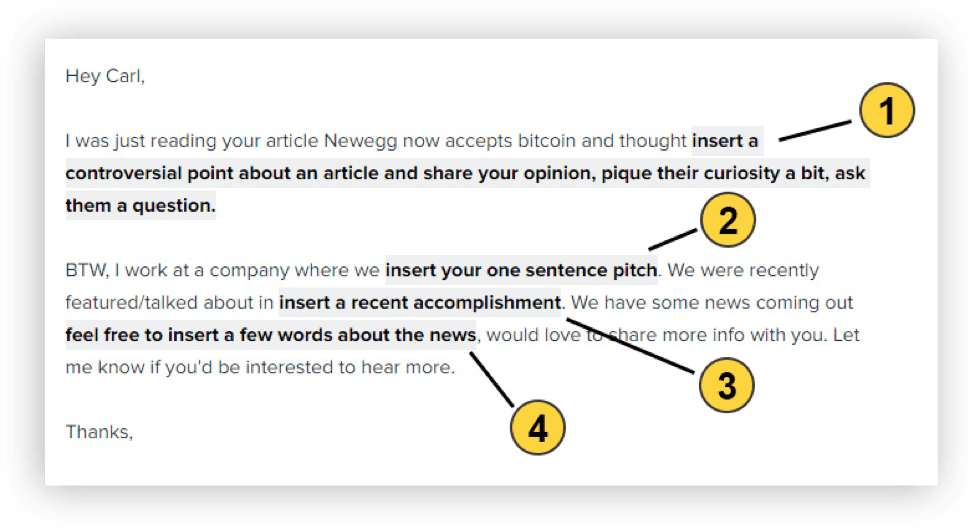
A compelling story pitch is more than just a good idea; it’s a carefully crafted narrative that captivates and convinces. Mastering the art of receiving and responding to feedback is crucial for refining a pitch to its full potential. Understanding how to analyze, revise, and adapt a pitch based on different audiences is vital for success.Effective feedback is the cornerstone of improvement.
It’s not about criticism, but about understanding what resonates and what doesn’t. Seeking feedback is a proactive step in the development process, not a sign of weakness. This section will guide you through the process of refining your pitch through feedback, revisions, and adaptation.
Methods for Seeking Constructive Feedback
A crucial element of pitch improvement is actively seeking feedback from trusted sources. This involves selecting individuals who can provide insightful commentary. Consider individuals with experience in storytelling, writing, or the specific media you are targeting. A group setting can also offer diverse perspectives, though individual feedback is also beneficial. Ask specific questions about the story’s elements.
For example, “How does the conflict between the characters feel to you?” or “What is your initial impression of the protagonist’s motivation?” Online writing communities or workshops can also provide a platform for constructive feedback.
Analyzing Feedback and Revising Pitches
Effective analysis of feedback involves understanding the specific comments. Are the critiques about the plot, characters, setting, or the overall narrative arc? Note the recurring themes in the feedback. For example, if multiple reviewers highlight a lack of clarity in the protagonist’s motivations, it signals a need for stronger character development. Break down each critique into actionable steps.
For instance, if a reviewer suggests adding more detail to the setting, consider how you can realistically add descriptive elements that enhance the story. Thoroughly consider each point, noting what works and what doesn’t. This will inform your revisions.
Common Pitfalls in Story Pitches
Pitches often suffer from vagueness, lacking specific details. A lack of clarity about the conflict, characters, or plot points can make the pitch confusing or unengaging. Another common issue is insufficient world-building, especially in longer-form pitches. If the story takes place in a unique world, details about that world are vital for establishing a strong foundation. A third issue is a lack of emotional resonance.
If the pitch fails to evoke emotion, it will not leave a lasting impression on the listener. The solutions to these problems include clarifying plot points, expanding on the world, and injecting emotion through strong characterization and narrative.
Examples of Rewriting a Weak Pitch
Imagine a weak pitch: “A princess saves the kingdom.” This is overly simplistic and lacks compelling detail. A stronger pitch might be: “A young princess, ostracized for her unique magical abilities, must overcome her fears and unite a fractured kingdom threatened by a rising dark magic.” This version introduces conflict, character development, and a clear threat, making it far more engaging.
Another example: “A detective investigates a crime.” A better version might be: “A jaded detective, haunted by a past case, must confront his demons and unravel a conspiracy involving a series of seemingly unrelated murders within a decaying metropolis.” The revision emphasizes the character’s motivations and creates a more complex narrative.
Adapting a Pitch Based on Listener Response
During the pitch process, pay close attention to the listener’s reactions. Are they engaged? Do they have questions? If the audience seems confused by a particular element, rephrase or elaborate on that point in subsequent iterations. If the audience seems intrigued, expand on those aspects of the pitch that elicited positive reactions.
This demonstrates adaptability and a genuine desire to connect with the listener.
Importance of Revisions in Story Pitch Development
Revisions are not just about fixing mistakes; they are an integral part of the creative process. Each revision refines the story, making it clearer, more compelling, and more effective. A good pitch is rarely created in one draft. The iterative process of revision allows you to hone your ideas and craft a pitch that truly captures the essence of your story.
Ending Remarks
In conclusion, crafting a compelling story pitch is a multifaceted process, requiring a blend of understanding, creativity, and strategic planning. This comprehensive guide has provided a detailed roadmap for creating compelling story pitches across various media. By mastering the elements of a strong pitch and analyzing successful examples, you’ll gain the tools necessary to effectively communicate your narrative vision.
Remember, practice and refinement are key to achieving your desired outcome.