Social Media Marketing Strategy Your Blueprint to Success
Social media marketing strategy sets the stage for a compelling journey toward online success. This comprehensive guide dives deep into the essential elements, from defining your strategy and crafting engaging content, to optimizing your platforms and building a thriving community. Understanding your target audience, choosing the right platforms, and analyzing performance are crucial steps in maximizing your ROI.
This roadmap ensures your social media efforts align with your overall business goals.
We’ll explore content creation, platform selection, community engagement, and performance measurement, ultimately providing a practical framework for building a successful social media presence. From budgeting to adapting to trends, this guide provides a complete overview of social media marketing strategy.
Defining Social Media Marketing Strategy
A social media marketing strategy is a meticulously planned approach to leveraging social media platforms to achieve specific business objectives. It’s more than just posting engaging content; it’s a comprehensive blueprint for interacting with your target audience, building brand awareness, driving traffic, and ultimately, boosting sales and profitability. It’s a dynamic process that requires ongoing adaptation and refinement based on performance data and evolving social media trends.This strategy isn’t a one-size-fits-all solution.
Each business, with its unique goals, target audience, and brand identity, needs a tailored social media marketing strategy. A successful strategy will align with the overarching business objectives, focusing on measurable results and continuous improvement.
Key Components of a Successful Social Media Marketing Strategy
A robust social media marketing strategy comprises several key components working in harmony. These components are crucial for achieving desired results and maximizing the return on investment (ROI).
- Clear Objectives and Goals: Defining specific, measurable, achievable, relevant, and time-bound (SMART) goals is paramount. Examples include increasing brand awareness by 20% in the next quarter or generating 100 leads through a social media campaign. These goals should be directly tied to overall business objectives, such as increasing revenue or expanding market share.
- Target Audience Analysis: Understanding your target audience is fundamental to creating effective social media content. This involves identifying demographics, psychographics, interests, online behavior, and preferred social media platforms. For example, a B2B company targeting entrepreneurs might focus on LinkedIn, while a company selling fashion apparel might focus on Instagram and TikTok.
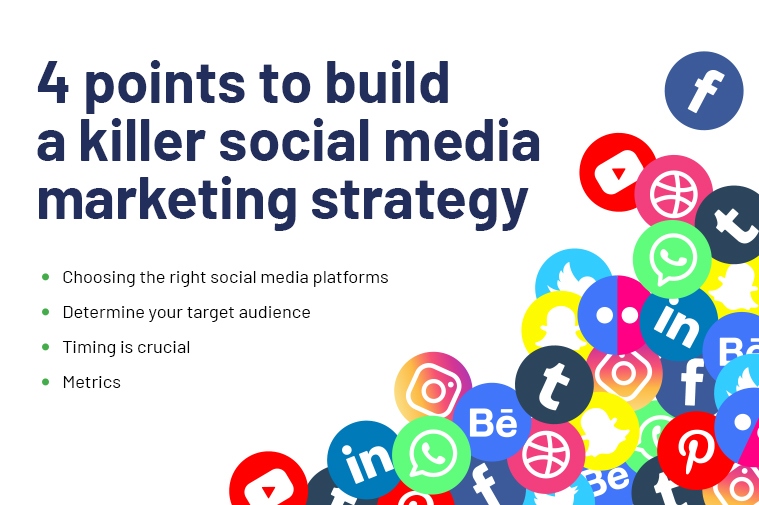
- Platform Selection and Strategy: Not all social media platforms are created equal. A successful strategy will focus on the platforms where your target audience is most active. Consider factors like platform demographics, user engagement patterns, and the nature of your content. A comprehensive approach may include several platforms, but should not spread your resources too thinly.
- Content Calendar and Strategy: A well-structured content calendar ensures consistent posting and engagement. It Artikels the types of content (e.g., images, videos, blog posts) and their posting schedule. This calendar should consider trending topics and your target audience’s interests.
- Engagement and Community Management: Active listening and engagement with your audience are essential. Respond to comments, messages, and reviews promptly and thoughtfully. Building a strong community fosters brand loyalty and advocacy.
- Performance Tracking and Analytics: Monitoring key metrics like reach, engagement, website traffic, and conversions is crucial. Tools like Google Analytics and social media platform analytics can provide valuable insights into campaign effectiveness. Adjust your strategy based on the data you collect.
Relationship Between Social Media Marketing Strategy and Overall Business Goals
A well-executed social media marketing strategy is a powerful tool for achieving overall business goals. It’s not an isolated activity but a critical component of a comprehensive marketing plan.
- Brand Awareness and Recognition: Social media platforms offer significant opportunities to increase brand visibility and recognition. Consistent posting and engaging content can establish your brand as a leader in its industry.
- Lead Generation and Customer Acquisition: Targeted social media campaigns can effectively generate leads and acquire new customers. Using social media ads and interactive content can attract potential customers and drive them towards your website.
- Customer Engagement and Retention: Social media provides a direct channel for interacting with customers and fostering relationships. This engagement leads to increased customer loyalty and advocacy. Addressing concerns and providing timely support strengthens these bonds.
Importance of Understanding Target Audience in a Social Media Marketing Strategy
A profound understanding of your target audience is the cornerstone of a successful social media marketing strategy. It allows you to tailor your content and engagement efforts to resonate with your ideal customers, ultimately maximizing your ROI.A detailed understanding of your target audience’s demographics, interests, and online behavior allows you to craft highly targeted social media campaigns. This targeted approach leads to higher engagement rates, increased brand awareness, and ultimately, greater conversion rates.
Crafting a killer social media marketing strategy hinges on understanding the fundamentals. It’s all about aligning your online presence with the core principles of marketing, like the 4 Ps—product, price, place, and promotion— the 4 Ps of marketing. Thinking through these elements helps ensure your social media campaigns resonate with your target audience and achieve measurable results.
Ultimately, a strong social media strategy needs to be rooted in solid marketing principles for maximum impact.
Content Strategy for Social Media
Crafting a compelling social media presence requires a well-defined content strategy. This strategy should be more than just a collection of posts; it’s a roadmap to achieving your marketing goals. Understanding your target audience, defining your brand voice, and choosing the right content formats are crucial steps in developing an effective strategy. It’s about connecting with your audience authentically and building lasting relationships.A robust content strategy not only increases brand visibility but also drives engagement, generates leads, and ultimately contributes to conversions.
It’s a dynamic process that needs constant monitoring and adaptation to stay relevant and impactful.
Effective Social Media Content Formats
Content formats vary greatly depending on the platform and target audience. Choosing the right format is crucial for capturing attention and driving engagement. Visual content, including high-quality images and videos, often performs exceptionally well. Interactive elements, such as polls and quizzes, can boost audience participation and encourage deeper engagement.
- Images: High-quality images are vital for grabbing attention and conveying information quickly. Use eye-catching visuals that align with your brand’s aesthetic and effectively communicate your message. Consider using stock photos or creating original graphics. Visual storytelling can create a stronger emotional connection with your audience.
- Videos: Short-form videos are extremely popular across numerous platforms. They are engaging, visually appealing, and can quickly convey complex information. Examples include product demonstrations, behind-the-scenes glimpses, or entertaining brand stories. Consider using video editing software to create compelling content.
- Infographics: Infographics effectively present data and information in a visually appealing and easily digestible format. Use clear visuals and concise text to communicate complex information or statistics in an accessible manner. They can be used to highlight product features, share industry insights, or explain complex concepts.
- Stories: Stories provide a temporary glimpse into your brand’s identity and lifestyle. They can showcase behind-the-scenes glimpses, offer exclusive content, or feature customer testimonials. These are excellent for building a connection with your audience and fostering a sense of community.
- Live Streams: Live streams offer real-time interaction with your audience. They’re a great way to engage in Q&As, host product launches, or provide live demonstrations. These opportunities offer an interactive experience that fosters a stronger relationship with your audience.
Content Creation Methods for Different Platforms
Each social media platform has its own nuances and best practices for content creation. Understanding these differences is key to optimizing your strategy.
- Instagram: Instagram excels at visual content. Use high-quality images and short videos to showcase your products or brand aesthetic. Interactive elements like polls and quizzes can also be highly effective. Leveraging trending audio and visual effects can also enhance engagement.
- Twitter: Twitter is ideal for quick updates, breaking news, and engaging in conversations. Use concise, impactful tweets that include relevant hashtags. Retweeting and engaging with other users are vital to staying top-of-mind.
- Facebook: Facebook allows for a variety of content formats, from images and videos to long-form articles and live streams. Create posts that are relevant to your target audience and encourage interaction through comments and shares.
- TikTok: TikTok thrives on short-form video content. Use trending audio, creative editing, and engaging storytelling to create viral content. Focus on capturing attention in the first few seconds of your video.
Tailoring Content for Different Platforms
Optimizing your content for each platform is essential for maximizing engagement.
- Understanding Platform Algorithms: Different platforms have different algorithms that determine which content is shown to users. Understanding these algorithms allows you to tailor your content to maximize visibility.
- Content Length and Format: Adapt your content length and format to suit the specific platform. Short, engaging videos might perform better on TikTok, while longer-form articles might be more appropriate for Facebook.
- Visual Appeal and Brand Consistency: Maintain a consistent visual aesthetic and brand voice across all platforms. This builds brand recognition and strengthens your message.
Creating a Consistent Brand Voice
Maintaining a unified brand voice across all platforms fosters recognition and trust.
- Define Your Brand Personality: Clearly define your brand’s personality, tone, and style. This guides your content creation process across all platforms.
- Develop Brand Guidelines: Create detailed brand guidelines that Artikel the specific language, style, and tone to be used in all social media posts.
- Use Consistent Brand Assets: Utilize consistent logos, colors, and fonts to reinforce brand identity across all social media channels.
Platform Selection and Optimization
Choosing the right social media platforms is crucial for a successful marketing strategy. It’s not about being everywhere; it’s about beingwhere your audience is*. A well-defined target audience and understanding their online habits are paramount. Different platforms cater to different demographics and communication styles, so selecting the most relevant ones for your business is essential. Optimization, from profile setup to engaging content, is equally important.
Analyzing platform analytics provides valuable insights into campaign performance, allowing for adjustments and refinements to maximize impact.Effective platform selection and optimization are vital for maximizing visibility and engagement. This involves careful consideration of your target audience, their preferences, and the specific features offered by each platform. This also includes a systematic approach to analyzing platform analytics to understand how your efforts are performing.
Identifying Suitable Platforms
Understanding your target audience’s digital footprint is key. Are they active on Instagram, TikTok, or LinkedIn? Consider factors like age, interests, and professional background. A B2B company targeting senior executives will likely find LinkedIn more effective than Instagram or TikTok. A clothing brand targeting teens and young adults might prioritize Instagram and TikTok.
A thorough understanding of your ideal customer profile (ICP) is the cornerstone of this decision. Analyzing where your competitors are successful can also provide valuable insight into potential platform choices.
Crafting a killer social media marketing strategy is crucial, but don’t overlook the importance of email marketing. Often, well-intentioned marketing emails end up in the spam folder. Understanding why, and how to avoid it, is key to maximizing your overall reach. Check out this helpful guide on 15 reasons marketing emails go to spam and how to fix it to ensure your email campaigns are reaching the right inboxes.
This knowledge will significantly improve your overall social media marketing effectiveness.
Optimizing Social Media Profiles
A compelling profile is the first impression. Use high-quality profile pictures and cover photos that reflect your brand identity. A concise, engaging bio that clearly states your brand’s mission and value proposition is important. Ensure that your profile links to your website and other relevant online resources. Consistent branding across all platforms reinforces recognition and trust.
Analyzing Platform Analytics
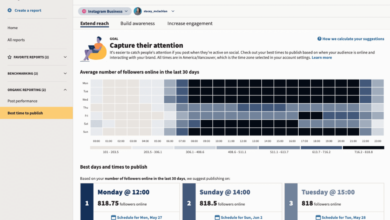
Social media analytics tools provide valuable data. Track key metrics like reach, engagement, website clicks, and conversion rates. Understanding which posts resonate most with your audience allows for strategic adjustments in content creation and scheduling. Tools like Facebook Insights, Instagram Insights, and Twitter Analytics offer detailed reports. By regularly analyzing these reports, you can refine your strategy for optimal results.
Choosing Social Media Tools
Selecting the right tools is vital for streamlining your social media workflow. Consider tools that help manage multiple platforms, schedule posts, and analyze data. Tools like Buffer, Hootsuite, and Sprout Social provide scheduling and content management capabilities. Tools like Later and Planoly offer features tailored for Instagram and Pinterest. The key is finding tools that complement your existing processes and support your team’s workflow.
Evaluate the costs and features of various tools to select the best fit for your budget and needs. Free tools are available, and often sufficient for smaller accounts. Prioritize the tools that help your team manage multiple platforms, schedule content, and analyze data efficiently.
Engagement and Community Building
Nurturing a vibrant and engaged social media audience is crucial for any successful marketing strategy. Beyond simply broadcasting content, fostering genuine connections and a sense of community among your followers is key to long-term growth and brand loyalty. Building this community requires a multifaceted approach, encompassing interactive content, timely responses, and consistent engagement strategies.Engaging your audience goes beyond posting; it’s about creating a two-way conversation.
Active listening and a proactive approach to community building will lead to higher levels of brand advocacy and stronger customer relationships. This section delves into practical strategies to cultivate a loyal and thriving social media community.
Methods to Increase Audience Engagement
A variety of methods can be employed to enhance audience engagement on social media. These range from interactive content formats to thoughtful responses to comments and messages. Implementing these techniques will encourage participation and create a more dynamic online presence.
- Interactive Content Formats: Interactive content like polls, quizzes, Q&A sessions, and live streams significantly boost engagement. These formats encourage active participation from followers, creating a more dynamic and engaging experience. For instance, a poll on your company’s Instagram feed can generate a substantial amount of interaction and feedback.
- Contests and Giveaways: Contests and giveaways are proven methods to increase audience interaction and excitement. These activities provide incentives for followers to participate and interact with your brand. Running a contest can increase brand awareness and generate a considerable amount of buzz.
- Behind-the-Scenes Content: Sharing glimpses into your company culture and daily operations fosters a deeper connection with your audience. This type of content humanizes your brand, making it relatable and trustworthy. Videos of your team collaborating or showing the production process of a product are excellent examples.
Building a Loyal and Active Social Media Community
A strong social media community is more than just a collection of followers. It’s a network of engaged individuals who feel a connection to your brand. Cultivating this community requires consistent effort and a focus on providing value.
- Respond to Comments and Messages Promptly: Responding to comments and messages promptly demonstrates that you value your audience’s input and fosters a sense of community. A delayed response can lead to disengagement. An immediate response shows appreciation for the interaction.
- Encourage User-Generated Content: Encouraging user-generated content (UGC) is a fantastic way to build a sense of community and generate authentic content. This can include asking followers to share their experiences with your products or services or creating dedicated hashtags for user-generated content. A user-generated content campaign can increase organic reach and provide diverse perspectives on your brand.
- Run Targeted Campaigns: Identifying your target audience and crafting campaigns that resonate with them will lead to increased engagement. Consider their interests, needs, and pain points. Tailoring your content to specific audience segments will yield more positive engagement.
Examples of Interactive Content
Interactive content is a powerful tool to boost audience engagement and foster a more dynamic online presence. It creates opportunities for direct interaction with your brand.
- Polls and Quizzes: Polls and quizzes allow you to directly gather insights from your audience. They are simple to implement and can be a valuable tool for understanding audience preferences. A quiz about your product’s features, for instance, can increase brand awareness and drive traffic to your website.
- Live Q&A Sessions: Hosting live Q&A sessions with company representatives or influencers provides a platform for direct interaction and addresses audience questions. These sessions create a sense of immediacy and allow for a deeper connection with your audience.
- Contests and Giveaways: Contests and giveaways are a proven way to increase audience engagement. They encourage followers to interact with your brand and increase brand visibility. This method is very effective in generating excitement and buzz around your products or services.
Strategies for Responding to Comments and Messages
Responding to comments and messages effectively is crucial for building a positive brand image and maintaining a strong online presence. Prompt and thoughtful responses demonstrate that you value your audience.
- Prioritize Timely Responses: Responding to comments and messages as quickly as possible shows that you value your audience’s engagement. A timely response fosters a sense of community and encourages further interaction. Use a system for tracking messages to keep communication streamlined.
- Personalize Your Responses: Acknowledging comments and messages in a personalized way shows appreciation for individual interactions. This demonstrates a genuine connection with your audience. This personalization fosters a more intimate relationship with your brand.
- Address Concerns and Complaints Professionally: Handling complaints and concerns professionally is crucial for maintaining a positive brand image. Address negative feedback promptly and empathetically. Addressing concerns effectively can turn a negative experience into a positive one.
Measuring and Analyzing Performance
Tracking the effectiveness of your social media marketing is crucial for continuous improvement and demonstrating ROI. This phase involves more than just vanity metrics; it’s about understanding the data to make informed decisions and optimize your strategy. A robust measurement framework provides insights into what’s working, what’s not, and where adjustments are needed to maximize your social media impact.A successful social media strategy goes beyond posting engaging content; it requires meticulous monitoring and analysis to determine its true value.
By systematically tracking key performance indicators (KPIs) and interpreting the data, you can identify areas for improvement and demonstrate the return on investment (ROI) of your social media marketing efforts.
Key Performance Indicators (KPIs)
Understanding your social media performance requires defining specific KPIs relevant to your objectives. These metrics will serve as benchmarks for evaluating the success of your campaigns and identifying trends. A comprehensive approach includes tracking not just likes and shares, but also engagement, reach, and conversions. Examples include website traffic, leads generated, customer satisfaction, and brand awareness.
- Reach: The number of unique users who saw your content. This helps gauge the potential audience size for your posts and content.
- Engagement: Likes, comments, shares, and retweets are key indicators of audience interest and interaction with your content. High engagement suggests your content resonates with your target audience.
- Website Clicks: Tracking website traffic from social media sources is essential for assessing the effectiveness of your campaigns in driving traffic to your website. This metric shows the tangible impact on your business objectives.
- Leads Generated: If your goal is lead generation, tracking the number of leads obtained through social media channels is crucial. This directly measures the effectiveness of your campaigns in generating qualified prospects.
Interpreting Social Media Analytics
Social media analytics dashboards provide a wealth of data. The key is to interpret this data to understand what it’s telling you about your strategy. Look for patterns and trends to identify what content performs well and what doesn’t.
- Content Performance Analysis: Identify which types of posts (images, videos, text) receive the most engagement and reach. This helps tailor future content to resonate with your audience.
- Audience Segmentation: Analyze your audience demographics and interests to understand what types of content appeal to different segments. This allows for targeted content creation and improved engagement.
- Platform Performance Comparison: Compare the performance of your social media campaigns across different platforms. This helps determine which platforms are most effective for reaching your target audience.
Assessing Social Media ROI
Calculating the return on investment (ROI) for your social media marketing efforts involves quantifying the value of your social media activities.
ROI = (Gain from investment – Cost of investment) / Cost of investment
For example, if a campaign costs $500 and generates $1500 in sales, the ROI is 200%. This approach allows you to demonstrate the financial value of your social media activities. Consider the cost of content creation, social media management tools, and potential advertising expenses.
A killer social media marketing strategy needs more than just pretty pictures. You need to understand your audience and tailor your approach to drive real results. That often means focusing on product visibility, like securing the coveted Amazon Buy Box. Amazon buy box dominance can significantly boost sales, but your social media strategy should integrate with that goal.
You can’t just hope for success; you need a cohesive plan across all platforms.
Monitoring and Evaluating Campaigns
Establish a system to track the performance of your social media campaigns over time.
- Regular Reporting: Create regular reports to track key metrics and analyze trends. This data-driven approach provides insights into the effectiveness of your strategy.
- Setting Benchmarks: Establish benchmarks for your social media performance to track progress and identify areas needing improvement. This approach allows for a proactive and data-driven adjustment to your social media strategy.
- A/B Testing: Experiment with different types of content, posting times, and ad copy to identify what works best for your audience. This iterative process allows for a dynamic adjustment of your strategy.
Budgeting and Resource Allocation
A well-defined social media marketing budget is crucial for achieving desired results and maximizing ROI. It allows for strategic resource allocation across different platforms and tactics, ensuring optimal campaign performance. This section delves into the essential aspects of creating a robust budget, allocating resources efficiently, and evaluating the cost-effectiveness of various social media strategies.
Structured Approach to Budgeting
A structured approach to social media budgeting involves several key steps. First, clearly define your marketing objectives. Are you aiming for brand awareness, lead generation, or sales? Specific, measurable, achievable, relevant, and time-bound (SMART) goals will help align budget allocation with your overall business strategy. Next, conduct thorough research to understand the average costs associated with various social media marketing activities on different platforms.
This includes platform-specific advertising costs, content creation expenses, influencer collaborations, and potential agency fees.
Methods for Efficient Resource Allocation
Efficient resource allocation across social media platforms requires careful consideration. One effective method is to prioritize platforms based on their relevance to your target audience and your campaign goals. If your target audience is heavily engaged on Instagram, allocating a larger portion of your budget to Instagram advertising and content creation would be prudent. Another strategy involves allocating resources based on platform-specific performance metrics.
If a particular platform consistently generates high engagement rates and conversions, you might want to allocate more resources to that platform.
Cost-Effectiveness of Social Media Tactics
| Social Media Marketing Tactic | Cost-Effectiveness | Example |
|---|---|---|
| Paid Advertising | Can be highly effective when targeted correctly. Cost varies significantly based on platform, targeting, and bidding strategies. | A well-targeted Facebook ad campaign can drive significant leads and conversions at a relatively low cost per acquisition. |
| Content Creation | Often a lower cost compared to paid advertising. However, high-quality content often requires investment in professional tools, designers, and potentially freelance writers. | Creating engaging video content on TikTok might require investing in professional video editing software or hiring a videographer. |
| Influencer Marketing | Can be highly effective but costs can vary widely based on influencer reach and engagement. | Collaborating with a micro-influencer with a niche audience can be a more cost-effective strategy than partnering with a mega-influencer. |
Social Media Marketing Expense Management Plan
Managing social media marketing expenses requires a detailed plan. Develop a comprehensive budget that Artikels expected costs for each activity and platform. Track your spending meticulously, using spreadsheets or dedicated social media management tools. Regularly review and adjust your budget based on performance data. For instance, if a particular campaign is underperforming, you might need to reallocate funds to more effective strategies.
By monitoring your spending and optimizing your strategies, you can ensure your social media marketing budget is used effectively to achieve your desired outcomes.
Adapting to Trends and Changes
Staying ahead in the ever-evolving social media landscape is crucial for sustained success. Constant shifts in algorithms, emerging platforms, and evolving user behaviors demand a proactive and adaptable approach. This section Artikels strategies for navigating these changes and maintaining a strong online presence.Adaptability is key to maximizing the return on your social media investment. Social media is not static; it’s a dynamic environment where trends emerge, algorithms evolve, and user preferences shift.
Failing to adapt to these changes can lead to a decline in engagement, reduced visibility, and ultimately, a less effective marketing strategy.
Importance of Staying Updated with Trends
Keeping a finger on the pulse of current social media trends is essential for staying relevant and engaging your target audience. Trends are more than just fleeting fads; they represent shifts in user behavior, communication styles, and content preferences. Recognizing these trends allows for strategic alignment of your content with what resonates most with your audience.
Adapting to Changes in Social Media Algorithms and Best Practices
Social media platforms frequently update their algorithms to enhance user experience and combat spam or irrelevant content. These changes often impact organic reach and visibility. Monitoring algorithm updates and adapting content strategies accordingly is vital. A key strategy is to focus on high-quality, engaging content that resonates with the platform’s current algorithm preferences. This may involve diversifying content formats, experimenting with new content types, and adjusting posting schedules.
For example, if video is trending on a platform, incorporating more video content into your strategy can boost visibility.
Strategies for Anticipating and Responding to Emerging Social Media Platforms
Staying informed about emerging social media platforms is crucial for proactively expanding your reach and engaging new audiences. Platforms like TikTok, Instagram Reels, and others have risen to prominence quickly. Monitoring emerging platforms and their user demographics can inform strategic decisions about platform selection and content optimization. Early adoption of new platforms can provide a competitive edge, allowing you to reach audiences before competitors.
Researching audience behavior and content trends on new platforms will help you create content that resonates with them.
Plan for Ongoing Learning and Development in Social Media Marketing, Social media marketing strategy
Continuous learning and development are paramount for success in social media marketing. The field is constantly evolving, with new tools, strategies, and platforms emerging regularly. A proactive approach to learning involves subscribing to industry newsletters, attending webinars, following social media experts, and participating in online communities. Staying updated on the latest trends and algorithm changes through these resources ensures your strategy remains relevant and effective.
Regularly assessing your performance metrics and adjusting your approach based on data analysis is also crucial.
Case Studies and Examples
Social media marketing is no longer a niche strategy; it’s a crucial component of any successful business. Understanding how other companies have leveraged social media to achieve their goals is invaluable for developing a strong strategy. Examining successful campaigns across various industries provides insights into effective tactics and measurable results. Analyzing these case studies allows for adaptation and refinement of your own social media approach.Successful social media campaigns aren’t just about posting engaging content; they’re about understanding the platform, audience, and desired outcome.
These campaigns demonstrate the power of tailored strategies, audience engagement, and consistent content creation to achieve significant business growth.
Successful Campaigns in Retail
Retailers often use social media to drive sales and build brand loyalty. Visual platforms like Instagram and Pinterest are particularly effective for showcasing products and creating an aspirational brand image. Consider the campaigns of brands like ASOS, which excels at using user-generated content and influencer collaborations to create a sense of community and drive sales. Other retailers utilize live streams to showcase new products, offer exclusive deals, and engage directly with customers.
This creates a dynamic and interactive experience, driving real-time sales.
Social Media Strategies in the Tech Industry
Tech companies leverage social media to build brand awareness, attract talent, and communicate product updates. Companies like Tesla utilize engaging videos and interactive posts to highlight their innovative products. Their strategy emphasizes a combination of visual storytelling, community building, and thought leadership to effectively engage with their target audience. Similarly, software companies utilize social media to showcase their expertise and demonstrate the value proposition of their products through tutorials, case studies, and user stories.
Comparing Strategies Across Industries
A key takeaway from examining various industries is that while the platforms and specific content types may vary, the core principles remain consistent. Successful social media strategies consistently focus on understanding the target audience, tailoring content to their interests, and fostering a sense of community. For instance, a B2B software company might prioritize LinkedIn for lead generation, while a fashion brand might leverage Instagram and TikTok for brand awareness and engagement.
The successful implementation depends on the platform’s relevance to the industry and the audience.
| Industry | Platform Focus | Content Strategy | Key Goal |
|---|---|---|---|
| Fashion | Instagram, Pinterest | Visual storytelling, influencer collaborations, user-generated content | Brand awareness, driving sales |
| Technology | LinkedIn, Twitter, YouTube | Product demos, thought leadership, community building | Attracting talent, driving product adoption |
| Food & Beverage | Instagram, TikTok | High-quality food photography, recipe sharing, behind-the-scenes content | Building brand loyalty, driving foot traffic/orders |
Detailed Example: Nike’s Social Media Campaign
Nike’s social media strategy consistently focuses on inspiring and motivating their audience through athletic storytelling and endorsements from influential athletes. They create a strong sense of community by fostering user-generated content, featuring customer stories, and encouraging participation in challenges and events. Nike’s campaigns often highlight the brand’s values of determination, perseverance, and pushing boundaries. The use of compelling visuals, emotionally resonant narratives, and user-generated content helps Nike resonate with a broad audience and drive brand loyalty.
The campaigns are designed to inspire action and connect with customers on a deeper level. For example, their #JustDoIt campaign transcends the product itself, fostering a strong connection with the brand’s values.
Tools and Technologies
Social media marketing is a dynamic field, requiring constant adaptation to new tools and technologies. Choosing the right tools can significantly impact your strategy’s effectiveness, from scheduling posts to analyzing campaign performance. Understanding the available options and their strengths is crucial for achieving your objectives.Essential tools and technologies are vital for streamlining social media management and achieving optimal results.
These tools not only automate tasks but also provide valuable insights into audience engagement and campaign effectiveness. Their efficient use empowers businesses to allocate resources wisely and optimize their social media presence.
Social Media Management Tools
Social media management tools are indispensable for streamlining your social media efforts. They automate tasks, allowing you to schedule posts, monitor mentions, and engage with followers across multiple platforms simultaneously. This automation saves valuable time and resources, enabling you to focus on strategic initiatives and content creation.
- Scheduling Tools: Tools like Hootsuite, Buffer, and Sprout Social allow you to schedule posts in advance, ensuring consistent content delivery across your chosen platforms. This is particularly helpful for maintaining a regular presence and maximizing reach during peak engagement times.
- Social Listening Tools: These tools monitor social media conversations, identifying trends, brand mentions, and customer feedback. This proactive approach enables businesses to respond to concerns, engage in relevant conversations, and build stronger relationships with their audience. Examples include Brand24, Talkwalker, and Mention.
- Engagement Tools: Features for responding to comments, messages, and mentions in a timely manner are crucial for fostering positive interactions. They contribute to building a community and enhance brand reputation.
Social Media Analytics Platforms
Social media analytics platforms provide crucial insights into campaign performance, enabling data-driven decisions. By tracking key metrics like reach, engagement, and conversion rates, businesses can optimize their strategies for better results. Understanding audience behavior is vital for refining your content and targeting efforts.
- Comprehensive Reporting: Platforms like Google Analytics and Facebook Insights offer detailed reports on key metrics, allowing you to understand what’s working and what needs adjustment. These reports are essential for making informed decisions about content strategies and campaign performance.
- Performance Tracking: Regularly tracking key metrics like reach, engagement, and conversions is crucial for understanding the impact of your social media campaigns. These platforms facilitate this tracking and allow for identification of high-performing content and campaigns.
- Data Visualization: Presenting data in a visual format, such as charts and graphs, makes it easier to identify trends and patterns. This facilitates data-driven decision-making and allows for effective strategy adjustments.
Integration with Other Marketing Channels
Effective social media marketing often benefits from integration with other marketing channels. This approach allows for a cohesive brand message and enhanced customer journey. Unified strategies across different platforms and channels ensure better results.
- Email Marketing Integration: Collecting email addresses through social media sign-ups and incorporating social sharing buttons in email campaigns can enhance reach and engagement. This creates a seamless transition between social media and email marketing efforts.
- Website Integration: Social media sharing buttons on your website and social media widgets can drive traffic and boost brand visibility. Integrating these elements can lead to increased conversion rates.
- Paid Advertising Integration: Using social media platforms for paid advertising allows targeting specific demographics and interests, reaching a wider audience. This integration can effectively support your overall marketing strategy.
Ethical Considerations in Social Media Marketing
Social media marketing has exploded in popularity, offering unprecedented opportunities for businesses to connect with audiences. However, this power comes with responsibility. Ethical considerations are no longer optional but essential for building trust, maintaining a positive online reputation, and ensuring long-term success. A strong ethical foundation ensures that marketing efforts resonate authentically with audiences and avoid the pitfalls of misinformation and deceptive practices.Ethical social media marketing involves more than just avoiding blatant falsehoods.
It encompasses a nuanced understanding of transparency, accuracy, and respect for diverse perspectives. It’s about building genuine connections, fostering a positive online environment, and upholding the values of the brand and its audience.
Importance of Ethical Considerations
Ethical considerations in social media marketing are paramount for several reasons. Firstly, they build trust with consumers. Authenticity and transparency foster loyalty, encouraging repeat business and positive word-of-mouth referrals. Secondly, maintaining ethical standards protects the brand’s reputation. A single instance of unethical behavior can damage a company’s image and erode consumer confidence, potentially leading to significant financial losses.
Thirdly, ethical practices align with the evolving expectations of consumers. Today’s consumers are more discerning and actively seek out brands that align with their values.
Avoiding Misinformation and Deceptive Practices
Misinformation and deceptive practices erode trust and can have severe consequences. To avoid such pitfalls, brands should prioritize the accuracy and transparency of their content. Verify information sources before sharing any content, especially claims about products, services, or industry trends. Clearly disclose any sponsored content or collaborations. Use accurate and verifiable data in all marketing materials, avoiding exaggerations or misleading statistics.
Employ fact-checking measures before publishing any content to ensure accuracy and avoid perpetuating false information. Consumers are increasingly aware of misinformation and deceptive practices, so honesty and transparency are critical.
Strategies for Responsible Content Creation and Sharing
Responsible content creation and sharing involves several key strategies. First, promote diverse perspectives and avoid perpetuating harmful stereotypes. Respect diverse cultures, beliefs, and experiences in all content. Second, be mindful of the potential impact of content on vulnerable populations. Avoid sensationalism or exploitation.
Third, prioritize inclusivity and representation in all marketing materials. This approach not only builds a stronger brand image but also aligns with the values of a broader audience.
Building Trust and Maintaining a Positive Online Reputation
Building trust and maintaining a positive online reputation requires consistent effort and attention. Transparency in marketing communications is key. Be upfront about the brand’s values, mission, and practices. Actively engage with customers and address concerns promptly and professionally. Respond to criticism and feedback constructively, demonstrating a willingness to learn and improve.
Actively participate in online conversations, fostering a sense of community and engagement with the audience. This fosters a positive online environment, builds trust, and reinforces the brand’s commitment to ethical practices.
Epilogue
In conclusion, a robust social media marketing strategy is not just about posting; it’s about crafting a powerful narrative that resonates with your target audience. By understanding your goals, choosing the right platforms, creating engaging content, building a loyal community, and meticulously measuring results, you can transform your social media presence into a driving force for growth and success.
This guide equips you with the knowledge and tools to navigate the ever-evolving landscape of social media and achieve significant results.