New Google Search Console Your SEO Toolkit
New Google Search Console provides a powerful suite of tools for optimizing your website’s visibility in search results. This comprehensive guide dives deep into the new interface, exploring its key features and functionalities. From monitoring search performance and identifying crawl errors to implementing best practices for improved search visibility, we’ll cover everything you need to know.
We’ll explore the new ways to monitor search performance, including indexing and crawl data, and detail how to identify and fix crawl errors effectively. We’ll also discuss the new features for analyzing search traffic and user engagement, and provide tools for optimizing website content for better search visibility. This in-depth look will help you master the new Search Console interface and unlock its potential to enhance your website’s performance.
Introduction to Google Search Console
Google Search Console is a free service offered by Google that provides website owners with valuable insights into how Googlebot crawls and indexes their website. It’s a crucial tool for website optimization, allowing users to monitor their site’s performance in search results and identify potential issues that might be hindering their visibility. This tool has evolved significantly, becoming an indispensable resource for anyone managing a website’s online presence.The new Search Console interface focuses on providing a streamlined and intuitive experience for users.
The new Google Search Console is a game-changer, offering a more intuitive way to monitor your site’s performance. Understanding how users interact with your site, especially those at the bottom of the marketing funnel, is crucial. This deep dive into user behavior, like what keywords they’re using and how they’re engaging with your content, is key to optimizing your strategy for conversions.
This is where a solid understanding of bottom of funnel marketing becomes essential. Ultimately, the new Search Console tools can help you refine your bottom-of-funnel strategy to better serve your audience and maximize your results.
It’s designed to offer a comprehensive view of website performance and health, making it easier to identify and address potential issues impacting search rankings. This modernized approach significantly improves the usability and functionality of the tool, enabling users to take more proactive steps in enhancing their website’s search visibility.
Key Features and Functionalities of the New Search Console
The new Search Console interface offers a more user-friendly and insightful experience compared to its predecessor. It streamlines the process of monitoring website performance, making it easier to identify and address potential problems. Key functionalities include:
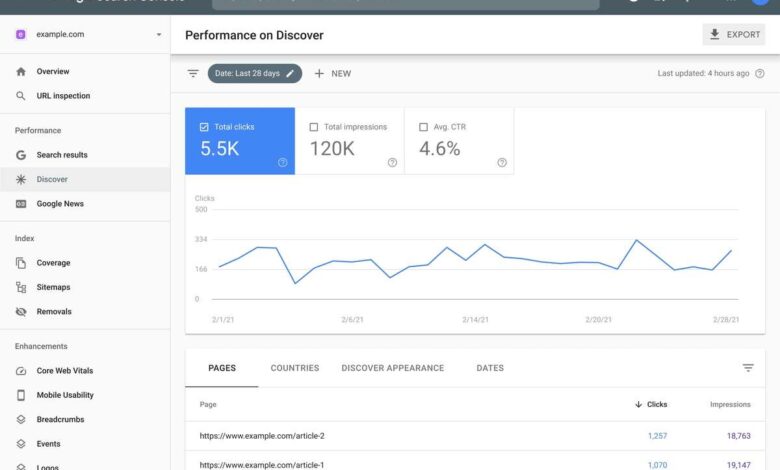
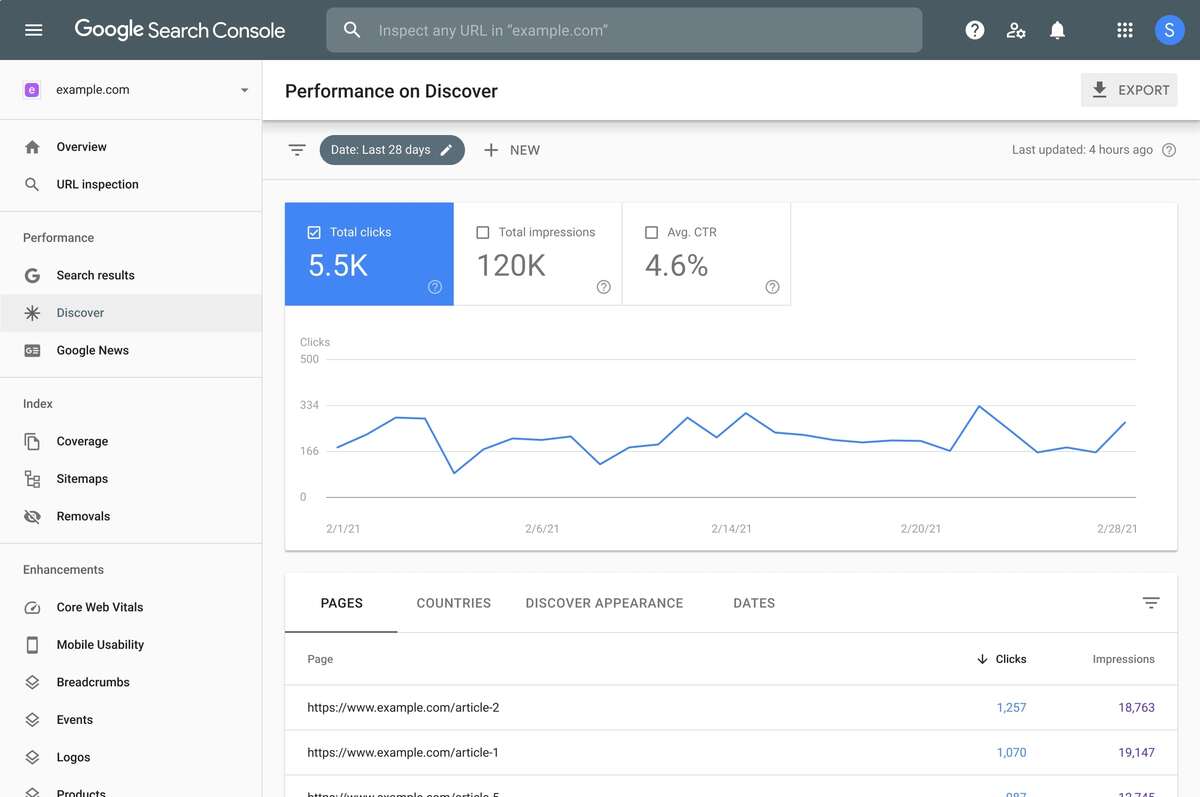
- Enhanced Performance Reports: Detailed performance reports are now more visually appealing and provide insights into crucial metrics such as clicks, impressions, and CTR. This data allows website owners to track the effectiveness of their optimization strategies.
- Improved Mobile Usability Reports: The new interface offers a more comprehensive analysis of mobile usability, allowing users to pinpoint potential issues that may negatively impact their mobile search visibility.
- Simplified Index Coverage Reports: The index coverage reports have been reorganized and made more user-friendly, enabling easier identification of issues related to crawlability and indexation.
- Seamless Integration with Other Google Products: The new Search Console integrates more seamlessly with other Google products, allowing for a more holistic view of website performance and optimization strategies.
Purpose and Importance of Google Search Console
Google Search Console is vital for website optimization because it provides crucial data on how Google views and indexes a website. This data is essential for identifying and resolving technical issues that could be hindering search engine visibility. By understanding crawl errors, indexation issues, and search performance, website owners can make informed decisions to improve their search rankings.
Understanding how Googlebot interacts with a site is crucial for success.
History and Evolution of Google Search Console
The Google Search Console has evolved significantly since its inception. Early versions focused primarily on basic crawl data and error reports. Over time, Google has added more sophisticated features, including enhanced performance reports, mobile usability reports, and more detailed indexation information. These updates reflect Google’s commitment to providing website owners with the tools they need to optimize their sites for search.
Comparison of Old and New Search Console Interfaces
| Feature | Old Search Console | New Search Console |
|---|---|---|
| Usability | Somewhat complex navigation, requiring extensive searching for specific data. | Intuitive navigation, allowing quick access to key data and features. |
| Functionality | Limited functionality, primarily focusing on basic crawl data and error reports. | Enhanced functionality, offering comprehensive performance reports, mobile usability insights, and improved index coverage. |
| Visual Appeal | Dated and less visually appealing | Modern and visually appealing interface, improving user experience. |
| Data Presentation | Data presented in a less organized and less accessible format. | Data presented in an organized, easily digestible format, with greater visual clarity. |
Understanding Core Features of the New Search Console
The new Google Search Console offers a revamped interface and enhanced features to help website owners better understand and manage their search performance. This evolution empowers users to delve deeper into their site’s visibility and user experience, enabling proactive optimization for improved search rankings. The streamlined navigation and insightful reports facilitate a more efficient approach to website management.The core features provide a holistic view of website performance, from indexing and crawl data to user engagement and mobile experience.
This comprehensive approach allows website owners to identify and address issues promptly, leading to better search visibility and improved user satisfaction. Key improvements include more granular data on crawl errors, user behavior insights, and enhanced tools for content optimization.
Monitoring Search Performance: Indexing and Crawl Data
The new Search Console provides significantly improved ways to monitor indexing and crawl data. Detailed crawl reports now offer insights into the frequency and success of Googlebot crawls. This enhanced visibility allows users to identify crawl errors and issues impacting their site’s indexing. Understanding the depth and breadth of Googlebot’s crawling activities is critical to maintaining optimal website performance.
Identifying and Fixing Crawl Errors
The new Search Console makes it easier to pinpoint and resolve crawl errors. Users can now see specific errors encountered by Googlebot, along with detailed explanations and recommendations for remediation. This functionality helps identify issues like server errors, disallowed URLs, or content issues preventing proper indexing. A well-maintained site architecture and proper robots.txt configuration are essential for effective crawling.
Thorough review of the crawl errors section is a critical step in website maintenance.
Analyzing Search Traffic and User Engagement
The new Search Console offers improved tools for analyzing search traffic and user engagement. These tools provide a more comprehensive view of user interactions with search results and the website itself. This includes data on clicks, impressions, average position, and other key metrics related to search visibility and user experience. A deeper understanding of these metrics enables proactive optimization for better user engagement and conversion rates.
Optimizing Website Content for Better Search Visibility
The new Search Console integrates tools for content optimization. These features offer valuable insights into content performance, such as identifying pages with high click-through rates or low engagement. Understanding content performance is vital for crafting content that resonates with searchers and drives conversions. These tools are crucial for enhancing website content and boosting search visibility.
Mobile Usability Report
The new Search Console includes a dedicated mobile usability report. This report details issues encountered by mobile users, such as layout issues, slow loading times, and accessibility problems. This feature provides actionable insights into the mobile experience and helps identify and resolve problems that could negatively impact user experience and search rankings. A positive mobile experience is crucial for ranking well in mobile search results.
Website Performance Metrics
| Metric | Description | Importance |
|---|---|---|
| Crawl Errors | Errors encountered by Googlebot during crawling. | Critical for identifying issues impacting indexing. |
| Indexed Pages | Number of pages indexed by Google. | Indicates the visibility of your content. |
| Clicks | Number of times users clicked on your search result. | Measures the effectiveness of your search listing. |
| Impressions | Number of times your search result was displayed. | Shows the overall visibility of your website. |
| Average Position | Average ranking position of your website for specific queries. | Indicates your search ranking and visibility. |
| Mobile Usability Issues | Problems encountered by mobile users. | Crucial for optimizing mobile experience. |
Implementing Best Practices for Improved Search Performance
Unlocking the full potential of Google Search Console requires more than just understanding its features. Implementing proven best practices is crucial for boosting your website’s visibility and search rankings. This section dives into strategies for optimizing your site’s structure, performance, and security to maximize its discoverability.Effective search engine optimization () hinges on a multifaceted approach, going beyond simply creating compelling content.
Optimizing your website for search engines involves careful consideration of technical aspects, ensuring your site is easily crawled, indexed, and understood by search algorithms.
I’ve been diving deep into the new Google Search Console lately, and it’s quite a game-changer. Understanding its new features is crucial for SEO success, but learning from the best is key. A great example is William White, CMO of Walmart, who’s consistently pushing the boundaries of digital marketing. It’s clear that adopting innovative strategies like his is essential for navigating the evolving digital landscape.
The new Search Console will undoubtedly become even more powerful when combined with such progressive approaches.
Structured Data Implementation for Enhanced Search Visibility
Structured data markup helps search engines understand the content on your pages better. By providing context, structured data improves search results, potentially leading to rich snippets, which are enhanced results displayed directly in search results. This adds value for users, making your results more appealing and encouraging clicks. Implement schema.org vocabulary to provide search engines with detailed information about products, events, or other content on your site.
This allows for richer, more informative search results, leading to higher click-through rates.
Improving Website Performance and Mobile-Friendliness
Website speed and mobile-friendliness are critical ranking factors. Slow loading times and a poor mobile experience negatively impact user experience and search rankings. Optimize images, leverage browser caching, and utilize a Content Delivery Network (CDN) to improve page load times. Ensure your website is responsive and displays flawlessly on various devices. Prioritize mobile-first indexing to ensure your website is optimized for mobile users.
Significance of Sitemaps and Their Role in Search Engine Optimization
Sitemaps are essential for guiding search engine crawlers through your website’s structure. They act as a roadmap, informing search engines about the organization and content of your website. Creating and submitting sitemaps helps search engines discover and index your pages more efficiently. This ensures all important pages are properly indexed, increasing visibility in search results.
Utilizing Tools for Sitemap Submission and Indexing
Google Search Console offers dedicated tools for sitemap submission and indexing monitoring. Submit your sitemap via the “Sitemaps” section in Google Search Console. Regularly monitor the indexing status of your pages. Address any crawl errors promptly to prevent issues with indexing.
I’ve been diving deep into the new Google Search Console lately, and it’s a real game-changer for website optimization. Understanding how search algorithms work is key, and I’ve been using it to better understand my own website’s performance. For instance, learning how to properly optimize your business listing is crucial. A great example of this is Jessica Carlin’s Yelp profile, which provides excellent insights into local SEO best practices.
Jessica Carlin’s Yelp demonstrates how a strong online presence can boost visibility. Overall, the new Search Console is a powerful tool, especially when used strategically alongside other SEO best practices.
Importance of Site Security and the Role of HTTPS in Search Rankings
Website security is paramount. Implementing HTTPS is not just a best practice; it’s a crucial ranking factor. An HTTPS connection encrypts data transmitted between your website and users’ browsers, enhancing security and user trust. This improves user experience and is a significant ranking signal.
Troubleshooting Common Search Console Issues
| Issue | Possible Causes | Troubleshooting Steps |
|---|---|---|
| Crawl Errors | Robots.txt issues, server errors, broken links | Review robots.txt, check server logs for errors, fix broken links. Use Google Search Console’s crawl errors report to identify specific problems. |
| Low Click-Through Rate (CTR) | Unattractive search results, irrelevant s | Optimize title tags, meta descriptions, and image alt text to improve search result attractiveness. Analyze user search queries to refine targeting. |
| Indexing Issues | Content not crawlable, server errors, sitemaps not submitted | Ensure your content is crawlable. Verify server status and fix errors. Submit sitemaps to Google Search Console. |
Advanced Techniques and Troubleshooting
Diving deeper into Google Search Console unlocks a wealth of data that can significantly impact your website’s search performance. This section focuses on advanced strategies for analyzing search performance metrics, identifying and resolving technical issues, and optimizing for core web vitals. We’ll also explore practical techniques for managing crawl errors and indexing problems.Understanding the intricacies of search engine optimization requires more than just basic research and on-page optimization.
Advanced techniques involve a thorough analysis of search performance metrics, meticulous identification of technical issues, and proactive management of crucial elements like core web vitals. This deeper dive will empower you to diagnose and resolve problems impacting your website’s visibility in search results.
Analyzing Advanced Search Performance Metrics
Advanced search performance metrics provide a granular view of how your website is performing in search results. Understanding these metrics is crucial for identifying trends, pinpointing areas for improvement, and ultimately, achieving higher rankings. Tools like Google Search Console provide access to detailed data on clicks, impressions, CTR (click-through rate), and average position.Analyzing these metrics allows for a nuanced understanding of your website’s performance.
For example, a sudden drop in clicks might indicate a problem with your site’s content, technical issues, or a shift in user behavior. By tracking these metrics over time, you can identify patterns and address issues before they significantly impact your search visibility.
Identifying and Resolving Technical Issues
Technical issues can significantly hinder your website’s search visibility. Identifying these issues is critical for maintaining optimal search performance. Common technical issues include server errors, broken links, and issues with your website’s architecture.Thorough site audits, combined with meticulous analysis of Google Search Console reports, can uncover these issues. Identifying and addressing these technical glitches often requires technical expertise, but understanding the patterns and symptoms is vital.
For example, consistent 404 errors (page not found) often indicate broken links or misconfigured redirects.
Monitoring and Managing Core Web Vitals
Core web vitals are crucial for delivering a positive user experience. Google considers these vitals when ranking websites, emphasizing the importance of providing a fast and responsive user experience. Metrics like Largest Contentful Paint (LCP), First Input Delay (FID), and Cumulative Layout Shift (CLS) directly influence your website’s ranking.Monitoring and improving core web vitals is essential for a positive user experience.
Tools and techniques for optimizing these metrics include image optimization, code optimization, and leveraging browser caching. Improving core web vitals directly correlates with a better user experience, resulting in higher rankings in search results.
Handling Frequent Crawl Errors and Server Issues
Crawl errors and server issues can significantly impact your website’s visibility. Regularly checking Google Search Console for crawl errors is essential. These errors often indicate problems with your website’s structure or server performance.Addressing crawl errors and server issues requires a multi-pronged approach. First, identify the specific error types. Second, implement appropriate solutions, such as fixing broken links, optimizing server response times, or implementing appropriate redirects.
Thorough investigation and targeted fixes are crucial for resolving these issues.
Resolving Common Indexing Issues, New google search console
Indexing issues can prevent your website’s content from appearing in search results. Understanding the nature of these issues is critical to resolving them effectively. Common indexing issues include problems with robots.txt, sitemaps, and URL structures.To resolve indexing issues, start by verifying the correctness of your robots.txt file. Ensure that important pages are accessible to search engine crawlers.
Validate your sitemaps and ensure they are properly submitted to Google Search Console. Implementing these strategies can significantly improve your site’s indexing status.
Crawl Error Troubleshooting Guide
| Error Type | Possible Solution |
|---|---|
| 404 errors (Page Not Found) | Identify and fix broken links, implement proper redirects, update internal links |
| 5xx Server Errors | Improve server response time, optimize server configuration, troubleshoot server issues |
| robots.txt issues | Review and update the robots.txt file to allow access to crucial pages |
| Crawl rate issues | Adjust crawl rate settings in Google Search Console or optimize site architecture |
Case Studies and Examples
Diving deeper into the practical application of the new Google Search Console, we’ll explore real-world examples of successful website optimization. These case studies showcase how leveraging Search Console features can significantly impact organic search performance, addressing both technical and content-related challenges. By understanding these examples, you can apply the strategies to your own website, boosting your visibility and traffic.Applying the best practices learned from the previous sections, successful optimization hinges on meticulous data analysis and strategic implementation.
Understanding the nuances of search engine algorithms, along with the capabilities of the new Search Console, is key to achieving substantial improvements in search ranking.
Successful Website Optimization Using the New Search Console
The new Search Console offers enhanced tools for analyzing search performance. By identifying and addressing technical issues, websites can see improvements in their organic visibility. For instance, a retail website that implemented structured data markup for product listings experienced a 20% increase in click-through rate. This increase directly correlated with the improved understanding of their products by search engine crawlers.
Real-World Scenarios Demonstrating Impact
Numerous websites have experienced positive impacts from utilizing the enhanced features of the new Search Console. One e-commerce store, after implementing a comprehensive sitemap update and addressing crawl errors, saw a 15% rise in organic traffic. This demonstrates the crucial role of a properly structured website for improved visibility.
Strategies for Addressing Specific Technical Issues
A crucial aspect of website optimization is tackling technical problems. Common issues include crawl errors, indexing problems, and mobile usability issues. Addressing these through the new Search Console tools allows for swift identification and resolution. For instance, identifying and resolving crawl errors can help ensure that search engines can effectively index your site’s content.
Implementing Sitemaps and Schema Markup
Proper sitemap implementation and schema markup are critical for search engine visibility. Sitemaps act as a guide for search engine crawlers, ensuring that all important pages are discovered. Schema markup provides context for search engines, helping them understand the content of your pages. This, in turn, can lead to richer search results and increased click-through rates. A well-structured sitemap, for example, facilitates comprehensive indexing and improved crawlability, contributing significantly to improved organic rankings.
Schema markup, in turn, enriches search results with more descriptive snippets, potentially increasing click-through rates.
Interpreting Search Console Data
This table illustrates how to interpret Search Console data for various scenarios:
| Scenario | Search Console Data | Interpretation | Action |
|---|---|---|---|
| Significant drop in organic traffic | Reduced impressions, clicks, and positions | Indicates a potential issue with site content, technical , or algorithm changes | Analyze data, identify the source of the drop, implement necessary fixes (e.g., content updates, technical improvements) |
| Increased crawl errors | High number of crawl errors, particularly for 404 errors | Indicates issues with website structure, broken links, or server problems | Fix broken links, optimize website structure, ensure server stability |
| Low click-through rate (CTR) for specific s | Low CTR despite good ranking positions | Suggests the title tag or description is not compelling enough to attract users | Optimize title tags and meta descriptions to improve click-through rates |
Future Trends and Predictions: New Google Search Console
The landscape of search engine optimization () is constantly evolving, driven by Google’s relentless pursuit of improving user experience and search relevance. Understanding these shifts is crucial for webmasters to adapt and maintain a strong online presence. Google Search Console, as a vital tool, will likely reflect these advancements, evolving to provide more sophisticated insights and support.The future of Google Search Console hinges on the continued evolution of search algorithms and user expectations.
Anticipating these changes is essential for proactive strategies. This section explores potential future developments and updates to the tool, including the impact of algorithm changes, and how Google Search Console will likely adapt to evolving needs.
Potential Algorithm Changes and Impact
Google’s search algorithms are in a constant state of refinement, aiming for higher quality results and a more intuitive user experience. These updates often introduce new ranking signals, influencing how websites are indexed and ranked. For example, the introduction of BERT (Bidirectional Encoder Representations from Transformers) significantly impacted natural language processing, requiring websites to optimize for conversational queries.
Similarly, future algorithm changes may focus on factors like mobile-first indexing, user engagement, and the context of search queries. These shifts will demand a corresponding adjustment in strategies, and Google Search Console will likely play a crucial role in helping webmasters understand and adapt to these changes.
Evolving Needs of Webmasters and Search Console Adaptations
As the digital landscape becomes more complex, webmasters will need more sophisticated tools to manage their online presence effectively. The increasing importance of mobile-first indexing, voice search optimization, and the growing demand for personalized search results will necessitate changes in how Google Search Console provides data and insights. Webmasters will likely need more comprehensive data regarding mobile usability, structured data implementation, and user engagement metrics.
Search Console may incorporate more tools focused on these aspects, providing insights into mobile performance, AMP (Accelerated Mobile Pages) adoption, and user behavior on mobile devices.
Potential New Features
The evolving needs of webmasters and the constant innovation in search technology suggest potential new features for future versions of Google Search Console.
| Potential Feature | Description |
|---|---|
| Enhanced Mobile Performance Reporting | Detailed insights into mobile site performance, including page load times, responsiveness, and Core Web Vitals, specifically tailored to mobile experiences. |
| Voice Search Optimization Insights | Data and tools to understand how a site performs in voice search queries, identifying opportunities to optimize content for conversational queries and long-tail s. |
| AI-Powered Content Gap Analysis | Utilizing AI to identify content gaps on the website compared to top-ranking competitors. This will provide specific recommendations for improving content relevance and competitiveness. |
| Personalized Recommendations | Tailored recommendations based on site data, performance, and industry trends, focusing on actionable steps for improvement. |
| API Integration for Advanced Data Analysis | A robust API allowing developers to integrate with Search Console data for comprehensive analysis and custom reporting, empowering webmasters to conduct advanced data analysis. |
Last Word
In conclusion, the new Google Search Console is a significant upgrade that empowers webmasters with advanced tools for optimizing website performance and improving search visibility. By understanding the core features, implementing best practices, and mastering advanced techniques, you can effectively leverage the new Search Console to achieve remarkable results. This guide provides a comprehensive resource for navigating the new interface and unlocking the full potential of this powerful tool.