How to Structure Your SEO Team A Comprehensive Guide
How to structure your seo team – How to structure your team is crucial for success in today’s digital landscape. This guide delves into the essential elements for building a high-performing team, from defining roles and responsibilities to optimizing workflows and managing budgets. We’ll explore various team structures, discuss critical tools, and Artikel essential training and development strategies to ensure your team consistently delivers results.
Crafting a well-structured team is more than just assembling individuals. It’s about aligning roles with specific goals, ensuring effective communication, and fostering a culture of continuous learning. This guide provides a practical roadmap for creating a dynamic and productive team.
Team Composition and Roles
Building a high-performing team requires careful consideration of roles, responsibilities, and team structure. A well-defined structure ensures that each team member has clear expectations and that tasks are effectively distributed. This approach maximizes individual strengths and ensures that the team as a whole delivers optimal results.The ideal team composition should reflect a variety of skills and expertise.
This diversity enables the team to tackle a broad range of challenges and adapt to changing market conditions. A centralized structure can offer greater control and coordination, while a decentralized model allows for greater autonomy and faster response times. The choice of structure should be aligned with the specific needs and goals of the organization.
Ideal Team Roles
Defining specific roles within an team is crucial for productivity and efficiency. Each role should have clear responsibilities, allowing team members to focus on their designated tasks and avoid duplication of effort.
- Specialist: This role focuses on the execution of strategies, including research, on-page optimization, and technical audits. The Specialist implements strategies designed by the Manager and reports on the progress and results of their tasks. This role often requires hands-on experience with various tools and platforms.
- Manager: The Manager is responsible for developing and implementing overall strategies. This includes setting goals, creating a detailed plan, and overseeing the execution of the plan by the Specialist. The Manager also monitors performance, analyzes results, and provides recommendations for improvement.
- Content Strategist: This role focuses on creating and optimizing content for search engines and users. The Content Strategist works closely with the team and content creators to ensure content aligns with goals. This role often requires strong writing skills, an understanding of target audiences, and experience with content management systems.
- Technical Specialist: This role focuses on ensuring the technical aspects of a website are optimized for search engines. This includes site speed, mobile-friendliness, and ensuring the site is crawlable and indexable by search engines. They often work closely with web developers to implement necessary changes.
Team Structures
Different team structures offer unique advantages and disadvantages.
- Centralized Structure: A centralized structure places all responsibilities under a single manager. This offers tight control and coordination, especially beneficial for smaller teams or companies with limited resources. However, it may lead to bottlenecks and slower decision-making processes.
- Decentralized Structure: A decentralized structure distributes responsibilities across various teams or departments. This allows for greater autonomy and quicker response times, often fostering innovation and adaptability. However, it can create challenges in maintaining consistency and coordination across different teams.
Role Breakdown
This table Artikels the various roles within an team, their core tasks, required skills, and reporting structure.
| Role | Responsibilities | Key Skills | Reporting Structure |
|---|---|---|---|
| Specialist | research, on-page optimization, technical audits, reporting on performance. | tools, analytical tools, content writing, technical knowledge | Manager |
| Manager | Developing strategies, overseeing implementation, performance monitoring, and analysis. | strategy, project management, leadership, analytical skills | (Often reports to a higher level marketing or business management role) |
| Content Strategist | Creating high-quality content, optimizing content for search engines, collaborating with the team. | Content creation, best practices, understanding target audience | Manager or Content Marketing Manager |
| Technical Specialist | Ensuring technical aspects of website are optimized for search engines, collaborating with developers. | Technical knowledge, website architecture, HTML, server-side code | Manager or CTO |
Skills and Experience
A diverse skill set is essential for a successful team. Strong analytical skills, technical proficiency, and excellent communication are vital for success. Experience with tools, content creation, and website analytics are also highly valuable.
Defining Team Goals and Objectives
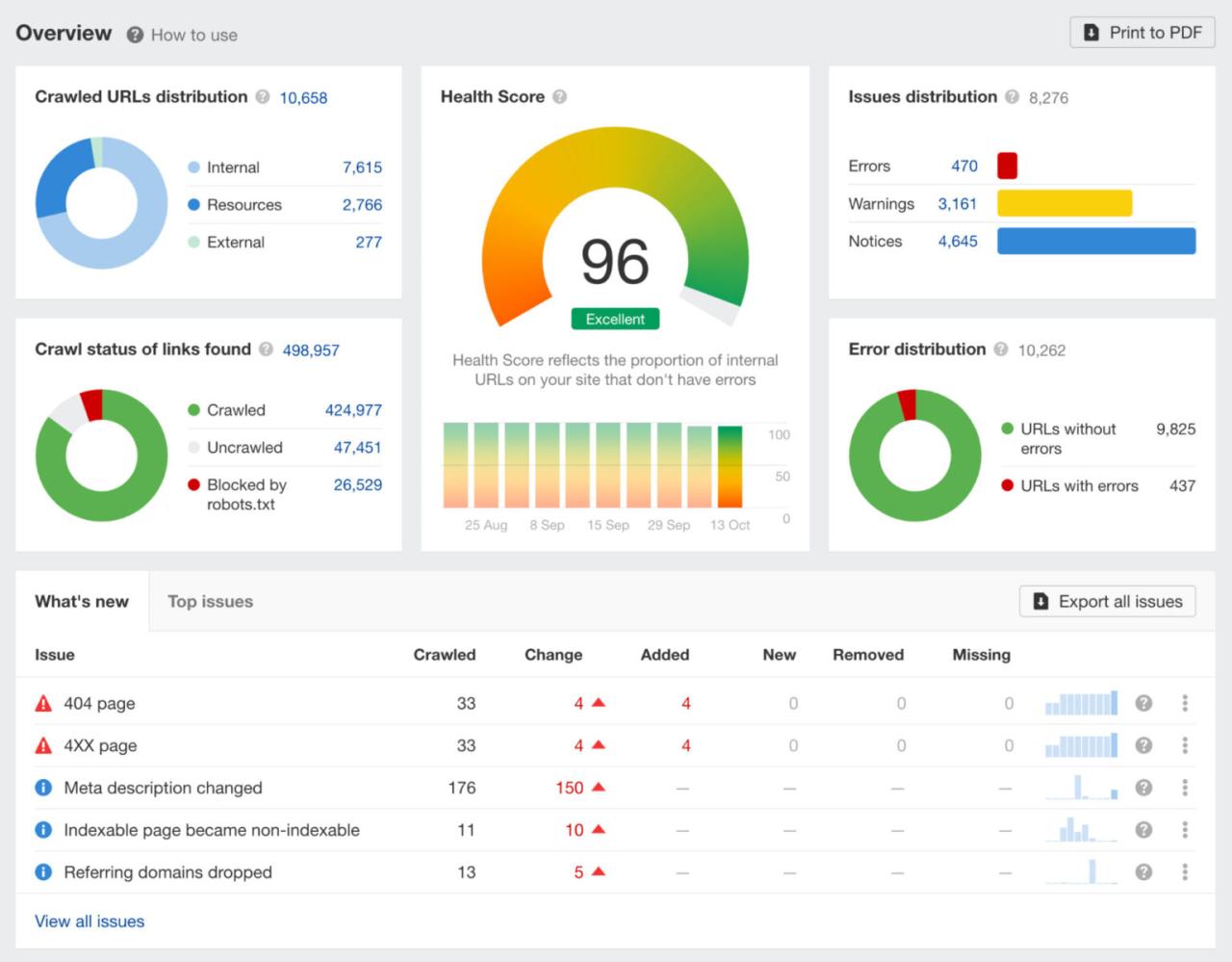
Building a successful team hinges on clearly defined goals and objectives that align with overall business strategies. These goals serve as a roadmap, guiding the team’s efforts and ensuring they contribute directly to the company’s success. Without clear direction, even the most talented team can struggle to achieve meaningful results.Defining these goals is not just about setting targets; it’s about understanding the “why” behind the “what.” It’s about connecting efforts to broader business objectives, ensuring everyone is working towards the same strategic vision.
This clarity fosters accountability and allows for effective tracking and measurement of performance.
Establishing Measurable Goals
Defining measurable goals requires a deep understanding of the business’s overall objectives. For example, if the company aims to increase revenue by 20% in the next quarter, goals must directly support this objective. This might involve increasing organic traffic by 15% or improving conversion rates on specific landing pages. These are quantifiable metrics that can be tracked and measured, allowing the team to demonstrate the impact of their work.
SMART Goals
SMART goals are crucial for teams. They provide a framework for setting realistic and achievable targets. SMART stands for Specific, Measurable, Achievable, Relevant, and Time-bound. A poorly defined goal like “improve website rankings” is vague and unmeasurable. A SMART goal would be “Increase organic traffic to the ‘new product’ landing page by 20% within the next three months.” This is specific, measurable, achievable (if resources are allocated appropriately), relevant to business objectives, and time-bound.
Performance Tracking Framework
A robust framework for tracking team performance is essential for demonstrating value and identifying areas for improvement. This framework should incorporate regular reporting, key performance indicators (KPIs), and progress analysis. Weekly or monthly reports summarizing key metrics, identifying trends, and highlighting successes or areas needing attention are crucial. These reports should be accessible to stakeholders and team members alike.
Prioritizing Tasks and Projects
Prioritization is vital for an effective team. Projects should be evaluated based on their alignment with business objectives, potential impact, and resource availability. A project focused on optimizing a high-traffic product page with high conversion potential would likely be prioritized over optimizing a page with low traffic. Understanding which projects have the greatest impact on overall business objectives is critical for proper prioritization.
Metrics Tracking Table
This table Artikels various metrics and how to track them. Consistent monitoring of these metrics allows for a deeper understanding of performance and identifies areas for improvement.
| Metric | Definition | Tracking Method | Target Value |
|---|---|---|---|
| Organic Traffic | Visits to the website from search engine results pages (SERPs). | Google Analytics, Search Console | Increase by 15% in Q3 |
| Rankings | Position of website pages for specific s in search results. | Rank Tracker, SEMrush | Improve ranking for target s by 10 positions. |
| Conversion Rate | Percentage of website visitors who complete a desired action (e.g., making a purchase). | Google Analytics | Increase by 5% in the next quarter |
| Bounce Rate | Percentage of visitors who leave the site after viewing only one page. | Google Analytics | Reduce by 10% over the next quarter |
Process and Workflow Optimization
Optimizing processes is crucial for a team’s efficiency and success. A well-defined workflow ensures consistent performance, prevents bottlenecks, and allows for effective collaboration across different departments. This section details the critical components of a robust workflow, from project management to task prioritization and knowledge sharing. Clear communication channels and a standardized approach to handling requests are vital for maximizing output and minimizing errors.
Managing Projects and Tasks
A structured approach to project management is essential for staying on track and achieving goals. Using project management tools like Asana, Trello, or Jira can streamline task assignment, deadlines, and progress tracking. These tools provide a centralized platform for team members to access information, collaborate, and update project status. Clear task descriptions, including specific deliverables and deadlines, are key for preventing misunderstandings and ensuring projects are completed effectively.
Establishing a project review process, such as weekly or bi-weekly meetings, allows for progress monitoring, problem identification, and course correction.
Communication Protocols
Efficient communication is the cornerstone of a high-performing team. Implementing clear communication protocols, such as standardized email templates for status updates, and designated channels for specific types of communication (e.g., Slack channels for quick questions), promotes a smooth workflow. Regular team meetings, perhaps weekly or bi-weekly, are crucial for sharing updates, discussing challenges, and brainstorming solutions. Using project management tools also facilitates communication through comments, file sharing, and direct messaging.
Prioritizing Tasks
Prioritizing tasks is crucial for focusing efforts on the most impactful activities. Tasks should be prioritized based on their potential return on investment (ROI), urgency, and dependencies. Consider factors like the current state of the website’s technical , the competition’s strategies, and the target audience’s search behavior. A matrix that weighs these factors can be created to objectively evaluate and rank tasks.
For example, a task that addresses critical technical issues might be prioritized higher than a content creation task, even if the content creation task has a higher projected ROI.
Collaboration and Knowledge Sharing
Effective collaboration and knowledge sharing are vital for a cohesive and productive team. Establishing a central knowledge base, accessible to all team members, is crucial. This could be a shared Google Drive folder, a dedicated wiki, or an internal knowledge management platform. Encouraging knowledge sharing through regular training sessions, team meetings, or peer-to-peer mentoring fosters a culture of continuous learning and skill development.
Promoting open communication and encouraging team members to share best practices and insights is essential.
Request Workflow
A well-defined workflow for handling requests from different departments ensures smooth processing and prevents bottlenecks. A dedicated form or email address for submitting requests is a good starting point. The form should include detailed information about the request, including the department, the specific needs, and desired outcomes. An internal team member is responsible for receiving and documenting these requests, ensuring all necessary details are collected.
After the request is logged, a designated team member is assigned to review it, assess its feasibility, and provide a detailed response, including timelines, budget, and expected results. The process should include a feedback loop, allowing the requesting department to provide input and the team to address any concerns.
| Department | Request Type | Team Action | Communication Channel |
|---|---|---|---|
| Marketing | Content Optimization | Assign writer, review content for | Project Management Tool |
| Sales | Research | Conduct research, report results | Email, Meeting |
| Development | Technical Audit | Review technical issues, provide recommendations | Meeting, Project Management Tool |
Tools and Technologies: How To Structure Your Seo Team
Choosing the right tools and technologies is crucial for an team’s success. Effective requires a diverse set of tools to analyze website performance, track rankings, monitor competitor activity, and more. The right tools streamline workflows, enhance collaboration, and ultimately lead to better results. Investing in the right software is not just about the initial cost, but about optimizing the team’s output and maximizing ROI.
Essential Tools
tools provide valuable insights into website performance and competitor strategies. Different tools excel in specific areas, and a comprehensive approach leveraging various tools is often more effective than relying on a single solution. For example, Ahrefs excels at backlink analysis, while SEMrush offers robust research and competitor analysis capabilities.
Comparison of Tools
Various tools cater to different needs and budgets. A comprehensive comparison considers factors such as pricing models, features offered, ease of use, and integration capabilities. For instance, a small agency might find a more affordable tool like Mangools sufficient for its needs, while a large enterprise might require the comprehensive suite of tools offered by SEMrush.
Software Integrations, How to structure your seo team
Integrating software is crucial for efficiency and data flow. Seamless data transfer between tools enables better analysis and reporting. For example, integrating Google Analytics with your chosen platform allows for a holistic view of website traffic and user behavior.
Categorized List of Essential Software
To manage the various aspects of , a diverse set of tools is essential. Each tool caters to specific needs and should be selected strategically.
- Research: Tools like SEMrush, Ahrefs, and Moz Explorer are designed to uncover relevant s and their search volume. These tools help in identifying high-value s for content creation and optimization.
- Rank Tracking: Rank tracking tools, such as Serpstat and AccuRanker, monitor rankings over time. This allows the team to see the impact of strategies on visibility and make necessary adjustments.
- Technical : Tools like Screaming Frog and DeepCrawl crawl websites to identify technical issues affecting , such as broken links or slow loading times. This helps in improving the site’s technical health and user experience.
- Competitor Analysis: Tools like Ahrefs and SEMrush provide insights into competitor strategies, including their s, backlinks, and ranking positions. This allows the team to identify opportunities and adapt their strategies.
- Content Optimization: Tools like Grammarly and Copyscape assist in content creation and optimization. They ensure high-quality, original content while helping maintain consistency.
- Backlink Analysis: Tools like Ahrefs, Majestic, and Moz provide detailed backlink profiles. This helps in understanding the quality and authority of backlinks to a website.
- Analytics & Reporting: Tools like Google Analytics, Search Console, and similar platforms are crucial for monitoring website traffic and user behavior. These tools help understand how well the website is performing in search results.
New Team Member Onboarding
Onboarding new team members to tools is crucial for efficient knowledge transfer and fast team integration. A structured training program ensures consistency and best practices.
- Initial Overview: Provide a comprehensive overview of the tools and their functionalities. This includes a detailed explanation of each tool’s purpose and capabilities.
- Hands-on Training: Conduct practical training sessions on how to use the tools effectively. Hands-on practice ensures that new team members can apply their knowledge immediately.
- Specific Task Assignments: Assign specific tasks to new team members, such as tracking s or performing competitor analysis. This allows them to learn by doing.
- Documentation and Resources: Provide access to detailed documentation, guides, and FAQs to assist new team members. This ensures easy access to information when needed.
- Regular Check-ins: Schedule regular check-ins with new team members to address any questions or concerns they may have. Regular support ensures their success in using the tools.
Team Training and Development
Investing in your team’s continuous learning and development is crucial for sustained success. A robust training program not only enhances individual skills but also fosters a collaborative environment where knowledge is shared and best practices are implemented consistently. This is vital for adapting to the ever-evolving landscape and maintaining a competitive edge.A well-structured training program ensures that your team members are equipped with the latest techniques, tools, and industry insights.
This proactive approach empowers them to handle challenges effectively and make data-driven decisions. By creating a culture of continuous learning, you can anticipate future trends and optimize your strategies for long-term growth.
Ongoing Training and Development Plan
A well-defined training plan should encompass a variety of methods to address different learning styles and needs. This should include regular workshops, online courses, mentorship programs, and opportunities for team members to attend industry conferences or webinars. This comprehensive approach ensures that everyone receives the training they need, and can tailor it to their individual needs.
Methods for Enhancing Knowledge and Skills
Several methods can be employed to enhance knowledge and skills within the team. These include:
- Attending industry webinars and conferences: These events provide access to the latest industry trends, insights, and best practices from experts in the field. The information gained from these events is immediately applicable to current campaigns.
- Online courses and certifications: Platforms like Coursera, Udemy, and Google Digital Garage offer various courses, providing structured learning experiences and certifications to validate expertise. These resources offer a diverse range of skill-based training.
- Mentorship programs: Pairing experienced team members with newer ones creates a supportive environment where knowledge can be transferred effectively. Mentorship fosters a sense of community and helps individuals develop their skills in a practical setting.
- Internal workshops and training sessions: Hosting workshops on specific topics, such as technical , content strategy, or link building, allows the team to share knowledge and learn from each other. This approach encourages knowledge sharing and helps in solving practical problems.
Importance of Continuous Learning in
The field is constantly evolving. Search engine algorithms are updated frequently, and new techniques and tools emerge regularly. Continuous learning ensures that your team remains current with these changes and adapts to new trends. This ensures the team is prepared to respond to these constant changes.
Strategies for Encouraging Knowledge Sharing Within the Team
A culture of knowledge sharing fosters a collaborative and supportive environment. These strategies can help promote knowledge sharing within the team:
- Regular team meetings: Dedicated time for team members to share insights, discuss challenges, and learn from each other’s experiences is essential. These meetings should focus on problem-solving and sharing successful strategies.
- Internal knowledge base: Creating a centralized repository of best practices, case studies, and resources ensures that information is readily available to all team members. This allows quick access to valuable information and resources.
- Peer-to-peer learning sessions: Organizing sessions where team members can teach each other specific skills or share successful strategies can significantly improve knowledge sharing. This is a great way to encourage peer support.
- Regular feedback sessions: Encourage team members to provide feedback on each other’s work and offer constructive criticism. This process is crucial for skill development and professional growth.
Sample Training Module: Technical
“Technical focuses on optimizing the website’s infrastructure and code to improve its crawlability and indexability by search engines.”
This module focuses on understanding and implementing best practices for technical .
| Topic | Description |
|---|---|
| Website Architecture | Analyzing site structure, URL structure, and sitemaps to ensure search engine crawlers can easily navigate and index the website. |
| Crawlability | Identifying and resolving technical issues that prevent search engine crawlers from accessing and indexing website content. |
| Indexability | Ensuring website content is properly indexed and displayed in search results. This includes handling canonicalization, duplicate content, and meta tags. |
| Website Speed | Optimizing website loading speed for improved user experience and search engine rankings. Methods like caching and image optimization are essential for this. |
This module can be further expanded to include specific tools and techniques for each topic, and practical exercises to reinforce learning.
Budget Allocation and Resource Management
A well-structured team needs a clear budget allocation strategy. This ensures efficient resource utilization and allows for measurable progress tracking. Proper budgeting fosters accountability and transparency, enabling the team to justify its expenses and demonstrate ROI. A comprehensive budget plan also facilitates adjustments based on performance and emerging market trends.Effective resource management within the team goes beyond simply allocating funds.
It involves carefully considering the various tasks, tools, and personnel required for optimal performance. This requires a nuanced understanding of the team’s specific needs, including skill sets, project demands, and technological requirements.
Allocating Resources to Different Team Components
A balanced allocation of resources across different team components is crucial for optimal performance. This includes dedicated budget for research, content creation, technical audits, link building, and reporting. For instance, a substantial portion of the budget might be allocated to content creation if the strategy relies heavily on high-quality blog posts and articles. Conversely, a team focused on technical might require a greater investment in tools and audits.
Figuring out how to structure your SEO team effectively hinges on understanding the nuances of your overall marketing strategy. A crucial element in this involves differentiating between public relations and marketing, which often get confused. Knowing the difference between these two areas is key to building a robust and successful SEO team, which often requires overlapping responsibilities. Understanding the specific roles within PR vs marketing, like which tasks are handled by PR and which are handled by SEO, helps streamline workflows and ultimately improves overall performance.
To dive deeper into the distinct characteristics of PR and marketing, check out this insightful piece: pr vs marketing. Ultimately, a well-structured SEO team considers these intertwined aspects for the best possible outcomes.
Justifying Team Budget
Justification of the team’s budget is vital for securing approval and demonstrating value. A well-structured budget proposal should clearly Artikel the team’s goals, the strategies to achieve them, and the expected ROI. Quantifiable metrics, such as projected website traffic increases, improved search rankings, or increased conversion rates, can strengthen the justification. Historical data on previous campaigns, showing positive results, can also be included.
Figuring out how to structure your SEO team is key, but understanding your audience is crucial. Knowing social media statistics, like the engagement rates on different platforms, can help you tailor your team’s focus. For instance, if social media statistics show high engagement on Instagram, perhaps you should allocate more resources to an Instagram-focused SEO strategy within your team structure.
This strategic approach to team organization can maximize your SEO efforts.
Furthermore, showcasing competitive analysis, demonstrating how the proposed budget aligns with industry benchmarks, is beneficial.
Figuring out how to structure your SEO team can be tricky, but it’s crucial for success. A well-organized team needs to consider various skill sets, from keyword research to technical optimization. Thinking about how visual search is impacting the digital landscape is also key; a robust SEO strategy now needs to factor in visual search and how users are finding information.
Ultimately, a flexible and adaptable team structure is essential for staying ahead of the curve and maximizing your SEO efforts.
Monitoring and Managing the Team Budget
Regular monitoring and management of the team budget are essential for staying on track and adapting to changing circumstances. This includes establishing clear spending limits for each category and regularly comparing actual expenses to the allocated budget. Implementing a detailed reporting system to track expenditures against the budget is also critical. Real-time monitoring allows for proactive adjustments and prevents potential overspending.
Tracking Budget Expenditures and Comparison
Tracking budget expenditures and comparing them to allocated funds is a critical aspect of financial management. A spreadsheet or dedicated project management software can effectively record expenses by category (e.g., tools, personnel, training). Regular reports, comparing actual spending to the budget, highlight any variances. This allows for prompt identification of potential cost overruns and facilitates necessary adjustments to maintain budgetary control.
Cost Components of Building an Team
| Cost Category | Description | Budget Allocation (Example) | Justification |
|---|---|---|---|
| Personnel | Salaries for specialists (e.g., analysts, content writers, link builders) | $80,000 | Covers core team members, essential for diverse skillsets. |
| Tools and Software | tools (e.g., SEMrush, Ahrefs, Moz) and project management software | $10,000 | Essential for efficient research, technical audits, and performance tracking. |
| Training and Development | Ongoing training, workshops, and certifications for team members | $5,000 | Keeps team up-to-date with industry best practices and new tools, increasing efficiency and knowledge. |
| Marketing Materials | Creation and distribution of marketing materials to enhance brand presence | $2,000 | Essential for outreach, link building, and brand awareness, indirectly impacting . |
Measuring Team Performance

Tracking team performance is crucial for demonstrating value, identifying areas for improvement, and motivating team members. A well-defined framework for measurement allows for consistent evaluation and informed decision-making. By focusing on both quantitative and qualitative metrics, you can gain a comprehensive understanding of the team’s effectiveness.A robust performance measurement system goes beyond simply tracking website traffic. It dives into the specific actions and strategies employed by the team, evaluating their impact on overall goals.
This allows for a more nuanced understanding of the team’s contribution and provides actionable insights for adjustments and enhancements.
Framework for Measuring Team Effectiveness
A comprehensive framework for measuring team effectiveness involves establishing clear goals and objectives, selecting relevant metrics, and consistently tracking and analyzing performance data. This framework should encompass the team’s output, the quality of their work, and the impact of their efforts on the business. Key elements include defining success criteria, setting realistic timelines, and regularly reviewing progress against those criteria.
Key Metrics to Track Team Performance
Several key metrics provide valuable insights into the team’s performance. These metrics should be aligned with the team’s specific goals and objectives. A combination of quantitative and qualitative metrics provides a more comprehensive understanding of team performance.
- Organic Search Traffic: Tracking the volume of organic search traffic is fundamental. An increase in organic traffic demonstrates the effectiveness of strategies. Monitor fluctuations in traffic and identify any correlations with specific campaigns or activities. For example, a sudden increase in organic traffic following a new content marketing campaign suggests that the campaign is successful.
- Rankings: Monitoring rankings for target s provides a clear picture of the team’s ability to improve search engine visibility. Tracking changes in rankings for targeted s allows for adjustments in strategy. A notable improvement in rankings for competitive s indicates that the team’s optimization efforts are effective.
- Conversion Rates: Measuring conversion rates from organic search traffic helps evaluate the quality of the traffic generated by efforts. A higher conversion rate suggests that the team’s efforts are attracting high-quality leads and driving conversions. For instance, an increase in conversion rates for organic search traffic after a optimization campaign shows the campaign’s success in driving qualified leads.
- Website Engagement Metrics: Analyzing website engagement metrics, such as bounce rate, time on page, and pages per session, provides insight into user experience and the effectiveness of -driven content. A decrease in bounce rate suggests that the content is engaging and relevant. For instance, if the time spent on pages increases after optimizing content for specific s, it indicates that the content is resonating with users.
- Backlink Profile: Tracking the quality and quantity of backlinks is crucial. High-quality backlinks from reputable sources signal to search engines that the website is trustworthy and authoritative. A consistent increase in high-quality backlinks signifies successful link building efforts.
Assessing the ROI of Team Activities
Assessing the return on investment (ROI) of team activities requires a clear understanding of the team’s objectives and the costs associated with their efforts. The ROI can be calculated by comparing the revenue generated through with the associated expenses. A strong ROI demonstrates the team’s effectiveness in driving business outcomes.
- Revenue Generated: Quantify the revenue directly attributable to efforts. Analyze sales data to isolate revenue streams directly influenced by initiatives.
- Cost of Activities: Document all expenses associated with activities, including personnel costs, tool subscriptions, and marketing materials.
- ROI Calculation: Divide the revenue generated by the total cost of activities to determine the ROI. A high ROI indicates that the efforts are profitable and effective in generating revenue.
Evaluating Team Members’ Contributions
Evaluating team members’ contributions involves tracking their individual performance against established metrics. This evaluation should be objective and based on measurable results. It should align with the overall team goals and objectives. Consider both qualitative and quantitative metrics to provide a comprehensive assessment.
Summary of Key Performance Indicators (KPIs)
| KPI | Definition | Target | Measurement Method |
|---|---|---|---|
| Organic Search Traffic | Volume of visitors from organic search results | Increase by 15% Q/Q | Google Analytics |
| Rankings | Position of target s in search engine results pages | Top 10 for 80% of target s | Rank tracking tools (e.g., SEMrush, Ahrefs) |
| Conversion Rate | Percentage of visitors who complete a desired action | Increase by 10% Q/Q | Google Analytics, CRM data |
| Website Engagement | Time spent on site, pages per visit, bounce rate | Maintain or improve engagement metrics compared to previous quarter | Google Analytics |
Conclusion
In conclusion, building a robust team requires a multifaceted approach. From defining clear roles and goals to optimizing workflows and managing budgets, this guide provides a comprehensive framework for success. Remember, a well-structured team, equipped with the right tools and training, is essential for achieving measurable results and driving business growth through effective strategies. By implementing the strategies Artikeld here, you can confidently navigate the complexities of and cultivate a team capable of achieving significant results.