The Big List of Google Penalties for SEO
The big list of google penalties for seo – The big list of google penalties for sets the stage for this detailed look at the ever-evolving landscape of search engine optimization. Understanding Google’s penalties is crucial for website success. This guide explores various types of penalties, their impact on rankings and traffic, and strategies for recovery. We’ll also delve into future trends and proactive measures to avoid these issues altogether.
From manual actions to algorithmic updates, Google’s penalties can significantly impact your website’s visibility and user experience. This comprehensive guide provides a detailed breakdown of common penalties, their causes, and effective recovery methods. We’ll also look at how to adapt to future trends and maintain a strong presence.
Identifying Google Penalties
Understanding Google penalties is crucial for maintaining a healthy website presence. These penalties, imposed by Google’s algorithms or through manual reviews, can significantly impact search rankings and website traffic. Knowing the types of penalties and their triggers allows website owners to proactively prevent them and swiftly address any issues.
Types of Google Penalties
Google employs various methods to identify and penalize websites violating its guidelines. These methods fall into two primary categories: manual actions and algorithmic penalties. Manual actions involve a human review process, while algorithmic penalties result from changes in Google’s algorithms. Both can have severe consequences for a website’s visibility.
Manual Actions
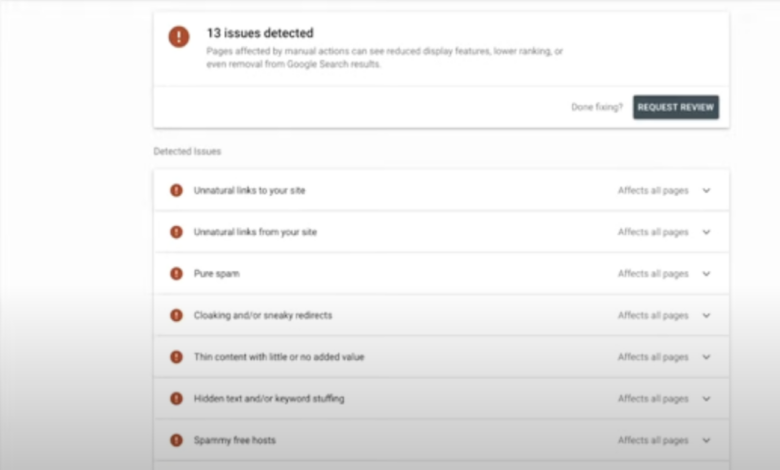
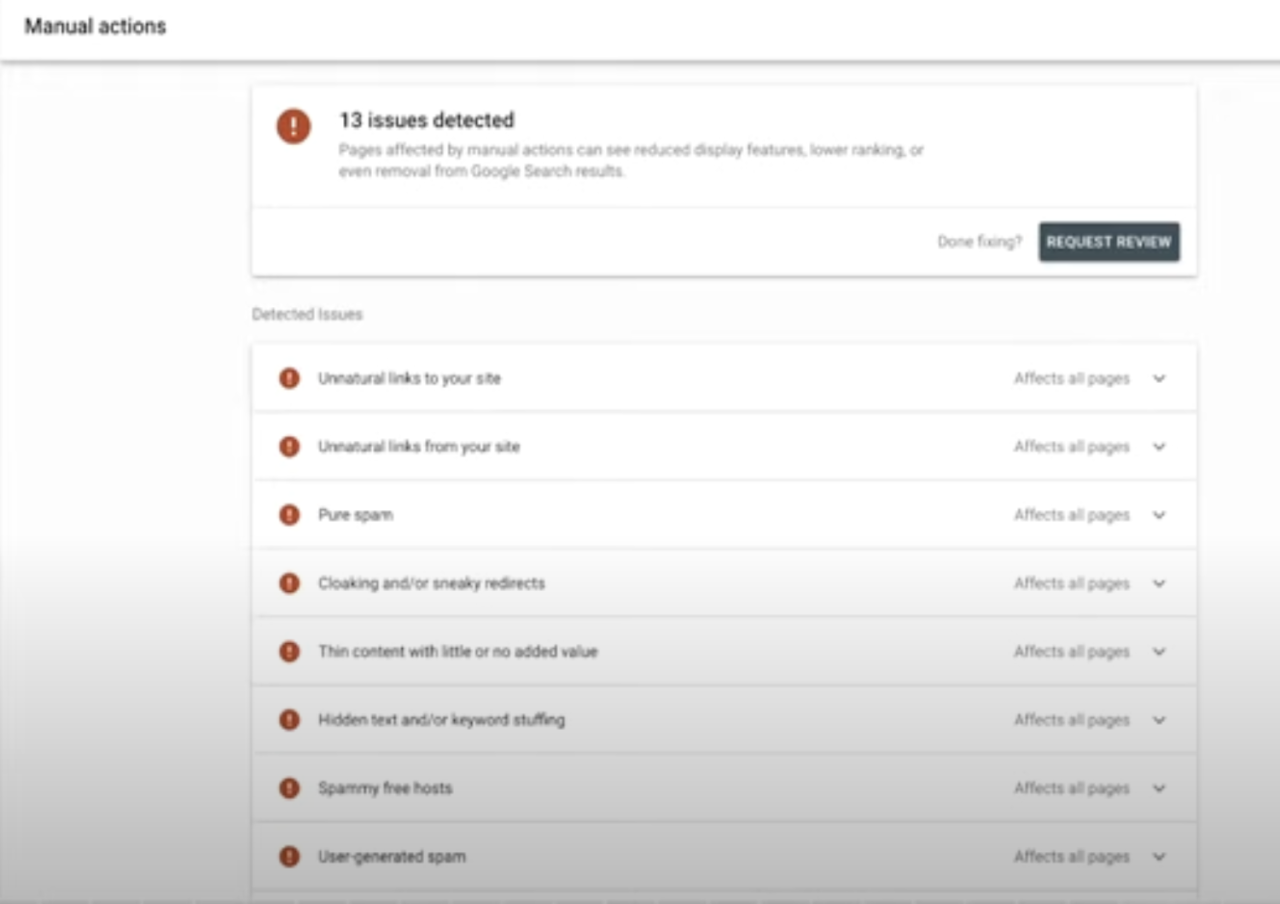
Manual actions are penalties issued by Google’s webspam team after a human review of a website. These reviews assess the website’s content, technical structure, and adherence to Google’s Webmaster Guidelines. The review process may involve checking for spammy practices, such as stuffing, link schemes, or the use of cloaked content. Understanding the specific violations leading to manual actions is critical for rectifying the situation and avoiding further penalties.
Navigating the complexities of Google penalties for SEO can be tricky. Understanding the various ways Google punishes websites for violating its guidelines is crucial. For instance, a deep dive into the work of Marc Pritchard, CBO PG, at marc pritchard cbo pg highlights the importance of ethical practices and avoiding black hat techniques. Ultimately, a robust understanding of Google’s penalty system is essential for maintaining a healthy SEO strategy.
Algorithmic Penalties
Algorithmic penalties, unlike manual actions, are not the result of a direct review. They arise from changes in Google’s search algorithms. These changes can target websites employing certain practices that are deemed harmful to the user experience or that manipulate search results. Examples include websites with poor site structure, slow loading speeds, or content that is not relevant to the search query.
These adjustments in the algorithm can impact a website’s rankings without explicit notification from Google.
Table of Google Penalties
| Penalty Type | Description | Typical Causes |
|---|---|---|
| Manual Actions | Penalties issued after a human review of a website. | Spammy content ( stuffing, cloaked content), link schemes, unnatural link profiles, manipulative techniques, doorway pages, and content duplication. |
| Algorithmic Penalties | Penalties resulting from changes in Google’s search algorithms. | Poor site structure, slow loading speed, irrelevant content, thin content, lack of mobile-friendliness, and poor user experience. |
| Penguin Penalty | Targets websites with manipulative link building strategies. | Buying links, exchanging links with low-quality sites, and creating artificial links. |
| Panda Penalty | Focuses on content quality and relevance. | Thin content, low-quality content, duplicate content, and content that does not provide value to the user. |
| Manual Action: Unnatural Links | Addresses websites with unnatural or manipulative backlink profiles. | Buying links, participating in link exchanges with low-quality sites, and creating artificial links. |
| Algorithmic Update: Core Web Vitals | Penalizes websites with poor page loading speed and poor user experience. | Slow loading times, poor mobile-friendliness, high bounce rates, and other metrics indicating poor user experience. |
Common Factors Triggering Penalties
Several factors can trigger Google penalties. Common causes include employing manipulative link building techniques, creating thin or low-quality content, and engaging in practices that harm the user experience. These practices can lead to significant drops in search rankings and potentially affect a website’s long-term viability.
Understanding Penalty Impact
Google penalties can significantly impact a website’s performance, ranging from minor disruptions to complete removal from search results. Understanding the potential consequences of various penalties is crucial for website owners to proactively mitigate risks and maintain a strong online presence. A thorough comprehension of the impact allows for informed decision-making and targeted recovery strategies.The effects of Google penalties ripple through a website’s online visibility, affecting organic search rankings, website traffic, and ultimately, revenue.
The severity of these repercussions depends on the specific penalty type and the extent of the violations. Analyzing the impact allows website owners to address issues and maintain a positive online reputation.
Potential Consequences on Website Traffic and Rankings
Google penalties, regardless of type, often lead to a decline in website traffic and rankings. This decrease in visibility can result in a substantial loss of potential customers and revenue. For example, a website penalized for manipulative link building tactics might experience a significant drop in organic search traffic, impacting its ability to generate leads and sales. This decline can be sudden or gradual, depending on the severity of the penalty.
Comparison of Penalty Impact on Organic Search Visibility
Different types of Google penalties have varying degrees of impact on organic search visibility. A manual action penalty, for instance, resulting from a clear violation of Google’s Webmaster Guidelines, can lead to a more immediate and significant drop in rankings compared to a less severe algorithm update that might result in a gradual decline. The specific impact depends on the nature of the violation and the extent of the penalty.
How Penalties Affect Website Performance and User Experience
Penalties can negatively affect website performance and user experience. A website penalized for slow loading speeds might see a decrease in user engagement, as users are less likely to wait for a sluggish website to load. This decrease in user experience can directly translate into lower conversion rates and a poor reputation. In severe cases, penalties can lead to the complete removal of a website from Google’s search index.
Table Comparing Penalty Severity and Recovery Time
| Penalty Type | Severity | Recovery Time |
|---|---|---|
| Algorithm Update (e.g., Core Update) | Moderate to Significant | Variable, potentially months |
| Manual Action (e.g., Spam Penalty) | High | Variable, depends on the extent of the violation and Google’s review |
| Manual Action (e.g., Duplicate Content) | Moderate | Variable, but usually takes time to fix the issue and demonstrate to Google |
| Manual Action (e.g., Stuffing) | Moderate to High | Variable, depends on the extent of the issue and Google’s review |
| Manual Action (e.g., Thin Content) | Moderate | Variable, but usually takes time to fix the issue and demonstrate to Google |
Analyzing Penalty Recovery Strategies
Recovering from a Google penalty can be a challenging but achievable goal. Understanding the specific penalty type is crucial, as different penalties require tailored recovery strategies. This section delves into methods for identifying penalties, actionable steps for recovery, and effective strategies for different penalty types. It’s important to remember that Google’s algorithm is complex, and recovery isn’t always guaranteed, but proactive and informed efforts significantly increase the chances of success.Effective penalty recovery involves more than just fixing technical issues; it necessitates a comprehensive approach encompassing content optimization, technical adjustments, and ongoing monitoring.
Understanding the nuances of each penalty type is key to crafting a recovery plan that addresses the root cause and fosters sustainable improvement.
Identifying Potential Penalties
Identifying potential penalties is the first step in recovery. Google doesn’t explicitly state that a site has been penalized, but there are clear signs. Monitoring website traffic, search rankings, and Google Search Console alerts are crucial. A significant drop in organic traffic, sudden ranking fluctuations, or unusual messages in Search Console are strong indicators of potential issues.
Analyzing website logs, user behavior, and referring domains can further pinpoint potential problems.
Steps to Take Once a Penalty Is Identified
Once a potential penalty is identified, immediate action is vital. First, document the situation, noting the date of the suspected penalty, the affected s, and any changes made to the website. This detailed record will be helpful throughout the recovery process. Secondly, analyze Google Search Console reports for any specific errors or warnings. Thirdly, use website analytics tools to assess the impact of the penalty on traffic and rankings.
Finally, review your website’s content, technical structure, and backlink profile for potential issues.
Knowing Google’s penalties for SEO is crucial. A big list of these penalties often includes issues with content quality, like using AI-generated content. If you’re looking to understand how to use AI generated content effectively and avoid those penalties, then diving deep into the specific guidelines is a great next step. Ultimately, understanding Google’s stance on quality content is key to a successful SEO strategy.
Strategies for Different Penalties
Different Google penalties require different recovery strategies. For example, manual actions, such as spam or manipulative link building, necessitate addressing the specific issues identified by Google. This might involve disavowing harmful links, improving content quality, and ensuring compliance with Google’s Webmaster Guidelines. Algorithm penalties, on the other hand, require a broader approach focusing on comprehensive website optimization, including content quality, technical performance, and user experience.
For example, if the penalty relates to thin content, optimizing existing pages and creating new, high-quality content will be key.
Content Optimization Strategies
Content optimization is a cornerstone of penalty recovery. High-quality, informative, and engaging content that satisfies user intent is essential. Researching relevant s and topics and creating content that answers user queries is critical. Ensure content is well-structured, readable, and free from stuffing or other spammy tactics. Conduct thorough research to identify topics relevant to the user’s search queries and create valuable content that meets user needs.
This involves understanding search intent and creating content that addresses the information users are looking for.
Technical Fixes
Technical issues can also trigger penalties. Optimizing site speed, ensuring mobile-friendliness, and implementing proper schema markup are crucial steps. A slow website or one that isn’t mobile-friendly can lead to negative user experiences and potential penalties. Address any crawl errors, broken links, and security vulnerabilities to enhance the website’s technical health. Regularly monitoring website performance is vital to proactively address any technical issues before they escalate.
Step-by-Step Penalty Recovery Guide
- Document the Situation: Record the date, affected s, and any recent website changes.
- Analyze Google Search Console: Review reports for errors or warnings.
- Assess Website Analytics: Evaluate traffic and ranking impact using tools like Google Analytics.
- Review Website Content and Technical Structure: Look for issues in content quality, technical performance, and user experience.
- Implement Content Optimization: Create high-quality, informative content that satisfies user intent. Conduct research to identify topics relevant to user queries.
- Address Technical Issues: Optimize site speed, ensure mobile-friendliness, implement schema markup, and resolve crawl errors.
- Disavow Harmful Links (if applicable): Remove or disavow any links that violate Google’s guidelines.
- Monitor Website Performance: Track progress and adjust strategies as needed.
Case Studies of Penalty Recovery
Recovering from a Google penalty can feel like climbing a mountain, but it’s absolutely achievable with the right strategy. Understanding the specific penalty type and its impact is crucial. This section delves into real-world examples, demonstrating the steps taken by websites to overcome penalties and the strategies that led to successful recovery.These case studies show that recovery isn’t a one-size-fits-all process.
Each situation requires careful analysis, tailored solutions, and a consistent commitment to ethical practices. This is not a quick fix; it’s a long-term effort.
Website A: Content-Spam Penalty
Website A, a travel blog, received a content-spam penalty. Their previous content strategy involved creating numerous low-quality, thin articles stuffed with s. This led to a significant drop in organic rankings.To recover, they focused on creating high-quality, informative content that catered to their target audience. They restructured their content calendar to prioritize comprehensive guides and in-depth travel articles.
They ensured each piece offered genuine value to readers. This approach involved research, interviews, and detailed analysis.
Website B: Manual Action for Stuffing
Website B, a product review site, faced a manual action penalty due to excessive stuffing in their product descriptions. The penalty impacted their visibility significantly, resulting in a drop in organic traffic.Their recovery strategy involved carefully analyzing their product descriptions. They meticulously removed stuffing and replaced it with natural language. The descriptions were rewritten to focus on providing genuine product reviews.
This process involved a complete overhaul of their existing product pages.
Website C: Penguin Penalty for Link Building
Website C, an e-commerce site, experienced a Penguin penalty, caused by unnatural link building practices. Their previous link building strategy focused on buying links from low-quality sources.To recover, they removed all purchased links. They prioritized building high-quality, relevant backlinks from authoritative websites. This process included outreach to relevant bloggers, influencers, and industry publications. Building relationships with these individuals became crucial to their strategy.
Content Optimization Techniques in Successful Recoveries
A crucial aspect of penalty recovery is content optimization. Successful websites implemented various techniques:
- High-Quality Content Creation: Focus on creating informative, engaging, and comprehensive content. This is essential for satisfying user intent and boosting rankings. This means researching target s and writing content that addresses specific user queries.
- Research and Integration: Identifying relevant s and naturally integrating them into content is vital. Avoid stuffing, as this can lead to further penalties.
- Technical Improvements: Addressing technical issues, such as site speed, mobile-friendliness, and crawlability, is essential. This is crucial to ensure Google can easily access and index the content.
Predicting Future Trends in Penalties
The ever-evolving landscape of search engine optimization () necessitates a proactive approach to understanding potential penalties. Google’s algorithm updates are frequently rolled out, and the nuances of these changes often impact how websites are ranked. Understanding the potential implications of these adjustments allows website owners to anticipate challenges and proactively maintain a healthy profile.Google’s search algorithm is a complex system, constantly adjusting to user behavior and search intent.
This dynamic nature makes predicting future penalties a challenging but crucial aspect of strategy. The key lies in identifying patterns, understanding the rationale behind recent algorithm updates, and anticipating how evolving user behavior will influence future ranking factors.
Emerging Trends in Penalty Policies
Google’s commitment to providing relevant and high-quality search results drives its ongoing algorithm refinements. These refinements often target manipulative tactics that compromise user experience, such as stuffing, cloaking, and artificial link building. This proactive approach will likely continue in the future.
Impact of Recent Algorithm Updates on Practices
Recent algorithm updates, such as the focus on mobile-first indexing and the emphasis on core web vitals, have significantly impacted best practices. Websites that prioritize mobile responsiveness, site speed, and user experience are more likely to avoid penalties. This trend towards user-centric optimization is expected to intensify.
Future Changes in Search Engine Algorithms and Their Implications
Future search engine algorithms will likely incorporate even more sophisticated methods for evaluating user engagement and content quality. Factors like dwell time, click-through rates, and social signals are expected to play a greater role in ranking. This will necessitate a shift in strategies, emphasizing engaging content and meaningful interactions with users.
Evolving User Behavior and Future Penalty Criteria
User behavior is constantly changing, and search engines adapt accordingly. The rise of voice search, the increased use of mobile devices, and the growing demand for immediate and relevant information will shape future penalty criteria. Websites that fail to adapt to these evolving trends risk facing penalties for failing to meet the demands of the modern search experience.
Content Optimization for Penalty Prevention: The Big List Of Google Penalties For Seo
High-quality content is the cornerstone of a successful strategy, and it’s crucial for avoiding Google penalties. A website’s content directly impacts its ranking and visibility in search results. When your content aligns with Google’s guidelines and user needs, you significantly reduce the risk of facing algorithmic or manual penalties. This section delves into the importance of creating content that’s both valuable and user-friendly, essential elements for long-term success.Effective content optimization is a proactive approach to maintain a positive relationship with search engines.
By consistently producing high-quality, unique content, websites build authority and trust with both search engines and users. This strategy not only helps avoid penalties but also fosters organic growth and long-term sustainability in the competitive digital landscape.
Navigating the tricky world of Google penalties for SEO can be daunting. Knowing what can trigger these penalties is crucial, and understanding the nuances of a specialist like ryan markiewicz marketing specialist logisitcs plus can help. Ultimately, staying informed about these penalties is key to maintaining a strong online presence and avoiding any negative impacts on your search rankings.
Importance of High-Quality Content
High-quality content is paramount for avoiding Google penalties. It goes beyond simply stuffing s into your pages. Google’s algorithms are sophisticated enough to detect thin, unoriginal content, often leading to penalties. Instead, focus on creating content that provides real value to your target audience. This includes in-depth information, insightful analysis, and engaging narratives.
Delivering useful, informative content fosters trust with both users and search engines.
Creating Content Aligned with Google’s Guidelines
To ensure your content aligns with Google’s guidelines, focus on originality and value. Avoid stuffing and prioritize creating content that answers user queries thoroughly. Analyze search intent to understand what users are looking for and tailor your content accordingly. Use clear and concise language, avoiding overly technical jargon. This makes your content accessible and engaging to a wider audience.
Maintaining a Consistent and User-Friendly Website, The big list of google penalties for seo
A consistent and user-friendly website is essential for avoiding penalties and improving user experience. Ensure your website’s navigation is intuitive, loading speed is optimal, and mobile responsiveness is impeccable. A seamless user experience is vital for keeping visitors engaged and encouraging them to explore further. Regularly update and maintain your website to reflect the latest industry trends and keep the information fresh.
Avoiding Duplicate Content Issues and Other Content-Related Penalties
Duplicate content is a significant source of Google penalties. Ensure all content on your website is unique and original. Check for duplicate content across different pages on your website and on other sites. Use canonical tags to specify the primary version of your content, especially if you have content syndicated across various platforms. Avoid plagiarism, and always attribute sources correctly when using external material.
Maintaining a unique and authoritative voice across all your content will contribute to a positive search engine perception.
Technical and Penalty Prevention
Technical plays a crucial role in maintaining a healthy website and avoiding Google penalties. A website’s technical infrastructure directly impacts its search visibility and user experience. Properly implemented technical strategies not only prevent penalties but also contribute to higher organic rankings and improved user engagement.Effective technical is a cornerstone of a successful search engine optimization strategy.
It ensures your website is not only visible to search engines but also easily navigable and understandable by users. This leads to better user experience and higher search rankings, preventing the risk of penalties.
Website Speed
Website speed is a critical factor for both user experience and search engine rankings. Slow loading times negatively impact user engagement, increasing bounce rates and decreasing time spent on the site. Google prioritizes fast-loading websites to deliver a better experience to its users. Slow loading times can signal to Google that the site is not optimized for performance, potentially triggering a penalty.Optimizing website speed involves several strategies, including image optimization, browser caching, and leveraging content delivery networks (CDNs).
Compressing images, using appropriate image formats, and implementing browser caching are crucial steps in reducing page load times. Choosing a reliable hosting provider that can handle traffic spikes is also vital for maintaining optimal speed.
Mobile Friendliness
Mobile-friendliness is essential for a positive user experience and to avoid penalties. A significant portion of internet users access websites via mobile devices. Google’s mobile-first indexing prioritizes the mobile version of a website for ranking purposes. A website that is not mobile-friendly will likely face a penalty, impacting its visibility in search results.Mobile-friendly design involves adapting website layout, content, and navigation to ensure optimal display on various mobile devices.
Responsive design is a common approach, enabling the site to adjust its layout and content dynamically based on the screen size of the device. Testing mobile responsiveness across different devices and browsers is crucial to ensure a consistent and optimal user experience.
Website Architecture and Internal Linking
Proper website architecture is vital for both users and search engines. A well-structured website is easy to navigate, allowing users to quickly find the information they need. Search engines use website architecture to understand the relationships between different pages, which is crucial for proper indexing.A logical site structure with clear hierarchies and well-defined categories allows both users and search engines to understand the website’s content effectively.
Effective internal linking strategies create connections between different pages, facilitating navigation and helping search engines understand the relationships between content.
Secure Connections (HTTPS)
Using HTTPS is crucial for ensuring data security and avoiding penalties. HTTPS encrypts data transmitted between the user’s browser and the website, protecting sensitive information. Google has made HTTPS a ranking factor, indicating its importance for website security. Websites without HTTPS are vulnerable to security breaches and can be penalized by Google.Implementing HTTPS is relatively straightforward for most websites, though it may require configuration changes depending on the hosting provider and website platform.
It’s a fundamental security measure and is highly recommended for any website handling user data or sensitive information.
Technical Checklist for Penalty Prevention
- Website Speed: Analyze page load times using tools like Google PageSpeed Insights. Optimize images, leverage browser caching, and consider a CDN for faster delivery.
- Mobile Friendliness: Ensure your website is responsive and displays correctly on various mobile devices. Use Google’s Mobile-Friendly Test to identify areas for improvement.
- Website Architecture: Create a clear and logical site structure with well-defined hierarchies and categories. Implement a user-friendly navigation system.
- Internal Linking: Use descriptive anchor text for internal links and strategically link related content. Ensure links are relevant and contribute to user navigation.
- Secure Connections (HTTPS): Implement HTTPS on your website to protect user data and enhance security. This is a crucial element for penalty avoidance.
Ultimate Conclusion
In conclusion, navigating Google’s penalties requires a multifaceted approach. This guide has Artikeld the key aspects of understanding, preventing, and recovering from various penalties. By staying informed about Google’s evolving algorithms, and consistently implementing best practices in content optimization and technical , you can significantly improve your website’s chances of success in the competitive online landscape. Remember, proactive measures are often more effective than reactive ones.