Future Assistants Voice Travel Hospitality
Future assistants voice travel hospitality is revolutionizing how we book and experience trips. Imagine effortlessly planning your dream vacation, from choosing destinations to arranging transportation, all through voice commands. Voice assistants are already integral to many travel platforms, and advancements in natural language processing are making these interactions even more seamless and personalized. This is set to transform the entire travel and hospitality sector, impacting everything from booking flights to checking into hotels, and even interacting with local communities.
This exploration dives deep into the current and future roles of voice assistants in travel and hospitality. We’ll look at how voice assistants are enhancing the guest experience, streamlining operations, and creating immersive, personalized travel journeys. We’ll also consider the potential challenges and limitations, along with a look at how these assistants integrate with existing platforms and the future trends shaping the industry.
Future of Voice Assistants in Travel
Voice assistants are rapidly transforming the travel industry, offering seamless and convenient ways to book flights, hotels, and activities. From simple inquiries to complex itinerary planning, these digital helpers are becoming increasingly sophisticated, promising a future where travel is more personalized and efficient. This evolution is driven by the continuous advancements in natural language processing and machine learning, leading to a more intuitive and user-friendly experience for travelers.Current voice assistants are already integrated into numerous travel platforms and apps.
Users can utilize these tools to search for flights and hotels, compare prices, make bookings, and even receive real-time updates on their trips. This streamlined process reduces the time and effort required for travel planning, freeing up users to focus on other aspects of their journeys. This capability allows for more flexibility and personalization, potentially opening up new travel options and experiences.
Current Usage of Voice Assistants in Travel Booking
Voice assistants are currently used in travel booking for tasks like flight and hotel searches, price comparisons, and basic bookings. Integration with travel apps and websites allows users to interact with these tools using voice commands, leading to a hands-free experience. This is particularly helpful for users who prefer to multitask or who are physically unable to use traditional interfaces.
The current capabilities, however, are limited to basic commands and often require manual confirmation for more complex transactions.
Projected Advancements in Voice Assistant Technology
Future advancements in voice assistant technology will focus on improved natural language processing (NLP) and contextual understanding. This will allow for more nuanced interactions, enabling users to describe their travel needs more naturally. Imagine specifying a “romantic getaway for two in the Italian countryside” instead of having to enter specific dates, locations, and hotel types. This capability is likely to significantly reduce the time spent on complex travel planning, and increase the speed of booking and decision-making.
Furthermore, contextual understanding will enable voice assistants to anticipate user needs, providing relevant suggestions and recommendations based on past travel history and preferences.
Personalization of Travel Experiences
Voice assistants can personalize travel experiences by leveraging user data to tailor recommendations. For example, if a user frequently travels with children, the assistant can automatically suggest family-friendly hotels and activities. Similarly, if a user has a preference for eco-friendly accommodations, the assistant can prioritize such options during searches. This level of personalization is crucial in creating unique and satisfying travel experiences for each individual.
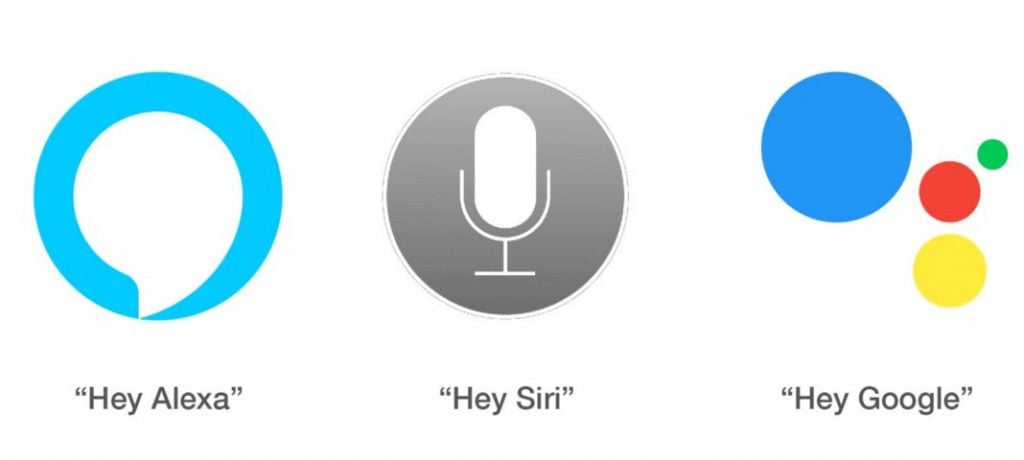
Comparison of Voice Assistant Platforms in Travel
| Voice Assistant Platform | Strengths | Weaknesses |
|---|---|---|
| Google Assistant | Extensive integration with Google services, large database of travel information. | May not always provide the most competitive pricing, and sometimes requires additional confirmations. |
| Amazon Alexa | Wide range of compatible devices, strong integration with Amazon services. | Potential for slower response times, and sometimes limited availability of certain travel options. |
| Apple Siri | Seamless integration with Apple ecosystem, strong focus on user experience. | Limited integration with third-party travel providers, potentially narrower range of options. |
Integration into Travel-Related Devices
Voice assistants can be seamlessly integrated into various travel-related devices like smartwatches, smart speakers, and even in-car infotainment systems. Smartwatches can provide real-time travel updates, while smart speakers can facilitate detailed itinerary planning. This integration empowers users to manage their travel plans across multiple devices, ensuring a cohesive and personalized experience. For example, a traveler can use their smartwatch to receive notifications about flight delays while using their smart speaker to adjust their hotel reservation.
Future travel assistants using voice technology are definitely shaping the hospitality industry. Thinking about how these assistants will integrate with booking systems and customer service, I’m struck by the leadership of Sharon Cook, CMO at the Federal Home Loan Bank of Atlanta, Sharon Cook, CMO at the Federal Home Loan Bank of Atlanta. Her experience in strategic marketing could offer valuable insights into how to best deploy these new voice-based tools for a smoother, more personalized travel experience.
Ultimately, these advancements will greatly enhance the voice travel hospitality sector.
Potential Challenges and Limitations
There are several challenges and limitations associated with using voice assistants for travel. Privacy concerns are paramount, requiring secure data handling and transparent user controls. Accuracy of information provided by voice assistants is crucial, particularly regarding real-time updates and availability. Inaccurate information can lead to wasted time and effort. Furthermore, language barriers can pose a challenge, requiring support for various languages and accents.
Finally, internet connectivity is essential for voice assistants to function effectively, limiting their usefulness in areas with poor or no internet access.
Voice Assistants and Hospitality
Voice assistants are rapidly transforming the hospitality industry, offering a multitude of benefits for both guests and businesses. From streamlining check-in and room service to enhancing communication and customer service, voice assistants are poised to revolutionize how we experience and operate within hotels, restaurants, and other hospitality settings. This evolution promises greater efficiency, personalized experiences, and enhanced guest satisfaction.The implementation of voice assistants in hospitality goes beyond simple automation.
It involves a strategic integration that leverages the power of natural language processing to create intuitive and user-friendly interfaces. This seamless integration promises to improve the guest experience while simultaneously streamlining operational tasks for hospitality businesses.
Enhancing Guest Experience
Voice assistants can personalize the guest experience in hotels, restaurants, and other hospitality venues. Guests can use voice commands to control lighting, adjust temperature, request room service, or even order from a restaurant menu directly from their rooms. This level of personalized control significantly enhances comfort and convenience. Imagine a hotel guest waking up and using a voice assistant to adjust the room temperature, order a cup of coffee, and check the local weather forecast all with simple voice commands.
This type of hands-on convenience significantly elevates the guest experience.
Streamlining Operational Tasks
Voice assistants can significantly streamline operational tasks for hospitality businesses. For instance, staff can use voice commands to update guest preferences, manage room bookings, and access real-time inventory information. This real-time access to data can help prevent errors, reduce wait times, and improve the overall efficiency of operations. Imagine a hotel staff member using a voice assistant to instantly update a guest’s dietary restrictions or to check availability for a specific room type, ensuring smooth and accurate service.
Improving Staff-Guest Communication
Voice assistants can act as intermediaries, facilitating seamless communication between staff and guests. Guests can use voice assistants to ask questions about hotel amenities, directions, or local attractions. Staff can use voice assistants to relay important information to guests, such as flight delays or restaurant reservation details. This eliminates the need for lengthy phone calls or searching through complicated menus.
For example, a guest can ask a voice assistant about the nearest laundry facilities or the opening hours of the hotel’s spa, receiving instant and accurate information.
Managing Customer Service Inquiries and Complaints
Voice assistants can play a crucial role in managing customer service inquiries and complaints. Guests can use voice assistants to report maintenance issues, request assistance, or voice complaints. This allows hospitality businesses to address issues quickly and efficiently, improving customer satisfaction. A guest experiencing a problem with their room can use a voice assistant to report the issue, initiating a prompt response from the hotel staff.
Impact on Job Roles
The introduction of voice assistants in hospitality will undoubtedly impact job roles. Some tasks currently performed by staff, such as basic information retrieval and routine requests, will likely be automated. However, the need for staff with specialized skills and expertise in areas like customer relationship management, problem-solving, and handling complex situations will remain crucial. Instead of replacing human interaction, voice assistants are likely to augment existing roles, freeing up staff to focus on higher-level tasks and creating more personalized interactions with guests.
Benefits and Drawbacks of Using Voice Assistants, Future assistants voice travel hospitality
| Hospitality Service | Benefits | Drawbacks |
|---|---|---|
| Check-in/Check-out | Faster, more efficient process; personalized welcome; reduced wait times | Potential for technical glitches; need for reliable internet connection; limited understanding of complex requests |
| Room service | 24/7 availability; accurate order taking; reduced wait times | Potential for errors in orders; dependence on accurate data entry |
| Customer service | 24/7 availability; faster response times; consistent information | Potential for misunderstanding complex issues; need for staff oversight |
| Restaurant ordering | Convenience for guests; reduced wait times; potential for customized meal suggestions | Technical difficulties; need for accurate menu data; limited ability to address specific dietary needs |
Voice-Enabled Travel Experiences
Voice assistants are revolutionizing the travel industry, promising more immersive, personalized, and efficient journeys. They are transforming how we plan, navigate, and interact with destinations, offering a new level of convenience and engagement for travelers. This shift is not just about automation; it’s about creating richer, more human-centric travel experiences.Voice technology allows for seamless integration into various aspects of travel, from pre-trip planning to on-site exploration.
Imagine a world where your travel itinerary is dynamically adjusted based on real-time weather updates or spontaneous recommendations from a local expert, all managed through a simple voice command. This personalized approach is set to redefine the travel experience, catering to individual preferences and desires.
Voice-Activated Navigation and Information Access
Voice-activated navigation systems provide tourists with real-time directions, point-of-interest information, and alternative routes, eliminating the need for constant manual input and map checking. This is particularly helpful in unfamiliar cities or during complex journeys. Furthermore, voice assistants can access and deliver information about historical sites, museums, restaurants, and other attractions, enriching the travel experience with context and insights.
This can be crucial for tourists unfamiliar with the local language or culture.
Future voice assistants are poised to revolutionize travel hospitality, offering personalized itineraries and seamless booking experiences. However, understanding the complexities of fulfillment models, like those on Amazon, is crucial for success. For example, navigating the differences between Amazon Fulfillment, Merchant Fulfillment, and Seller-Fulfilled Prime (see the fulfillment amazon vs fulfillment merchant vs seller fulfilled prime ultimate guide ) is essential for anyone hoping to leverage these assistants effectively in the hospitality sector.
Ultimately, voice-powered travel assistants will depend on robust and efficient fulfillment systems to deliver exceptional customer experiences.
Voice-Enabled Tour Guides and Interactive Exhibits
Voice-enabled tour guides provide personalized and interactive experiences for visitors, adapting to their pace and interests. They can narrate historical events, explain cultural nuances, and offer insights into local customs. Interactive exhibits can use voice recognition to engage visitors in virtual explorations and simulations, creating a more dynamic and memorable learning experience. Imagine a museum exhibit that brings ancient civilizations to life with voice-activated audio and visual elements, responding to user queries in real-time.
Future assistants are poised to revolutionize voice travel hospitality, offering personalized itineraries and seamless booking experiences. Optimizing your marketing efforts, like using tools like google optimize to improve your adwords , is crucial for reaching the right audience in this evolving landscape. Ultimately, understanding the power of future voice assistants will be key to success in this burgeoning travel industry.
Language Translation for Travel
Voice assistants are increasingly equipped with real-time language translation capabilities. This facilitates communication with locals, overcoming language barriers and promoting cultural understanding. This feature can be especially beneficial for travelers visiting countries where they don’t speak the local language, enabling them to interact with shopkeepers, ask for directions, and enjoy conversations with ease. Examples of such applications include voice-activated translation tools that are integrated into smartwatches or headphones.
Voice-Controlled Entertainment and Leisure Activities
Voice assistants can control entertainment and leisure activities during travel, offering personalized recommendations and seamless integration with local venues. For instance, voice commands can book restaurant reservations, order tickets for shows or tours, and manage travel bookings in real-time. This integration can offer a more personalized and intuitive approach to managing leisure activities during a trip, making it easier for travelers to experience the local culture and entertainment.
Facilitating Interaction with Local Communities
Voice assistants can be powerful tools for facilitating interaction with local communities. They can provide access to local information, promote local businesses, and encourage cultural exchange. Imagine a voice assistant that allows tourists to interact with local guides, book experiences with local artisans, or access language learning resources tailored to the region they are visiting. This can lead to a deeper connection with the community and a richer understanding of the local culture.
Integration of Voice Assistants with Existing Travel Platforms
Voice assistants are rapidly transforming the travel industry, offering a more intuitive and convenient way to book and manage trips. This integration extends beyond standalone travel apps, increasingly becoming a feature embedded within existing platforms, enhancing user experience and streamlining the entire process. From simple flight confirmations to complex itinerary adjustments, voice assistants are poised to revolutionize how we interact with travel booking and management tools.Existing travel platforms are embracing voice assistant integration to cater to a wider user base and provide a more personalized travel experience.
This allows for seamless interaction with booking tools, streamlining the process for users who prefer voice commands.
Comparison of Voice Assistant Integration Across Travel Agencies
Different travel agencies and booking platforms are adopting various approaches to integrating voice assistants. Some platforms offer voice-activated booking directly through their existing website or app, while others rely on partnerships with voice assistant platforms like Amazon Alexa or Google Assistant. This variation in approach reflects the diverse strategies employed by different companies to achieve seamless integration. For example, Expedia has demonstrated integration with voice assistants for booking flights and hotels, while Kayak utilizes voice search for flight comparisons.
Enhancing Existing Booking and Management Tools
Voice assistants can significantly enhance existing travel booking and management tools. They can automate tasks like flight updates, hotel confirmations, and scheduling of transportation. By integrating with calendars, voice assistants can automatically sync travel plans with personal schedules, making it easier to manage trips and maintain consistency. Furthermore, voice assistants can facilitate real-time updates on flight delays, allowing travelers to react proactively to disruptions and make necessary adjustments.
Integration with Payment Systems and Security Protocols
Voice assistants can seamlessly integrate with existing payment systems and security protocols to ensure secure transactions. This integration requires the development of secure voice authentication methods to prevent unauthorized access. This can include voice biometrics, coupled with existing two-factor authentication. Secure payment gateways can be accessed through voice commands, ensuring that payment details are processed securely and reliably.
User Privacy and Data Security
User privacy and data security are paramount when integrating voice assistants into travel platforms. Robust security protocols are crucial to protect sensitive information like travel details and financial data. Transparency about data usage and user control over data sharing are essential. For example, clear privacy policies and data management controls need to be communicated to users, giving them the ability to manage their personal data and access to their information.
Examples of Successful Integrations
Several examples of successful voice assistant integrations exist. For example, some airlines are using voice assistants to manage flight bookings, allowing customers to easily check-in, request special assistance, and make last-minute changes. This functionality streamlines the travel process and reduces the need for manual intervention.
Detailed Structure of Voice Assistant Integration
Voice assistant integration into existing travel platforms involves several key steps:
- API Integration: Integrating voice assistant APIs with the existing platform’s backend systems is the initial step. This allows for seamless communication between the voice assistant and the platform’s database.
- Data Mapping: Mapping user data from the platform’s existing system to the voice assistant’s database is necessary for personalized interactions. This ensures the voice assistant can access and use the relevant information for accurate and efficient responses.
- Voice User Interface (VUI) Development: Developing a user-friendly voice interface is crucial for intuitive interaction. This involves designing clear prompts, concise responses, and a natural conversational flow for users.
- Security Protocols Implementation: Implementing robust security protocols is essential to protect user data and ensure secure transactions. This includes implementing strong encryption and authentication methods for voice commands.
- Testing and Iteration: Thorough testing and iteration are necessary to ensure the voice assistant functions correctly and smoothly within the existing platform.
Future Trends and Predictions
Voice-assisted travel and hospitality are poised for significant growth, driven by evolving consumer preferences and technological advancements. This transformation will reshape the industry, impacting both the customer experience and the workforce. Predicting the future requires careful consideration of emerging technologies, adoption rates, and potential challenges.
Emerging Technologies and Trends
The landscape of voice-assisted travel is continuously evolving. Natural language processing (NLP) is becoming more sophisticated, enabling more intuitive and accurate responses to complex queries. This includes the development of more nuanced conversational interfaces, capable of understanding context and intent, leading to more personalized and efficient travel assistance. AI-powered chatbots are becoming increasingly adept at handling booking inquiries, providing real-time information, and addressing customer concerns, reducing the need for human intervention in routine tasks.
Furthermore, advancements in machine learning (ML) are enabling personalized recommendations and predictions, enhancing the travel planning process.
Adoption Rate Projections
The adoption rate of voice assistants in the travel industry is projected to accelerate. Increased smartphone penetration and the proliferation of smart home devices will contribute to the rise in voice assistant usage. Travel companies are implementing voice-enabled features on their websites and mobile apps, creating a seamless experience for customers. As voice assistants become more integrated into everyday life, the demand for voice-based travel services is expected to rise, driven by convenience and efficiency.
Early adopters in the travel industry, such as hotels and airlines, are already seeing significant positive impacts from incorporating voice assistant technology.
Impact on Travel Experience
Voice assistants will significantly enhance the travel experience by streamlining various aspects of travel planning and execution. Customers will benefit from quicker booking processes, real-time information access, and personalized recommendations tailored to individual preferences. Voice-enabled navigation within airports and hotels will make travel more efficient and convenient. The ability to access information, make bookings, and manage itineraries through voice commands will lead to a more immersive and personalized experience.
Imagine the ease of booking a taxi or arranging a tour directly through your voice assistant while on vacation.
Impact on the Travel and Hospitality Workforce
The integration of voice assistants will reshape the travel and hospitality workforce. Routine tasks like answering frequently asked questions and processing bookings will be automated. Travel agents and customer service representatives can focus on more complex inquiries and personalized interactions, potentially increasing their overall value to the company. This transition may require retraining and upskilling of the workforce to adapt to the new technologies and focus on more strategic roles.
This shift is similar to how the rise of online shopping impacted retail staff.
Potential Challenges and Limitations
While the future of voice-assisted travel is promising, several challenges remain. Data security and privacy concerns related to voice interactions are paramount. Ensuring the accuracy and reliability of information provided by voice assistants is crucial to maintaining customer trust. The need for robust connectivity and reliable internet access for voice assistant functionalities is also important. Furthermore, ensuring equitable access to voice-assisted travel services for all users, regardless of their location or technical proficiency, will be essential for widespread adoption.
Summary Table of Key Future Trends
| Trend | Description |
|---|---|
| Sophisticated NLP | Voice assistants will understand context and intent, leading to more personalized and efficient interactions. |
| AI-Powered Chatbots | Chatbots will handle bookings, provide information, and address customer concerns, reducing human intervention. |
| Personalized Recommendations | Machine learning will enable personalized recommendations and predictions, enhancing the travel planning process. |
| Increased Adoption Rate | Rising smartphone penetration and smart home devices will drive increased usage of voice assistants in travel. |
| Enhanced Travel Experience | Streamlined booking processes, real-time information, and personalized recommendations will create a more immersive experience. |
| Reshaped Workforce | Travel agents and customer service representatives will focus on complex inquiries and personalized interactions. |
| Data Security & Privacy | Protecting user data and ensuring privacy during voice interactions is critical. |
| Reliable Connectivity | Voice assistants require stable internet access for optimal functionality. |
| Equitable Access | Ensuring all users have access to voice-assisted travel services, regardless of location or technical skills, is essential. |
Conclusive Thoughts: Future Assistants Voice Travel Hospitality
In conclusion, future assistants voice travel hospitality is poised to reshape the entire travel and hospitality experience. From personalized travel plans to streamlined operational tasks, voice assistants are rapidly becoming indispensable tools. While challenges and limitations exist, the potential for increased efficiency, personalized experiences, and seamless integration with existing platforms is enormous. The future is certainly exciting, with the possibilities expanding as technology continues to evolve.