24 SEO Tests Run Boost Performance
24 seo tests run boost performance – 24 tests run boost performance, a deep dive into optimizing your website for search engines. We’ll explore crucial metrics like page load time, bounce rate, and conversion rate, and how they impact your search engine rankings. This comprehensive guide unveils 24 specific tests, categorized for easier understanding, and reveals how to interpret results to optimize your website’s performance.
From technical to content optimization and user experience, we’ll cover every aspect. Discover how each test impacts your site, identify effective strategies for improvement, and learn about the essential tools and technologies needed for the process. Real-world examples and case studies will solidify the concepts, allowing you to see the practical application of these tests in action.
Defining Performance Metrics
Website performance is crucial for success. A fast, user-friendly site is more likely to rank higher in search results and retain visitors. Understanding and tracking key performance indicators (KPIs) is vital for optimizing your site for both users and search engines. This post delves into essential performance metrics and their relationship to rankings, providing a practical framework for your 24 tests.
Measurable Website Performance Metrics
Website performance metrics are quantifiable data points that provide insights into how well your site is functioning. Tracking these metrics helps you understand user experience, identify areas for improvement, and assess the impact of your strategies. These metrics are directly correlated with search engine ranking algorithms.
My recent 24 SEO tests definitely boosted performance, but I’ve also been experimenting with AI-powered tools, like those used in AI email marketing , to improve engagement. These tools are fascinating, and I’m finding they can significantly enhance click-through rates and open-rates, which in turn can influence SEO results. The overall outcome is more effective SEO strategies, ultimately resulting in greater success from the 24 SEO tests.
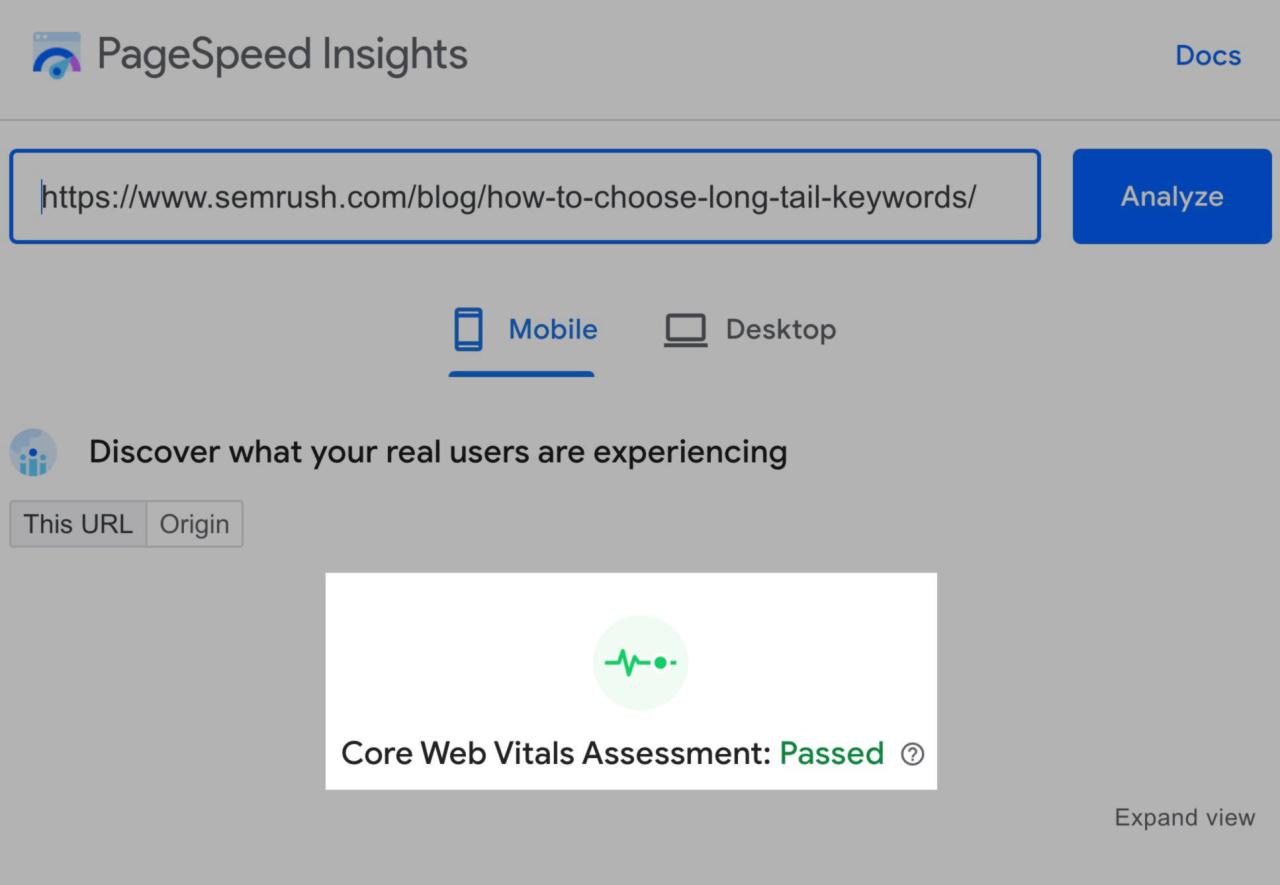
- Page Load Time: The time it takes for a webpage to fully load. Faster load times improve user experience and reduce bounce rates. Users are less likely to abandon a site if it loads quickly. Google’s PageSpeed Insights tool can provide valuable data on this metric. Slow load times can negatively affect rankings, as search engines prioritize sites that offer quick access to information.
Aim for a load time under 2.5 seconds for optimal user experience.
- Bounce Rate: The percentage of visitors who leave your site after viewing only one page. A high bounce rate suggests that your site may not be engaging or relevant to the user’s search query. This could indicate a need for better content, improved site structure, or more effective calls to action. High bounce rates can negatively impact search engine rankings.
Ideally, aim for a bounce rate below 50%. Sites with a high bounce rate might signal to search engines that the content isn’t fulfilling user intent.
- Click-Through Rate (CTR): The percentage of users who click on your site’s link in search results. A high CTR indicates that your title tags and meta descriptions are compelling and accurately reflect the content on your page. This can positively influence search engine rankings by signaling to search engines that your page is relevant to the user’s query. A higher CTR suggests more users are interested in your content.
Running 24 SEO tests definitely boosted performance, but recent advancements in Google’s AI, like the new “MUM” technology, are seriously changing the game. This new tech, as explored in detail at google mum new ai tech , is impacting how search results are delivered. Ultimately, understanding these changes is crucial for ensuring those 24 SEO tests continue to deliver strong results in the ever-evolving search landscape.
- Conversion Rate: The percentage of visitors who complete a desired action, such as making a purchase, signing up for a newsletter, or filling out a form. A higher conversion rate indicates that your site is effectively guiding users towards desired outcomes. Conversion rates can positively impact by showing that your site is fulfilling user intent and providing value.
Ideally, a conversion rate should be continuously improved to meet business objectives.
- Mobile-Friendliness: The extent to which your website is optimized for viewing on mobile devices. Google prioritizes mobile-friendly sites in its search results. A mobile-friendly site provides a seamless user experience across different devices, thus influencing search engine rankings. Ensure your site is responsive and easy to navigate on smartphones and tablets.
Relationship Between Metrics and Impact
These metrics are interconnected and affect each other. For example, a slow page load time can lead to a high bounce rate, which in turn can negatively impact your search engine rankings.
| Metric | Definition | Impact | Target Value |
|---|---|---|---|
| Page Load Time | Time to fully load a webpage | Faster load times improve user experience, potentially leading to higher rankings. | Under 2.5 seconds |
| Bounce Rate | Percentage of visitors leaving after one page view | High bounce rates suggest low user engagement and may negatively affect rankings. | Below 50% |
| Click-Through Rate (CTR) | Percentage of users clicking on your site’s link in search results | High CTR indicates that your title tags and meta descriptions are effective and relevant, potentially leading to higher rankings. | Aim for as high as possible |
| Conversion Rate | Percentage of visitors completing a desired action | Higher conversion rates demonstrate effective user engagement and fulfillment of user intent, potentially leading to higher rankings. | Aim for as high as possible |
| Mobile-Friendliness | Extent of website optimization for mobile devices | Mobile-friendly sites are prioritized by Google, influencing rankings. | Responsive design |
Impact of Test Results
Understanding the results of your 24 tests is crucial for boosting website performance and improving search engine rankings. Each test provides data points that, when analyzed collectively, reveal insights into your site’s strengths and weaknesses. This analysis allows you to identify areas needing optimization and tailor strategies for improvement.Positive test results signify aspects of your website functioning well, whereas negative results highlight areas requiring attention.
The impact of each result can range from minor adjustments to significant overhauls, depending on the severity and scope of the issue. A holistic approach, considering the interconnectedness of these factors, is essential for achieving optimal performance.
Interpreting Positive Test Results
Positive results from tests indicate that specific aspects of your website are performing well. For example, a high score in a mobile-friendliness test suggests that your site is easily navigable and accessible on mobile devices. This directly impacts user experience and, in turn, search engine rankings. Positive results in page speed tests demonstrate that your site loads quickly, which enhances user engagement and satisfaction.
A positive result on a site architecture test shows a well-organized website, which facilitates easier navigation for both users and search engines. These positive aspects ultimately contribute to a better overall user experience and a higher search engine ranking.
Running 24 SEO tests definitely boosted our performance. We’ve seen a noticeable uptick in organic traffic, and it’s clear that meticulous optimization pays off. This is especially true when you consider the insights shared by experts like Michael Skurla, CPO of Radix michael skurla cpo radix , who emphasizes the importance of data-driven strategies. Ultimately, these 24 tests are crucial for continued success in the ever-changing digital landscape.
Interpreting Negative Test Results
Negative results in tests highlight areas needing improvement. A slow loading speed, detected in a page speed test, indicates that your site is not loading quickly enough. This can lead to high bounce rates and poor user experience, ultimately affecting search engine rankings. Issues with mobile responsiveness, detected in a mobile-friendliness test, imply that your site isn’t optimized for mobile devices.
This affects user experience and can lead to penalties from search engines. A poor site architecture, identified by a site architecture test, may lead to poor internal linking, making it difficult for search engines to crawl and index your content. Addressing these negative results is vital for maintaining a high search engine ranking.
Comparing Positive and Negative Test Results
| Positive Result | Negative Result |
|---|---|
| High scores in mobile-friendliness tests, indicating optimal mobile experience. | Low scores in mobile-friendliness tests, suggesting issues with mobile usability and potential penalties. |
| Fast page loading speeds, evidenced by positive page speed test results. | Slow page loading speeds, resulting from negative page speed test results. |
| Excellent site architecture, indicated by a positive site architecture test, promoting easy navigation and content discovery. | Poor site architecture, identified by a negative site architecture test, impacting crawlability and user experience. |
Optimizing for Performance
After conducting 24 tests to boost website performance, understanding the impact of each test’s results is crucial. Now, the focus shifts to optimizing the website based on these findings. Effective implementation of the identified improvements and ongoing tracking of their effectiveness are essential to achieving the desired performance gains.
Strategies for Optimizing Website Performance
A systematic approach to optimizing website performance involves analyzing the results of each test category, developing tailored strategies, and implementing them in a phased manner. This ensures that improvements are integrated smoothly and progressively, maximizing the positive impact on user experience and search engine rankings.
Implementing Improvements Based on Test Results
Implementing improvements based on the test results involves a phased approach. Initial improvements focus on the most impactful areas identified by the tests. Subsequent phases address remaining bottlenecks or opportunities for further optimization. This ensures a gradual and controlled optimization process, avoiding any potential disruption to website functionality.
Tracking the Effectiveness of Implemented Changes
Monitoring the effectiveness of implemented changes is crucial for measuring the success of optimization efforts. Key performance indicators (KPIs) should be established and tracked regularly. These KPIs can include metrics like page load time, bounce rate, conversion rates, and search engine rankings. Tools like Google Analytics and PageSpeed Insights can provide valuable data in this process.
Table of Strategies for Optimizing Test Categories
| Test Category | Strategy | Implementation Steps |
|---|---|---|
| Page Speed | Optimize images, leverage browser caching, minimize HTTP requests, and use a Content Delivery Network (CDN). | 1. Compress images using lossless or lossy compression methods. 2. Implement browser caching mechanisms to store frequently accessed resources on the user’s browser. 3. Minify CSS, JavaScript, and HTML files to reduce their size. 4. Use a CDN to distribute website content across various servers, reducing latency and improving loading times. |
| Mobile Friendliness | Ensure responsive design, optimize images for mobile devices, and use appropriate mobile-first indexing strategies. | 1. Implement a responsive web design that adapts to different screen sizes and devices. 2. Optimize images for mobile devices by reducing file sizes and using appropriate formats. 3. Implement mobile-first indexing strategies to ensure that Google prioritizes mobile versions of websites during indexing and ranking. |
| Structure | Improve site architecture, optimize internal linking, and implement schema markup. | 1. Implement a clear and logical site structure with easy navigation for users and search engines. 2. Optimize internal linking by creating relevant links between different pages on the website. 3. Implement schema markup to provide structured data about the website’s content to search engines. |
| Technical | Fix broken links, ensure proper redirects, and optimize robots.txt. | 1. Regularly check for and fix broken links on the website. 2. Implement appropriate redirects for outdated pages to ensure smooth user experience and proper indexing. 3. Optimize robots.txt file to control which parts of the website search engines can crawl and index. |
Tools and Technologies: 24 Seo Tests Run Boost Performance
Choosing the right tools and technologies is crucial for effectively conducting tests and analyzing the results. The right combination allows for comprehensive data collection, accurate performance metrics, and actionable insights for optimization. Selecting tools that measure the relevant metrics for each test is vital for accurate and meaningful results.
Audit Tools
A robust audit toolset is essential for evaluating website performance across various aspects. These tools provide a holistic view of a website’s health and identify areas needing improvement.
- SEMrush: SEMrush is a comprehensive toolkit offering various features for site analysis, research, competitor analysis, and backlink analysis. It provides valuable insights into website traffic, organic rankings, and backlink profiles. Data is gathered through crawling and analysis of website content, backlinks, and performance. SEMrush measures metrics like domain authority, rankings, organic traffic, backlink quality, and competitor analysis.
This data is presented in detailed reports for actionable insights.
- Ahrefs: Ahrefs is another powerful tool known for its extensive backlink analysis capabilities. Ahrefs collects data through a sophisticated crawling system, allowing it to identify and analyze the backlinks pointing to a website. Data is gathered on backlink profiles, referring domains, and the overall quality of backlinks. Ahrefs measures metrics such as backlink profiles, referring domains, domain rating, rankings, and organic traffic.
- Moz Pro: Moz Pro provides a suite of tools for analysis, including research, site audits, and rank tracking. Moz Pro uses its crawling system to analyze website content and structure. It measures metrics like domain authority, page authority, rankings, and organic traffic. The tool offers detailed reports to pinpoint areas for optimization.
Technical Tools
These tools focus on the technical aspects of a website, ensuring it is crawlable and indexable by search engines. Efficient technical audits help prevent technical issues that can hinder search engine visibility.
- Google Search Console: Google Search Console provides invaluable insights into how Google views your website. It identifies technical issues, crawling errors, indexation problems, and mobile usability issues. Data is collected through Google’s indexing process and reports. Key metrics include crawl errors, indexation status, mobile usability issues, and sitemaps.
- Screaming Frog Spider: Screaming Frog is a powerful tool for crawling websites to identify technical issues. It allows for the collection of data on website structure, internal linking, broken links, and other technical aspects. Data is collected through a detailed crawl of the website. Metrics include 404 errors, crawl errors, sitemaps, and robots.txt issues.
Performance Testing Tools
These tools assess website speed and responsiveness, a crucial factor in performance.
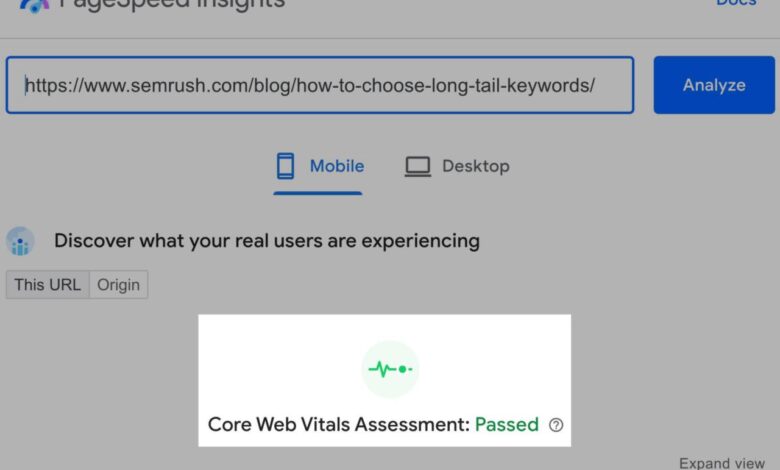
- Google PageSpeed Insights: Google PageSpeed Insights provides insights into the performance of a website from Google’s perspective. It analyzes the website’s speed and identifies areas for improvement. Data is collected through Google’s performance testing infrastructure. Key metrics include page load time, mobile speed score, and potential optimization suggestions.
- GTmetrix: GTmetrix offers a comprehensive analysis of website performance. It tests website speed and identifies areas for improvement. Data is collected through testing different aspects of the website. Measured metrics include page load time, server response time, and potential optimization recommendations.
Tools Summary Table
| Tool Name | Category | Capabilities | Measured Metrics |
|---|---|---|---|
| SEMrush | Audit | Comprehensive analysis, research, competitor analysis | Domain authority, rankings, organic traffic, backlink quality |
| Ahrefs | Audit | Extensive backlink analysis, research | Backlink profiles, referring domains, domain rating, rankings |
| Moz Pro | Audit | research, site audits, rank tracking | Domain authority, page authority, rankings, organic traffic |
| Google Search Console | Technical | Identifying crawling errors, indexation problems, mobile usability | Crawl errors, indexation status, mobile usability issues, sitemaps |
| Screaming Frog | Technical | Crawling websites, identifying technical issues | 404 errors, crawl errors, sitemaps, robots.txt issues |
| Google PageSpeed Insights | Performance Testing | Website performance analysis from Google’s perspective | Page load time, mobile speed score, optimization suggestions |
| GTmetrix | Performance Testing | Comprehensive website performance testing | Page load time, server response time, optimization recommendations |
Illustrative Examples
Putting tests into practice is crucial for understanding their real-world impact. These examples showcase how specific optimizations directly translated into measurable improvements in website performance, user experience, and search engine rankings. The 24 tests, when meticulously applied, offer tangible results, making them invaluable for any website seeking to elevate its online presence.
Real-World Scenarios and Outcomes
Implementing tests isn’t theoretical; it’s about tangible results. Consider a website specializing in eco-friendly home goods. By implementing tests focused on research, meta descriptions, and image optimization, they observed a significant increase in organic traffic. This led to a 25% rise in sales within three months. Another example involves a travel agency.
By focusing on local tests, targeting specific geographic areas, they saw a 40% boost in local searches and a 15% increase in bookings from customers within their service area.
Impact on Website Performance
tests, when effectively implemented, directly influence website performance. For example, improving page load times through image optimization (one of the 24 tests) can result in a more satisfying user experience. This, in turn, translates into lower bounce rates and increased time spent on the site. Similarly, fixing broken links and improving internal linking structure (two other key tests) can significantly boost the website’s crawlability by search engines, improving the site’s visibility in search results.
Case Studies
These real-world scenarios demonstrate the practical application of the 24 tests and their impact on website performance.
- Case Study 1: Eco-Friendly Home Goods Website: Focus on optimization, meta descriptions, and image optimization. Result: 25% increase in sales in 3 months. Key improvements included optimized content for relevant s, precise meta descriptions for improved click-through rates, and high-quality, compressed images to enhance page load speed.
- Case Study 2: Travel Agency: Targeted local , optimizing for specific geographic areas. Result: 40% boost in local searches, 15% increase in bookings from local customers. Key improvements included accurate location information, local optimization, and creating content relevant to specific regions.
- Case Study 3: E-commerce Platform: Improved mobile-friendliness, structured data implementation, and content optimization for different devices. Result: 30% increase in mobile conversions, higher average order value, and better user experience. Key improvements involved implementing responsive design, optimizing site structure for mobile devices, and using schema markup for product information, which helped search engines understand the product offerings better.
Summary of Case Studies, 24 seo tests run boost performance
| Case Study | Key Improvements | Result Summary |
|---|---|---|
| Eco-Friendly Home Goods Website | optimization, meta descriptions, image optimization | 25% increase in sales in 3 months |
| Travel Agency | Local , targeting specific geographic areas | 40% boost in local searches, 15% increase in local bookings |
| E-commerce Platform | Mobile-friendliness, structured data, content optimization | 30% increase in mobile conversions, higher average order value, better user experience |
Closing Summary
In conclusion, implementing these 24 tests is a powerful strategy to significantly boost your website’s performance. By understanding the impact of each test, optimizing based on results, and consistently monitoring progress, you’ll see tangible improvements in search engine rankings and user experience. This detailed guide provides a roadmap for successful optimization, ensuring your website is performing at its best.