Social Media Tools Your Ultimate Guide
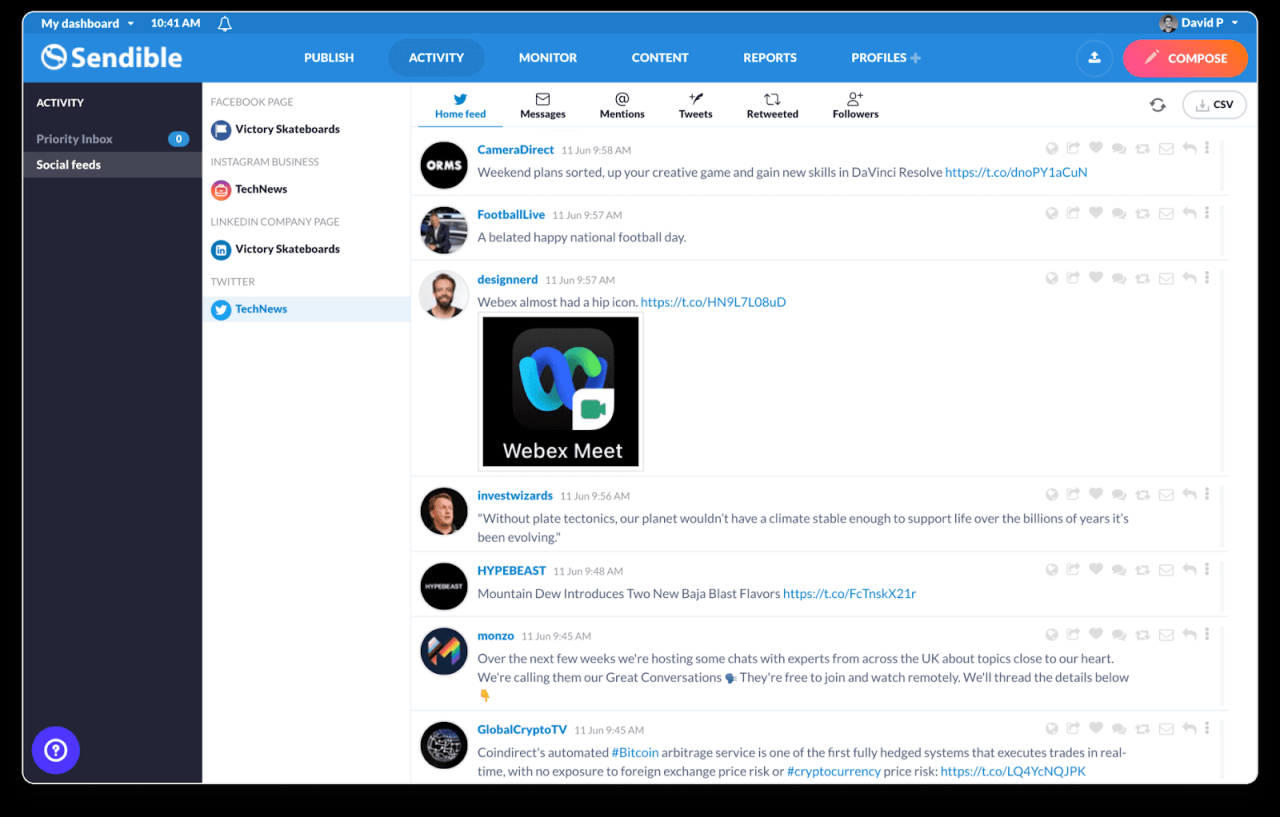
Social media tools are essential for modern businesses and individuals. This guide dives deep into the vast landscape of these tools, exploring everything from basic platforms to advanced analytics and management solutions. We’ll cover various categories, compare popular options, and examine emerging trends in this ever-evolving space. Discover how to leverage these tools effectively for marketing, customer service, and more.
From scheduling posts to analyzing results, social media tools empower you to connect with your audience. This comprehensive overview explores the diverse world of social media tools, their functionalities, and how they fit into different strategies. We’ll also examine the security and privacy aspects to ensure you use these tools responsibly.
Overview of Social Media Tools
Social media has become an indispensable part of modern communication and marketing. A wide array of tools are available to manage, optimize, and leverage social media platforms effectively. These tools cater to diverse needs, from simple posting to sophisticated analytics and comprehensive management. Understanding the different types of tools and their functionalities is crucial for anyone looking to maximize their social media presence.The digital landscape is constantly evolving, and social media tools are no exception.
New tools emerge regularly, offering innovative features and functionalities. Staying informed about the latest developments and adapting to changing trends is essential to maintain a competitive edge in the social media sphere.
Social Media Platforms
Social media platforms are the foundational tools where users interact and share content. These platforms provide the infrastructure for communication, fostering connections and facilitating information exchange. They vary significantly in their focus, features, and user demographics.
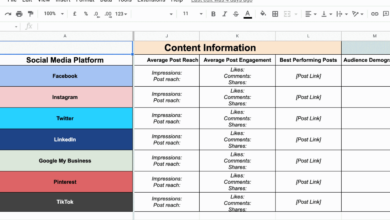
- Facebook: A general-purpose platform with a broad user base, allowing for personal connections, business networking, and group discussions. Its versatility makes it a popular choice for diverse audiences.
- Twitter: A microblogging platform ideal for real-time updates, news dissemination, and engaging in conversations. Its concise format and emphasis on immediacy distinguish it from other platforms.
- Instagram: A visually-driven platform centered on sharing photos and videos. Its strong emphasis on aesthetics and visual storytelling makes it popular for brands and individuals focused on showcasing their work or personal style.
- LinkedIn: A professional networking platform designed for connecting with colleagues, potential employers, and industry experts. Its focus on career development and professional networking sets it apart.
Scheduling Tools
Scheduling tools streamline the process of managing social media posts across multiple platforms. They automate the posting process, enabling users to plan and schedule content in advance.
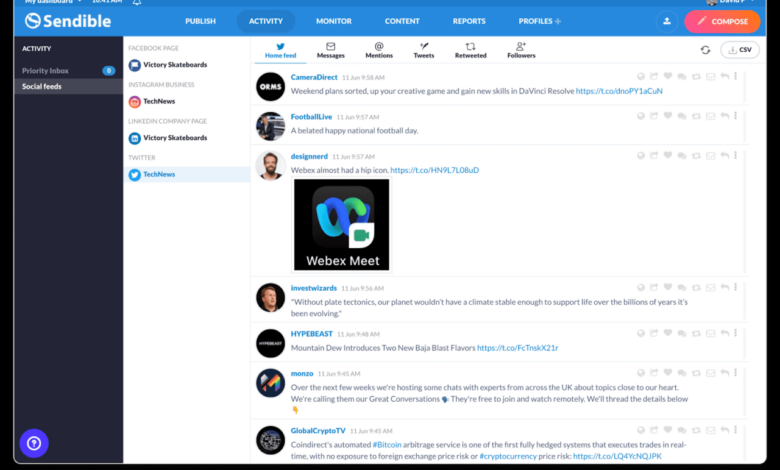
- Hootsuite: A comprehensive scheduling tool that allows users to schedule posts, track performance, and manage multiple social media accounts from a single dashboard. Its features also include analytics, reporting, and collaboration.
- Buffer: A popular scheduling tool offering features such as scheduling posts, analyzing performance, and collaborating with team members. Its user-friendly interface and various customization options make it a practical choice for many users.
- Later: A scheduling tool specifically designed for visual platforms like Instagram and Pinterest. Its focus on image and video optimization, combined with scheduling capabilities, helps businesses and influencers maximize their reach on visual platforms.
Analytics Tools
Analytics tools provide valuable insights into the performance of social media campaigns. These tools track key metrics such as engagement, reach, and conversions, helping users understand what resonates with their audience.
- Sprout Social: A comprehensive social media management platform that includes robust analytics features. It provides detailed insights into engagement, reach, and audience demographics, enabling users to tailor their content strategy accordingly.
- Socialbakers: A platform offering in-depth social media analytics, including competitor analysis, trend monitoring, and campaign performance tracking. Its data-driven approach empowers users to make informed decisions based on quantifiable results.
- Google Analytics: A widely used web analytics tool that can be integrated with social media platforms to track website traffic and conversions originating from social media interactions. Its comprehensive data collection and reporting capabilities are valuable for understanding the effectiveness of social media campaigns in driving website traffic.
Management Tools
Social media management tools provide a central hub for overseeing all social media activities. These tools often integrate scheduling, analytics, and community management functionalities.
Social media tools are amazing for connecting with audiences, but to truly maximize their impact, understanding paid media trends is key. For example, learning about the latest strategies in paid media trends can help you craft more effective campaigns and boost engagement on platforms like Instagram and Facebook. Ultimately, a deep understanding of both social media tools and paid media is crucial for success in today’s digital landscape.
| Tool Type | Platform | Use Case | Key Features |
|---|---|---|---|
| Scheduling Tool | Hootsuite | Managing social media posts | Scheduling, analytics, collaboration |
| Social Media Management | Buffer | Managing multiple social media accounts | Scheduling, analytics, reporting |
| Analytics Tool | Sprout Social | Analyzing social media performance | Engagement tracking, audience insights, competitor analysis |
Comparison of Social Media Tools
Social media has become an integral part of modern communication and marketing. Choosing the right social media tools can significantly impact your success in reaching your target audience. This comparison dives into the features, pricing, and strengths of popular platforms to help you make informed decisions.Understanding the nuances of various social media tools is crucial for effective digital engagement.
Different platforms cater to diverse needs, from scheduling posts to analyzing campaign performance. This exploration will help you identify the optimal tool for your specific goals.
Scheduling Tools Comparison
Social media scheduling tools are essential for managing a consistent online presence. They allow you to plan and schedule posts across multiple platforms, freeing up your time for other crucial tasks. The table below provides a concise overview of three popular social media scheduling tools, comparing their pricing models, features, and strengths.
| Tool | Pricing | Features | Strengths |
|---|---|---|---|
| Buffer | Free/paid tiers, starting with a free plan that includes limited scheduling | Scheduling, analytics, and social listening. Offers integrations with various platforms. | Known for its user-friendly interface and intuitive design, making it easy for beginners to use. A good starting point for those needing basic scheduling capabilities. |
| Hootsuite | Free/paid tiers with varying levels of features and user limits. Free version provides a limited set of features. | Scheduling, analytics, collaboration tools, and social listening features. Supports multiple accounts and platforms. Stronger on collaboration for teams. | Offers robust features, making it a comprehensive solution for managing multiple social media accounts and teams. Ideal for businesses requiring advanced collaboration and analytics. |
| Later | Free/paid tiers with varying levels of features and user limits. Free version is very limited. | Scheduling, analytics, and visual design tools. Focuses on creating visually appealing content. | Excellent for businesses focused on visual content, such as image and video sharing. Provides tools to design and schedule eye-catching posts. |
Pricing Models and Subscription Options
The pricing models for social media tools vary significantly, ranging from free plans with limited features to paid plans with enhanced capabilities. Many offer tiered pricing, allowing users to choose the level of features and support that best suits their budget and needs. Free plans are often a good way to test out a platform before committing to a paid subscription.
This enables users to evaluate the features and determine if they meet their specific requirements.
Features and Functionalities
Different social media tools offer a wide range of features and functionalities. Some tools specialize in scheduling posts, while others provide comprehensive analytics and social listening capabilities. Consider what features are essential for your business and choose the tool that aligns with your needs. For instance, if you require detailed analytics and collaboration tools, Hootsuite might be a better fit.
If your primary focus is on visually engaging content, Later could be a strong contender.
Emerging Trends in Social Media Tools
Social media is constantly evolving, driven by technological advancements and shifting user expectations. The platforms we use today are vastly different from those of even a few years ago, and the pace of change shows no sign of slowing. This evolution is not just about new features; it’s about fundamental shifts in how we interact, consume information, and even perceive the world around us.
These trends are reshaping the very fabric of social interaction and demand a keen understanding of their implications.The rapid advancement of artificial intelligence (AI) and machine learning (ML) is profoundly impacting the development and use of social media tools. These technologies are being integrated into various aspects of these platforms, leading to more personalized experiences and sophisticated functionalities.
The future of social media tools is inextricably linked to these emerging trends.
Impact of Artificial Intelligence and Machine Learning
AI and machine learning are transforming social media tools in several ways. Sophisticated algorithms are now used for tasks like content moderation, personalized recommendations, and targeted advertising. This allows for a more tailored user experience, offering users content relevant to their interests and preferences. However, the use of AI also raises important ethical considerations, such as the potential for bias in algorithms and the need for transparency in their operation.
The ability to identify and remove harmful content, such as hate speech or misinformation, is another area where AI is making significant contributions. Examples include automated detection of spam and phishing attempts, as well as the identification of inappropriate or offensive language in posts and comments.
Future of User Experience and Platform Design
Social media platforms are increasingly focused on enhancing user experience and streamlining interactions. The design of these platforms is moving towards intuitive interfaces and seamless user journeys. Mobile-first design is a prominent trend, ensuring that users can access and engage with social media on the go. Moreover, the development of more immersive experiences is underway, incorporating features like augmented reality (AR) and virtual reality (VR).
These advancements aim to create more engaging and interactive ways for users to connect and share experiences.
Influence of Virtual Reality and Augmented Reality
Virtual reality (VR) and augmented reality (AR) technologies are creating novel ways for users to engage with social media platforms. VR experiences allow users to participate in virtual events and social gatherings, fostering a sense of presence and interaction that goes beyond the limitations of traditional screen-based interactions. AR is enhancing social media by allowing users to overlay digital elements onto the real world, creating interactive and engaging experiences.
For example, users might be able to try on virtual clothing or makeup, or participate in interactive games within their physical environment.
The Role of Emerging Technologies in Social Media
The integration of new technologies is not just about adding features; it’s about fundamentally changing how users interact and perceive social media. From AI-powered content moderation to immersive VR experiences, the future of social media tools is dynamic and innovative. This dynamism is expected to continue to shape user expectations and drive further technological advancements in the years ahead.
Social Media Tools for Specific Industries
Social media has evolved beyond a simple platform for connecting; it’s become a crucial tool for businesses across various industries. Understanding how specific platforms cater to unique industry needs is key to effective marketing and customer service strategies. Tailored tools empower companies to reach the right audience, build stronger relationships, and drive meaningful engagement.
E-commerce Social Media Tools
E-commerce businesses thrive on visual appeal and customer engagement. Tools like Instagram, Pinterest, and TikTok excel in showcasing products through high-quality images and videos. These platforms enable businesses to create visually compelling content, run targeted ads, and interact directly with customers. Shoppable posts, live streams, and influencer collaborations are common strategies that leverage these platforms’ capabilities. Features that directly link products to sales are crucial.
For example, Instagram Shopping allows customers to easily purchase items seen in posts, enhancing the shopping experience and boosting conversions.
Social media tools are essential for modern marketing, especially for companies like SmileDirectClub. A great example of successful social media strategy is evident in the work of John Sheldon, CMO of SmileDirectClub, John Sheldon cmo smiledirectclub , who has demonstrably used these platforms to boost brand awareness and drive engagement. Ultimately, mastering social media tools remains key to reaching target audiences effectively.
Healthcare Social Media Tools
The healthcare industry needs social media platforms for informative content and building trust. LinkedIn and Twitter are valuable tools for medical professionals to share research findings, engage in discussions, and establish their expertise. They can also leverage these platforms to provide health-related updates and educational resources to their audience. Facebook can also be used to connect with patients and provide general health advice, promoting a healthier lifestyle.
Transparency and ethical considerations are critical in the use of social media within healthcare.
Education Social Media Tools
Social media tools are transforming education. Platforms like Twitter and Instagram can be utilized to promote events, share updates on projects, and connect with students. Educational institutions can engage students in interactive learning experiences by sharing videos, presentations, and other content. Platforms like YouTube can be used to deliver lectures and tutorials, providing accessible learning resources to a wider audience.
Tools designed for educational communities like Edmodo or Schoology provide further support for online learning.
Customer Service Tools Across Industries
Effective customer service is crucial across all industries. Social media platforms offer real-time interaction and efficient responses. Tools like Facebook Messenger, Twitter Direct Messages, and live chat functionalities on websites empower businesses to address customer queries, complaints, and concerns quickly and efficiently. These tools allow companies to maintain consistent engagement with customers and build strong relationships. Companies can also leverage social media analytics to track customer sentiment and improve their service strategy.
Specific Examples of Social Media Tools for E-commerce Marketing
- Instagram Shopping: Enables direct purchase of products showcased in posts.
- Pinterest: Great for visual product display and inspiration-driven browsing.
- TikTok: Short-form video marketing, showcasing products in context, and engaging with younger audiences.
- Facebook Shops: Integrate with Facebook pages for a centralized e-commerce presence.
Practical Applications of Social Media Tools
Social media has evolved from a platform for personal connections to a powerful tool for businesses of all sizes. Its reach and interactive nature offer unique opportunities for marketing, customer engagement, and streamlined business processes. This exploration delves into the practical applications of social media tools, showcasing how they can be leveraged for tangible results.Effective social media utilization goes beyond simply posting updates.
It demands a strategic approach that aligns with business objectives and targets the specific needs of the intended audience. This includes understanding the nuances of each platform and tailoring content accordingly. The most successful strategies often combine multiple social media platforms for maximum reach and engagement.
Marketing Campaigns
Social media platforms provide a vast landscape for marketing campaigns. Businesses can create targeted advertising campaigns, reaching specific demographics and interests. Paid advertising on platforms like Facebook and Instagram allows for precise targeting, enabling businesses to focus their marketing budget on potential customers most likely to convert. Organic content, such as engaging posts, videos, and interactive stories, builds brand awareness and fosters a sense of community.
Effective marketing campaigns utilize a mix of paid and organic strategies to maximize their impact and return on investment.
Increasing Engagement and Reach
Strategies for boosting engagement and reach on social media encompass a multitude of tactics. Understanding audience preferences and tailoring content to their interests is crucial. Utilizing high-quality visuals, interactive elements, and relevant hashtags expands the visibility of posts. Encouraging user-generated content through contests and challenges fosters community involvement and creates authentic brand advocates. Consistency in posting and responding to comments and messages demonstrates engagement and strengthens brand relationships.
Platforms like Twitter, with its emphasis on real-time conversations, offer opportunities for businesses to participate in relevant trends and discussions.
Customer Relationship Management
Social media tools are increasingly integrated into customer relationship management (CRM) strategies. Businesses can use direct messaging to address customer inquiries and concerns promptly. Social listening tools help monitor brand mentions and public sentiment, allowing companies to address issues quickly and maintain a positive brand image. By responding to customer feedback, both positive and negative, businesses can cultivate stronger relationships.
Direct interaction through social media creates a more personal and responsive approach to customer service.
Integration with Business Processes
Social media tools can be seamlessly integrated into various business processes. For example, social media can be used to gather market research, enabling businesses to understand consumer preferences and needs. Businesses can also use social media to collect customer feedback and incorporate it into product development or service improvement. The use of social media in recruitment can also be effective, allowing companies to reach a wider pool of potential candidates and connect with qualified applicants.
Businesses are leveraging social media to streamline internal communication, enabling team collaboration and project updates.
Best Practices for Using Social Media Tools
Mastering social media tools requires more than just setting up accounts. It’s about strategic implementation, understanding audience engagement, and continually refining your approach. This involves selecting the right tools for your needs, seamlessly integrating them into your workflow, and meticulously analyzing the results. Effective social media management is a dynamic process that demands constant learning and adaptation.
Selecting the Right Social Media Tools
Choosing the appropriate social media tools is crucial for maximizing your impact. Consider your target audience, your marketing goals, and the specific features offered by each platform. A comprehensive understanding of your objectives is paramount. For instance, if your goal is to build brand awareness among young professionals, platforms like LinkedIn and Instagram might be more effective than a platform like Pinterest.
If you’re focused on customer service, platforms with direct messaging capabilities are essential. Analyzing the strengths and weaknesses of different platforms, in light of your business objectives, is essential.
Integrating Social Media Tools into Your Workflow
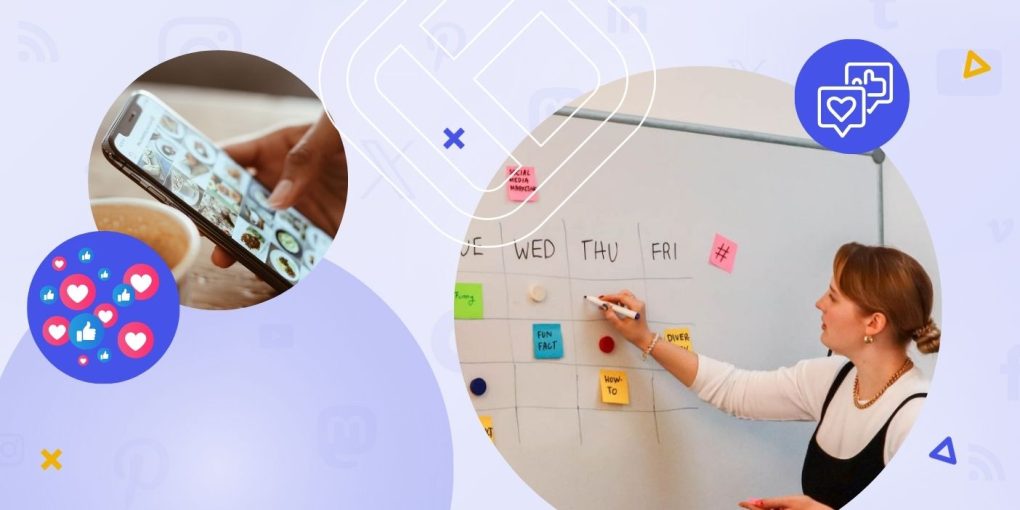
Smooth integration of social media tools into your company’s workflow is vital for productivity and efficiency. Develop a clear social media strategy that Artikels the roles and responsibilities of each team member. Establish a content calendar to schedule posts and maintain a consistent brand presence. Utilize social media scheduling tools to automate tasks and free up your team for more strategic initiatives.
For example, a dedicated social media manager could be responsible for creating content, while other team members might contribute to it or respond to customer inquiries. Automation tools ensure consistent posting schedules, maximizing the visibility of your brand and its products or services.
The Importance of Social Media Analytics and Reporting
Monitoring the performance of your social media campaigns is essential for continuous improvement. Social media analytics provide valuable insights into audience engagement, campaign effectiveness, and platform trends. Regular reporting allows you to track key metrics, identify areas for improvement, and adjust your strategy accordingly. For example, tracking metrics like likes, shares, and comments provides a clear picture of audience response.
Understanding these metrics helps in making data-driven decisions, leading to better outcomes.
Tracking and Measuring Social Media Campaign Effectiveness
Tracking and measuring the success of social media campaigns requires defining clear metrics. Identify key performance indicators (KPIs) that align with your business objectives, such as website traffic, lead generation, or sales. Utilize social media analytics tools to monitor these metrics and generate reports. Analyzing these reports helps identify successful campaigns and strategies, which in turn allows you to scale successful tactics.
A/B testing different approaches to see what resonates with your target audience is an excellent way to optimize results. This data-driven approach leads to increased efficiency and better returns on your social media investments.
Social media tools are amazing for connecting, but sometimes finding the right information can be a pain. That’s where a clever trick like Google Circle to search comes in handy. Using Google Circle to search google circle to search can streamline your research and help you uncover hidden gems within your social media feeds. Ultimately, these kinds of tools enhance the overall experience of navigating the social media landscape.
Social Media Tool Security and Privacy
Social media has become an integral part of our lives, connecting us with friends, family, and the world. However, this interconnectedness comes with a price. The sheer volume of personal data shared online necessitates robust security measures and a deep understanding of privacy implications. This section delves into the crucial aspects of social media tool security and privacy, examining both the safeguards implemented by platforms and the potential vulnerabilities that users face.
Importance of Security and Privacy, Social media tools
Protecting user data is paramount. Compromised accounts can lead to identity theft, financial losses, and emotional distress. Privacy violations can erode trust in social media platforms, potentially damaging their reputation and user base. Maintaining security and privacy fosters a safe and trustworthy online environment for everyone.
Measures Taken by Social Media Platforms
Social media platforms employ various measures to safeguard user data. These include:
- Data Encryption: Sensitive information, such as passwords and financial details, is encrypted during transmission. This prevents unauthorized access by third parties.
- Multi-Factor Authentication (MFA): Adding an extra layer of security by requiring multiple verification methods (e.g., password and code from a mobile device) makes accounts significantly harder to compromise.
- Regular Security Audits: Platforms conduct regular security audits to identify potential vulnerabilities and weaknesses in their systems. This proactive approach helps mitigate risks and prevent future breaches.
- User Privacy Settings: Platforms offer a variety of privacy settings allowing users to control who can see their posts, photos, and other personal information. These settings allow users to customize their privacy based on their comfort level.
- Data Breach Response Plans: Comprehensive plans are in place to respond to and mitigate the impact of data breaches. These plans Artikel procedures for notifying affected users, securing compromised data, and preventing similar incidents in the future.
Examples of Security Breaches
Unfortunately, security breaches are a recurring issue. Instances of data breaches and unauthorized access have significantly impacted users.
- Password leaks: In many cases, leaked passwords are sold or traded on the dark web, potentially allowing criminals to access accounts and steal sensitive information. The impact is significant, affecting individuals across various aspects of their lives.
- Phishing scams: Phishing attempts can trick users into revealing their login credentials or personal information, leading to compromised accounts and potential financial losses. A key example is impersonating legitimate social media platforms.
- Third-party app vulnerabilities: If a third-party app linked to a social media account is compromised, the user’s data could be at risk. This demonstrates the importance of carefully considering the apps connected to their accounts.
Role of Data Privacy Regulations
Data privacy regulations, such as GDPR (General Data Protection Regulation) in Europe and CCPA (California Consumer Privacy Act) in the US, significantly influence social media tool development and usage. These regulations mandate how personal data is collected, used, and protected. Compliance with these regulations forces platforms to implement stricter data security measures and prioritize user privacy. They also empower users with greater control over their data.
Impact of Regulations on Social Media Tools
Data privacy regulations directly impact social media platforms’ development and usage in several ways:
- Enhanced Data Security Measures: Regulations push platforms to implement robust security measures, including encryption and access controls, to protect user data.
- Transparency and Control for Users: Regulations often mandate greater transparency regarding data collection practices, allowing users more control over their data.
- Increased Accountability: Platforms are held accountable for how they handle user data, leading to greater responsibility in safeguarding user privacy.
Last Recap
In conclusion, mastering social media tools is crucial for success in today’s digital world. Understanding the diverse options available, comparing their features, and adapting to emerging trends are all key to optimizing your social media presence. This guide provided a thorough exploration of social media tools, from their practical applications to security best practices, empowering you to make informed decisions and leverage these powerful resources to achieve your goals.