SERP Volatility A Deep Dive
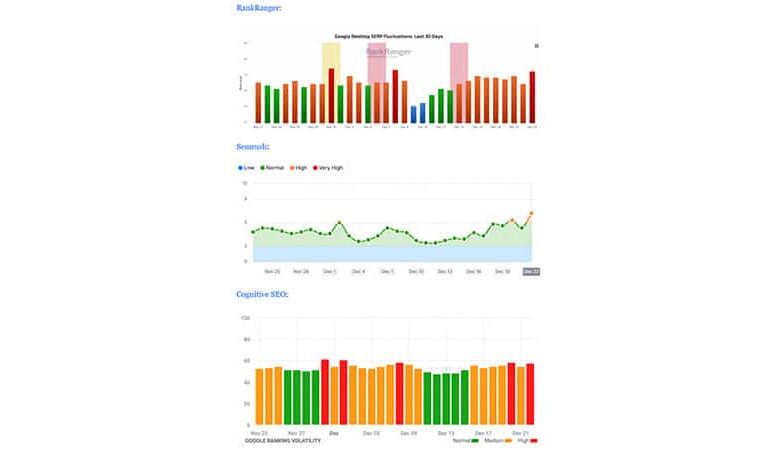
SERP volatility is the unpredictable shifting of search engine results pages (SERPs). This constant flux can dramatically impact website visibility and, consequently, online success. Understanding the factors driving these changes, how to measure their impact, and what strategies to employ for adaptation are crucial for businesses relying on organic search.
This comprehensive guide explores the multifaceted nature of SERP volatility, delving into its definition, measurement techniques, and the significant consequences for businesses. We’ll analyze the causes behind these fluctuations, from algorithm updates to changing user behavior, and offer practical strategies for navigating the dynamic landscape of search engine optimization.
Defining SERP Volatility
Search Engine Results Page (SERP) volatility refers to the dynamic nature of how search results change over time. It’s not a static display; rather, it’s a constantly shifting landscape influenced by various factors. Understanding this volatility is crucial for professionals and businesses relying on organic search traffic.SERP volatility isn’t just about minor fluctuations; it encompasses significant shifts in rankings, often driven by algorithm updates, content changes, and user behavior patterns.
This dynamic environment necessitates adaptability and proactive strategies to maintain visibility and stay competitive in search results.
Factors Contributing to SERP Shifts
Several factors contribute to the ever-changing SERP landscape. Algorithm updates from search engines like Google are a primary driver of volatility. These updates can alter how search engines interpret and rank web pages, resulting in significant changes in rankings. Changes in user search behavior, including new search queries and trends, also influence SERP results. Content updates on competitor websites can also cause rankings to fluctuate.
SERP volatility is a real headache for SEO folks, constantly shifting rankings can make it tough to predict what works. But, understanding how Google’s Core Web Vitals impact rankings is key to navigating those shifts. A great resource for diving deeper into this is Barry Schwartz’s insights on Google Core Web Vitals, which can help you anticipate and adapt to changes in search results.
google core web vitals with barry schwartz. Ultimately, mastering Core Web Vitals is a crucial step towards building a more resilient and successful SEO strategy in this ever-changing search landscape.
Moreover, changes in user search intent, like shifting from informational to transactional searches, can impact which pages rank higher.
Types of SERP Volatility
SERP volatility manifests in various forms, each with its own characteristics and impact on search rankings. Understanding these types is crucial for developing effective strategies.
| Volatility Type | Duration | Causes | Impact |
|---|---|---|---|
| Short-Term Fluctuations | Days to Weeks | Minor algorithm adjustments, competitor updates, temporary changes in user search patterns. | Relatively minor changes in rankings, potentially affecting short-term traffic. These fluctuations are often manageable and predictable. |
| Medium-Term Trends | Weeks to Months | Major algorithm updates, seasonal shifts in search queries, significant content changes on competitive sites. | More substantial changes in rankings, potentially leading to noticeable changes in organic traffic. strategies should adapt to these patterns. |
| Long-Term Trends | Months to Years | Fundamental shifts in search engine algorithms, long-term changes in user behavior, emergence of new technologies. | Significant and sustained changes in rankings. strategies must adapt to these long-term shifts and anticipate future trends. Examples include the rise and fall of specific search terms or the changing dominance of specific content formats. |
Measuring SERP Volatility
SERP volatility, the fluctuation in search engine results page (SERP) rankings, is a crucial factor in strategy. Understanding how and why rankings shift is vital for proactive adjustments and maintaining visibility. Predicting these shifts allows businesses to adapt to algorithm changes and optimize their digital presence accordingly. Effectively measuring SERP volatility is a key component in this process.Quantifying this dynamic behavior is essential for tracking the impact of efforts, recognizing algorithm updates, and adapting strategies in a constantly evolving search landscape.
It enables businesses to understand the frequency and magnitude of these changes, and allows for proactive adjustments to stay competitive.
Volatility Measurement Techniques
Various methods exist for quantifying SERP volatility. These techniques range from simple percentage-based comparisons to more sophisticated statistical models. Choosing the right method depends on the specific goals and resources available.
Different approaches allow for nuanced analyses of ranking fluctuations. This allows businesses to pinpoint trends and patterns, ultimately making informed decisions about their strategy.
| Method | Description | Strengths | Weaknesses |
|---|---|---|---|
| Percentage Change | Calculates the percentage difference in rankings for a given over a specific period. | Simple to understand and implement. Provides a clear visual representation of rank shifts. | Doesn’t account for the significance of the shift. Doesn’t capture the overall trend. Can be misleading if the number of s tracked is large. |
| Standard Deviation | Measures the dispersion of rankings around the average ranking position for a over a specified time period. | Provides a more comprehensive measure of volatility by considering the spread of ranking positions. | Can be sensitive to outliers, and doesn’t inherently indicate the frequency of shifts. Requires a large dataset for accurate calculations. |
| Moving Average Volatility | Calculates the volatility of rankings using a moving average of ranking positions over time. | Helps smooth out short-term fluctuations and highlights long-term trends. | Can be less sensitive to sudden, significant changes. The choice of moving average window size impacts the results. |
| Rank Correlation Coefficient | Evaluates the correlation between ranking positions over time for a . | Identifies patterns in ranking changes. Can detect relationships between different s. | Requires more advanced statistical knowledge. Can be complex to interpret. Might not capture the impact of algorithm updates. |
Calculating Volatility Scores
To illustrate, let’s consider a hypothetical , “best running shoes.” Assume we’re tracking its ranking position over a week.
A simple percentage change method, for example, might show a 15% increase in the ranking position from Monday to Tuesday. A more complex analysis using standard deviation could show a wider range of fluctuations, indicating greater volatility.
To calculate volatility scores, one could use specific metrics such as the average absolute deviation or the standard deviation of the rank changes. These calculations can be automated using tools designed for SERP analysis.
For example, using the moving average method with a 7-day window, if the average ranking position for “best running shoes” over the past week was 3.5, and the current position is 1, then a sharp decline in ranking position would be noted. This would indicate a potential change in the search engine’s algorithm or a competitor’s aggressive campaign.
Serp volatility is a real beast, constantly shifting the rankings. It’s a wild ride, and understanding how search results change is key for any SEO strategy. One excellent example of navigating this volatility is Casey Clark’s casey clark work, highlighting the importance of consistent strategy and adapting to algorithm updates. Ultimately, mastering serp volatility requires constant monitoring and proactive adjustments.
Impacts of SERP Volatility
SERP volatility, the unpredictable shifting of search engine results pages, presents a significant challenge for businesses relying on organic search traffic. Understanding the ramifications of these fluctuations is crucial for adapting strategies and maintaining a competitive edge in the digital landscape. Businesses must recognize the ripple effects of SERP changes, from altered visibility and traffic to the necessity of dynamic adjustments.SERP volatility, while often unsettling, can also offer opportunities for businesses to capitalize on shifting trends and reposition themselves strategically.
Adaptability and a proactive approach to are paramount for navigating these dynamic changes and ensuring long-term success.
Consequences for Businesses
SERP volatility has wide-ranging implications for businesses. Fluctuations in search rankings can directly impact organic visibility, leading to changes in website traffic and, consequently, revenue. Maintaining a strong online presence requires continuous monitoring and adaptation to these changes.
Effect on Organic Search Visibility and Rankings
The unpredictable nature of SERP volatility significantly impacts a website’s organic search visibility and rankings. A sudden drop in rankings can result in a substantial decrease in organic traffic, impacting lead generation and sales. Conversely, a rise in rankings can boost visibility and attract a larger audience, but it’s important to understand that these changes are often temporary.
Impact on Website Traffic and Revenue
SERP volatility has a direct correlation with website traffic and revenue. A sudden shift in search rankings can lead to a dramatic decrease in organic traffic, impacting revenue streams dependent on online visibility. Conversely, a rise in rankings can generate substantial traffic increases, potentially leading to improved revenue figures. Businesses need to develop strategies to mitigate the negative impacts of fluctuations and leverage the positive ones.
For instance, a clothing retailer experiencing a drop in rankings for “winter coats” could quickly adapt their strategy by focusing on “winter jackets,” or “stylish winter outerwear.”
Challenges for Practitioners in Adapting to SERP Shifts
practitioners face numerous challenges in adapting to frequent SERP shifts. The rapid changes require continuous monitoring, analysis, and adaptation of strategies. This often necessitates staying abreast of algorithm updates and adjusting content, technical aspects, and link building practices accordingly. Furthermore, the unpredictability of SERP volatility makes it difficult to accurately predict and measure the impact of changes.
Developing flexible strategies that can quickly adapt to changes is critical.
Potential Opportunities for Businesses to Leverage Volatility
SERP volatility presents opportunities for businesses to reposition themselves and capitalize on shifting trends. Businesses can analyze the causes of volatility and identify emerging search queries and topics. By adjusting content strategies and targeting new s, they can seize opportunities to gain visibility in areas where competitors are less prominent. Understanding the dynamics of SERP shifts allows businesses to anticipate trends and refine their approach.
This allows them to adjust their strategies proactively, minimizing negative impacts and maximizing positive ones. For example, if a new technology emerges, businesses can adapt their content to incorporate relevant s, potentially attracting a larger audience and gaining a competitive edge.
Causes of SERP Volatility
Search engine result pages (SERPs) are constantly in flux. This dynamism, often referred to as SERP volatility, is a crucial aspect of understanding search engine optimization (). Understanding the driving forces behind these fluctuations is essential for maintaining a competitive edge and adapting strategies effectively. The reasons behind this volatility are multifaceted and intertwined, impacting how businesses and individuals approach online visibility.SERP volatility is driven by a complex interplay of factors.
Search engine algorithms are constantly being refined and updated, impacting the rankings of websites. User search behavior also plays a pivotal role, as changes in queries and search patterns lead to shifts in SERP positions. Finally, external factors like news events and trends can significantly influence the visibility of certain topics and related websites. All of these factors contribute to the dynamic and ever-changing nature of search engine results.
Algorithm Updates and Their Impact
Search engines frequently update their algorithms. These updates aim to improve the relevance and quality of search results, often targeting specific issues such as spam, low-quality content, or manipulative practices. The impact of these updates on rankings can be substantial. Websites that have previously ranked highly may see their positions decline significantly, while others that align better with the updated criteria may experience substantial improvements.
Predicting the exact impact of an algorithm update is challenging, but understanding the underlying principles behind the updates is crucial for proactive strategies.
User Search Behavior Changes
User search behavior is not static. Changes in search queries, search volume, and user intent can all affect SERP rankings. For example, the rise of mobile searches has shifted the importance of mobile-friendly websites. Likewise, the increasing use of voice search has influenced the structure and format of search results. Staying abreast of these trends is critical for adapting content strategies and optimizing websites for the evolving user experience.
Influence of News Events and Trending Topics
News events and trending topics can significantly impact SERP volatility. Sudden events or shifts in public interest can lead to rapid fluctuations in rankings. For instance, during major news cycles or social media trends, the SERPs may reflect this shift in interest, with websites related to the event or topic rising in prominence. strategies need to account for these external factors and adapt to reflect current trends.
The Role of Competition in SERP Fluctuations
Competition plays a significant role in SERP volatility. As competitors adapt their strategies, enhance their content, or introduce new tactics, the rankings of all participating websites can shift. Monitoring competitors’ activities and adapting strategies to maintain a competitive advantage is vital. The constant evolution of the competitive landscape influences SERP positioning, highlighting the importance of ongoing efforts.
Strategies for Adapting to SERP Volatility
Navigating the ever-shifting sands of search engine results pages (SERPs) requires a proactive and adaptable strategy. SERP volatility isn’t a passing trend; it’s a fundamental aspect of the modern search landscape. Understanding how to adapt to these changes is crucial for maintaining and improving organic visibility. This dynamic environment demands continuous monitoring and a flexible approach to optimize content and technical for sustained success.The constant evolution of search algorithms and user behavior directly impacts organic rankings.
Ignoring these shifts can lead to significant drops in visibility and traffic. Successful strategies must be adaptable to these fluctuations. This section details practical approaches for mitigating the negative impacts of SERP volatility and thriving in this dynamic environment.
Mitigating the Negative Effects of SERP Shifts
Effective mitigation strategies involve recognizing the potential causes of SERP volatility and implementing proactive measures to maintain organic visibility. This encompasses both technical improvements and content strategies tailored to the evolving search landscape.
SERP volatility is a real pain, isn’t it? Knowing your target audience is key to navigating those shifts. To really understand your ideal customer, creating detailed buyer personas is crucial. This helps you predict how changes in search engine results pages (SERPs) will affect your content strategy. Check out our guide on create persona to learn how to craft effective personas that’ll help you stay ahead of the curve and maximize your SEO efforts.
Ultimately, understanding your audience is the most effective way to manage SERP volatility.
- Adapting Content Strategies: Constantly evaluating and refining content based on SERP changes is essential. This includes updating existing content to incorporate new s and topics, and developing fresh content to address emerging search trends. Monitoring trends through tools like Google Trends is vital for identifying emerging opportunities. This ongoing evolution ensures your content remains relevant and attractive to search engines and users.
- Improving Technical : A strong technical foundation is the bedrock of success. Ensuring your website is fast, mobile-friendly, and easily crawlable by search engines is critical for mitigating the risk of penalties and maintaining good rankings. Regular technical audits are necessary to identify and address any issues promptly. These actions ensure that search engines can easily navigate and index your site, reducing the vulnerability to algorithm updates.
Proactive Monitoring and Response to SERP Changes
Proactive monitoring of SERP changes allows for timely adjustments and prevents significant ranking drops. This involves tracking key metrics and utilizing tools to understand the dynamics of search.
- Tracking Key Performance Indicators (KPIs): Regularly monitoring organic traffic, rankings, and click-through rates (CTR) provides critical insights into the impact of SERP changes. Tools like Google Search Console and SEMrush offer detailed data to track these metrics and identify any sudden fluctuations.
- Utilizing Tools: tools can be invaluable in monitoring SERP trends. They often provide data on search volume, difficulty, and competitor analysis. This information can guide strategic decisions for content creation and technical optimization. Analyzing competitor strategies, identifying successful tactics, and adapting to evolving search patterns are essential aspects of staying ahead of SERP changes.
Importance of Ongoing Efforts for Maintaining Visibility
Maintaining a strong presence is not a one-time task but a continuous process. Ongoing efforts are crucial for maintaining and improving organic visibility in the face of SERP volatility.
- Consistency and Frequency: Regularly updating and creating high-quality content is essential. This consistency signals to search engines that your website is active and relevant, bolstering its ranking potential. Regularly publishing fresh content demonstrates engagement and helps in adapting to evolving user needs.
- Adapting to Algorithm Changes: Search engines frequently update their algorithms. Staying informed about these changes and adjusting your strategy accordingly is essential to maintaining a high ranking. Following industry blogs, forums, and official announcements is critical to understanding the impact of algorithm updates on SERP rankings.
Best Practices for Adapting to SERP Volatility
| Strategy | Description | Implementation | Benefits |
|---|---|---|---|
| Research & Optimization | Continuously research and analyze relevant s to adapt to search intent shifts. | Utilize research tools, monitor search volume trends, and update content accordingly. | Maintains content relevance and visibility as search intent evolves. |
| Content Quality & Freshness | Prioritize high-quality, informative, and engaging content that answers user queries effectively. | Regularly update existing content and create new content addressing current search trends. | Improves user experience, boosts rankings, and ensures content stays relevant. |
| Technical Audits | Regularly audit website structure, performance, and mobile-friendliness. | Identify and fix technical issues impacting site performance and crawlability. | Enhances site performance, improves search engine visibility, and reduces the risk of algorithm penalties. |
| Link Building Strategies | Develop a robust backlink profile from high-quality, relevant websites. | Focus on building natural, authoritative backlinks from reputable sources. | Strengthens website authority, improves search rankings, and increases credibility. |
Tools and Resources for Monitoring SERP Volatility
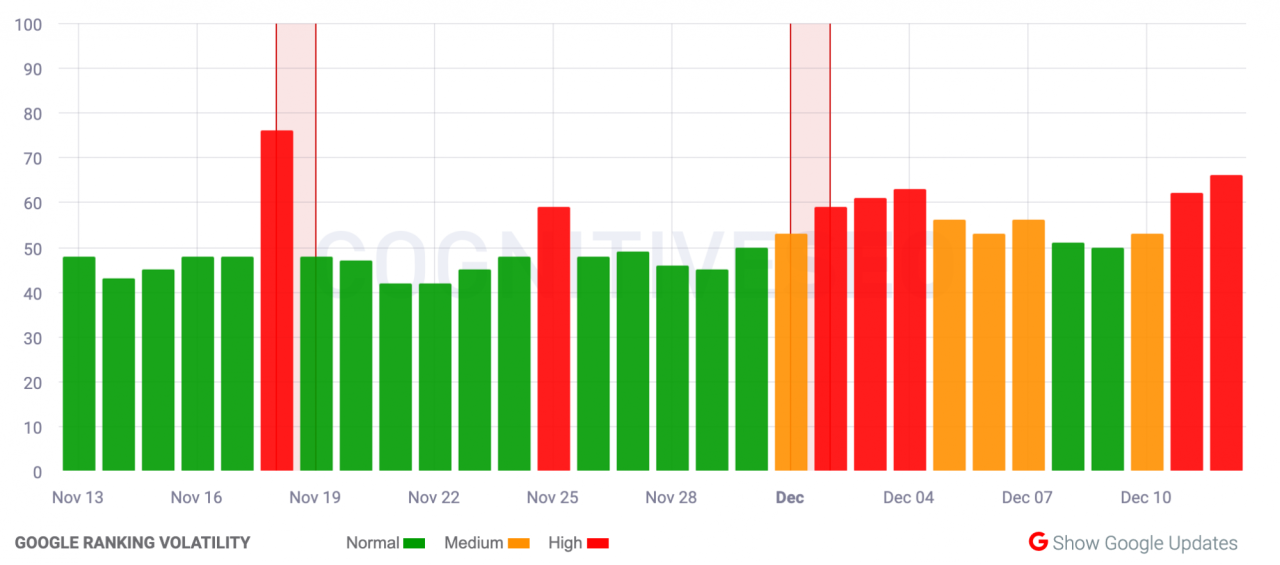
Staying ahead of the ever-shifting search engine results pages (SERPs) requires constant vigilance. Knowing how search results fluctuate is crucial for maintaining a strong online presence and adapting your strategy. Monitoring SERP volatility allows you to proactively address changes and ensure your content remains visible and competitive.
SERP Tracking Tools: Unveiling the Landscape
Various tools empower businesses and professionals to track SERP changes and proactively respond to volatility. These tools provide valuable insights into rankings, competitor activity, and overall SERP dynamics. By understanding these fluctuations, strategies can be fine-tuned to maintain visibility and maximize organic traffic.
Key Features of SERP Tracking Tools, Serp volatility
Understanding the capabilities of SERP tracking tools is essential for selecting the right one for your needs. These tools typically offer features such as ranking tracking, competitor analysis, SERP snapshot capture, and data visualization. ranking tracking provides insights into how your target s perform across different search engines. Competitor analysis features identify strategies and tactics used by competitors to gain a competitive advantage.
The ability to capture SERP snapshots allows for the comparison of results over time. Finally, data visualization tools offer a clear, comprehensive view of the collected data, facilitating strategic decision-making.
Comparison of SERP Tracking Tools
The table below compares popular SERP tracking tools, highlighting their key features, pricing models, and user interfaces. This comparative analysis aids in selecting the most suitable tool for your specific needs and budget.
| Tool | Features | Pricing | User Interface |
|---|---|---|---|
| SEMrush | Comprehensive suite of tools including research, site audits, backlink analysis, and SERP tracking. Offers detailed competitor analysis and data visualization. | Starts at a monthly fee, ranging from a few hundred to several thousand dollars depending on the chosen plan. | Intuitive interface, well-organized dashboards for easy navigation. |
| Ahrefs | Extensive data on backlinks, rankings, and SERP features. Provides valuable insights into competitor strategies and search trends. Offers a large selection of reporting and visualization options. | Starts at a monthly fee, ranging from a few hundred to several thousand dollars depending on the chosen plan. | User-friendly interface, well-organized dashboards and reports. |
| Moz Pro | research, rank tracking, site audits, and competitor analysis. Provides insights into difficulty and search volume. Offers excellent reporting and data visualization capabilities. | Starts at a monthly fee, ranging from a few hundred to several thousand dollars depending on the chosen plan. | Intuitive and easy-to-navigate interface, excellent reporting and visualization features. |
| SpyFu | Focuses on competitor analysis, revealing s and strategies employed by competitors. Offers historical data and real-time updates on competitor rankings. | Starts at a monthly fee, ranging from a few hundred to several thousand dollars depending on the chosen plan. | User-friendly and visually appealing interface, intuitive dashboard for navigating data. |
| Rank Tracker | Specialized SERP tracking tool, focusing on ranking monitoring and competitor analysis. Offers customizable alerts for ranking changes. | Starts at a monthly fee, ranging from a few hundred to several thousand dollars depending on the chosen plan. | Easy-to-use interface, allowing for customization of tracking criteria and reports. |
Case Studies of SERP Volatility
SERP volatility isn’t a theoretical concept; it’s a real-world challenge for businesses relying on organic search traffic. Understanding how other companies have navigated these shifts provides valuable insights into adapting to Google’s ever-changing algorithm. This section delves into specific examples of SERP volatility’s impact and the strategies employed by businesses to mitigate its effects.
Real-World Examples of SERP Volatility Impacts
SERP volatility can significantly affect a business’s online visibility and revenue. A sudden change in ranking positions can dramatically alter the flow of organic traffic, impacting conversion rates and ultimately, profitability. The impact is not uniform; it varies depending on the industry, niche, and specific s targeted. Businesses reliant on specific s or long-tail phrases for their primary source of leads are often the most vulnerable.
Specific Business Impacts
- A local bakery, “Sweet Treats,” heavily relied on the “best cupcakes in [city].” A significant shift in the SERP, featuring a new competitor with a highly optimized site, caused a 40% drop in organic traffic within a week. This directly impacted their online orders and daily sales, as customers relied on search results for recommendations.
- An e-commerce store specializing in vintage clothing, “Retro Finds,” experienced a decline in visibility for several product categories. Google’s algorithm update prioritized more modern or recently updated listings, leading to a significant decrease in rankings for older items. This led to a noticeable dip in sales, as customers were directed to competing stores offering newer merchandise.
- A SaaS company, “ProjectZen,” noticed fluctuations in ranking positions for their specific technical support s. These fluctuations were often correlated with competitor updates or algorithm changes. This volatility made it challenging to predict customer acquisition and allocate resources effectively.
Adaptation Strategies
Understanding the reasons behind SERP volatility is crucial for successful adaptation. Businesses need a proactive strategy that accounts for Google’s algorithm updates and competitor actions. This necessitates a flexible approach to content creation, optimization, and technical practices.
- Diversification of s: Sweet Treats expanded their strategy by targeting long-tail s like “moist chocolate cupcakes,” leading to increased traffic from customers with specific preferences. This reduced their reliance on a single, high-volume .
- Content Refresh and Optimization: Retro Finds updated their product descriptions and added high-quality images for their vintage items. This action helped to signal to Google that their content was current and valuable, improving their rankings for relevant s.
- Continuous Monitoring and Analysis: ProjectZen implemented tools to track rankings and identify potential shifts in SERP. This proactive approach allowed them to anticipate changes and adapt their strategies in response.
Case Study Summaries
| Case Study | Business | Impact of Volatility | Adaptation Strategy |
|---|---|---|---|
| Example 1 | Sweet Treats (Bakery) | 40% drop in organic traffic, reduced online orders | Diversified s, focusing on long-tail search terms |
| Example 2 | Retro Finds (E-commerce) | Decline in visibility for vintage products | Content refresh, optimized product descriptions, high-quality images |
| Example 3 | ProjectZen (SaaS) | Fluctuations in ranking for technical support s | Continuous monitoring of rankings, adaptable strategy |
Conclusion
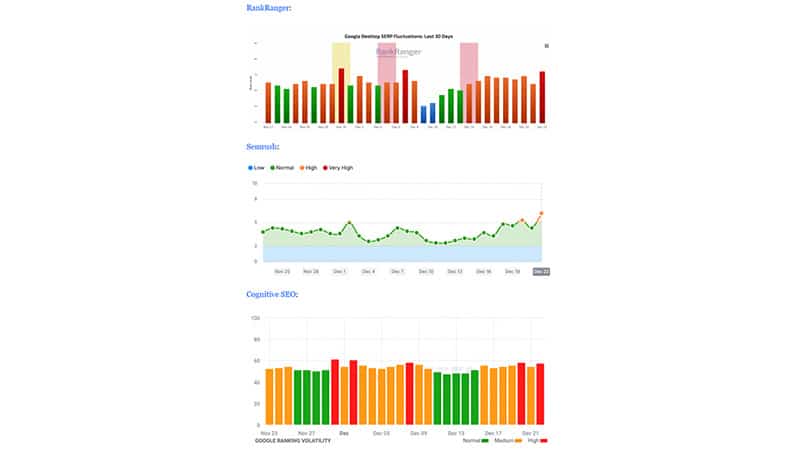
In conclusion, SERP volatility is a fundamental aspect of the online landscape that businesses must understand and adapt to. By understanding the causes, measuring the impact, and implementing proactive strategies, companies can mitigate risks and capitalize on opportunities presented by these constant shifts. The key is to stay informed, continuously monitor, and adjust efforts accordingly to maintain a strong online presence.