Franchise Sales CRM A Comprehensive Guide
Franchise sales CRM sets the stage for optimizing franchise operations, streamlining sales processes, and enhancing communication between franchisors and franchisees. This guide dives deep into the world of franchise sales CRM software, exploring its functionalities, benefits, challenges, and implementation strategies. We’ll uncover how different franchise models leverage CRM systems and delve into crucial aspects like data management, reporting, and user adoption.
From defining franchise sales CRM to outlining the key functionalities and available systems, this guide covers the spectrum of franchise sales CRM. We’ll also analyze the benefits and challenges associated with implementation, plus provide insights into selecting, integrating, and managing data within a franchise sales CRM.
Introduction to Franchise Sales CRM
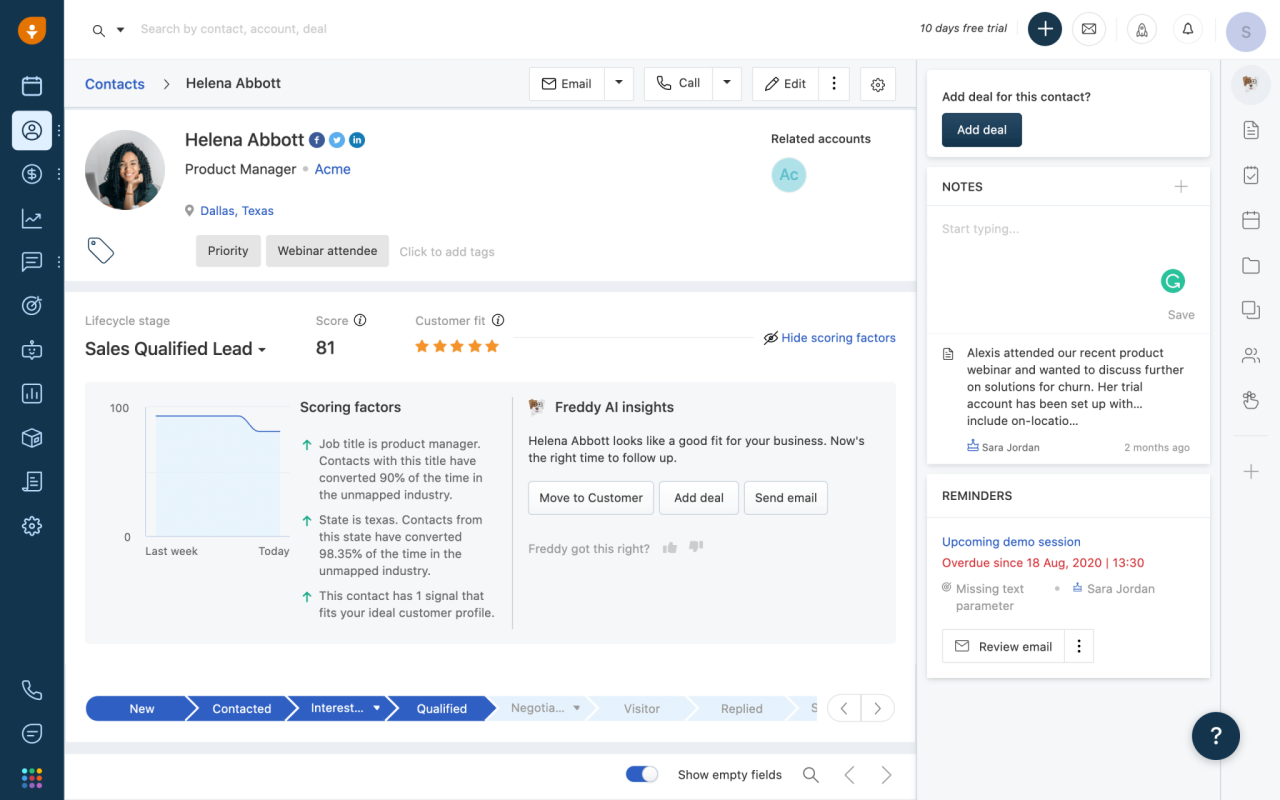
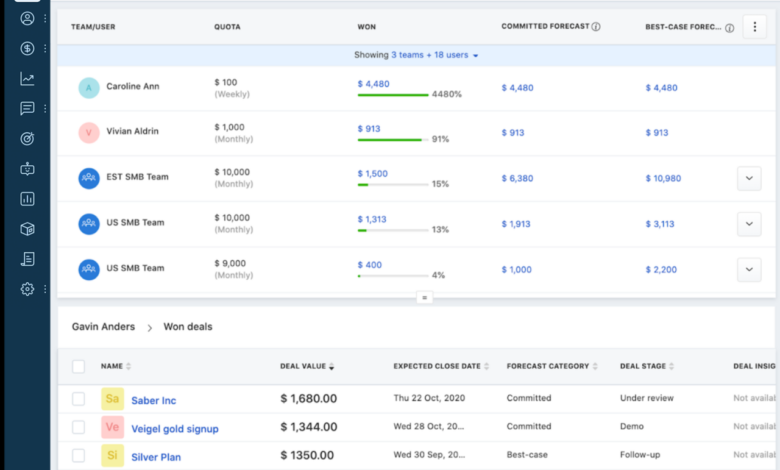
Franchise Sales CRM software is a specialized tool designed to streamline and optimize the entire franchise sales process. It helps franchisors manage their relationships with franchisees, track sales performance, and provide ongoing support. This centralized system provides a comprehensive view of the entire franchise network, fostering efficiency and growth.A Franchise Sales CRM acts as a central hub for all franchise-related activities.
It encompasses tools for lead management, sales forecasting, and customer relationship management within a franchise structure. This allows for better coordination between franchisor and franchisees, enabling both parties to achieve their respective goals.
Key Functionalities of a Franchise Sales CRM
A Franchise Sales CRM goes beyond basic contact management. It provides a multitude of functionalities that significantly enhance efficiency and profitability. These include lead generation tracking, sales pipeline management, and comprehensive reporting capabilities. This comprehensive approach allows for a deep dive into sales performance and identification of potential areas for improvement.
- Lead Management: The CRM facilitates the collection, organization, and prioritization of potential franchisee leads. This helps streamline the lead qualification process and ensure that only qualified prospects are contacted.
- Sales Pipeline Management: Visualizing and tracking the progress of leads through the sales pipeline enables proactive intervention and effective management of the sales process.
- Performance Reporting and Analytics: Comprehensive reports on franchisee performance, sales trends, and other key metrics provide insights into areas for improvement and opportunities for growth.
- Communication and Collaboration Tools: Facilitates communication between franchisors and franchisees, improving collaboration and information sharing. This includes features like automated email marketing, internal messaging systems, and shared document repositories.
Types of Franchise Sales CRM Systems
The market offers various franchise sales CRM systems, each catering to specific needs and budgets. Some systems are cloud-based, while others are on-premise. The choice depends on the franchisor’s infrastructure and scale.
- Cloud-based systems: These offer accessibility from anywhere with an internet connection, typically requiring no significant upfront investment in hardware or software installation.
- On-premise systems: Offer greater control over data security and customization options but often involve higher upfront costs and require dedicated IT support.
- Custom-developed systems: Tailored to specific needs, providing maximum control and flexibility. However, these are often more expensive and require a significant time commitment for development and implementation.
Implementation in Different Business Models
Franchise Sales CRM systems can be adapted to various business models, including those with a diverse range of franchisees and territories. For example, a franchisor with multiple international locations might use a CRM to manage franchisee performance across various time zones.
- International Franchises: A CRM can track franchisee performance across different time zones and currencies, ensuring consistent support and performance monitoring across the globe.
- Multiple-Product Franchises: These systems help manage sales of different products or services offered by the franchisees, allowing for comprehensive analysis and forecasting of each product line’s performance.
- Complex Franchise Structures: Sophisticated CRMs can manage complex franchise structures with multiple levels of franchisees and territories, maintaining a clear view of the entire network.
Comparison of Popular Franchise Sales CRM Systems
The table below compares three popular franchise sales CRM systems based on key features.
| Feature | System A | System B | System C |
|---|---|---|---|
| Lead Management | Excellent lead qualification tools and automation | Robust lead scoring and nurturing features | Intuitive lead capture and organization |
| Sales Pipeline Management | Detailed pipeline visualization with customizable stages | Advanced forecasting tools based on historical data | Simple, yet effective, pipeline visualization |
| Reporting & Analytics | Comprehensive reporting dashboards with customizable views | Interactive charts and graphs for quick insights | Basic reporting with standard reports and data exports |
| Pricing | Starts at $XXX per month | Starts at $YYY per month | Starts at $ZZZ per month |
Benefits of Using Franchise Sales CRM
Franchise sales are complex, involving multiple locations, franchisees, and customer touchpoints. A robust CRM system can be a game-changer for streamlining operations and boosting profitability. By centralizing data and automating tasks, franchise businesses can gain a competitive edge and foster stronger relationships with both franchisees and customers.
Streamlining Sales Processes
Franchise sales CRM systems automate many repetitive tasks, such as lead management, scheduling, and follow-up. This frees up valuable time for franchisees and franchisors to focus on higher-value activities, like building relationships and closing deals. Automating these tasks not only increases efficiency but also reduces the likelihood of human error, leading to more accurate and consistent results. For instance, automated reminders and follow-up emails ensure that potential customers don’t fall through the cracks, while lead routing ensures that the right person is handling each lead based on their area of expertise.
Improving Communication and Collaboration, Franchise sales crm
A centralized platform facilitates seamless communication and collaboration between franchisors and franchisees. Real-time updates, shared dashboards, and instant messaging features help everyone stay on the same page, fostering a more unified and productive franchise network. This improved communication reduces misunderstandings, minimizes delays, and ultimately strengthens the overall franchise system. For example, a franchisor can instantly share important updates with all franchisees, ensuring everyone is aware of new marketing campaigns, promotions, or policy changes.
Franchise sales CRM systems are crucial for organizing leads and tracking sales progress. However, are you maximizing your potential? Consider this: social media platforms like Twitter might not be the most effective tools for boosting your franchise sales. In fact, checking out 10 reasons you should stop using twitter and one big reason you shouldnt could reveal some eye-opening insights.
Ultimately, a well-structured CRM, integrated with the right strategies, will prove far more valuable for driving franchise sales growth than relying on fleeting social media trends.
Enhancing Data Management and Reporting
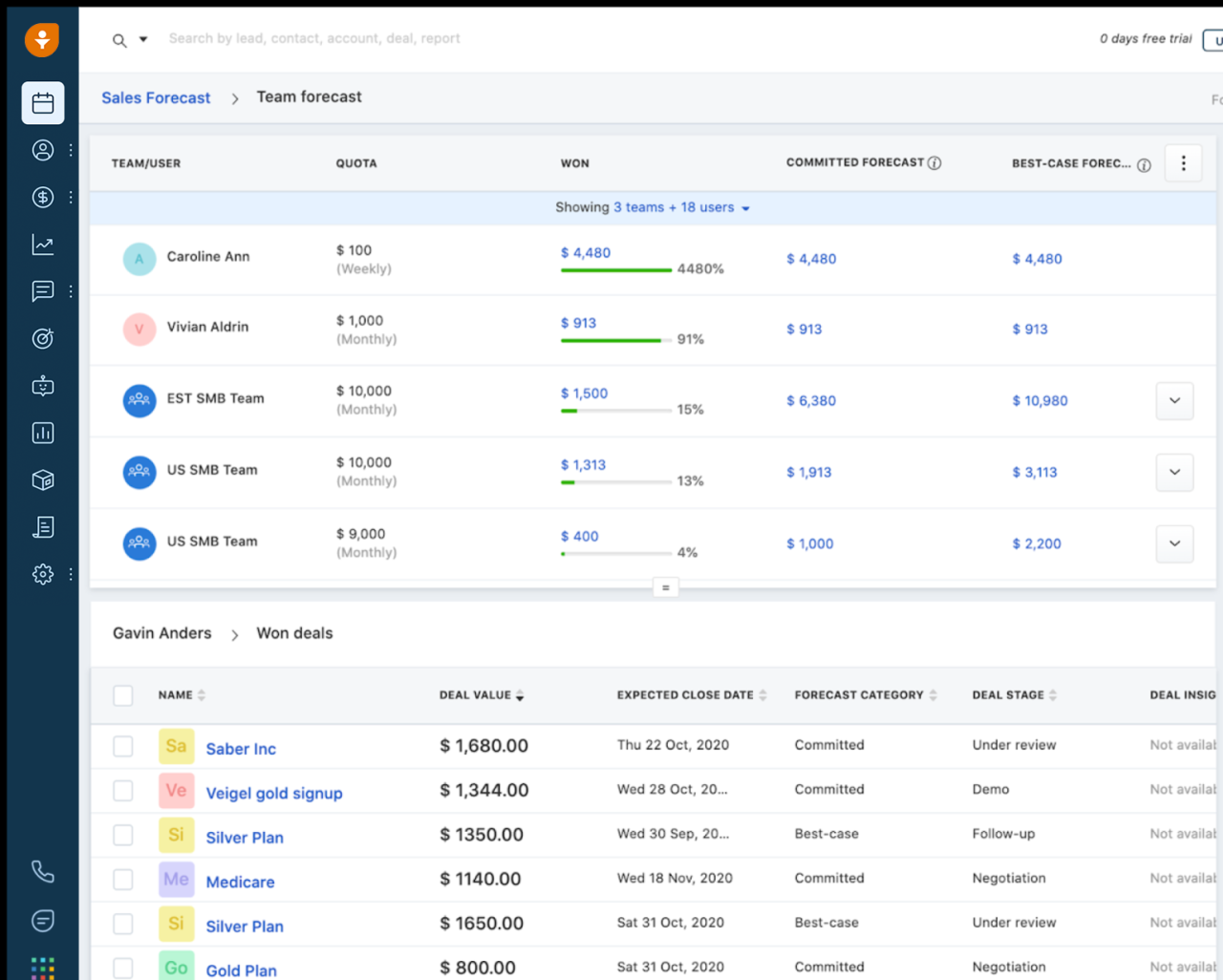
Franchise sales CRM systems provide a comprehensive view of all sales data across the entire network. This data can be analyzed to identify trends, pinpoint areas for improvement, and make data-driven decisions. Detailed reports, dashboards, and customizable views allow franchisees and franchisors to monitor key performance indicators (KPIs) and track progress toward goals. For example, a franchisor can use sales data to identify which franchisees are performing exceptionally well and which may need additional support.
Improving Customer Relationship Management
A CRM system enables the franchise network to build and maintain stronger customer relationships. By centralizing customer data, the system allows franchisees to understand customer preferences, purchase history, and interactions. This allows for more personalized and effective customer service, leading to increased customer loyalty and retention. For example, franchisees can use customer data to tailor marketing messages, provide targeted promotions, and offer customized service solutions.
Franchise sales CRM systems are crucial for streamlining operations, but they’re only as effective as your marketing strategies. To really maximize your return on investment (ROI) with those sales tools, you need to leverage the power of social media marketing, like strategies outlined in this helpful guide on increase roi social media marketing. Ultimately, integrating a robust social media presence with your franchise sales CRM will create a potent combination for driving sales and boosting overall profitability.
Key Benefits of Franchise Sales CRM
| Benefit | Description | Quantifiable Metrics (Example) |
|---|---|---|
| Increased Sales Efficiency | Automating tasks, improving lead management, and streamlining sales processes. | 15-20% increase in sales conversions. |
| Enhanced Communication | Improved collaboration and communication between franchisors and franchisees. | Reduced customer complaints by 10%. |
| Improved Data Visibility | Comprehensive data analysis and reporting across the franchise network. | Identification of top-performing franchisees and areas needing support. |
| Stronger Customer Relationships | Personalized customer service and tailored marketing strategies. | 15% increase in customer retention rate. |
| Reduced Operational Costs | Automation of tasks and improved efficiency leading to lower overhead. | Estimated annual cost savings of $10,000 – $20,000 per franchise. |
Challenges in Implementing Franchise Sales CRM
Implementing a Franchise Sales CRM system, while offering significant benefits, presents unique challenges. These hurdles often stem from the diverse nature of franchise operations, the varying levels of technological expertise across franchisees, and the complexities of integrating the CRM with existing systems. Overcoming these challenges is crucial for successful CRM adoption and maximizing its return on investment.
Data Migration and Integration
Data migration is often a significant undertaking when implementing a CRM. Franchisees often operate with disparate data systems, ranging from spreadsheets to custom-built applications. Migrating this data to a centralized CRM requires careful planning and execution. Issues can arise from data format inconsistencies, incomplete data sets, and the need to cleanse and standardize data before it can be effectively utilized in the CRM.
Integration with existing systems, like point-of-sale (POS) systems or inventory management software, is another critical hurdle. Lack of seamless integration can lead to duplicated effort, data inconsistencies, and ultimately, reduced efficiency. For example, if a franchisee’s POS system isn’t integrated with the CRM, sales representatives may need to manually enter customer information, leading to errors and time wasted.
Training and User Adoption
User adoption is critical for any CRM system, especially within a franchise network. Franchises need to develop comprehensive training programs that equip employees with the skills to effectively use the CRM. Lack of training can lead to low user adoption rates, reduced system utilization, and ultimately, wasted investment. Addressing the different technical skills and comfort levels of franchisees and their staff is essential for effective training.
This could involve different training methods for different roles and responsibilities within the franchise.
Security Concerns and Data Privacy
Implementing a CRM introduces new security and data privacy considerations, especially when dealing with sensitive customer data. Franchises must ensure the CRM system meets the required security standards, such as data encryption and access controls. Compliance with data privacy regulations, like GDPR, is paramount. Failure to address these issues can lead to data breaches, legal repercussions, and damage to the franchise’s reputation.
A strong security policy, including regular security audits and employee training on data protection, is essential.
Mitigating Implementation Challenges
To mitigate these challenges, a structured approach to CRM implementation is crucial. A phased rollout can help manage the complexities of data migration and integration.
- Thorough Assessment and Planning: A comprehensive assessment of current data systems and processes, followed by detailed planning for data migration, integration, and training, is vital. This stage involves identifying specific needs and creating a realistic implementation timeline. The planning phase should also account for different franchisee locations and their unique needs.
- Data Standardization and Cleansing: A critical step involves standardizing data formats and addressing inconsistencies across franchisees. Data cleansing ensures accuracy and prevents inaccuracies and errors in the CRM. This might include creating a consistent data entry template across all franchise locations.
- Phased Implementation and Testing: A phased rollout of the CRM, starting with a pilot group of franchisees, allows for testing and refinement before full implementation. This phased approach ensures that any issues are identified and resolved early in the process. Testing should include real-world scenarios and involve franchisees actively.
- Comprehensive Training Program: A structured and comprehensive training program is essential to ensure all users understand the CRM’s functionalities and how to use it effectively. This program should be tailored to different roles and experience levels within the franchise network. Training materials should be readily available and easily accessible.
- Ongoing Support and Maintenance: Post-implementation, ongoing support and maintenance are essential to address any issues or queries, ensure continued system functionality, and encourage user engagement. This might involve establishing dedicated support channels for franchisees to resolve issues quickly.
CRM System Selection and Implementation
Choosing the right CRM system is crucial for franchise success. A poorly implemented or unsuitable system can hinder growth, increase operational costs, and ultimately damage the franchise brand. Careful consideration of the system’s features, functionality, and alignment with the franchise model is paramount. A robust CRM system can streamline operations, improve communication, and enhance the overall franchise experience.
Franchise sales CRM systems are crucial for organizing leads and boosting efficiency. But, to really maximize your sales efforts, leveraging tools like Mailchimp is key. Learning how to use Mailchimp’s features effectively can dramatically increase your reach and engagement, as detailed in this guide on how to use Mailchimp 7 expert hacks for doubling your revenue.
Ultimately, combining a robust CRM with targeted email marketing campaigns will give your franchise sales a significant edge in the competitive market.
Factors to Consider When Selecting a Franchise Sales CRM
Selecting a CRM system involves more than just picking the “best” option. A successful implementation requires careful consideration of specific franchise needs. This includes evaluating factors such as scalability, integration capabilities, reporting features, and user-friendliness. Consideration of long-term growth plans is essential. A system that can adapt to evolving business needs is critical.
Evaluating Potential CRM Solutions
Evaluating potential CRM solutions requires a systematic approach. A comprehensive evaluation should include a trial period to assess the system’s functionality in a live environment. The usability of the system should be tested by end-users. Key performance indicators (KPIs) should be defined and measured throughout the trial period to gauge the system’s effectiveness. This includes examining how the system aligns with existing business processes.
Specific Needs of the Franchise Model
Franchise models vary significantly. A system that works for one franchise might not suit another. Consideration of the specific franchise model, including the number of franchises, geographical spread, and the complexity of the sales process is essential. The CRM should support the unique characteristics of the franchise model. This means understanding the unique sales cycles, communication patterns, and support structures within the franchise.
Best Practices for Successful CRM Implementation
Successful CRM implementation is a multi-step process that demands careful planning. Training and support are crucial to ensuring that all franchisees effectively use the new system. Clear documentation and user manuals should be provided. Regular reviews and updates are vital for ongoing improvements and maintaining the system’s relevance. Prioritizing data migration and data security protocols will be essential to ensure a smooth transition.
Criteria for Selecting a Franchise Sales CRM System
| Criteria | Importance (High/Medium/Low) | Description |
|---|---|---|
| Scalability | High | The system must be able to accommodate future growth and expansion. |
| Integration Capabilities | High | The system must integrate seamlessly with existing systems (e.g., accounting software, marketing automation tools). |
| Reporting and Analytics | High | The system should provide comprehensive reports and analytics to track key performance indicators (KPIs) and identify areas for improvement. |
| User-Friendliness | Medium | The system should be intuitive and easy to use for all franchisees. |
| Customization Options | Medium | The system should allow for customization to meet specific franchise needs and business processes. |
| Customer Support | High | Comprehensive and responsive customer support is essential for troubleshooting and guidance. |
| Security | High | Data security and protection should be a top priority. |
CRM Integration with Other Systems
Franchise sales CRMs are powerful tools, but their true potential is unlocked when integrated with other business applications. Integrating a franchise sales CRM with other systems like accounting software and marketing automation platforms creates a seamless flow of data, significantly improving efficiency and decision-making. This integration allows for a holistic view of the franchise operation, from lead generation to sales closure and ultimately, profitability.Integrating a franchise sales CRM with other systems streamlines processes, minimizes manual data entry, and provides a unified view of customer interactions across all channels.
This allows franchisees to gain valuable insights into their performance and make informed decisions based on real-time data. For example, a franchisee can quickly see the sales figures from their CRM and immediately compare them with marketing campaign costs from their marketing automation platform, enabling adjustments in real-time to optimize their efforts.
Potential Integrations
Franchise sales CRMs can be integrated with a wide range of applications, enhancing their functionality and streamlining operations. Common integrations include accounting software, marketing automation platforms, e-commerce platforms, and point-of-sale (POS) systems. These integrations provide a complete picture of the franchise business, from initial customer interaction to final transaction.
Benefits of CRM Integration
Integrating a franchise sales CRM with other systems offers numerous benefits. Improved data flow, reduced data entry errors, and real-time reporting are some key advantages. A unified view of customer interactions across all channels provides comprehensive insights, facilitating better decision-making and improved customer service. For example, a franchisee can instantly see customer purchase history from their accounting software, which in turn allows for targeted upselling and cross-selling opportunities.
Common Integrations
- Accounting Software: Integrating with accounting software enables automatic transfer of sales data, improving accuracy and reducing manual data entry. This integration ensures that sales figures are immediately reflected in the financial statements, allowing for timely analysis and financial reporting. This eliminates the need for manual data entry and reconciliation, saving significant time and effort.
- Marketing Automation Platforms: Integrating with marketing automation platforms allows for seamless lead nurturing and campaign tracking. Marketing campaigns can be triggered based on customer data from the CRM, resulting in more targeted and effective marketing efforts. This creates a cohesive customer journey, improving the effectiveness of marketing efforts.
- E-commerce Platforms: Integration with e-commerce platforms enables automated order processing and inventory management, improving operational efficiency. This integration provides a centralized view of online sales and customer interactions, streamlining order fulfillment and reducing errors.
- Point-of-Sale (POS) Systems: Integrating with POS systems allows for real-time updates of sales data, inventory levels, and customer transactions. This integration provides a holistic view of the entire sales process, from initial customer interaction to final purchase.
Step-by-Step Integration Process
The integration process typically involves these steps:
- Identify the desired integrations: Determine which applications need to be integrated with the franchise sales CRM.
- Select the integration tools: Choose the appropriate integration tools offered by the CRM provider or third-party vendors.
- Configure the integrations: Set up the integration parameters, mapping data fields between systems.
- Test the integration: Thoroughly test the integration to ensure data transfer accuracy.
- Implement the integration: Deploy the integration and monitor its performance.
Data Flow Diagram
(Illustrative Diagram)
Imagine a simplified diagram showing three boxes: “Franchise Sales CRM,” “Accounting Software,” and “Marketing Automation Platform.” Arrows connecting the boxes would illustrate the data flow. The CRM would send sales data to the accounting software, and the accounting software would provide financial information back to the CRM. The CRM would also share customer data with the marketing automation platform, enabling targeted marketing campaigns.
(Note: A visual diagram would be ideal here, but is omitted as requested.)
Data Management and Reporting in Franchise Sales CRM
Effective franchise sales depend heavily on accurate and insightful data. A robust CRM system allows for meticulous data collection and analysis, empowering franchises to track performance, identify trends, and make informed decisions. This section delves into the crucial aspects of data management and reporting within a franchise sales CRM.
Data Collection and Management Methods
Franchise sales CRMs offer various methods for collecting and managing customer data. These methods typically include automated data entry from sales interactions, customer surveys, and feedback forms. Integrating with external systems, such as point-of-sale (POS) systems, provides a streamlined approach for capturing transactional data. Manual entry should be minimized, but may be necessary for certain types of data, such as customer preferences and feedback.
Data validation rules and quality checks are essential to ensure accuracy and consistency.
Types of Reports Generated by Franchise Sales CRM
Franchise sales CRMs provide a plethora of reports, enabling deep dives into various aspects of the business. These reports help track key performance indicators (KPIs), analyze sales trends, and identify areas for improvement. Different report types cater to various needs, from high-level overviews to detailed granular analysis.
- Sales Performance Reports: These reports track sales figures, identifying top-performing franchisees, products, or sales representatives. They reveal sales patterns over time, highlighting seasonal variations or emerging trends.
- Customer Segmentation Reports: These reports categorize customers based on various criteria (e.g., demographics, purchase history, product preferences). This allows for targeted marketing campaigns and personalized customer service, leading to increased customer loyalty and satisfaction.
- Lead Tracking Reports: These reports provide a comprehensive view of lead generation and conversion rates. They highlight which marketing channels are most effective and identify bottlenecks in the sales pipeline. This helps to optimize lead nurturing strategies and improve sales conversion rates.
- Inventory Management Reports: These reports monitor inventory levels, allowing franchises to proactively manage stock and prevent shortages or overstocking. They also identify popular products, allowing for better inventory allocation and optimized resource management.
- Profitability Reports: These reports provide insights into the profitability of different products, sales channels, or franchisees. They help in identifying areas where profits can be maximized and losses minimized. Profitability analysis informs strategic decision-making.
Importance of Data Accuracy and Consistency
Accurate and consistent data is paramount for reliable reporting and effective decision-making. Data entry errors and inconsistencies can lead to misleading insights, inaccurate forecasts, and ultimately, poor business decisions. Implementing data validation rules and regular data quality checks minimizes these issues. Data cleansing procedures help to ensure the data is consistently formatted, eliminating discrepancies and ensuring accurate reporting.
Actionable Insights from CRM Data
CRM data provides a wealth of actionable insights. For example, identifying top-performing franchisees and replicating their strategies can boost overall sales. Understanding customer segments and their preferences allows for personalized marketing campaigns. Analyzing sales trends can predict future demand and optimize inventory levels. Ultimately, data-driven insights lead to optimized business strategies, enhanced efficiency, and increased profitability.
Example of Reports and Use Cases
| Report Type | Potential Use Cases |
|---|---|
| Sales Performance by Franchisee | Identify high-performing franchisees, identify training needs, and implement successful strategies across the franchise. |
| Customer Segmentation by Product | Target specific customer segments with tailored marketing campaigns, personalize customer service interactions, and improve product offerings. |
| Lead Conversion Rate by Channel | Evaluate marketing campaign effectiveness, optimize lead generation strategies, and reallocate resources to high-performing channels. |
| Inventory Turnover Rate by Product | Adjust inventory levels, optimize purchasing strategies, and minimize storage costs. |
| Profit Margin by Product Line | Identify profitable and unprofitable product lines, adjust pricing strategies, and focus on maximizing revenue generation. |
Future Trends in Franchise Sales CRM
Franchise sales CRM systems are rapidly evolving, driven by technological advancements and the increasing demands of the franchise industry. This evolution is pushing the boundaries of what’s possible in terms of efficiency, data analysis, and customer engagement. Understanding these trends is crucial for franchisees and franchisors to remain competitive and adapt to the ever-changing marketplace.
Emerging Technologies Impacting Franchise Sales CRM
The franchise industry is witnessing a convergence of technologies that are transforming how sales are managed and tracked. Cloud-based solutions, for example, are becoming increasingly important, providing scalable and accessible platforms for franchise operations. Artificial intelligence (AI) and machine learning (ML) are also making significant strides, enabling predictive analytics and personalized customer experiences. These technologies, combined with the growing prevalence of mobile devices, are shaping the future of franchise sales CRM.
Role of AI and Machine Learning in CRM
AI and machine learning are poised to revolutionize franchise sales CRM by automating tasks, improving data analysis, and enhancing customer interaction. AI-powered chatbots can handle routine inquiries, freeing up sales representatives to focus on more complex issues. Predictive analytics, driven by ML algorithms, can forecast sales trends, identify potential risks, and optimize marketing strategies. These capabilities can significantly improve efficiency and profitability for franchise businesses.
For instance, AI can analyze customer data to identify patterns that suggest which franchise locations are most likely to succeed, allowing for more targeted training and support.
Importance of Mobile CRM Solutions
Mobile CRM solutions are becoming essential tools for franchise businesses. The ability to access and manage critical data on-the-go empowers franchisees and field sales representatives with real-time information. This access fosters greater agility and responsiveness, allowing for immediate updates and improved decision-making. Mobile CRM apps provide access to customer information, sales data, and operational details, enabling informed actions in any location.
This is particularly beneficial for field-based franchise operations, such as restaurants, retail outlets, and service providers.
Forecast for the Evolution of Franchise Sales CRM
Over the next five years, franchise sales CRM systems will likely become even more integrated and interconnected. Expect to see greater integration with other business systems, such as point-of-sale (POS) systems, inventory management, and accounting software. Furthermore, the integration of blockchain technology for secure data management and enhanced transparency is also a possibility. The increasing sophistication of AI and ML will lead to more sophisticated sales forecasting and personalized customer experiences, while mobile CRM will become even more central to day-to-day operations.
How Mobile CRM Apps Improve Real-Time Access
Mobile CRM apps provide real-time access to franchise data, enabling rapid response to customer inquiries, sales opportunities, and operational issues. These apps allow for immediate updates to customer records, enabling the entire franchise network to share and access the most up-to-date information. For instance, a franchisee can update a customer’s order status or address directly from their mobile device, ensuring accuracy and speed in customer service.
This responsiveness is a critical advantage in today’s fast-paced business environment.
End of Discussion
In conclusion, franchise sales CRM systems are vital tools for success in the franchise industry. By streamlining processes, improving communication, and enhancing data management, these systems contribute significantly to improved customer relationships and overall franchise performance. Navigating the challenges and choosing the right CRM system is crucial for achieving these benefits, and this guide provides a roadmap for achieving CRM success.