Featured Snippets Opportunities A Guide
Featured snippets opportunities are a goldmine for website owners looking to boost their search engine rankings. This guide delves into the strategies, techniques, and insights needed to successfully target and secure these coveted top-positioned results. We’ll explore everything from understanding featured snippets to optimizing content, analyzing search trends, and measuring success.
Unlocking the potential of featured snippets involves a multifaceted approach. Understanding the different types of snippets, identifying high-opportunity content topics, and employing effective optimization strategies are crucial steps. This comprehensive guide will equip you with the knowledge and tools to maximize your chances of earning those prime featured snippet positions.
Understanding Featured Snippets
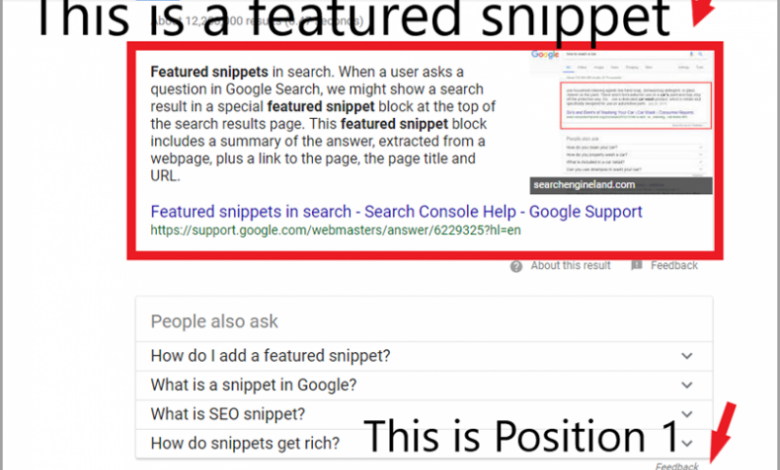
Featured snippets are a key component of modern search engine results pages (SERPs). They provide concise answers directly within the search results, aiming to satisfy user queries quickly and efficiently. Search engines like Google utilize complex algorithms to identify and display snippets that best match the user’s search intent. This allows users to find relevant information without needing to click through to a website.Search engines analyze a variety of factors, including the content’s structure, relevance, and authority, to determine which snippets to display.
This process often involves understanding the context of the search query and selecting the most helpful and comprehensive answer available on the web. High-quality content that is well-structured and informative is more likely to be selected as a featured snippet.
Different Types of Featured Snippets, Featured snippets opportunities
Featured snippets come in various formats, catering to different search queries. Understanding these formats is crucial for optimizing your content for these coveted spots.
- Paragraph snippets offer a concise answer in a single paragraph. They are well-suited for factual queries and questions requiring a straightforward response.
- List snippets, including ordered and unordered lists, are effective for presenting steps, instructions, or a collection of items. They are particularly useful for how-to guides or curated information.
- Table snippets provide structured data in a tabular format, ideal for comparing information, displaying statistics, or presenting a structured overview of facts.
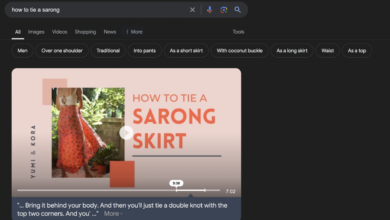
- Video snippets allow users to watch a short video clip directly within the search results. They are prevalent for demonstrating procedures or offering visual explanations.
Successful Implementations Across Industries
Many businesses have successfully leveraged featured snippets to improve their online visibility and drive traffic. For example, e-commerce sites can use featured snippets to showcase product specifications or pricing details. Educational institutions can use snippets to provide quick summaries of key concepts or definitions.
Influence on User Search Behavior
Featured snippets significantly influence user search behavior by providing immediate answers. Users are more likely to find the information they need without clicking through to external websites, potentially reducing website traffic for some. However, high-quality featured snippets often lead to increased brand awareness and credibility.
Typical Structure of Featured Snippet Types
| Snippet Type | Format | Example Content | Key Characteristics | ||||
|---|---|---|---|---|---|---|---|
| Paragraph | Single paragraph | “The capital of France is Paris.” | Concise, direct answer to factual questions. | ||||
| List (unordered) | Bulleted list |
|
Ideal for step-by-step instructions or lists of items. | ||||
| List (ordered) | Numbered list |
|
Suitable for presenting ordered procedures. | ||||
| Table | Tabular format |
|
Excellent for comparing data or displaying structured information. |
Identifying Opportunities

Featured snippets offer a prime opportunity for websites to capture valuable organic traffic and establish authority. Understanding the factors influencing a page’s selection is crucial for optimizing content and maximizing visibility. This section delves into strategies for increasing a page’s chance of securing a coveted featured snippet position.
Factors Influencing Featured Snippet Selection
Several key factors contribute to a webpage’s likelihood of being chosen as a featured snippet. Search intent, content relevance, and the structure of the page all play significant roles. The search query itself is a critical element; a page must directly address the user’s question or need. The content must not only be relevant but also provide a concise and readily understandable answer.
Finally, a well-structured page with clear headings, bullet points, and concise language enhances the chances of selection.
Strategies for Improving Snippet Chances
Optimizing for featured snippets requires a multi-faceted approach. Understanding search intent and crafting content that directly answers user queries is paramount. Concise and easily digestible content formats are preferred. Including relevant s naturally within the text, while maintaining readability, is essential. Creating a clear and structured page layout with appropriate headings and subheadings is vital for both search engines and users.
Featured snippets are a fantastic opportunity to boost your online visibility. Leveraging advanced audience targeting strategies, like those detailed in this guide on advanced audience targeting , can significantly increase your chances of landing those coveted top search results. By focusing on the right audience segments, you’re maximizing your chances of appearing in the coveted featured snippet spot, which will lead to increased traffic and conversions.
Utilizing schema markup can further enhance a page’s visibility and make it more easily understandable for search engines.
Role of Content Format and Structure
The format and structure of your content significantly impact its potential for becoming a featured snippet. Using a question-and-answer format, for example, directly addresses the typical search query and is well-suited for featured snippets. List formats, tables, and concise paragraphs are also frequently used. Structured data markup, particularly schema.org, can help search engines understand the content’s structure and meaning.
Examples of Frequent Featured Snippet Formats
Featured snippets frequently use various content formats to deliver concise answers to user queries. These include:
- Definition-style snippets: These provide a concise definition or explanation of a term or concept. For example, a search for “what is artificial intelligence” might result in a definition-style snippet.
- Answer-style snippets: These directly answer a user’s question. A search for “how to bake a cake” might result in a snippet providing step-by-step instructions.
- Table-style snippets: These display information in a tabular format, suitable for comparisons or lists of data. A search for “best running shoes for beginners” might yield a table comparing various models.
- List-style snippets: These present information in a bulleted or numbered list format. A search for “top 10 programming languages” might result in a list-style snippet.
High-Opportunity vs. Low-Opportunity Content Topics
| Topic | Opportunity Score | Supporting Evidence | Optimization Strategies |
|---|---|---|---|
| “Best smartphones under $500” | High | High search volume, clear comparison need | Create a detailed comparison table, focus on key features, use schema markup for product data |
| “History of the Roman Empire” | Low | High search volume, but extensive information | Focus on concise summaries, use headings and subheadings, include key dates and events |
| “How to change a tire” | High | High search volume, practical guide needed | Create step-by-step instructions, use visuals if possible, use schema markup for steps |
| “Benefits of meditation” | Low | General topic, wide range of information | Focus on specific benefits, use supporting evidence, highlight actionable steps |
Content Optimization Techniques
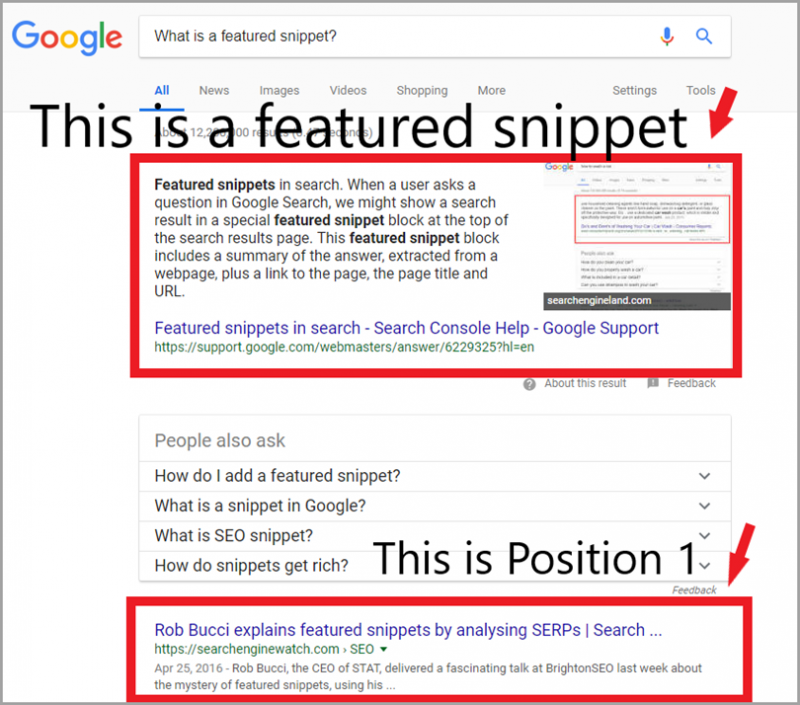
Crafting content specifically for featured snippets requires a strategic approach beyond just writing informative text. It involves understanding the precise format Google uses for each snippet type and then adapting your content to perfectly match those expectations. This approach not only improves your chances of appearing in featured snippets but also enhances the overall user experience on your website.Optimizing content for featured snippets involves several key techniques.
By meticulously structuring your content and targeting specific types of snippets, you can significantly increase your website’s visibility and organic traffic. Understanding the nuances of each snippet type allows you to tailor your content for maximum impact.
Content Structure for Featured Snippets
Effective featured snippet content often follows a predictable structure. Whether it’s a paragraph, a bulleted list, or a table, aligning your content with Google’s chosen format boosts your chances of appearing. Consider the query’s intent and format the response accordingly.
Looking for ways to boost your online visibility? Featured snippets offer fantastic opportunities to grab attention. By implementing the 22 proven strategies in healthcare marketing 22 proven strategies win patients , you can better target your audience and improve your search engine ranking, which directly leads to more featured snippet opportunities. Understanding these techniques is key to capitalizing on these valuable search results.
Optimizing for Different Snippet Types
Featured snippets come in various forms, each with its own requirements. Understanding these types is crucial for tailoring your content.
- Paragraph Snippets: These snippets provide concise answers in a paragraph format. Content should directly address the query with a clear, focused answer. Examples include definitions, explanations, and brief summaries.
- List Snippets: These snippets use bullet points or numbered lists. Focus on providing step-by-step instructions, key points, or a ranked list of items. Ensure the items are easily digestible.
- Table Snippets: These snippets display data in tabular format. Organize your content with clear headers and rows to accurately reflect the requested data. Examples include comparisons, statistics, or specific data points.
Effective Content Optimization Strategies
Several strategies can enhance your content’s performance in featured snippets. These methods often focus on providing the most comprehensive and relevant answer to the user’s query.
- Research: Identify s related to the topic and use them naturally within your content. Focus on long-tail s that address specific user queries.
- Answering the Query Directly: Formulate your content to directly answer the question posed by the user. This demonstrates a clear understanding of their needs and enhances your content’s relevance.
- Conciseness and Clarity: Use clear, concise language. Avoid unnecessary jargon and ensure the content is easy to understand.
- High-Quality Content: Create informative and detailed content that goes beyond a simple answer. Providing context and additional information makes your content more valuable.
Common Mistakes to Avoid
Some common errors can hinder your content’s chances of appearing in featured snippets.
- Irrelevant Content: Avoid including information unrelated to the query. Focus on providing the most relevant answer possible.
- Poorly Structured Content: Ensure your content is well-organized and easy to read. Use headings, subheadings, and bullet points to improve readability.
- Lack of Specific Detail: Provide sufficient detail to answer the query thoroughly. A brief answer might not be comprehensive enough.
- Stuffing: Avoid overly using s. Natural language and comprehensive answers are preferred.
Content Optimization Methods Comparison
| Method | Description | Pros | Cons | Examples |
|---|---|---|---|---|
| Research | Identifying relevant s to target specific queries | Increases visibility, targets specific searches | Can be time-consuming, requires continuous monitoring | “best coffee beans,” “best hiking trails near me” |
| Answering the Query Directly | Creating content that directly addresses the user’s question | Increases relevance, improves user experience | Requires thorough understanding of the query | “What is the capital of France?”
Answer Paris |
| Conciseness and Clarity | Using clear, concise language and avoiding jargon | Easy to understand, improved readability | May require simplification of complex topics | Explaining a scientific concept in simple terms |
| High-Quality Content | Providing detailed, comprehensive, and informative content | Demonstrates expertise, improves user engagement | Can be time-consuming, requires thorough research | In-depth article on a specific topic |
Analyzing Search Trends
Understanding search trends is crucial for crafting effective content strategies, particularly for targeting featured snippets. By analyzing how users search for information, content creators can tailor their writing to match the exact phrasing and intent behind those queries. This proactive approach allows for optimized content that directly addresses user needs, increasing the likelihood of ranking high in search results and potentially capturing coveted featured snippet positions.Analyzing search trends goes beyond simply identifying popular s.
It delves into the nuances of user intent, the phrasing of queries, and the evolving nature of search behavior. This in-depth understanding provides valuable insights for content creation, enabling creators to anticipate and address emerging user needs, leading to more impactful and user-focused content.
Significance of Search Trend Analysis
Search trends reveal the evolving interests and information needs of online users. By tracking these trends, content creators can anticipate shifts in user demand and adapt their content strategies accordingly. This allows them to proactively create valuable content that aligns with current user searches, increasing the chances of attracting more organic traffic and visibility.
How Search Trends Inform Content Creation Strategies
Search trends directly inform content creation strategies by providing insights into what users are actively searching for. Understanding the specific phrasing, s, and questions within these trends allows content creators to structure their articles, blog posts, and other content to directly address these user queries. This targeted approach significantly improves the chances of a piece of content ranking higher in search results, making it more visible to potential readers.
Predicting Featured Snippet Opportunities Using Search Trends
Analyzing search volume, user intent, and search query variations helps predict featured snippet opportunities. High search volume indicates a significant user interest in a particular topic, suggesting a higher likelihood of a featured snippet opportunity. Understanding user intent – whether informational, navigational, or transactional – helps tailor content to meet the specific need behind the search query. Identifying variations in search queries provides a broader understanding of the topic and allows for the creation of more comprehensive and encompassing content.
Search Trend Analysis Tools
Several tools assist in analyzing search trends. Google Trends, a free tool from Google, provides insights into search volume, popularity, and regional variations in search terms. SEMrush and Ahrefs are paid tools that offer comprehensive research, including search volume, difficulty, and related s, allowing for a deeper analysis of search trends.
Unlocking featured snippet opportunities requires a well-organized SEO team. Understanding how to effectively structure your team, like in this guide on how to structure your SEO team , is key. This strategic approach allows your team to effectively target and optimize content for these coveted positions in search results, ultimately boosting your website’s visibility and organic traffic.
Example: Analyzing Search Trends for “Best Hiking Boots”
| Search Term | Volume | Trend | Intent | Featured Snippet Potential |
|---|---|---|---|---|
| Best Hiking Boots for Men | High | Increasing | Informational | High |
| Women’s Hiking Boots Reviews | Medium | Stable | Informational | Medium |
| Best Hiking Boots Under $100 | High | Increasing | Transactional | High |
| Lightweight Hiking Boots for Women | Medium | Stable | Informational | Medium |
| Hiking Boots for Trail Running | Low | Decreasing | Informational | Low |
This table demonstrates a sample analysis for the topic “Best Hiking Boots.” The table shows high search volume for terms like “Best Hiking Boots for Men” and “Best Hiking Boots Under $100,” indicating potential featured snippet opportunities. The intent behind these searches is primarily informational and transactional, which allows for the creation of content that directly answers user questions and addresses their purchasing needs.
Measuring Success and Improvement: Featured Snippets Opportunities
Optimizing for featured snippets isn’t a one-time effort; it’s an ongoing process requiring consistent monitoring and adaptation. Tracking key performance indicators (KPIs) helps identify what’s working, what needs adjustment, and ultimately, whether your efforts are paying off. This section will explore how to measure the success of your featured snippet strategy and make informed decisions to improve performance over time.Understanding how your content performs in response to optimization efforts is crucial.
Metrics such as organic traffic, click-through rates (CTR), and time on page provide valuable insights into user engagement. By analyzing these metrics, you can determine if your content is attracting the right audience and whether it’s fulfilling their search intent.
Key Performance Indicators (KPIs) for Featured Snippet Performance
Tracking the performance of your featured snippet optimization efforts requires a systematic approach to monitoring key metrics. This section details the KPIs that are crucial for evaluating the success of your strategies and for making data-driven decisions to enhance performance.
| KPI | Definition | Measurement Method | Target Value |
|---|---|---|---|
| Organic Traffic | The number of visitors coming to your website from search engine results pages (SERPs) | Google Analytics, Search Console | Increase over time, reflecting improved visibility |
| Click-Through Rate (CTR) | The percentage of users who click on your result in the SERPs after seeing it | Google Analytics, Search Console | Higher than average for similar searches |
| Time on Page | The average time users spend on a page | Google Analytics | Increase, indicating engagement |
| Bounce Rate | The percentage of visitors who leave your site after viewing only one page | Google Analytics | Lower than average for similar searches |
| Featured Snippet Appearance Rate | The frequency with which your content appears as a featured snippet in SERPs | SEMrush, Ahrefs, or manual SERP checks | Consistent appearance for target s |
| Conversion Rate | The percentage of visitors who complete a desired action (e.g., making a purchase, signing up for a newsletter) | Google Analytics | Increase, reflecting positive user response to the content |
Adapting Content Strategies Based on Performance Data
Regularly reviewing your performance data is vital for refining your content strategy. If organic traffic increases but CTR remains low, it suggests your featured snippet may not be compelling enough. Conversely, a high CTR with low time on page might indicate that the snippet is attracting clicks but not engaging users. Identifying these patterns is key to strategic adjustments.Analyzing the performance data allows for the adaptation of your content strategies.
For example, if a particular is consistently appearing in featured snippets but not driving traffic, you may need to optimize the content around related s or topics to increase the chances of appearing in the results.
Examples of Successful Strategies for Improving Featured Snippet Performance
Several successful strategies exist for enhancing featured snippet performance. One approach involves meticulously studying user search intent and adjusting content to precisely address those needs. Another approach is focusing on providing concise and comprehensive answers to commonly asked questions. This detailed approach demonstrates a commitment to understanding and meeting user needs. In addition, incorporating schema markup can significantly improve the chances of your content being recognized by search engines.Using a combination of these methods can help in achieving better rankings.
For example, if a piece of content is regularly showing up in featured snippets but not generating the desired conversions, you might analyze the conversion funnel to identify areas where the user experience needs improvement. A clear call to action and compelling visuals can also significantly improve engagement.
End of Discussion
In conclusion, mastering featured snippets opportunities requires a blend of content optimization, search trend analysis, and a keen understanding of user intent. By implementing the strategies Artikeld in this guide, you can significantly enhance your website’s visibility and drive organic traffic. Remember that consistent effort and adaptation to search engine algorithm changes are key to sustained success.