Brand Awareness Marketing Your Guide
Brand awareness marketing is crucial for any business looking to thrive in today’s competitive market. It’s about more than just getting your name out there; it’s about building a strong, recognizable identity that resonates with your target audience. This comprehensive guide explores everything from defining brand awareness to implementing effective strategies, measuring results, and understanding the crucial link between brand awareness and customer engagement.
From understanding the nuances of visual identity to allocating your budget effectively, this guide equips you with the knowledge to build a powerful brand presence. We’ll also discuss the challenges and opportunities in this dynamic field, ensuring you’re prepared to navigate the complexities of modern marketing.
Defining Brand Awareness Marketing
Brand awareness marketing is a crucial aspect of any successful business strategy. It’s more than just creating a logo or a catchy jingle; it’s about fostering a recognizable and positive perception of your brand in the minds of your target audience. This involves consistent communication and engagement to build familiarity, trust, and ultimately, preference. The goal is not just to be known, but to be known in a favorable light.Brand awareness marketing differs significantly from other marketing strategies, such as direct response marketing or lead generation.
While those strategies focus on immediate actions or conversions, brand awareness marketing prioritizes long-term relationship building. It’s the foundation upon which other marketing efforts are built, creating a loyal customer base and driving consistent revenue over time. It’s about planting the seed of recognition and trust that will blossom into future customer interactions.
Core Objectives of Brand Awareness Marketing
Brand awareness marketing aims to increase the familiarity and recognition of a brand within a target audience. It focuses on building a positive image and association with the brand, ultimately leading to a favorable perception and potential preference. This strategic approach emphasizes the importance of consistent messaging and visual identity across all platforms.
Key Differences from Other Marketing Strategies
Brand awareness marketing is distinct from other strategies. Direct response marketing, for example, emphasizes immediate sales conversions, while brand awareness marketing prioritizes long-term brand recognition and positive association. Lead generation aims to acquire potential customers for future sales, while brand awareness marketing lays the groundwork for establishing trust and preference, which in turn fuels lead generation and sales in the future.
Stages of Brand Awareness and Marketing Efforts
Brand awareness isn’t a single event but a process with distinct stages. The first stage is
- unawareness* where the target audience is unfamiliar with the brand. Marketing efforts in this phase focus on creating initial exposure and recognition through various channels. The next stage is
- recognition*, where the audience becomes aware of the brand through marketing stimuli. Here, marketing strategies emphasize consistent messaging and visual cues. Following recognition is
- recall*, where the audience can actively remember the brand in a specific context or situation. This stage often involves emotional connections and brand stories. Finally,
- top-of-mind awareness* is the ultimate goal, where the brand is the first consideration in the minds of the target audience when they need a product or service.
Examples of Successful Brand Awareness Campaigns
Several campaigns across different industries have effectively utilized brand awareness marketing. Nike, for instance, has built its brand around athleticism and inspiration, consistently promoting a positive image of empowerment and aspiration through its advertising and sponsorship deals. Similarly, Apple’s focus on innovation and sleek design has solidified its brand identity. Their marketing campaigns consistently reinforce this perception. Coca-Cola’s use of emotional storytelling and association with happiness has established a strong global brand awareness.
Brand Awareness Metrics Comparison
| Metric | Definition | Measurement Method | Relevance to Marketing |
|---|---|---|---|
| Brand Mentions | Number of times a brand is mentioned online | Social listening tools, media monitoring | Indicates public sentiment and brand visibility |
| Website Traffic | Number of visits to a brand’s website | Website analytics tools | Shows interest in the brand and its offerings |
| Social Media Engagement | Interactions on social media platforms | Social media analytics tools | Gauges audience engagement and brand sentiment |
| Brand Recall | Percentage of respondents who can recall the brand | Surveys, focus groups | Measures brand memorability and effectiveness of campaigns |
| Customer Surveys | Customer feedback on brand perception | Surveys, interviews | Gauges customer satisfaction and perception |
Strategies for Increasing Brand Awareness
Building a strong brand presence in today’s digital landscape requires more than just a catchy logo. It necessitates a multifaceted approach that engages audiences across various touchpoints. Effective brand awareness strategies are crucial for establishing a recognizable identity, fostering customer loyalty, and ultimately driving business growth. Understanding the diverse tactics available, and adapting them to the ever-evolving digital environment, is paramount for success.Effective brand awareness campaigns leverage a combination of traditional and modern approaches, tailoring messages to specific target audiences.
By understanding the nuances of each strategy, businesses can amplify their reach and resonate with their ideal customers, ultimately creating a lasting brand impact.
Boosting brand awareness is crucial for any business. A key part of that strategy is building an engaged audience, and email marketing is a fantastic tool for doing just that. Check out this comprehensive email marketing guide to learn how to craft compelling email campaigns that resonate with your audience and drive conversions. Ultimately, a strong email marketing strategy is a powerful component of any successful brand awareness campaign.
Digital Strategies for Brand Awareness
Digital platforms have revolutionized how brands interact with their audience. Leveraging these channels effectively is critical for achieving optimal brand awareness.
The internet has democratized marketing, enabling businesses of all sizes to reach a global audience. Organic search results, social media engagement, and targeted advertising all contribute to building brand awareness and driving traffic to websites.
- Search Engine Optimization (): Optimizing website content for search engines like Google is a cornerstone of digital marketing. This involves research, on-page optimization (content structure and meta descriptions), and off-page optimization (backlinks and social signals). Businesses that rank highly in search results gain increased visibility and credibility with potential customers.
- Content Marketing: Creating valuable, relevant, and consistent content—blog posts, articles, videos, infographics—attracts and engages target audiences. High-quality content establishes expertise, builds trust, and positions the brand as a thought leader in its industry. A well-executed content marketing strategy drives organic traffic and generates leads.
- Social Media Marketing: Social media platforms have become indispensable tools for brand awareness. Engaging with potential customers through interactive content, targeted ads, and influencer collaborations can significantly amplify brand visibility.
Social Media’s Role in Brand Awareness
Social media is a powerful tool for building brand awareness, enabling direct interaction with customers and fostering community engagement.
Social media provides a platform for brands to showcase their personality, engage with their audience, and build relationships that extend beyond transactions. A well-managed social media presence can cultivate a loyal following and foster brand advocacy.
- Targeted Advertising: Social media platforms offer sophisticated targeting options, allowing businesses to precisely reach specific demographics, interests, and behaviors. This precision ensures marketing efforts are optimized and resources are not wasted on irrelevant audiences.
- Community Building: Social media enables the creation of communities around brands, facilitating direct engagement with customers. Interactive content, contests, and polls are effective methods for fostering a sense of belonging and brand loyalty.
- Influencer Marketing: Partnering with relevant influencers can extend brand reach and credibility. Influencers have established trust with their followers, and their endorsements can significantly impact purchasing decisions.
Comparing Traditional and Digital Marketing
Traditional marketing methods, while still relevant, face challenges in terms of cost and targeting compared to modern digital approaches.
Traditional methods, such as print advertising and television commercials, still have a place, but their effectiveness is often measured by broad reach rather than precise targeting. Digital marketing, on the other hand, offers greater precision and measurability.
| Feature | Traditional Marketing | Digital Marketing |
|---|---|---|
| Reach | Broad, but less targeted | Targeted, potentially global |
| Cost | Often higher, especially for national campaigns | Scalable, potentially lower costs for targeted campaigns |
| Measurability | Limited and often indirect | Precise and measurable, allowing for adjustments |
| Engagement | Passive reception | Active participation and two-way communication |
Engaging with Target Audiences on Social Media
Engaging with target audiences on social media requires a strategic approach, tailoring content to resonate with their interests and needs.
Understanding your audience is key to creating content that sparks interest and fosters meaningful interactions. Consistent posting schedules and a focus on quality over quantity are crucial for sustained engagement.
- Content Curation: Sharing relevant and engaging content from other sources can enrich your social media presence and demonstrate expertise.
- Interactive Content: Polls, quizzes, and Q&A sessions encourage participation and build stronger connections with your audience.
- Community Management: Responding to comments and messages promptly fosters a sense of community and builds trust.
Social Media Platforms for Brand Awareness
Choosing the right social media platform is essential for a successful brand awareness campaign. Understanding the platform’s audience and capabilities is crucial for optimal results.
Different platforms cater to different demographics and content types. A tailored approach that aligns with your brand’s goals and target audience is crucial for maximizing impact.
| Platform | Target Audience | Suitability for Brand Awareness |
|---|---|---|
| Broad, diverse demographics | Excellent for reaching a wide audience, strong engagement capabilities. | |
| Visual-oriented, younger demographics | Ideal for visually engaging brands, strong influencer marketing potential. | |
| News-oriented, real-time updates | Suitable for brands looking for real-time interaction and quick updates. | |
| Professional, business-oriented | Effective for B2B marketing and reaching a professional network. |
Measuring Brand Awareness: Brand Awareness Marketing
Knowing how many people are aware of your brand is crucial for assessing the effectiveness of your marketing efforts. A strong brand awareness campaign leads to increased customer recognition, loyalty, and ultimately, sales. Measuring this awareness isn’t just about counting heads; it’s about understandinghow* people perceive your brand and how that perception evolves over time. This understanding allows you to adjust strategies and maximize your ROI.
Metrics for Measuring Brand Awareness
Brand awareness isn’t a single metric; it’s a multifaceted concept that requires a variety of measurements. Different metrics provide different insights into how consumers perceive and interact with your brand. These insights are essential for tailoring marketing campaigns to resonate more effectively with your target audience.
- Unaided Awareness: This metric assesses how many people can recall your brand without prompting. This is a good measure of spontaneous brand recognition. A high level of unaided awareness indicates strong brand presence in the market.
- Aided Awareness: This metric measures how many people recognize your brand when prompted with cues, like a logo or tagline. Aided awareness is often higher than unaided awareness, as the prompt helps consumers recall the brand.
- Top-of-Mind Awareness: This metric focuses on the brand that immediately comes to mind when a consumer thinks about a particular product category. Achieving top-of-mind awareness is a significant marker of brand dominance.
- Brand Recall: This measures the ability of consumers to recall your brand from a list of competing brands. A higher recall rate suggests strong memorability.
- Brand Recognition: This measures the ability of consumers to identify your brand from a logo, tagline, or other visual cues. This metric reflects familiarity and visual association.
Tracking Brand Awareness Over Time
Consistent monitoring of brand awareness is essential to understand how marketing efforts impact perception. Tracking involves regular measurement to detect trends and adjust strategies based on evolving market conditions.
- Regular Surveys: Conducting periodic surveys with your target audience allows you to track changes in awareness over time. The same survey questions can be used over time to compare results and see how awareness shifts.
- Social Media Monitoring: Tracking mentions of your brand on social media platforms reveals how consumers are interacting with your brand and the sentiment surrounding it. Tools like Brand24 or Hootsuite can assist in this process.
- Website Analytics: Analyzing website traffic and user engagement provides insights into brand visibility and how well your online presence is connecting with your target audience.
Examples of Tools for Measuring Brand Awareness
Various tools assist in measuring and analyzing brand awareness data. These tools offer different functionalities to collect and interpret the data.
- SurveyMonkey: A versatile online survey platform allowing you to design and administer surveys to assess awareness. It offers various question types and reporting features to help understand the results.
- Brand24: A social listening platform that tracks brand mentions across various social media channels. It helps understand brand perception and sentiment in real-time.
- Google Analytics: A powerful tool for analyzing website traffic and user behavior. It provides valuable insights into how users interact with your brand online.
Interpreting Brand Awareness Data
Brand awareness data should be analyzed to guide marketing decisions. Interpreting this data allows for strategic adjustments and campaign optimizations.
- Identify Trends: Look for patterns in the data to understand how brand awareness changes over time. A downward trend may signal the need for a new marketing strategy.
- Segment Your Audience: Divide your data by demographics or other characteristics to understand specific segments’ awareness of your brand. This allows for more targeted marketing.
- Compare with Competitors: Benchmark your brand awareness against your competitors to understand your position in the market and identify areas for improvement.
Brand Awareness Metrics Table
| Metric | Interpretation |
|---|---|
| High Unaided Awareness | Consumers readily recall your brand without prompting. |
| Low Aided Awareness | Consumers need significant prompting to recognize your brand. |
| High Top-of-Mind Awareness | Your brand is the first one that comes to mind in a particular category. |
| High Brand Recall | Consumers easily recall your brand from a list of competitors. |
| High Brand Recognition | Consumers quickly identify your brand from visual cues. |
Content Marketing for Brand Awareness
Content marketing is a strategic approach to attract and engage target audiences by creating and distributing valuable, relevant, and consistent content. It’s a powerful tool for building brand awareness, fostering relationships, and ultimately driving conversions. By providing valuable information, entertainment, or inspiration, brands can establish themselves as thought leaders and trusted advisors within their industry.This approach differs from traditional advertising, which often relies on interrupting the audience with promotional messages.
Content marketing, instead, focuses on providing meaningful experiences and addressing the needs and interests of the audience. This approach builds trust and fosters long-term relationships.
Types of Content for Brand Awareness Campaigns
Content marketing encompasses a wide variety of formats. The key is to understand what resonates with your target audience and choose the appropriate formats for optimal impact. A diversified approach is usually the most effective.
- Blog posts provide an excellent platform to share industry insights, company news, and engaging stories. They are ideal for establishing thought leadership and attracting organic traffic.
- Infographics are visual representations of data and information. They are highly shareable and easily digestible, making them perfect for grabbing attention and spreading brand awareness.
- Videos are a dynamic way to connect with your audience. They can range from product demonstrations to company culture spotlights, engaging viewers with compelling storytelling.
- Social media posts are crucial for engaging with potential customers on platforms they already frequent. They can include captivating images, short videos, and engaging questions to keep the audience interested.
- Ebooks and white papers offer in-depth information on specific topics, positioning your brand as an expert. They can be used to generate leads and establish thought leadership in a particular area.
- Webinars and online courses allow you to share specialized knowledge directly with your audience. They are ideal for nurturing leads and establishing expertise.
Effective Content Marketing Strategies
Effective content marketing strategies go beyond simply creating content. They require a strategic approach to content planning, promotion, and analysis.
- Audience-centric approach: Understanding your target audience is paramount. Content should be tailored to their specific needs, interests, and pain points. This includes knowing their demographics, psychographics, and online behavior.
- research: Identifying relevant s and incorporating them naturally into your content helps search engines understand the topic and improves organic search rankings. This is essential for visibility.
- Consistency and frequency: Regular content creation keeps your brand top-of-mind with your audience. A consistent publishing schedule builds anticipation and encourages engagement.
- Cross-promotion: Leveraging other channels like social media, email marketing, and public relations to promote your content amplifies reach and visibility.
Content Format Effectiveness
The effectiveness of different content formats depends on the specific goals and target audience. A well-rounded strategy considers various formats to cater to diverse preferences.
| Content Format | Effectiveness for Brand Awareness | Explanation |
|---|---|---|
| Blog posts | High | Informative and engaging, establishes thought leadership. |
| Infographics | Very High | Highly shareable, visually appealing, and easily digestible. |
| Videos | High | Captivating and engaging, suitable for demonstrations and storytelling. |
| Social media posts | Medium to High | Engaging and interactive, but requires frequent posting. |
| Ebooks/white papers | High | Demonstrates expertise, generates leads, and builds credibility. |
| Webinars/online courses | High | Direct interaction, builds trust and engagement, and establishes expertise. |
Importance of Consistency in Content Creation
Consistent content creation is crucial for building brand awareness. It fosters trust and reliability, making your brand recognizable and memorable. A regular schedule demonstrates dedication and commitment, encouraging audience engagement and loyalty.
Brand Awareness and Customer Engagement
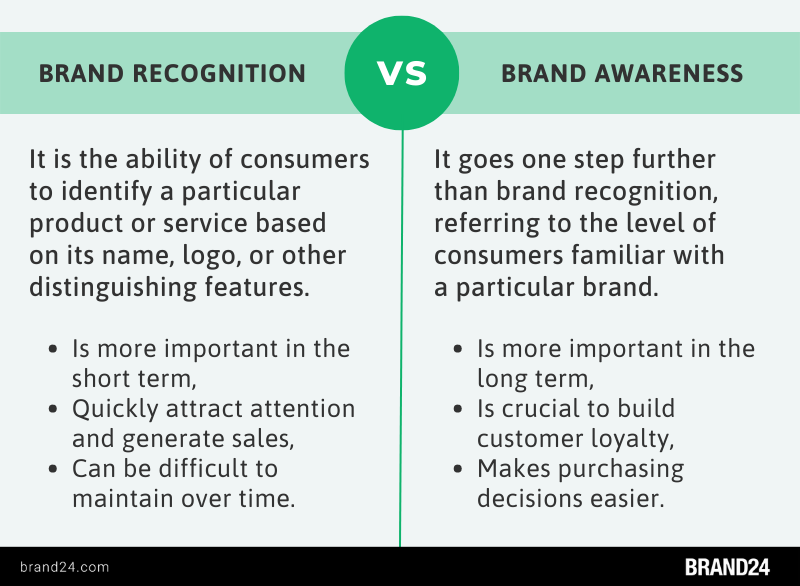
Building brand awareness isn’t just about getting your name out there; it’s about fostering a genuine connection with your audience. This connection, often overlooked, is crucial for long-term success. Understanding how to engage customers effectively is key to transforming brand awareness into tangible results. Ultimately, it’s about creating a relationship where customers feel valued and understood.Effective brand engagement leads to increased customer loyalty, positive word-of-mouth marketing, and ultimately, higher profitability.
By actively listening to and responding to customer feedback, brands can build a strong foundation of trust and loyalty. This, in turn, strengthens brand awareness and creates a positive feedback loop.
The Interplay of Brand Awareness and Customer Engagement
Brand awareness and customer engagement are intrinsically linked. High brand awareness often precedes strong customer engagement. However, brand awareness alone is insufficient. Brands need to actively engage with their audience to transform awareness into meaningful interactions. A customer who recognizes your brand but has no avenue for interaction is unlikely to become a loyal advocate.
This active engagement fosters a deeper connection and a stronger brand image.
Fostering a Strong Brand-Audience Relationship
Building a strong relationship with your audience requires understanding their needs and desires. This includes actively listening to their feedback, understanding their pain points, and providing relevant solutions. Personalization, tailored content, and timely responses to queries can significantly improve customer satisfaction and engagement. Regularly communicating with your audience, whether through newsletters, social media, or direct mail, keeps them informed and involved.
Methods for Creating a Memorable Brand Experience
A memorable brand experience goes beyond just a product or service. It’s about creating a cohesive and positive interaction across all touchpoints. This encompasses everything from the website design to customer service interactions. Consistency in brand messaging, tone, and visual identity is crucial. Using a consistent brand voice across all channels ensures that the customer experience is unified and recognizable.
- Visual Consistency: Employing consistent color palettes, typography, and imagery across all platforms creates a recognizable visual identity that strengthens brand recall. A visually appealing brand, easy to identify, is much more likely to stick in the minds of consumers. For example, think of the instantly recognizable color scheme of McDonald’s or the distinctive font of Coca-Cola. Both are prime examples of successful visual consistency.
- Exceptional Customer Service: Provide prompt and helpful responses to customer inquiries, addressing concerns promptly and efficiently. A customer service team that’s well-trained and responsive builds trust and fosters a positive brand image. The quality of the customer service experience is a major factor in shaping a customer’s perception of the brand.
- Interactive Content: Engaging content, like quizzes, polls, and interactive stories, encourages audience participation and strengthens brand recall. Think about interactive elements on websites, social media, and in marketing materials that allow customers to actively participate and interact with the brand.
The Importance of Customer Feedback in Improving Brand Awareness
Customer feedback provides invaluable insights into how your brand is perceived. Understanding customer opinions, whether positive or negative, helps refine your strategies and improve your overall brand experience. It’s an opportunity to understand the nuances of your target audience and refine your strategies for better brand awareness.
| Feedback Gathering Method | Description | Analysis Approach |
|---|---|---|
| Surveys | Structured questionnaires to collect specific information. | Statistical analysis to identify trends and patterns. |
| Focus Groups | Small group discussions to gather in-depth insights. | Qualitative analysis of group discussions to understand sentiments. |
| Social Media Monitoring | Tracking mentions and conversations about your brand. | Sentiment analysis to determine overall public opinion. |
| Customer Reviews | Collecting feedback from online platforms. | Categorizing reviews by sentiment and identifying recurring themes. |
| Customer Support Interactions | Analyzing conversations with customer support. | Identifying recurring issues and common pain points. |
Brand Awareness and Visual Identity
A strong brand isn’t just about the products or services it offers; it’s about the perception it cultivates in the minds of consumers. Visual identity plays a crucial role in shaping this perception, acting as a powerful tool for building brand awareness and recognition. A consistent and compelling visual language creates a memorable impression, fosters trust, and ultimately drives customer loyalty.Visual identity is more than just a logo or color palette; it’s the sum of all visual elements that represent a brand.
It encompasses everything from the typography used on marketing materials to the imagery employed in advertisements and social media posts. By carefully crafting a strong visual identity, businesses can create a recognizable and trustworthy presence that resonates with their target audience.
Importance of Visual Identity in Brand Awareness
Visual elements are the first point of contact for many consumers. A compelling visual identity acts as a visual shorthand, quickly communicating brand values, personality, and positioning to potential customers. This immediate recognition fosters familiarity and trust, making it more likely that consumers will choose that brand over competitors. Strong visual identities are memorable and leave a lasting impression, significantly contributing to brand recall and overall brand awareness.
Creating a Strong Visual Brand Identity
Developing a robust visual identity requires careful consideration and planning. It begins with understanding the brand’s core values, target audience, and unique selling proposition. These elements will guide the choices made in designing the visual identity. This process often involves extensive research and feedback gathering to ensure the visual elements resonate with the intended audience.
Role of Branding Elements
Various elements contribute to a strong visual brand identity. Logos, for example, serve as the visual embodiment of the brand, acting as a quick and memorable identifier. Color palettes evoke specific emotions and associations, contributing to the brand’s overall personality. Typography, the style and form of the text, reinforces the brand’s tone and voice. Imagery and graphic elements, when carefully selected, amplify the brand’s message and aesthetic.
Boosting brand awareness is crucial for any business, but recent news about Google Search Console’s index coverage report delay might throw a wrench in some strategies. This delay, as reported in the breaking news google search console index coverage report is delayed , could impact SEO efforts, potentially affecting how customers find your brand online. Regardless, effective brand awareness marketing still hinges on consistent, high-quality content and engaging outreach strategies to maintain a strong online presence.
Consistent application of these elements across all platforms builds brand recognition and memorability.
Examples of Brands with Strong Visual Identities
Many successful brands have built their recognition through powerful visual identities. Apple, for instance, is instantly recognizable through its minimalist aesthetic, clean typography, and iconic logo. Similarly, Coca-Cola’s instantly recognizable red and white color scheme, combined with its signature script logo, has been a key component of its enduring brand awareness. These brands have effectively leveraged visual identity to create a strong and memorable presence in the market.
Key Elements of a Strong Visual Brand Identity, Brand awareness marketing
| Element | Description |
|---|---|
| Logo | A visual symbol representing the brand. |
| Color Palette | A set of colors consistently used across all brand materials. |
| Typography | The specific fonts and styles used in brand communication. |
| Imagery | Visual elements like photographs, illustrations, and graphic designs. |
| Graphic Elements | Shapes, patterns, and other visual elements that reinforce the brand’s style. |
| Brand Voice | The overall tone and personality of the brand, reflected in the visual language. |
Budget Allocation for Brand Awareness Campaigns
Effective brand awareness campaigns hinge on a well-defined budget strategy. A robust allocation plan ensures that resources are directed to the most impactful channels, maximizing return on investment (ROI) and aligning with overall business objectives. Without careful consideration, a brand awareness campaign can quickly become a drain on resources without yielding the desired results. This framework guides the process of creating a budget that supports brand visibility and growth.
Building brand awareness is crucial for any business, and it’s often a multifaceted process. It’s great to see inspiring individuals like Ilana Parker, marketing director at Xceed, recognized for her contributions to the field, as seen in this week’s Marketer of the Week spotlight ilana parker marketing director xceed marketer of the week. Her success highlights the importance of innovative strategies in today’s competitive market, and ultimately, strong brand awareness campaigns are essential for lasting success.
Budgeting Framework for Brand Awareness
A comprehensive brand awareness budget should be dynamic, adaptable, and aligned with the specific goals and target audience. It’s not a static figure but a living document that evolves as the campaign progresses and data reveals areas for optimization.
Factors to Consider When Allocating Budgets
Several factors influence the optimal budget allocation for different marketing channels. Understanding these factors allows for a targeted approach that maximizes impact. Consider the following factors when allocating funds:
- Target Audience Characteristics: Different demographics and psychographics respond differently to various marketing channels. Understanding the target audience’s media consumption habits and preferred platforms is crucial. For example, a younger audience might be more receptive to social media campaigns, while a more established professional audience might be more engaged with content marketing initiatives like blog posts or white papers.
- Campaign Objectives and KPIs: The specific goals of the campaign dictate the channels that should receive the most significant portion of the budget. For example, a campaign focused on driving website traffic might allocate a larger portion of the budget to search engine optimization () and paid search advertising. Conversely, a campaign aimed at building brand sentiment might prioritize social media engagement.
- Competition Analysis: The level of competition in the market will also influence budget allocation. If the market is highly competitive, more significant resources may need to be allocated to advertising and outreach to maintain visibility and stay relevant.
- Marketing Channel Performance: Historical data on the performance of various marketing channels can inform future budget allocation. Channels that have consistently delivered positive results should be prioritized and allocated more budget.
Prioritizing Marketing Channels Based on Target Audience
Prioritizing channels based on the target audience’s preferences is essential for optimizing campaign effectiveness. This involves understanding where your target audience spends their time online and offline. For example, if your target audience is heavily engaged on Instagram, you should prioritize that channel in your campaign. Consider these strategies:
- Social Media: Allocate a significant portion of the budget to platforms where your target audience is most active. Analyze which platforms are most effective in reaching your desired demographic and engaging with them.
- Content Marketing: If your target audience values high-quality content, then allocating resources to create valuable and engaging content will be crucial. This could involve blog posts, articles, videos, or infographics.
- Public Relations: Building relationships with journalists and influencers can amplify your brand message and reach a wider audience. If your target audience is influenced by media coverage, then consider allocating resources to PR efforts.
Tracking ROI in Brand Awareness Campaigns
Tracking ROI in brand awareness campaigns can be challenging but crucial for demonstrating the value of the campaign and justifying future investments. Use metrics that are aligned with your campaign objectives to track ROI. These could include brand mentions, website traffic, social media engagement, and brand perception surveys.
Cost-Effectiveness Comparison of Marketing Channels
| Marketing Channel | Cost-Effectiveness | Description |
|---|---|---|
| Social Media Advertising | Moderate to High | Can be highly targeted, but costs can vary based on platform and campaign specifics. |
| Content Marketing | High | Creates long-term value and can be cost-effective over time, but requires significant upfront investment in creation. |
| Public Relations | Variable | Can be cost-effective or costly depending on the PR strategy and media outreach. |
| Paid Search Advertising | Moderate | Provides targeted traffic to your website, but costs can escalate quickly if not managed effectively. |
| Email Marketing | Low to Moderate | Cost-effective for targeted outreach and nurturing leads, but requires a strong email list and effective strategy. |
Challenges and Opportunities in Brand Awareness Marketing
Brand awareness is crucial for any business, yet achieving it presents a unique set of challenges. Market saturation, evolving consumer behavior, and the constant barrage of marketing messages make it harder than ever to cut through the noise and capture attention. However, amidst these challenges lie exciting opportunities. This section delves into the hurdles and potential advantages businesses face in the dynamic world of brand awareness marketing.Understanding the landscape of brand awareness marketing requires a keen eye for the challenges and a proactive approach to leveraging opportunities.
The most successful brands understand that a multi-faceted strategy is key to building and maintaining a strong brand presence in today’s competitive environment.
Common Challenges in Brand Awareness Marketing
A multitude of factors contribute to the difficulties in building brand awareness. Budget constraints, inconsistent messaging, and an inability to connect with the target audience are frequent roadblocks. Maintaining brand consistency across various channels and platforms is often a struggle, leading to a diluted brand image.
- Budget limitations often restrict the scope of marketing campaigns, making it challenging to reach a wider audience or invest in innovative strategies.
- Inconsistent brand messaging across different platforms and channels can confuse consumers and weaken the overall brand image.
- An inability to connect with the target audience on an emotional level can result in a lack of engagement and brand recall.
- Keeping up with evolving consumer preferences and trends is crucial, but adapting marketing strategies can be difficult and time-consuming.
- Maintaining brand consistency across various channels and platforms, including social media, website, and advertising materials, is a constant challenge.
Strategies for Overcoming Challenges
Addressing the aforementioned challenges requires a strategic approach. Understanding the target audience’s needs and preferences is fundamental. Developing a strong brand story and consistently communicating it across channels is critical for fostering brand loyalty. Adapting to emerging trends and technologies, such as AI and personalized marketing, is also vital.
- Employing data-driven strategies to understand the target audience’s needs and preferences can significantly improve marketing effectiveness.
- Crafting a compelling brand story that resonates with the target audience fosters a deeper connection and brand loyalty.
- Utilizing various marketing channels to ensure consistent brand messaging and reach a broader audience.
- Adapting to evolving consumer behavior and embracing new technologies, such as AI and personalized marketing, enhances the effectiveness of brand awareness campaigns.
- Tracking and analyzing campaign performance using metrics like website traffic, social media engagement, and brand mentions allows for continuous improvement.
Examples of Successful Strategies
Several brands have successfully overcome challenges by implementing innovative strategies. Nike’s focus on athleticism and inspiring stories, for example, has resonated deeply with its target audience. Similarly, Dove’s emphasis on self-acceptance has fostered a strong emotional connection. These examples showcase the power of a well-defined brand story and consistent messaging.
- Nike’s campaigns often feature athletes overcoming obstacles, effectively connecting with audiences on an emotional level, promoting athleticism, and inspiring stories.
- Dove’s campaigns emphasizing self-acceptance and body positivity resonate with a broad audience, fostering a strong emotional connection and promoting inclusivity.
- Airbnb’s marketing highlights unique travel experiences, creating a distinct brand identity and attracting a diverse range of travelers.
Leveraging Emerging Trends and Technologies
Emerging trends and technologies present exciting opportunities. Artificial intelligence (AI) allows for personalized marketing campaigns, while virtual reality (VR) and augmented reality (AR) offer immersive brand experiences. These advancements can significantly enhance brand engagement and awareness.
- AI-powered personalization enables marketers to tailor messages and experiences to individual consumers, leading to higher engagement and conversion rates.
- VR and AR experiences create immersive brand interactions, providing consumers with unique and memorable interactions with the brand.
- Utilizing social listening tools helps brands track conversations and understand customer sentiment, allowing for proactive engagement and addressing concerns.
Challenges and Opportunities Summary
| Challenges | Opportunities |
|---|---|
| Budget limitations | Data-driven strategies, cost-effective marketing channels |
| Inconsistent messaging | Content marketing, brand guidelines, cross-channel consistency |
| Lack of audience connection | Understanding audience needs, storytelling, emotional marketing |
| Keeping up with trends | Monitoring trends, agile marketing strategies, adopting new technologies |
| Maintaining brand consistency | Clear brand guidelines, brand style guides, monitoring brand mentions |
Summary

In conclusion, brand awareness marketing is a multifaceted strategy that demands a deep understanding of your target audience, consistent effort, and a willingness to adapt to the ever-changing digital landscape. By combining insightful strategies, meticulous measurement, and a strong visual identity, you can cultivate a loyal customer base and build a lasting brand presence. This comprehensive overview provides a solid foundation for success in brand awareness marketing, empowering you to make informed decisions and achieve remarkable results.